

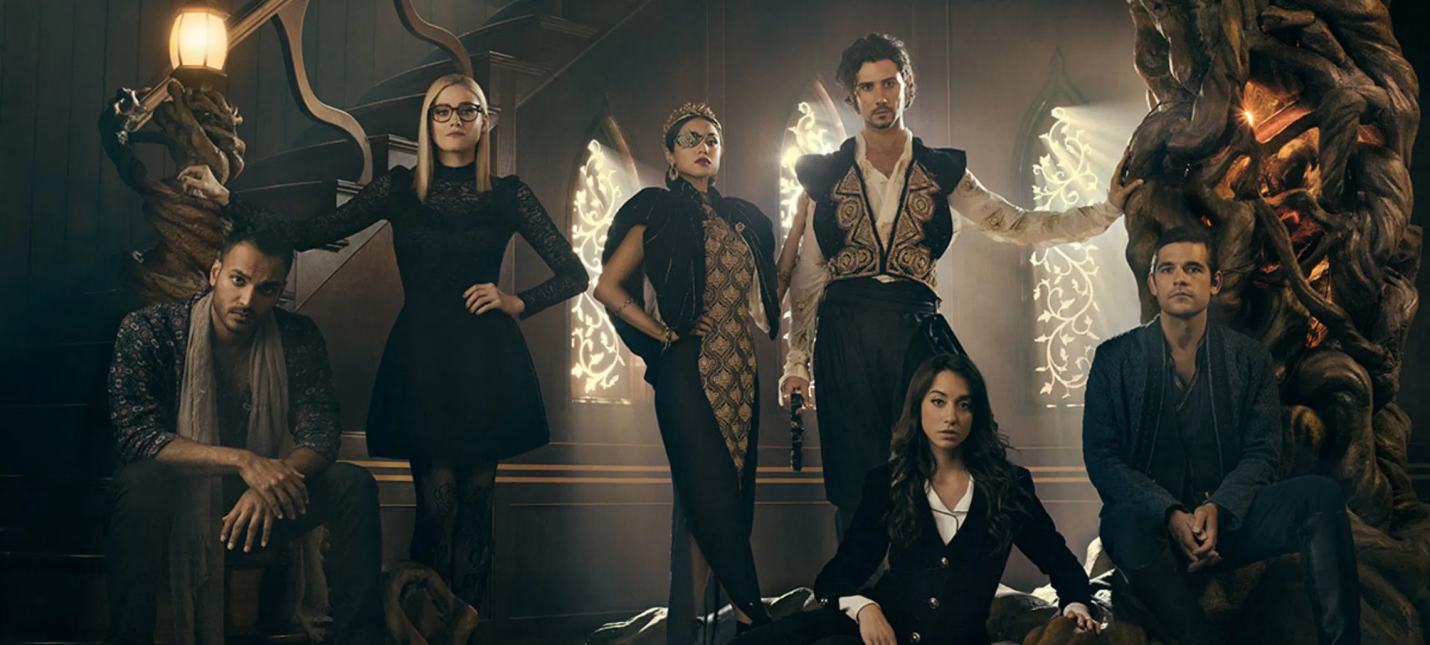
Bidding farewell to the series The Magicians, a bold and captivating experiment from SyFy.
The fantasy genre on television experienced a true reincarnation after the triumphant ratings march of Game of Thrones. Many tried to ride this wave and push fantasy stories of various levels and quality. But almost no one managed to replicate the success of the HBO show (we'll leave The Witcher aside; it's hard to judge overall success based on just one season). Several reasons can be cited for this—weak source material, budget constraints, and rushed production.
The trouble with many fantasies is that they are as alike as two peas in a pod. They have a familiar narrative structure, predictable plot twists that authors don't deviate from, and classic character archetypes. The series The Magicians, which debuted in 2015 on SyFy, broke this formula and offered viewers a new, unique experience. In April 2020, the show's final episode premiered, and now is the perfect time to discuss its uniqueness and experimental nature, the boldness of its creators, and the team that gave the world unforgettable emotions.
Source Material
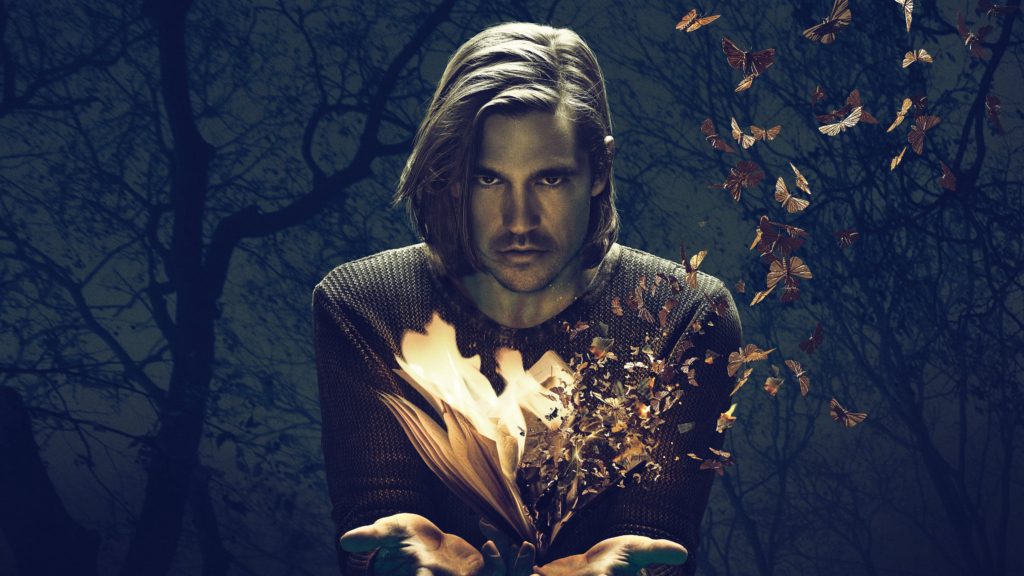
The literary basis for the project was Lev Grossman's book trilogy, The Magicians. The story centers on a group of young people, each of whom could be considered a loser in their own way, if not for one circumstance—their magical abilities. The main character, Quentin, enrolls in the magical school Brakebills, and this becomes the starting point for a multifaceted and unexpected story that will surprise viewers from episode to episode.
At the initial stage of viewing, it might seem that The Magicians is just an average fantasy about magic, aiming for the laurels of Harry Potter and The Chronicles of Narnia. There is some truth to this—viewers will see magical lessons, a strict but wise headmaster, and magical quests that help the characters reach their cherished goal. But all of this turns out to be merely the foundation for the madness the authors have hidden up their sleeves.
Connection to the Source Material and Creative Flight of Fancy
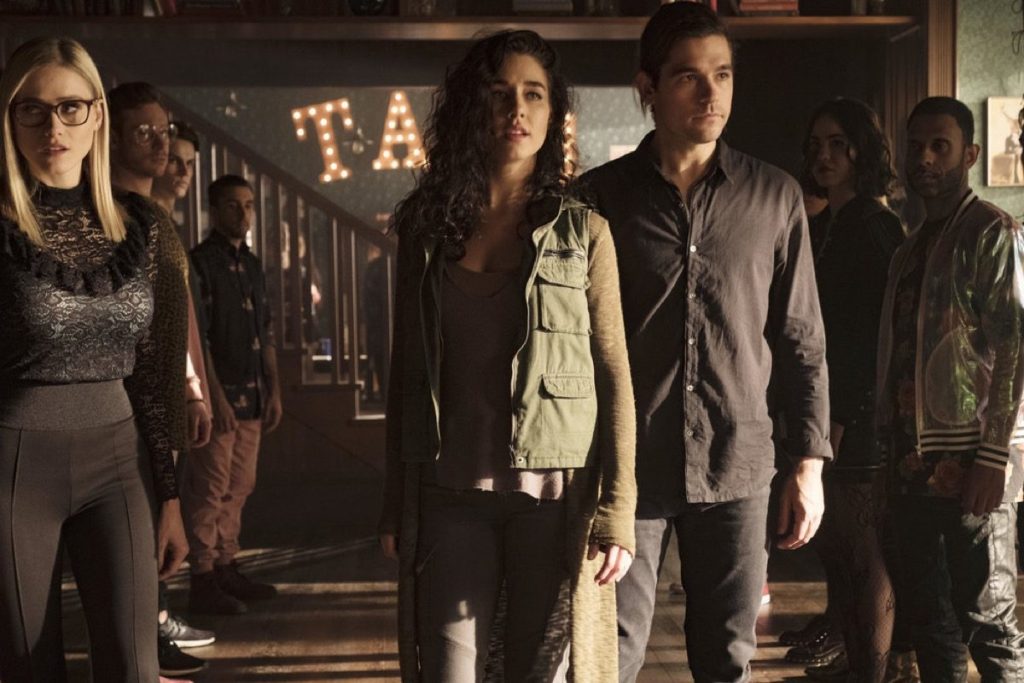
If the debut season of The Magicians still more or less adheres to Grossman's texts, the further the plot goes, the more liberties the series' authors take. And this surprisingly does not harm the show. The books are good in their own right, but the series became a unique and self-sufficient story.
The creators seem to challenge the norms and standards of television and fantasy series in particular. Here you will see fairies and Santa Claus, a drunken deity and an underwater dragon, a god-rapist and unicorns, Hades and talking rabbits. For heaven's sake, the series even has a kraken! But if you think the authors' imagination is limited to a strange set of characters from various mythologies, you are mistaken. The Magicians features episodes with time loops, episodes inside the characters' minds, different timelines, heist episodes, parallel worlds, musical episodes, the destruction and creation of universes, episodes where two characters live entire lives in one day. This list could go on almost indefinitely. As soon as you think of some crazy idea that could happen to a group of magicians, you will likely see it in the SyFy series, and the characters will cautiously joke that this or that trope has already been used in some movie or series.
Characters—The Main Driving Force of The Magicians
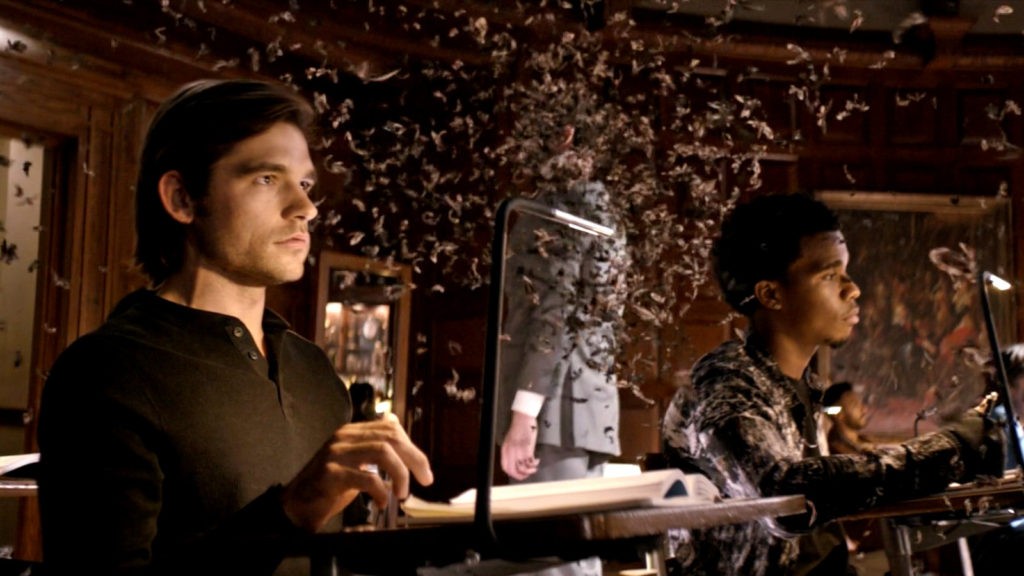
The key strength of the series is its characters. If uninteresting personalities were caught in the whirlwind of eccentric events, the whole endeavor would be worthless. The Magicians has no such problem. It features a whole kaleidoscope of characters, from a depressed nerd with bisexual tendencies and inner heroism to a party queen with the vocabulary of a cobbler, who in a difficult situation can prove to be an ideal strategist and a wonderful friend.
The characters of The Magicians are united by two things: deep personal trauma and constant development. You probably remember the illogical and out-of-character moves that the heroes of Game of Thrones sometimes made. This series has none of that. The characters change, they make mistakes and learn from them, develop and become who they truly can be. Yes, like the most alive people. Like you and me.
Romantic and friendly relationships, jealousy, and acceptance of each other's flaws arise between the characters. And all these nuances make the world and characters of The Magicians even richer and more beautiful, not to mention that against the backdrop of many long-running series, such constant development seems almost fantastic.

The Ability to Evoke Emotions
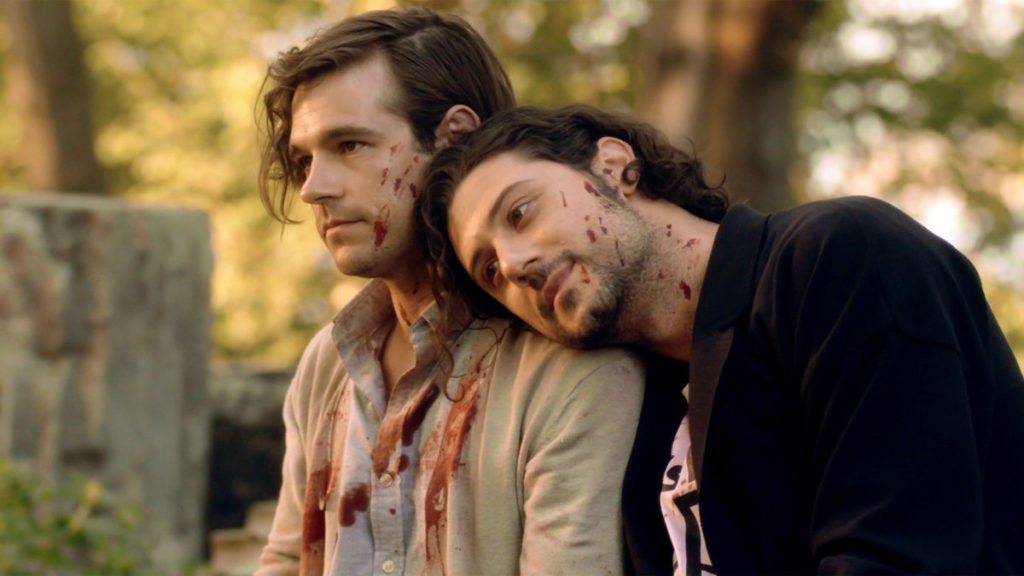
Another important strength of The Magicians is its ability to evoke emotions. Sometimes you worry about the relationships of the characters you've grown to love, and at other times you can't tear yourself away from the screen because of another engaging quest with unpredictable consequences. The Magicians frightens, it amuses, it makes you cry (the finale of the fourth season is one of the best events on TV in recent years), and often you experience the entire spectrum of emotions within a single episode. That is truly priceless.
Instead of an Afterword
The fifth and final season of The Magicians turned out to be not the most necessary, and strictly speaking, the show should have ended with the fourth season, but an extra excuse to spend time with beloved characters was not a burden. I deeply envy those viewers who have yet to enroll with Quentin at Brakebills, attend Professor Mayakovsky's lessons, discover the magical world of Fillory and its inhabitants, sing the song "Take on Me" around the campfire with the characters, and see what Harry Potter might have been like if sex, drugs, and rock 'n' roll were added. As for me, I just have to turn this page and set off on a new journey in search of companions as charming and pleasant as the heroes of The Magicians have been for me.
Comments
0No comments yet.