
Plastic is choking the ocean. Why can't biodegradable materials replace it yet? 🗑
Every year, about 52 million tons of plastic waste ends up in the ocean. Only 10% of all plastic produced is recycled; the rest ends up in landfills, rivers, and seas. The consequences already affect more than 4,000 species of marine animals. Even a blue whale swallows about 43 kilograms of plastic daily.
It would seem a solution has been found: paper, bamboo, natural fibers, packaging made from seaweed. But in practice, eco-friendly materials lose to plastic for one simple reason — capitalism money.
Over decades, the petrochemical industry has developed extensive infrastructure, huge production capacities, and favorable trade conditions. The average tariff on plastic products today is about 7%, while for many eco-friendly alternatives it is over 14%. This creates a paradox: eco-friendly materials are often more expensive precisely because of market rules.
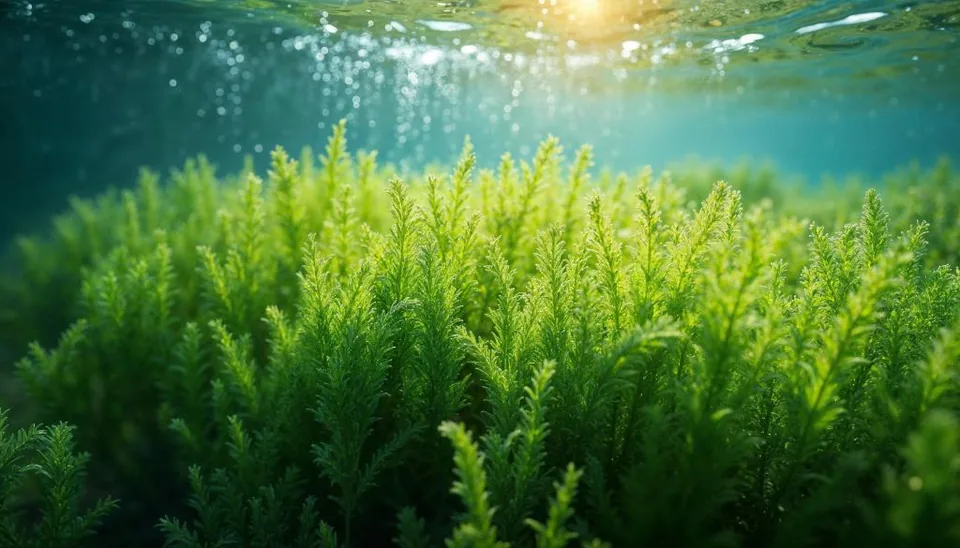
For example, seaweed grows quickly, requires no fresh water, fertilizers, or agricultural land. Over the past 20 years, global production of materials from seaweed has tripled.
However, bureaucratic complications arise here. International trade rules for seaweed remain fragmented and do not always account for new types of products. As a result, exporters have to overcome many administrative barriers.
The main conclusion is simple: the problem is not the lack of alternatives. They already exist. The obstacle is that plastic has been building a convenient world for itself for decades, while eco-friendly materials still have to break through the closed doors of bureaucracy 🤤
💚 This is Greenge
Comments
0No comments yet.
Sign in to join the discussion.