

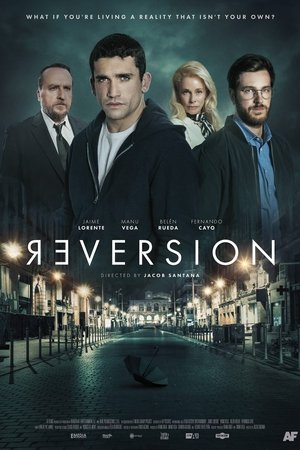
The Spanish thriller by debut director Jacob Santana, "The Illusion of Murder", pretends to be a modest genre exercise, then methodically reshapes its own plot until the viewer stops trusting a single frame. It achieves a lot, but not everything.
A Stranger in the House
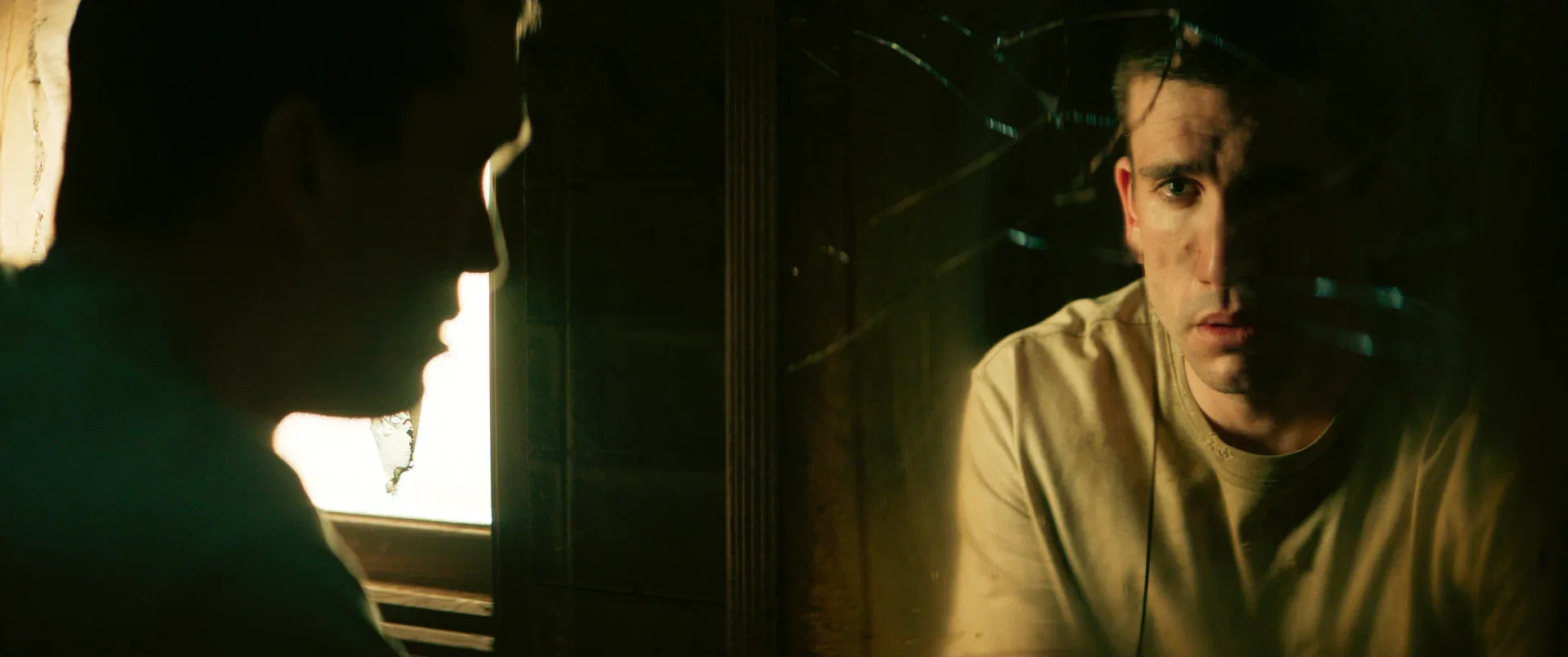
Spain, 2007. A family moves into a spacious mansion — mother (Belén Rueda), father (Fernando Cayo), adult sons David (Manuel Vega) and Mario (Jaime Lorente). Our focus is on Mario — anxious, taking pills, with poor memory of the past. Oddities begin immediately: one room is off-limits, strange sounds at night, and parents react to any questions with suspicious calm. One rainy night, the brothers go for a walk, and David is kidnapped right before Mario's eyes.
After some time, David returns but doesn't remember what happened. Mario is sure: this is not his brother. From this moment, the film truly begins to draw you in.
"The Illusion of Murder" is a remake of the South Korean thriller "The Night of Remembrance" (2017), and this is an important context. The Korean original was tied to a specific time and place — economic crisis, national trauma. Santana deliberately sheds this burden, betting on pure genre. Sometimes this works, sometimes it doesn't.
Paranoia as a Genre
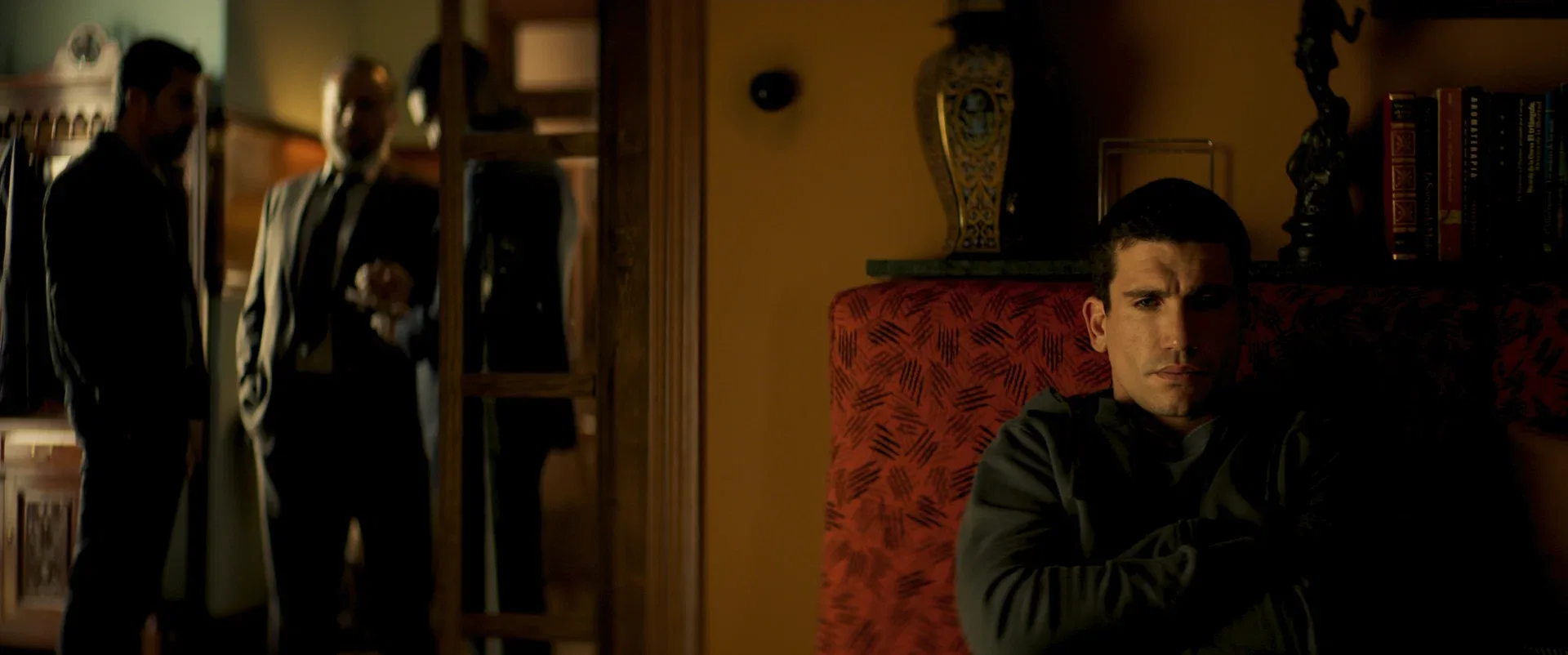
The film's strong point is the first half. Santana skillfully builds atmosphere: an unreliable narrator, mysterious flashbacks, a family clearly hiding something, and a mansion with a locked door behind which something glows.
Jaime Lorente, the actor known from "Money Heist," holds attention as best he can. His Mario balances between paranoia and common sense so convincingly that the viewer, along with him, begins to doubt: who here is actually sane?
The cinematography supports this feeling: rain, darkness, narrow corridors. It's all fairly standard but executed neatly and professionally. The suspense here is not aggressive but rather nagging — like a tooth that aches at night. The atmosphere of a house where every conversation sounds strange is built with the right degree of precision.
Many Twists, Little Breathing Room
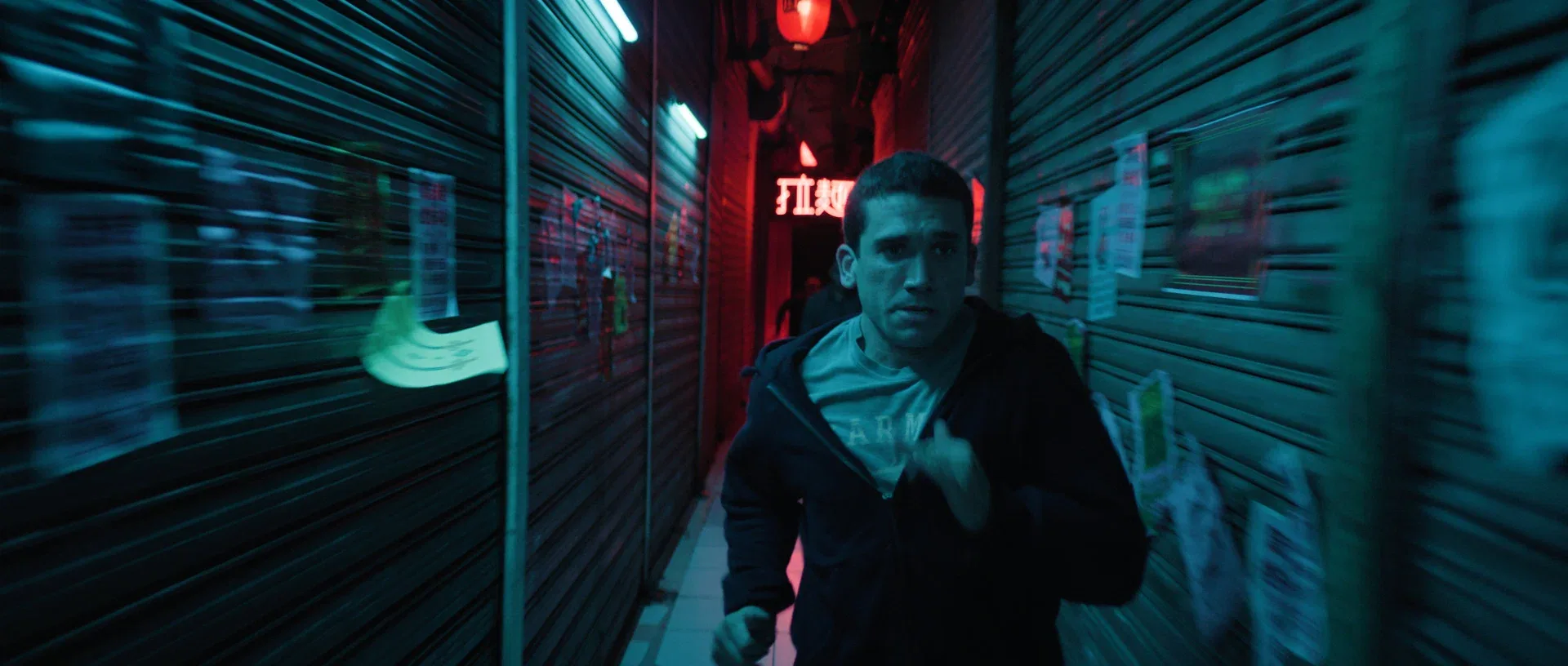
The problem begins where the film needs to start explaining what's happening. "The Illusion of Murder" is one of those thrillers where each new scene adds another revelation, and somewhere around the middle of the second act, these revelations start piling up faster than you can digest them. One plot twist latches onto another, a third cancels out the second, and this carousel gradually turns a psychological thriller into something between a puzzle and a Spanish-style soap opera.
The characters have no personalities, only strictly functional duties. For example, the parents exist as plot devices rather than people, and this hurts emotional engagement. When you're presented with a family drama you haven't had time to invest sympathy in, the reaction is more intellectual than visceral. Belén Rueda, a landmark actress in Spanish cinema capable of filling a scene with a single look, is noticeably underutilized here. The film is too busy with twists to give actors space.
On the other hand, Santana doesn't pretend to be making Bergman. This is entertainment cinema that knows its rules and generally follows them. Genre clichés (rain, pills, unreliable memory) are used without irony and without shame.
The Spanish Answer to "Oldboy"?
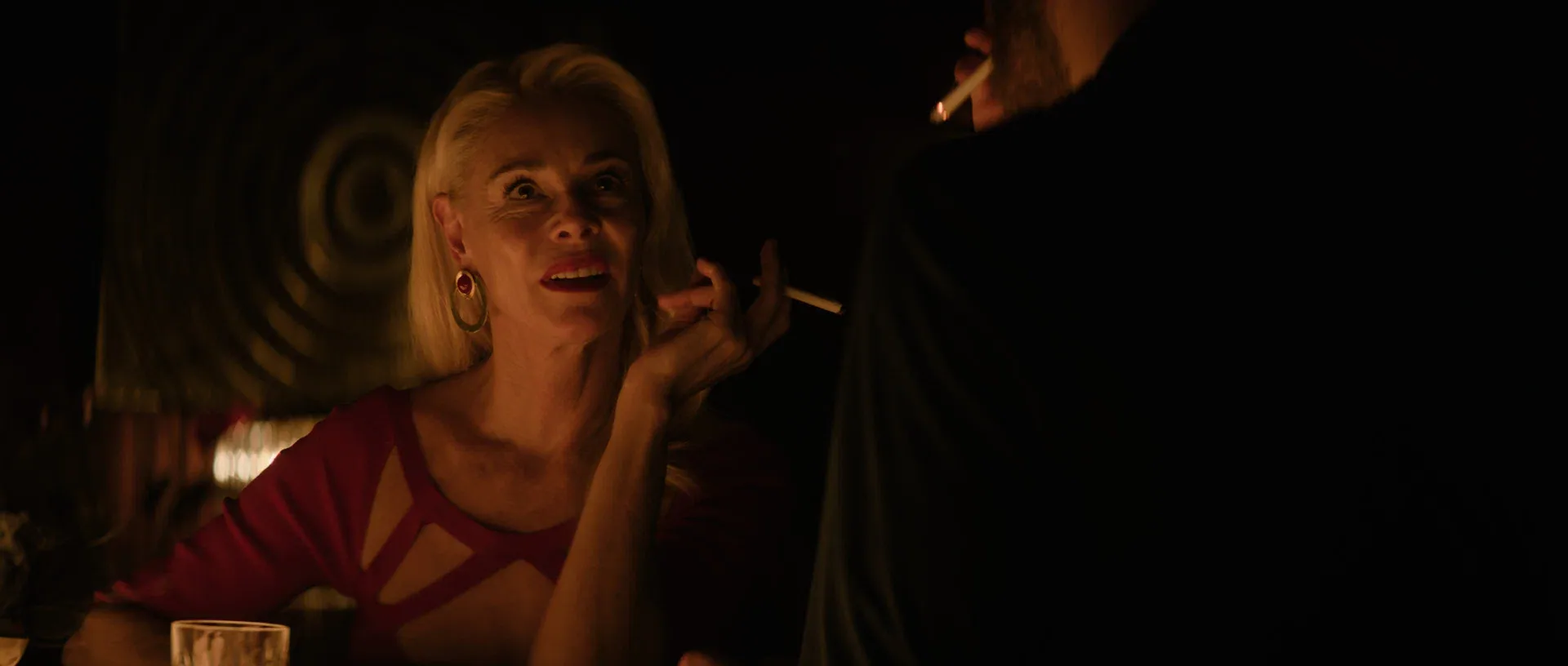
Marketers and PR people compare the film to "Oldboy" or "Gone Girl," but closer in spirit here is perhaps "The Invisible Guest" by Oriol Paulo. The same Spanish school of thriller, the same authorial interest in moral traps and questions about where truth ends and convenient lies begin.
"The Illusion of Murder" clearly doesn't reach the level of the best genre examples. It lacks depth and, perhaps, that one final scene that takes your breath away, like in "Oldboy." It's just a solid entertainment film with an engaging plot and working suspense.
Should You Watch It?
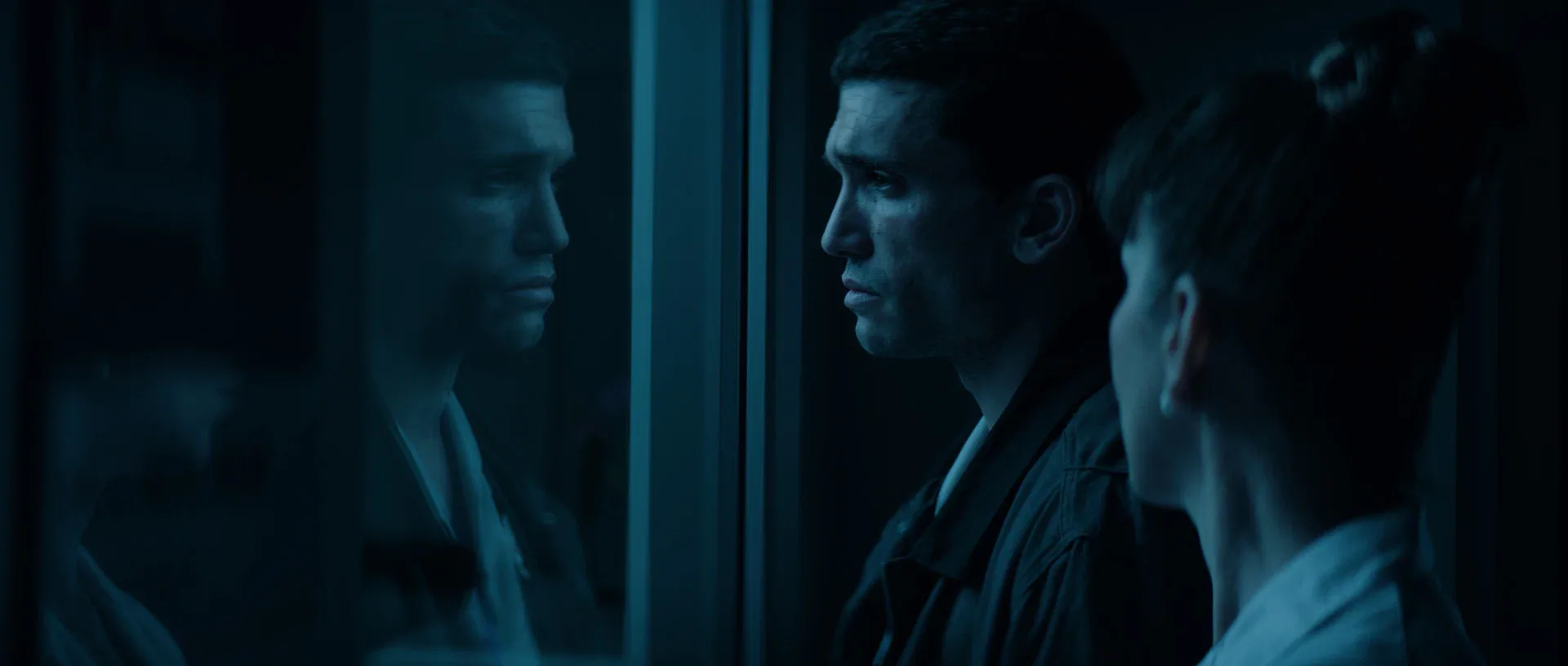
Jacob Santana has made a promising debut. You can already feel the hand of someone who knows how to build tension and understands how viewer interest works. But for now, he lacks an understanding that the story itself, its depth, its characters are more important than technique — and this, by and large, is the only thing separating "The Illusion of Murder" from a truly strong thriller.
If you're ready to accept the rules of the game and don't demand revelations from genre cinema, this is a perfectly decent choice for a Friday night. It's best watched alone and without previewing trailers.
Commentaires
0Aucun commentaire pour le moment.
Connectez-vous pour participer à la discussion.