
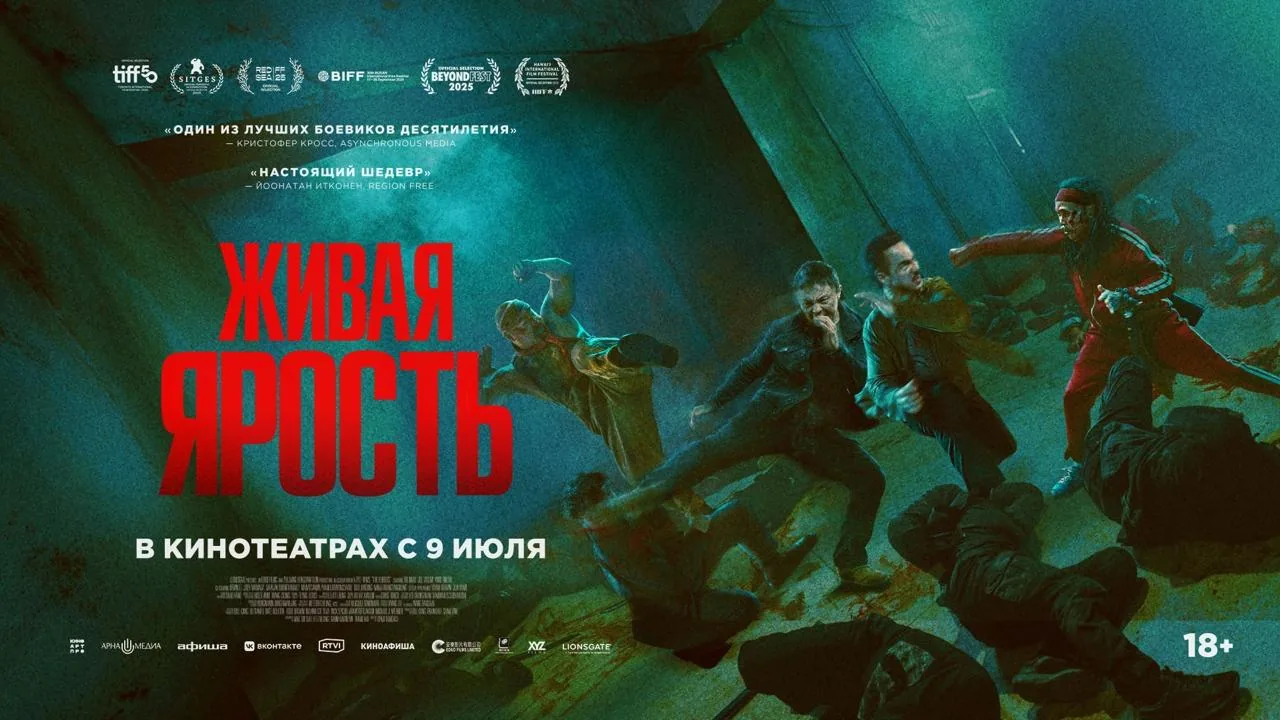
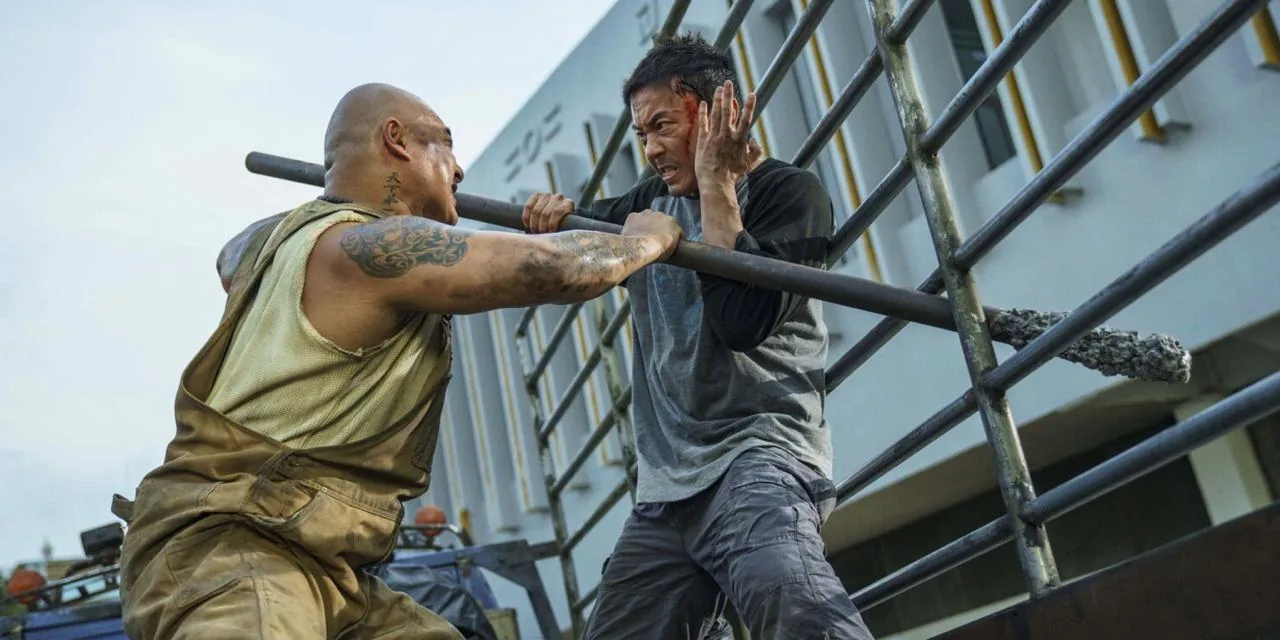
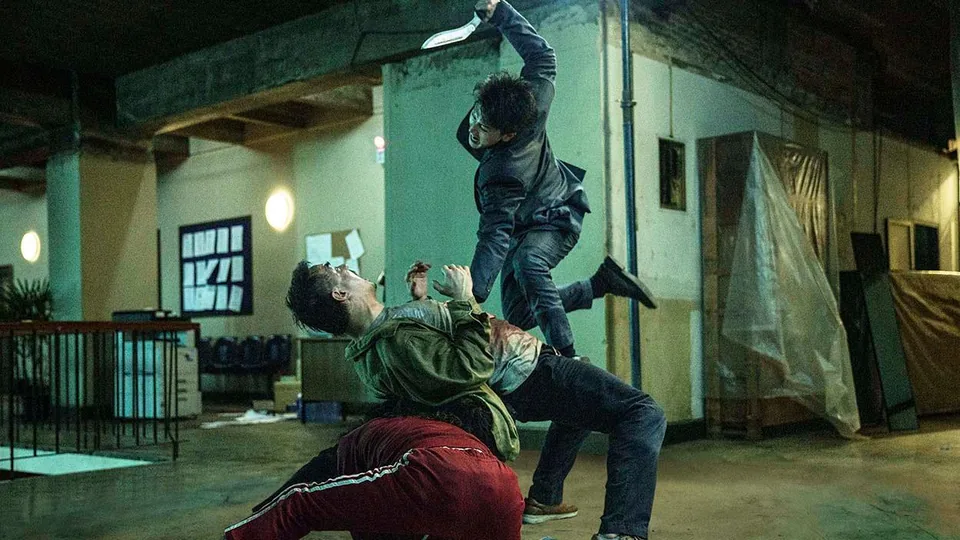
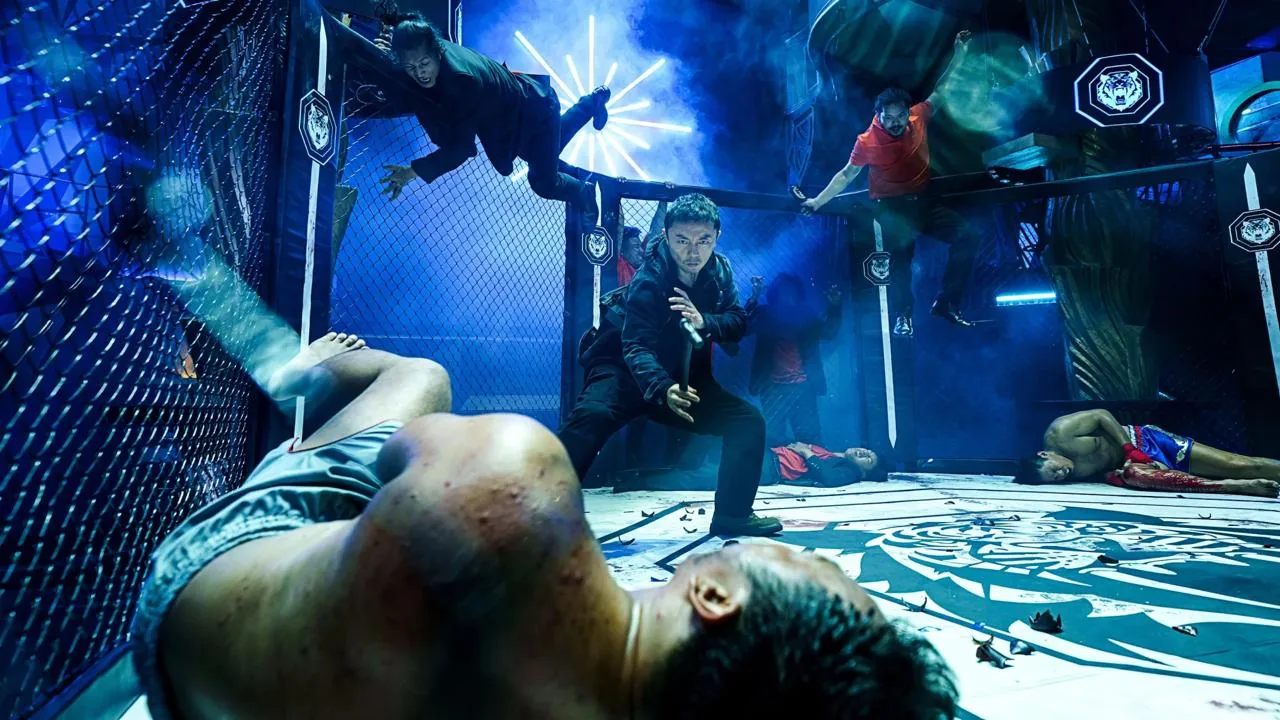
The Chinese original title of the film has a literal translation - "flame blinds the eyes." This is a saying about blind rage, and after watching, it seems to describe equally well the film's characters, the director, and you during the viewing. And the speed here is no less than in the almost eponymous Universal franchise.
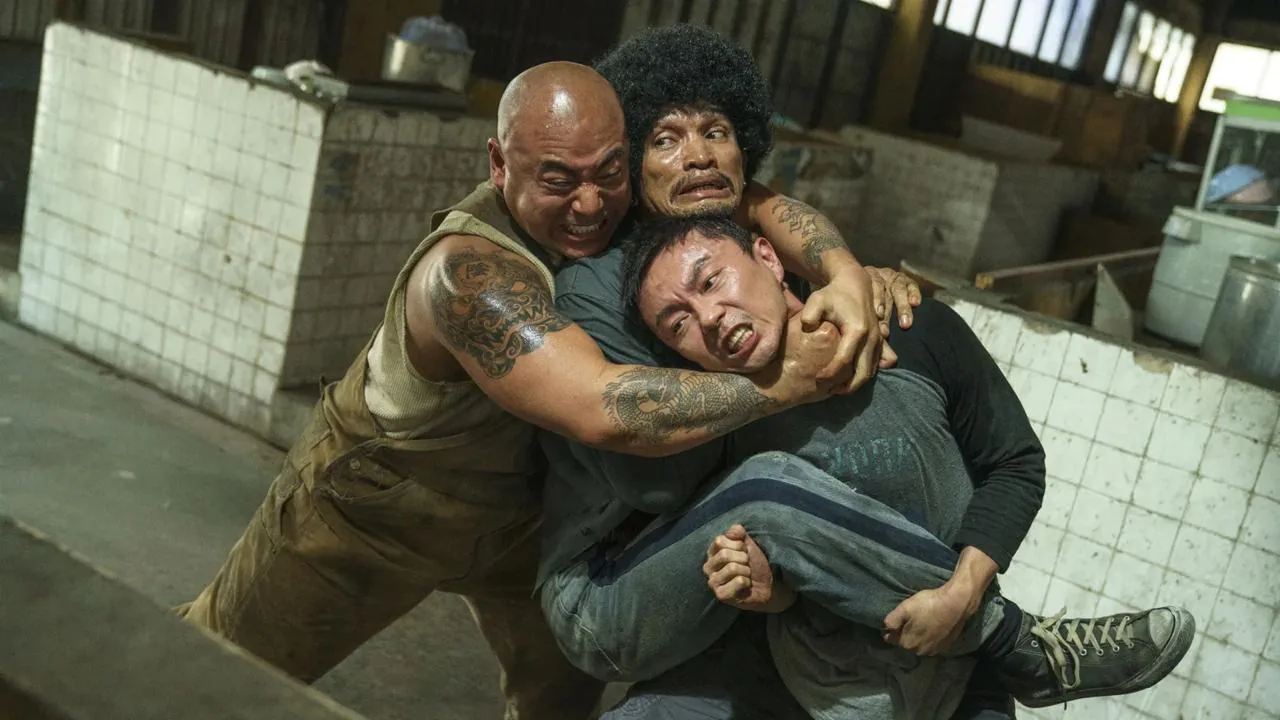
Although the rage here is more mute. One of the main characters is physically unable to speak, the other simply has no time - he has to fight. Who needs words when there are fists, elbows, and heavier things? And so for nearly two hours: to the crunch of bones and without pauses to think. The plot here is a pure function; it exists solely to give the characters a reason to end up fifteen times in a room full of people who need to be taken apart.
Director Kenji Tanigaki spent twenty years staging fights for other people's films - the classic "SPL" and "Flash Point," the recent hit "Twilight of the Warriors: Walled In" - and finally got the director's chair for himself. And since he got his hands on it, he couldn't deny himself the pleasure of assembling a world team of hand-to-hand combat on screen. Take any notable Asian action film of recent years from "The Raid" to "The Night Comes for Us," and you'll see familiar faces.
It's clear that comparisons are inevitable - primarily with "The Raid." Surprisingly, over the past 15 years, nothing equal in terms of staging has appeared in the genre, although many have tried. Some cranked up the level of cruelty to the max, others pressed cheat codes in the form of stars or budgets, but no film has yet been able to approach "The Raid" in terms of choreography coherence, variety of staging solutions, and some incredible physicality of the fights themselves.
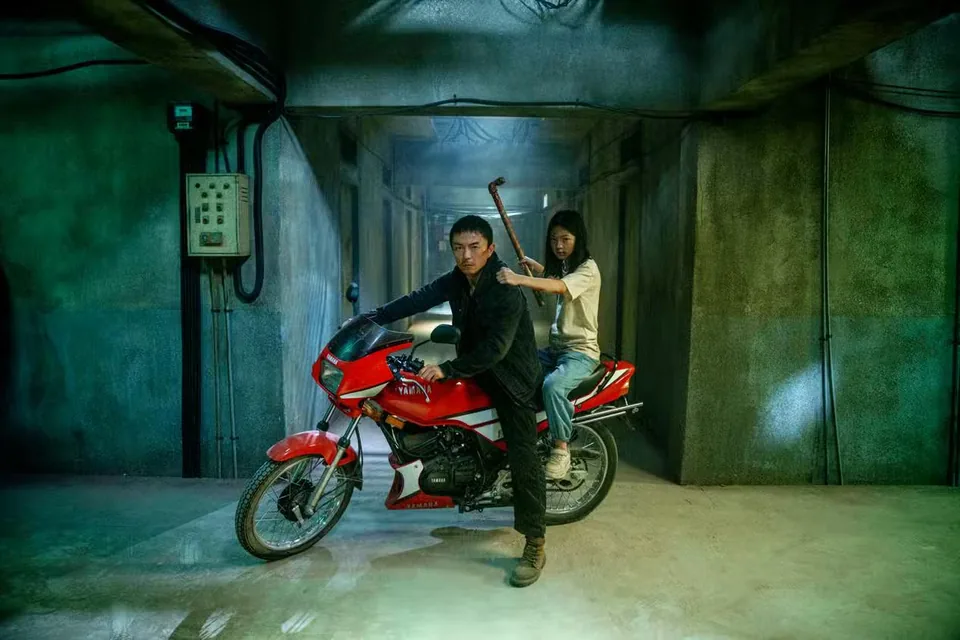
"Living Rage" not only approached but became a new benchmark. Every fight is a struggle for survival, not just a spectacular scene. A dialogue, not an exchange of beautiful blows. The only logical continuation of the heroes' desperation, not a dumb meat grinder. And all this builds up with pauses and climax - like a symphonic score. You've just caught your breath after the fight at the ice factory, and here comes a motorcycle ride down the corridor. And then the police station happens. The final fight was filmed over eighteen days. Eighteen. Days.
And no CGI, no slow-motion cuts, no shaky editing - here people REALLY know how to fight and aren't afraid to show it. No balletic cleanliness of "John Wick" and acrobatic conventionality of "wire" kung fu. This is closer to the action films of Hong Kong's golden era, only with a 21st-century budget and ambitions. Yes, the plot noticeably lacks meat, the dialogues are sometimes wooden, and the English dubbing grates on the ears - but hello, are you really here for that?
No, you're here for that primal delight that turns on in a person when seeing a well-staged fight. The delight that makes you want to rewatch the same scene frame by frame: just to understand how they did it. So pure that you want to immediately text all your friends during the end credits - or write this text.
Guys, we've waited. A new benchmark, no discounts or reservations. Finally, there's a new sheriff in the genre, and the hat fits him perfectly.
#watched_movie
Comments
0No comments yet.
Sign in to join the discussion.