
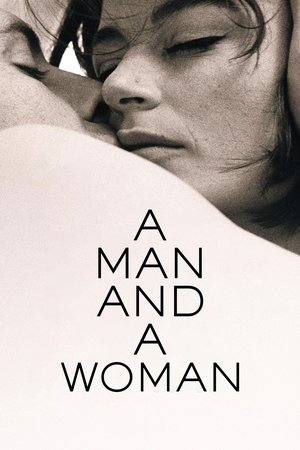
How wonderful that in the world there are men and women, distances and cars to overcome them, the deserted beaches of Deauville, and a few train stations. It seems that it is at these points that the heart begins to beat in a syncopated rhythm.
Claude Lelouch shoots “A Man and a Woman” as if love is impossible without movement. Anne Gauthier (Anouk Aimée) and Jean-Louis Duroc (Jean-Louis Trintignant) are almost constantly on the move: they drive along the highway, board a train, run towards each other, cross city streets. The space between people turns out to be no less important than the meetings themselves. Love is born not at the moment of confession, but in the anticipation of the next glance, phone call, road.
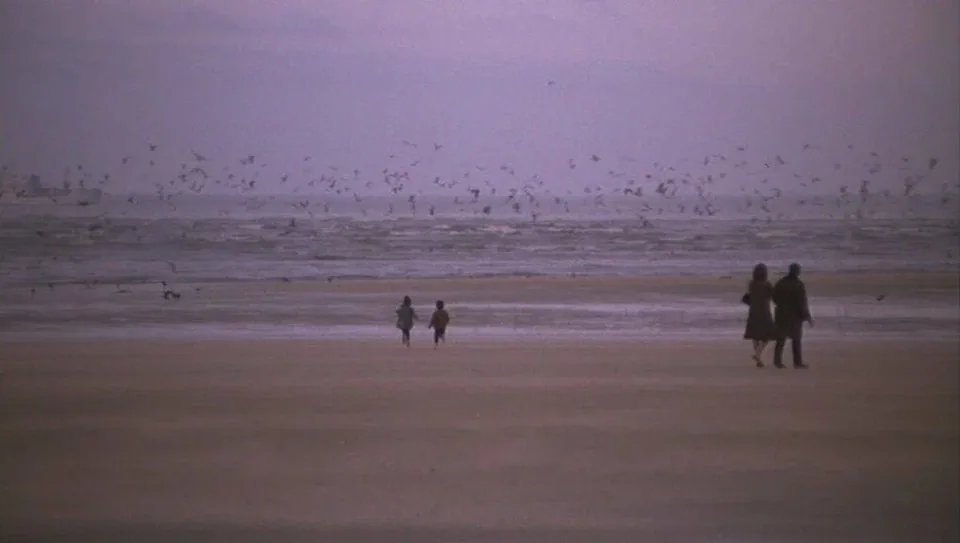
Here are a few things you want to do after watching “A Man and a Woman”: walk through winter France in a gray cardigan, wear fur collars, miss the train, go boating surrounded by loved ones, draw eyeliner and adjust your voluminous bangs, throw yourself into embraces and look into each other’s eyes for as long as your heart commands.
Perhaps this is what distinguishes great romantic cinema from a merely beautiful love story. It doesn’t make you dream about a specific person, but rather restores the desire to live and fall in love. After watching the film, you want to look more closely at passersby, drive without a specific destination, catch the winter sun in the windshield of a car. Lelouch reminds us that romance is born in everyday life. You just need to learn to notice it among ordinary things.
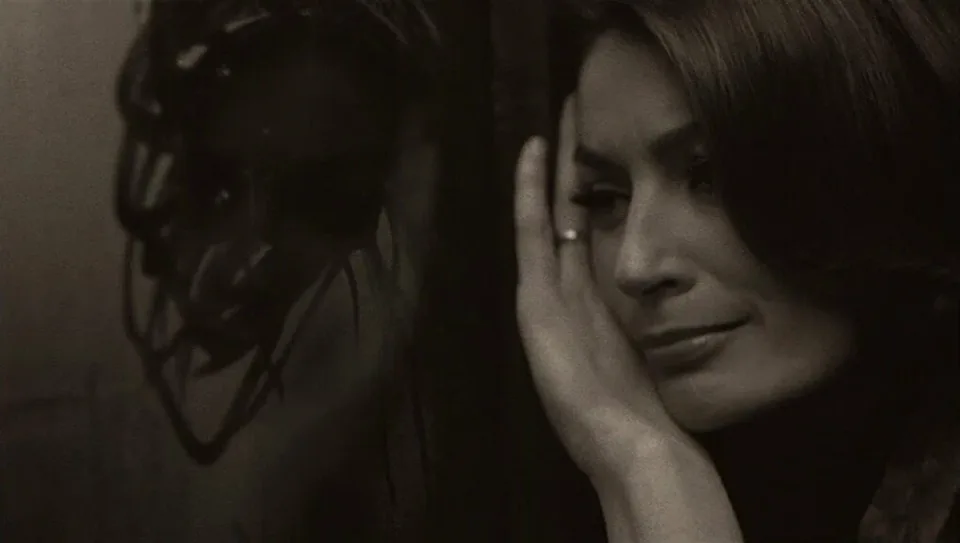
Love and car racing—something familiar we read in “Heaven Has No Favorites” a few years earlier. However, Claude Lelouch, unlike Erich Maria Remarque, spares each participant in this story, allowing them to experience the main traumas outside the narrative frame. Anne Gauthier and Jean-Louis Duroc are true darlings of fate. They are capable of loving despite everything, and the viewer can envy them for that.
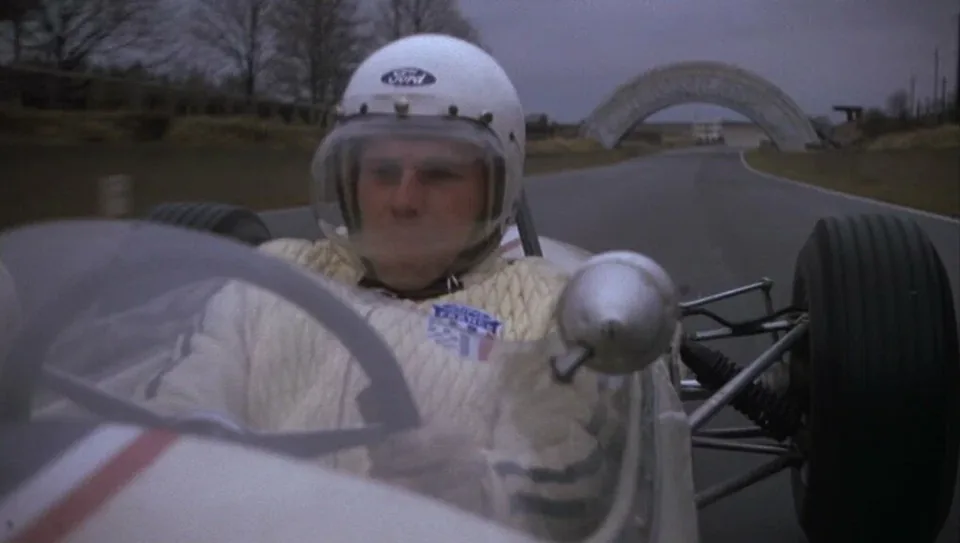
The most amazing thing is that tragedy in this film does not come to the forefront, but exists in the background, reminding of itself only a few times. Claude Lelouch almost never shows anything directly; the past exists in fragments of memory, brief flashes, random thoughts. Every adult enters a new relationship not alone. Along with them come losses, fears, former love, guilt. Love does not erase the past, but ceases to see it as a sentence.
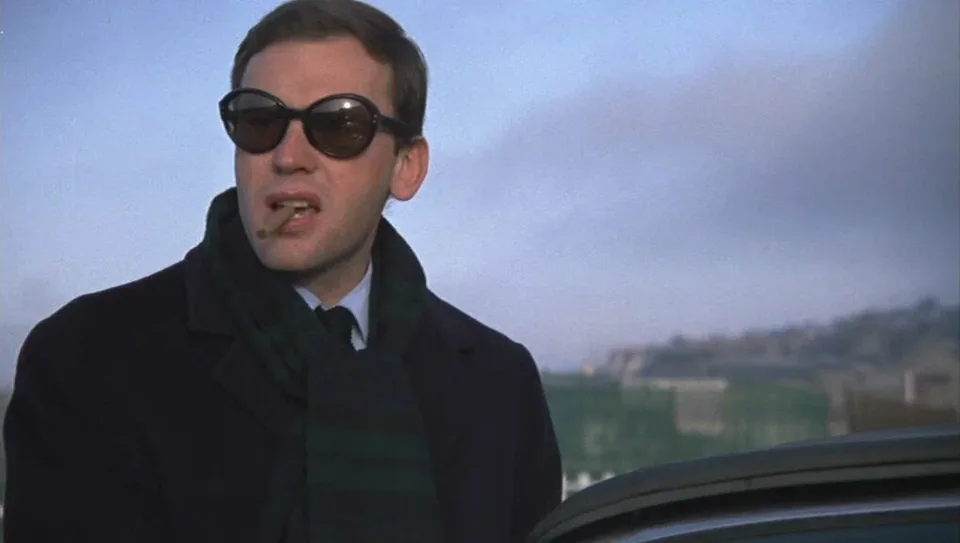
If you look at this film through a modern lens, of course, some of the characters’ actions resemble “Obsession” by Kari Barker. And yet, the feelings of the Man and the Woman do not need such a lens. Trying to interpret classic works with new ethics will only bring disappointment. So Anne Gauthier and Jean-Louis Duroc do not need our blessing.
Classic cinema rarely asks the viewer for a moral judgment. It leaves the viewer the status of an observer, not a judge. That is why Lelouch’s characters still seem alive. They are imperfect, not always consistent, sometimes do things that today would certainly raise questions. But feelings exist according to their own laws, and Claude Lelouch deliberately does not try to bring them into line with social expectations.
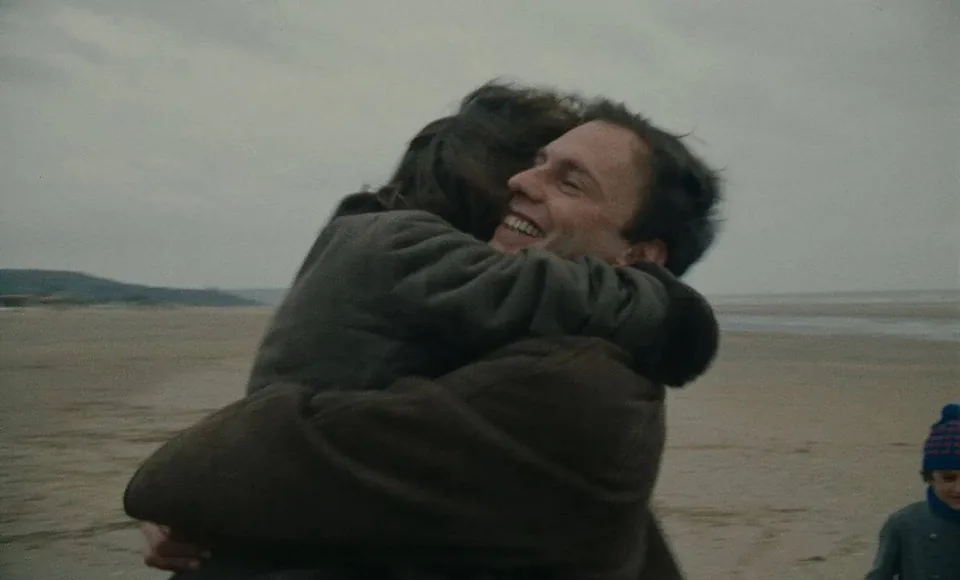
The music by Francis Lai plays a special role in the film. The famous “da-ba-da-ba-da” has long become an independent cultural symbol, recognized even by those who have never seen “A Man and a Woman.” But in the film itself, this melody works differently. It anticipates a deep feeling, appears with a few notes at the first meeting and develops fully in the climactic scene. Music becomes an extension of the gaze, helps to say what cannot yet be verbalized. It is amazing how a simple theme can contain an entire love story—timid, awkward, happy, and at the same time doomed to a bright memory, a flash.
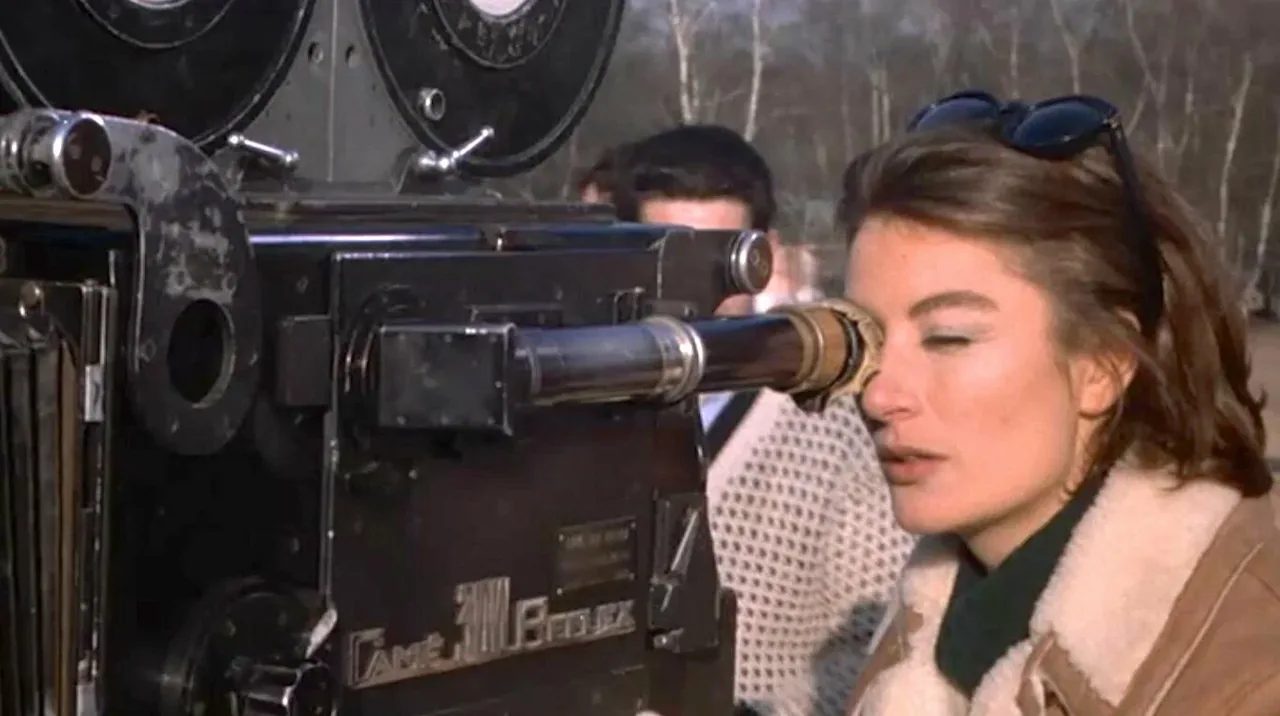
No less amazing is the story of the film’s creation itself. After several commercial failures, Lelouch found himself in the position of a director with almost nothing to lose. The film was shot on a limited budget, on real locations, with minimal equipment and a great deal of improvisation. The alternation of color and black-and-white film, which today seems like a refined artistic device, was born not only from aesthetic choice but also from production necessity. And, as often happens in cinema, limitations unexpectedly became a source of freedom. Thanks to them, the film retained a sense of documentary immediacy, as if the camera accidentally found itself next to two people who were lucky enough to meet each other.
Claude Lelouch carefully pushes everyday problems into the background, allowing his characters to love. He seems to cut out a few days from time, during which one can forget about work, money, social roles, and simply observe how two people gradually stop being afraid of their own happiness. It seems that this ability to protect feeling from everything superfluous is what made the film one of the most poignant love stories in European cinema.
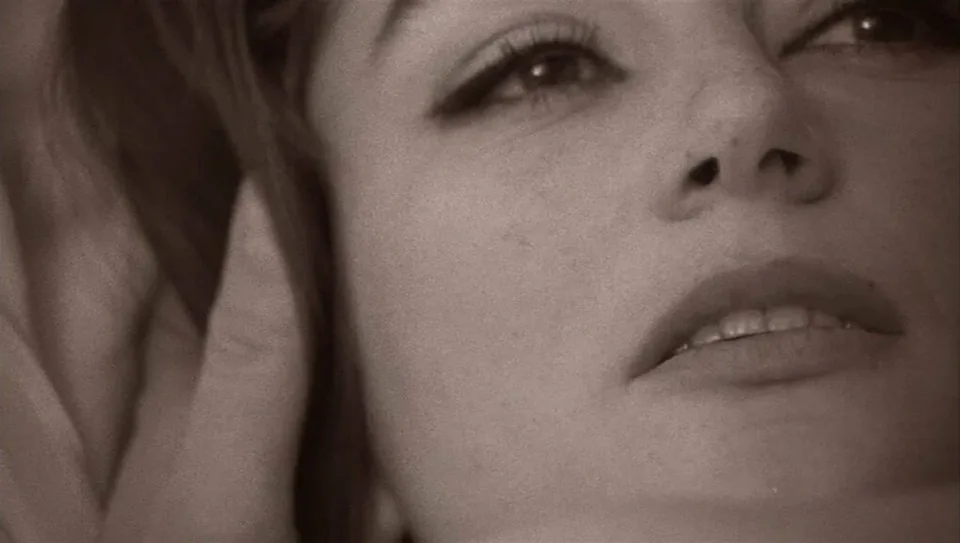
The avatars of our love tend to evaporate. But that very embrace of Anouk Aimée and Jean-Louis Trintignant will forever remain in film history as the highest point of intensity of a tender feeling. It seems as if this light flight, accompanied by an unobtrusive melody, radiates a special light. Despite the brevity of the first wave of love, viewers have an eternal reminder that these are exactly the experiences worth waiting for.
Perhaps that is why the film’s ending is not perceived as a full stop. Lelouch does not so much tell a love story as capture the moment when two people decide to trust life. The rest is off-screen. Will they be happy? Unknown. But cinema can rarely give anything more valuable than a sense of possibility. “A Man and a Woman” ends exactly at the moment when the viewer themselves begin to believe: after the heaviest losses, the heart is still capable of recognizing another person.
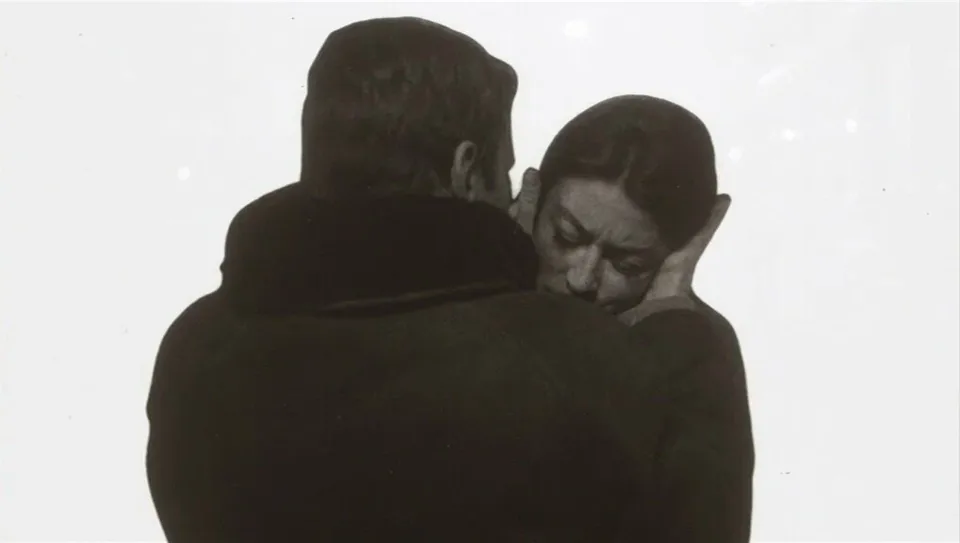
Love triumphs over despair. It seems that this is all you need to remember to be reconciled with life. Claude Lelouch’s masterpiece has returned to theaters in 4K format for its 60th anniversary. You can see the iconic film on the big screen thanks to A-One.
Comments
0No comments yet.
Sign in to join the discussion.