

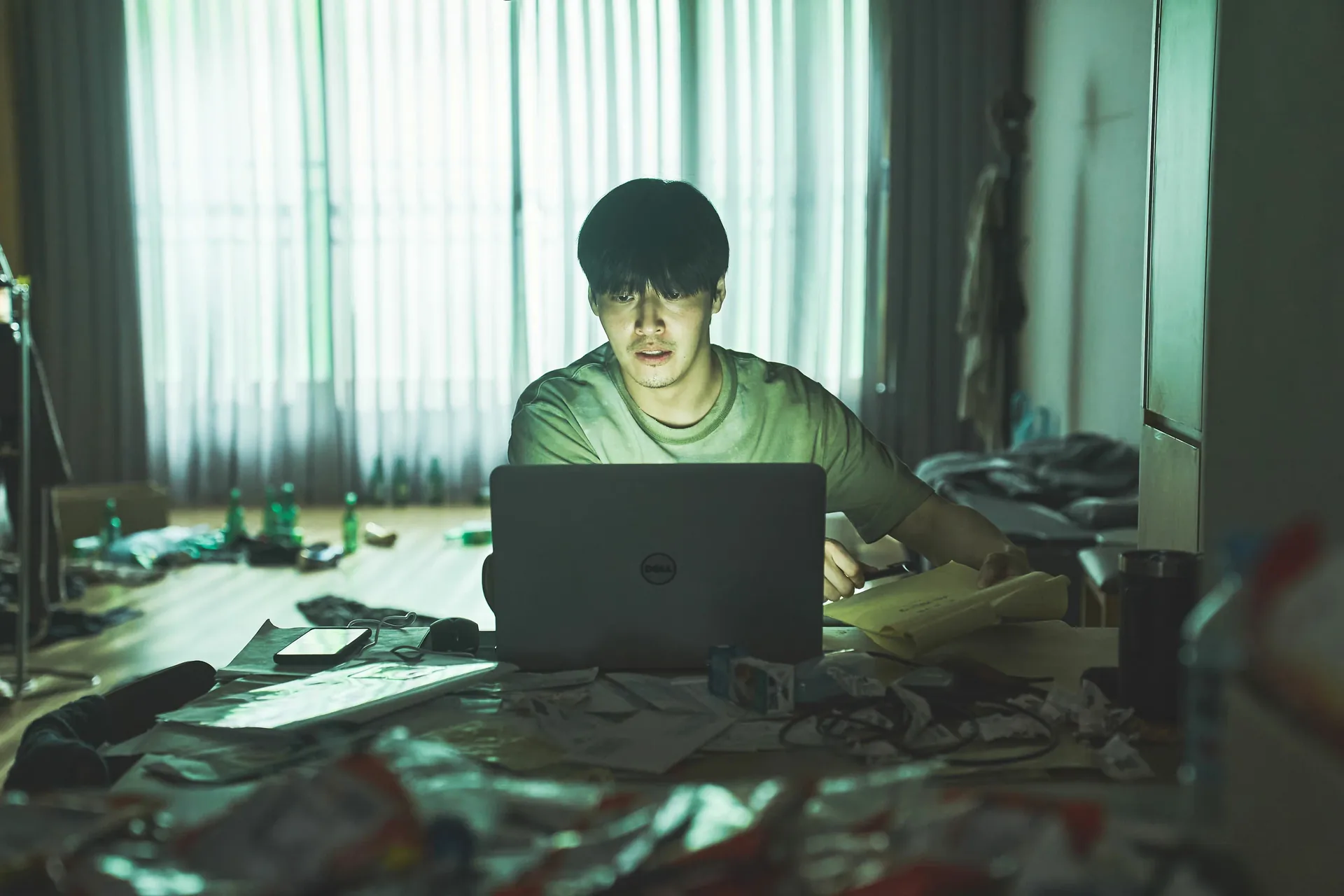
There is a type of panic familiar to anyone who has ever been stuck in an elevator between floors or sat too long in a crowded minibus. Korean directors seem to collect such moments specifically to later turn them into attractions for our nervous system. While Hollywood blockbusters blow up entire cities, Koreans have come up with a more refined torture — lock the hero in one room, car, or hole in the ground and watch how quickly his (and the viewer's) jaw starts to clench from tension.
The theme of confined space is generally some kind of national obsession for Korean cinema: from apartment squabbles to underground pits. And since the summer of 2026 turned out to be such that you want to hide in a cool movie theater and tremble at the misfortunes of others, it's time to recall 5 films that will make you want to open all the windows in the house.
“The Tunnel” (Teoneol, 2016)
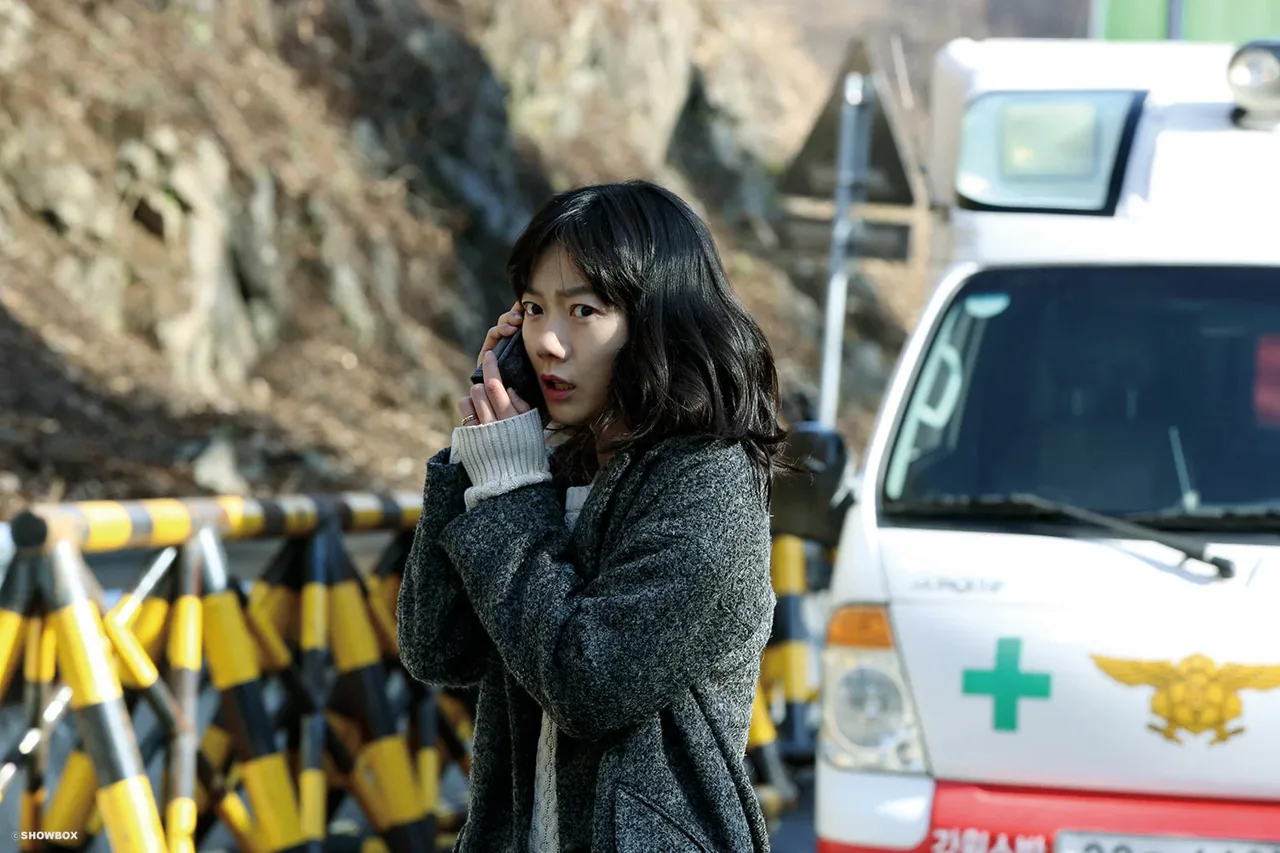
“The Tunnel” by Kim Seong-hun takes a very mundane situation — a man driving home with a cake for his daughter's birthday — and turns it into a nightmare when a newly built tunnel collapses right onto his car. The hero, played by Ha Jung-woo, finds himself buried alive under tons of concrete with a phone, 2 bottles of water, and that same cake, which over time becomes his only source of calories.
The film hooks you with an honest bureaucratic comedy of the absurd: while the hero counts the hours of his life under the rubble, officials above argue whether to continue the rescue operation, since it interferes with the opening of a new highway. The director deliberately moves away from the pathos of a disaster, focusing on the human factor and the absurdity of the system. The result is a rare case where a survival thriller suddenly turns into a biting social satire without losing a drop of tension.
“The Collapse” (Singkeuhol, 2021)
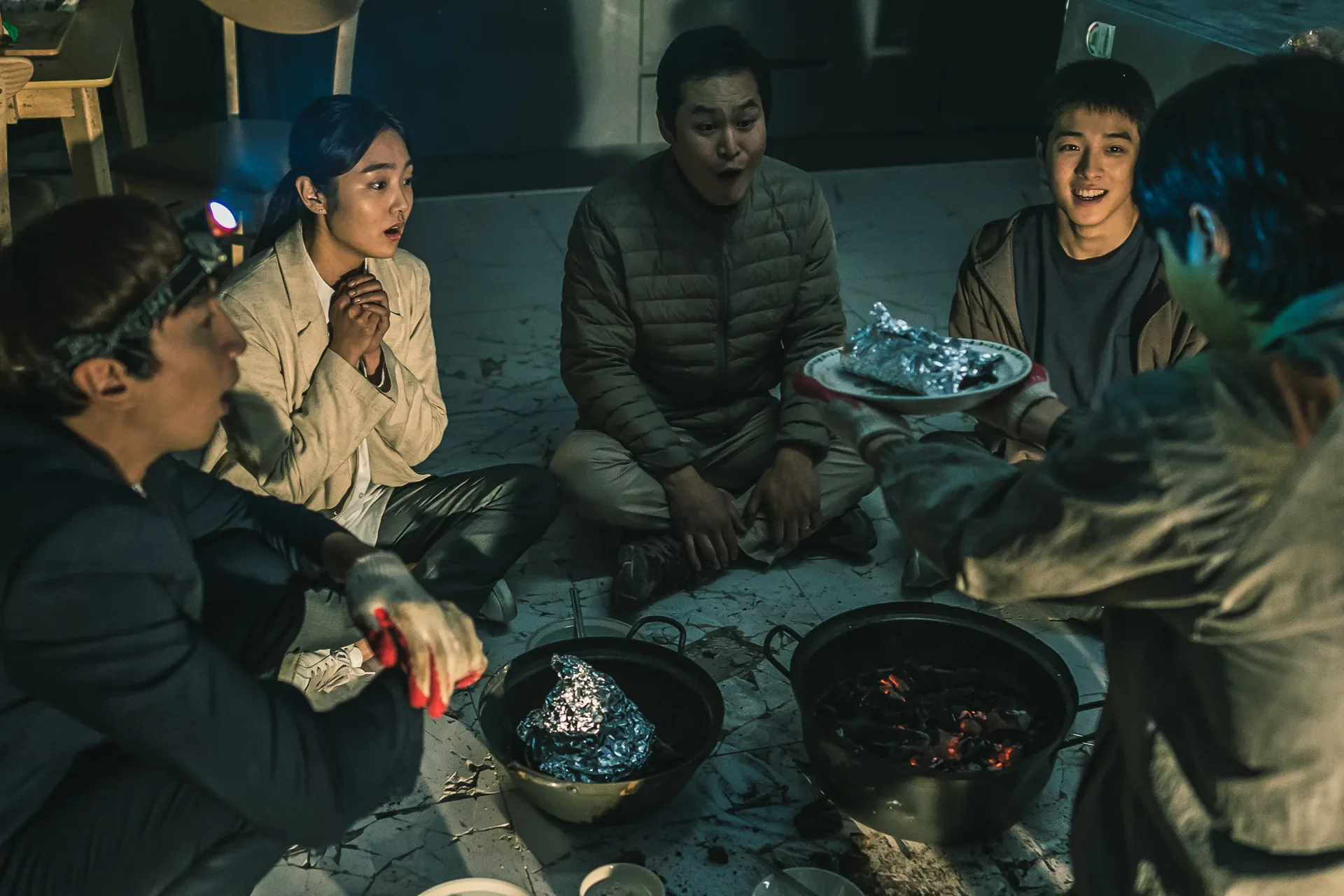
If “The Tunnel” scares you with the underground from the outside, then “The Collapse” decided to bury people along with their new building. A family finally celebrates a housewarming after 11 years of saving money — and on the very first night, the entire house falls into a giant sinkhole along with the guests. It's hard to imagine a more cynical metaphor for the Korean housing crisis: the dream of one's own corner literally sucks the heroes into the underworld.
Surprisingly, the film manages to be both a disaster and a comedy. While the characters sort out their relationships in the dark among the debris of furniture, the authors do not forget to joke about the disaster film genre itself, which makes viewing less traumatic than it might seem from the description. An excellent option if you want to be scared but don't want to spend 3 days recovering afterwards.
“84㎡” (84jegopmiteo, 2025)
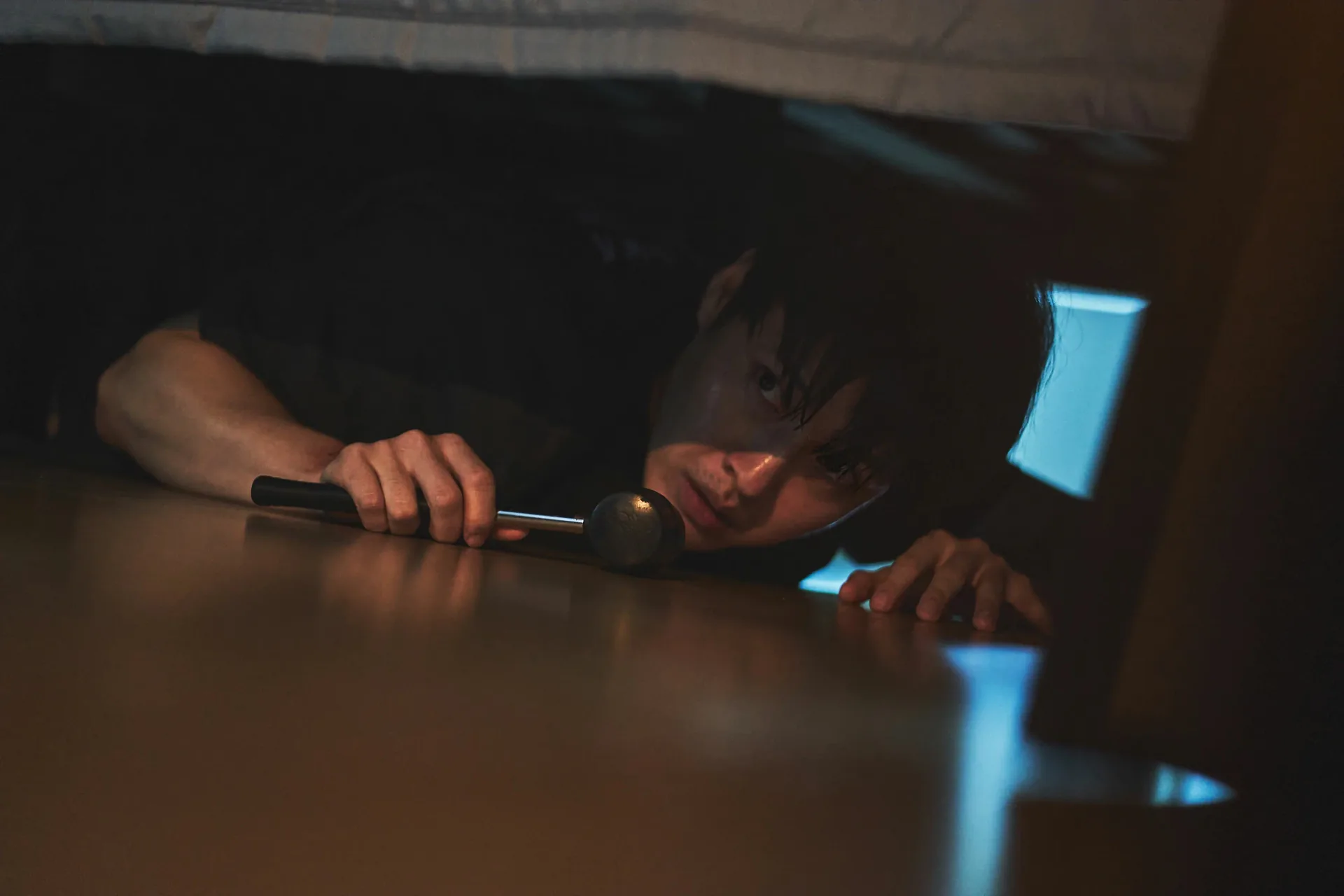
A fresh and particularly painful example for millennials is the 2025 hit from Netflix. Woo-sung sold his land, took out a loan, and even cashed out his cryptocurrency to buy his dream apartment in Seoul, but in return he got a debt pit and constantly complaining neighbors. Saving on everything, including electricity, the hero lives in a state of constant anxiety, until the knocking on the walls begins to feel like a personal hell.
The film is especially good in how the physical space of the apartment literally shrinks along with the hero's psyche — the authors play with stuffiness, crampedness, and the paranoid feeling that someone is watching you through your own walls. Later, the plot throws in a twist with the hacked internal network of the house, turning a domestic drama into an almost Hitchcockian thriller about surveillance.
“Countdown” (Balsinjehan, 2021)
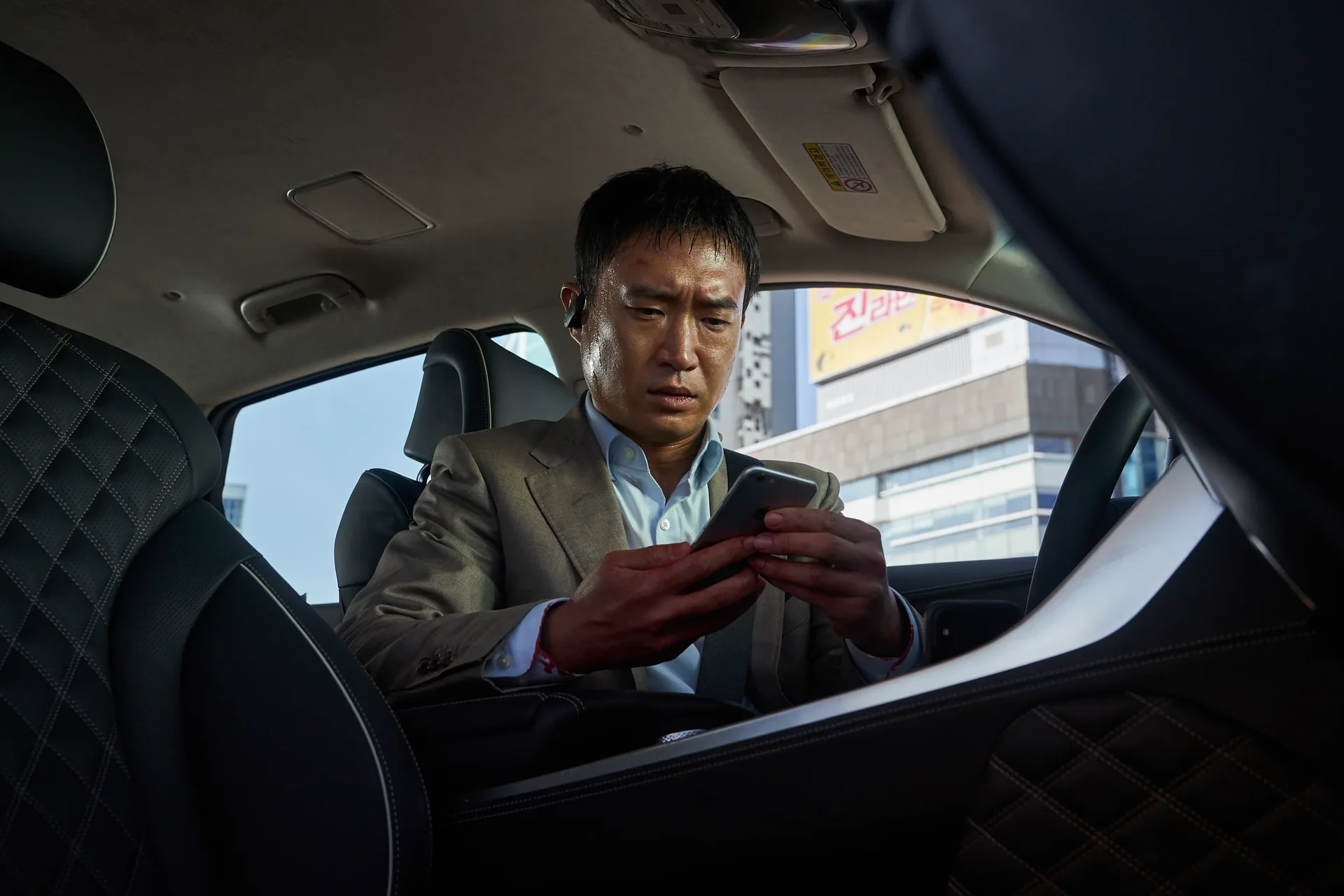
A car is the ideal setting for a thriller about a person trapped in a cage — you know, a small, moving one with limited air supply. “Countdown” uses this device as harshly as possible: bank manager Sung-gyu is driving his children to school when an unknown caller informs him that there is a bomb under the seat that will explode if anyone tries to leave the car.
The formula directly references “Speed,” but the Koreans add a signature ingredient — the hero's corrupt past, which slowly surfaces and explains why he became the victim. While the police consider Sung-gyu a suspect rather than a victim, the tension inside the car grows in sync with the distrust outside. The film maintains an exemplary pace for an hour and a half runtime, not giving the viewer a second to catch their breath.
“Door Lock” (Doeorak, 2018)
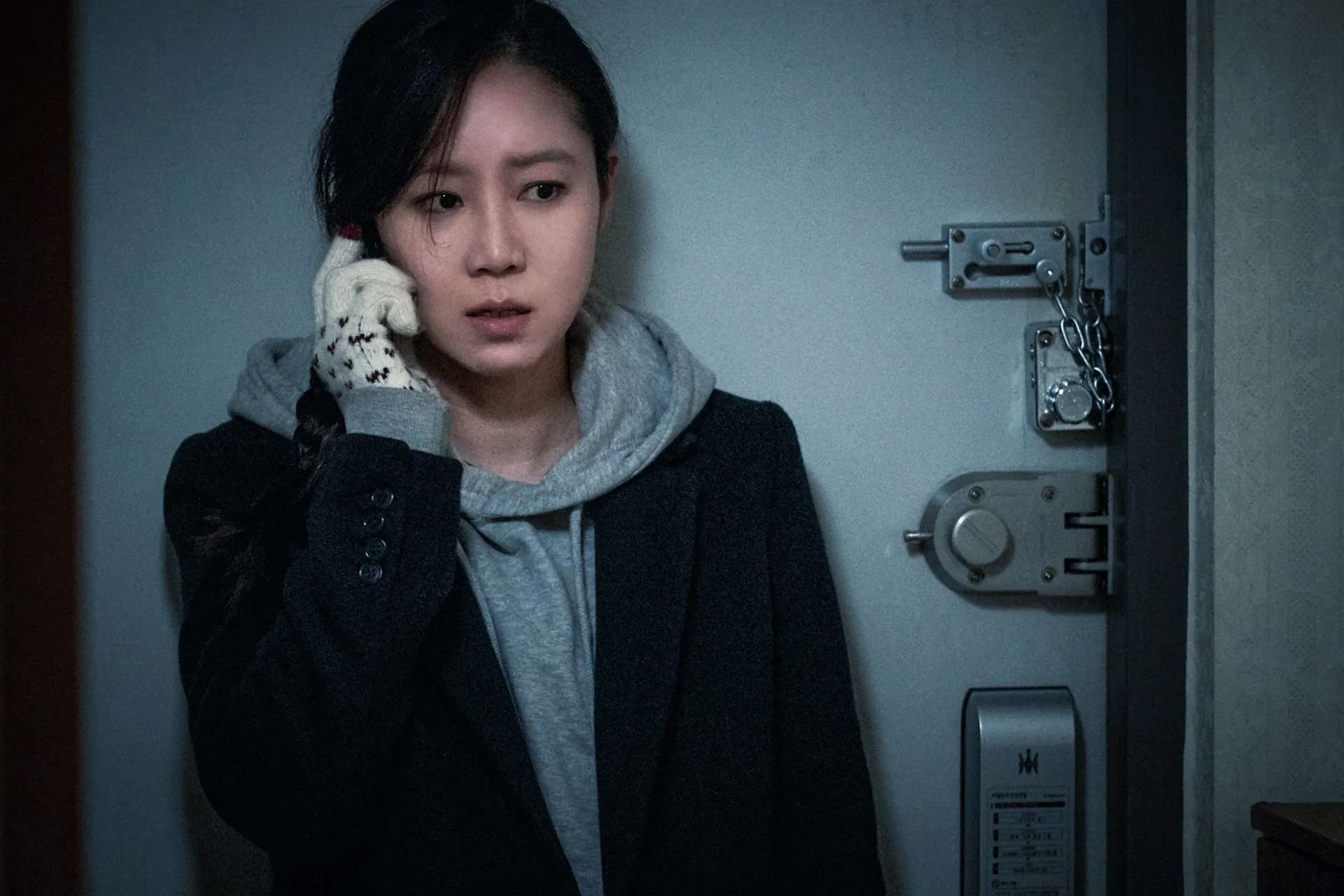
Completing our selection is a film that exploits the simplest fear of lonely residents of big cities — what if someone enters your apartment when you're not home? Kyung-min lives alone in a tiny studio and gradually notices signs of someone else's presence: doors left open, things moved, and so on.
Gradually, it turns out that the stranger is not just breaking in — he is literally hiding in her apartment, watching, and manipulating the space that should be the safest place on earth. The film turns the very architecture of the studio into a weapon against the heroine, because there is literally nowhere to hide physically. It is this feeling of intrusion into personal space that makes the film so unsettling, rather than a banal set of genre jump scares.
What unites all 5 stories is the rejection of large-scale sets in favor of an intimate, almost bodily fear. Korean authors know the main secret of claustrophobia: the smaller the space, the more human despair fits into it.
Comments
0No comments yet.
Sign in to join the discussion.