

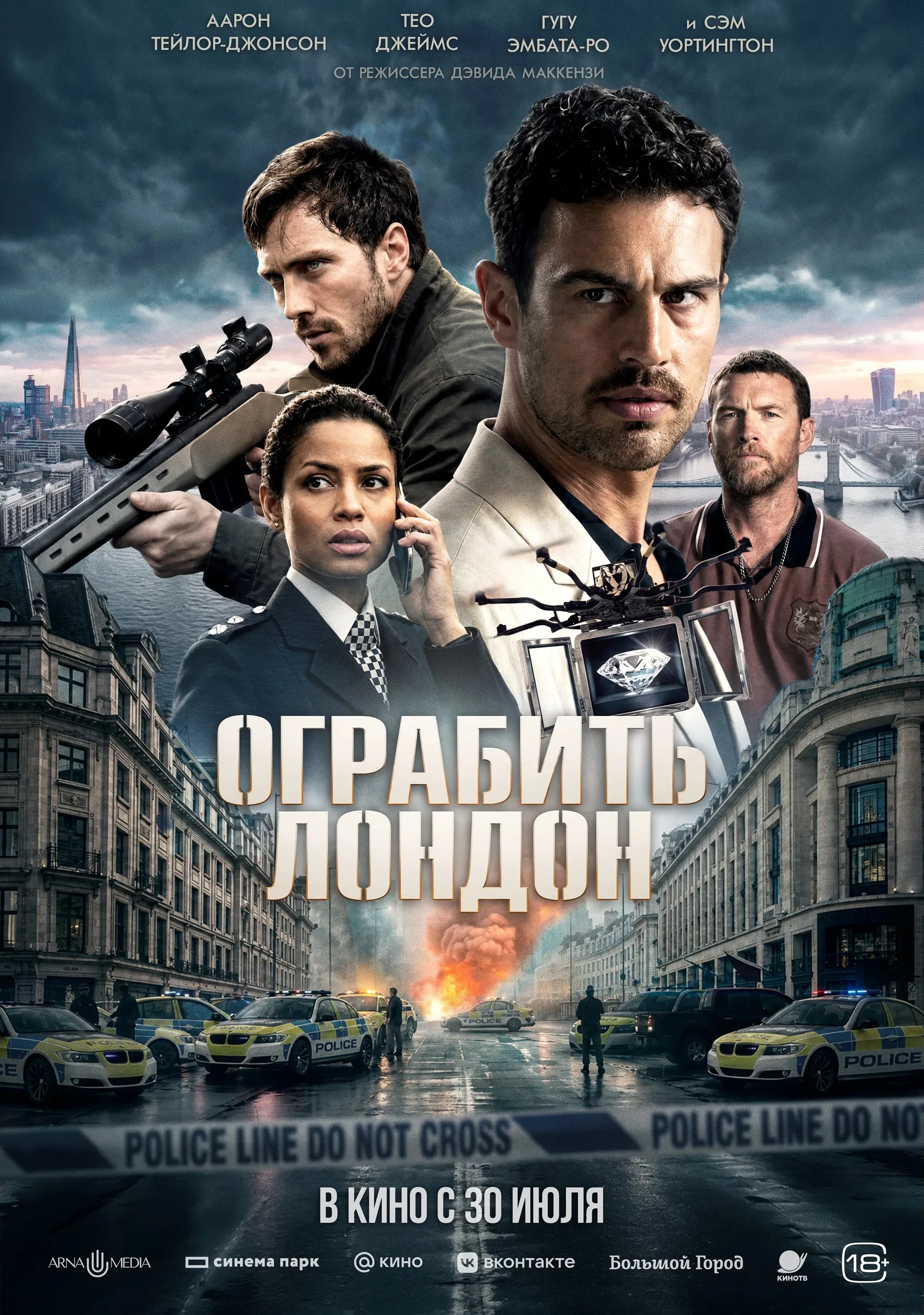
This week, a new action thriller by British director David Mackenzie (“Hell or High Water”) hits Russian screens. In it, Sam Worthington robs a bank, Aaron Taylor-Johnson defuses a bomb, and the audience watches without looking away.
One unremarkable gloomy morning in central London, construction workers discover an unexploded World War II bomb. Bomb disposal officer (Aaron Taylor-Johnson) is immediately dispatched to the dangerous find. While the area is hastily evacuated, a group of experienced burglars led by a local gangster (Sam Worthington) rob a bank. It all looks like a carefully planned operation. But at some point, the reliable plan falls apart, and it turns out that the circle of those involved in the heist is much wider than it seemed at first glance.
After the resounding success of “Hell or High Water”—a neo-Western that deservedly achieved cult status—director David Mackenzie could seemingly afford the luxury of choosing bigger and louder projects. But the British filmmaker didn’t rush things. Taking a pause, he seemed to give time to digest what had happened not only to audiences and critics but also to himself. Then he returned to his usual rhythm—a film a year, without trying to punch above his weight, staying within well-known genre confines. That is, good old action movies—without grand pretensions to blockbuster status, but well-crafted and solidly written.
In 2022, Mackenzie directed a couple of episodes of the series “Under the Banner of Heaven,” recognizing motifs close to him in Southern Gothic. And in 2024, he released the spy thriller “The Dispatcher”—a film where details like a cipher machine for the deaf-mute, which the hero used as a means of communication, and a paranoid atmosphere reminiscent of “The Conversation” and “Blow Out,” more than compensated for the simplistic plot and not overly sophisticated intrigue. The work was appreciated by both sides: critics for the ability to revive classic spy thrillers, audiences for the tightly crafted action.
And now, just a year later, Mackenzie (again without much fanfare) releases a new film— “Fuze.” The original title “Fuze” perhaps more accurately conveys the essence. This time, the director decided to work with a team of compatriots from the British Isles—possibly to cut costs. Accustomed to achieving maximum expressiveness with minimal means, Mackenzie easily handled what was clearly not a very generous budget.
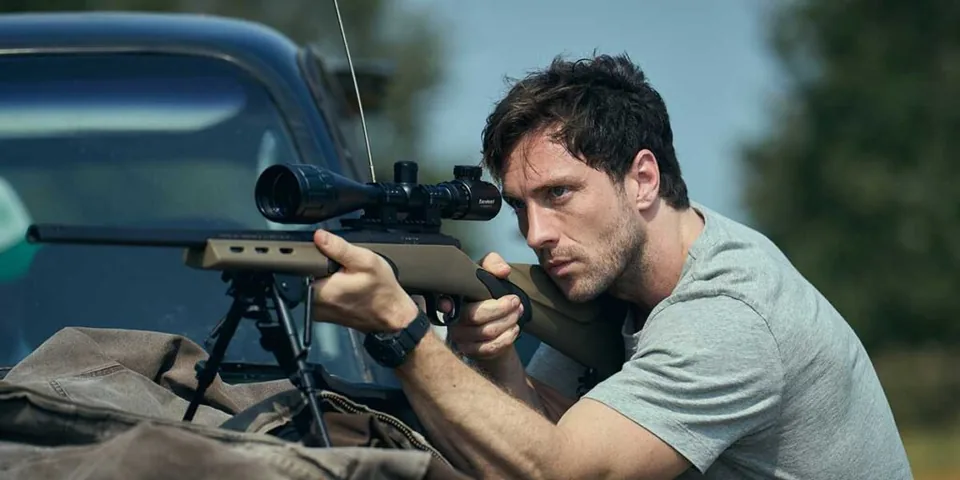
He cast Aaron Taylor-Johnson in the lead role (with each film he becomes more brutal and more willing to bare himself on camera), Sam Worthington (who already appeared in “The Dispatcher”) and Gugu Mbatha-Raw in smaller roles. And he gave maximum screen time to “The Lotus” star Theo James, whom one might initially mistake for the antagonist. But let’s say right away: he will have to change his mask more than once in the film.
The first fifteen to twenty minutes of “Fuze” resemble Michael Mann’s “Heat,” and then it turns into a plot labyrinth where a surprise awaits around every corner. With a runtime modest by today’s standards, the film is almost breathless—and stands head and shoulders above recent attempts in the same genre, such as “Den of Thieves” or “The Union”.
The secret, as always, is simple. Mackenzie prioritizes action and on-screen events over the characters’ internal monologues. First things first, as they say, and we can always have a heart-to-heart later. True, not all heroes are destined for this—some simply won’t live to see a heartfelt conversation. But that, of course, is a different story.
Mackenzie, meanwhile, doesn’t waste time: already in the opening credits, without unnecessary buildup, to a pulsating soundtrack, he plunges the viewer into the whirlwind of events of one gloomy London morning. The first third of the film is full of characters—their number may be slightly overwhelming at first. But the director has a role for each of them, so there will be no confusion. This inevitably recalls Guy Ritchie’s early work (especially given the final intrigue and suddenly appearing diamonds). And Mackenzie himself doesn’t seem to shy away from parallels: he makes it clear that this is perhaps the most British film in the Briton’s career in recent times.
Despite the obvious nods to recognized masters of the genre, Mackenzie stubbornly avoids the risk of dissolving into others’ intonations without his own authorial vision. Therefore, in a film about a bank heist, there is minimal shooting but maximum hard work.
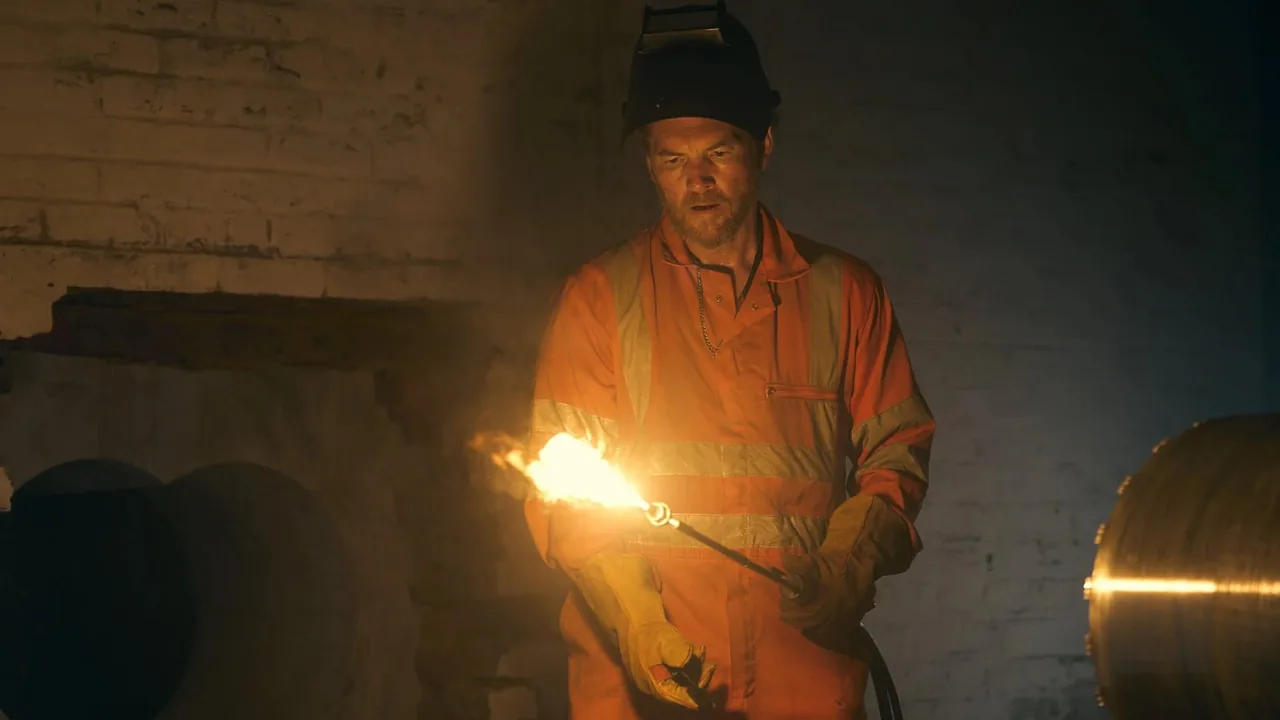
Worthington and his crew sweat as they drill walls, don’t shy away from sewers, and swing sledgehammers. The brave bomb disposal officer played by Johnson defuses an old bomb, using the entire arsenal of tools—from a simple stethoscope to complex magnetic mechanisms. Constables mobilize forces and evacuate the area where the deadly find was discovered. In short, everyone in the film works in one way or another.
And Mackenzie, who has never missed an opportunity to kick capitalism, in “Fuze” again does not deny himself this pleasure—if not glorifying individual human labor (after all, it’s about a heist), then treating everything else with all due respect. As for the bomb around which the whole action revolves, it is not just a plot artifact but an alarming echo that has been heard more and more clearly lately.
Mackenzie does not warn or remind, not elevating himself above others—his role is modest, like the film itself. He, like us, simply follows the news.
Comments
0No comments yet.
Sign in to join the discussion.