

Welcome to an Indonesian prison where gangs divide territory by square centimeters, and entertainment consists of fights, dances, and prayers. Add to that a supernatural force that dismembers people with the aesthetics of modern art installations, and you get “Ghost in a Cage” — a film clearly made by people who have watched not only classic horrors but also production dramas about corruption. Indonesian director Joko Anwar, known for his love of rural chthonic and social subtexts, decided this time that one genre was not enough and generously mixed horror, action, and outright comedy into the pot.
What the Film “Ghost in a Cage” Is About
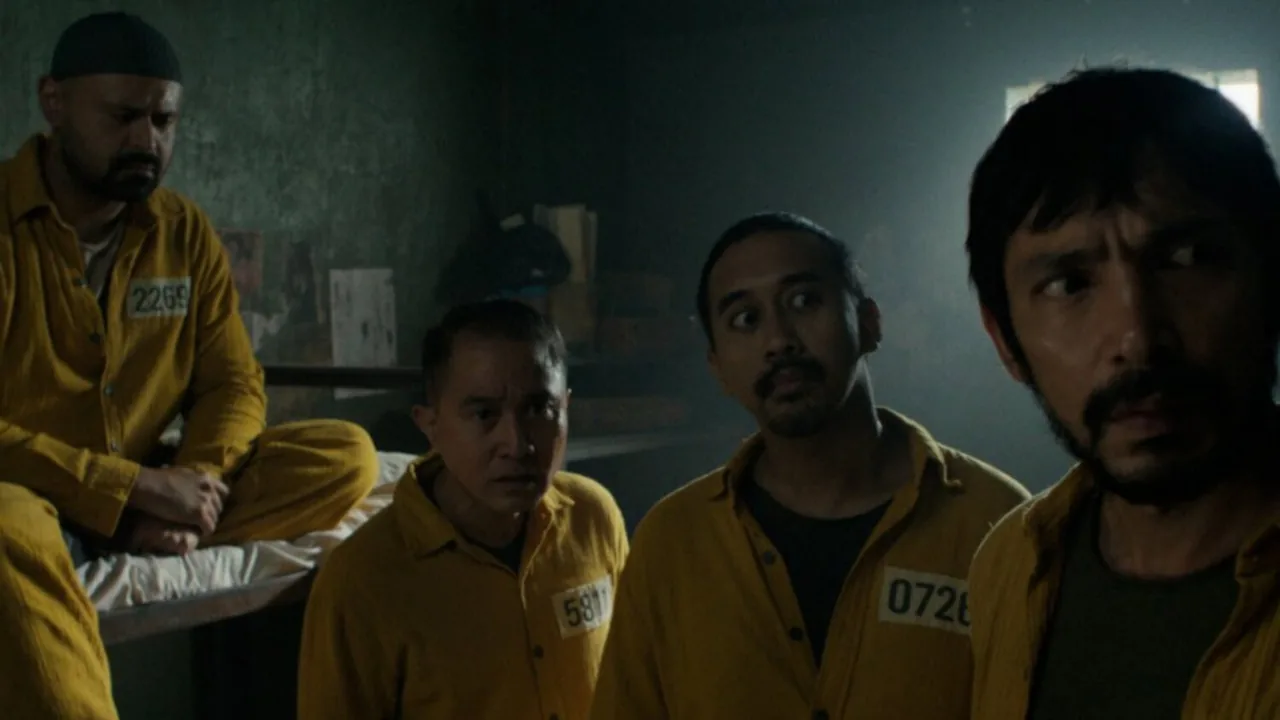
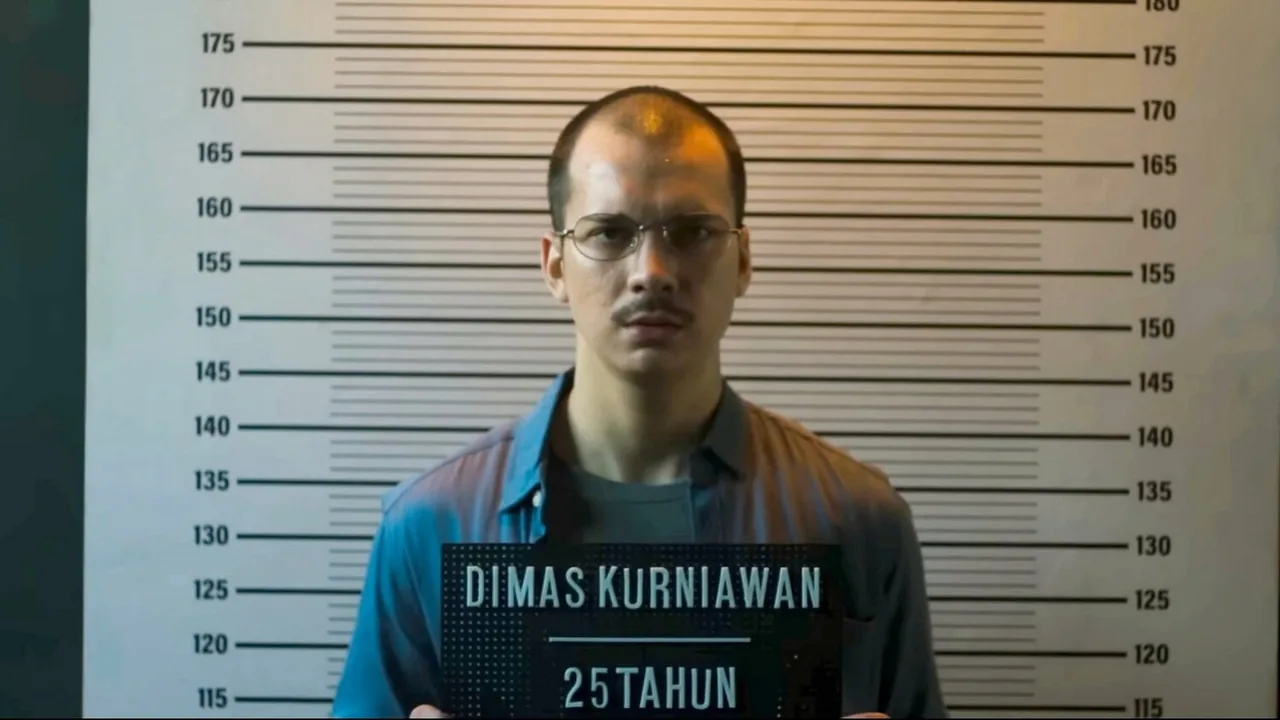
Journalist Dimas investigated illegal logging in Kalimantan, but ended up behind bars himself — the system quickly found a scapegoat to avoid searching for the real killer of his editor. In Labuhan Angsan prison, where lawlessness and a brutal war between gangs have reigned for years, Dimas joins the company of noble inmate Anggoro, and gradually the new friends realize that something far more dangerous than local authorities has entered the prison along with the journalist. When an invisible entity begins selectively killing inmates, enemies must temporarily forget old scores — or they won't survive.
Ingenuity in Everything
The main trick of the film is how the director manages to merge a social agenda with genre madness without the feeling that you're watching two hastily glued-together movies.
Anwar constructs a corrupt chain recognizable in every corner of the planet: business destroys nature, the media covers it up, the police eliminate the undesirable, and prison becomes the final point of the system of oppression — and all this literally within the first few scenes.
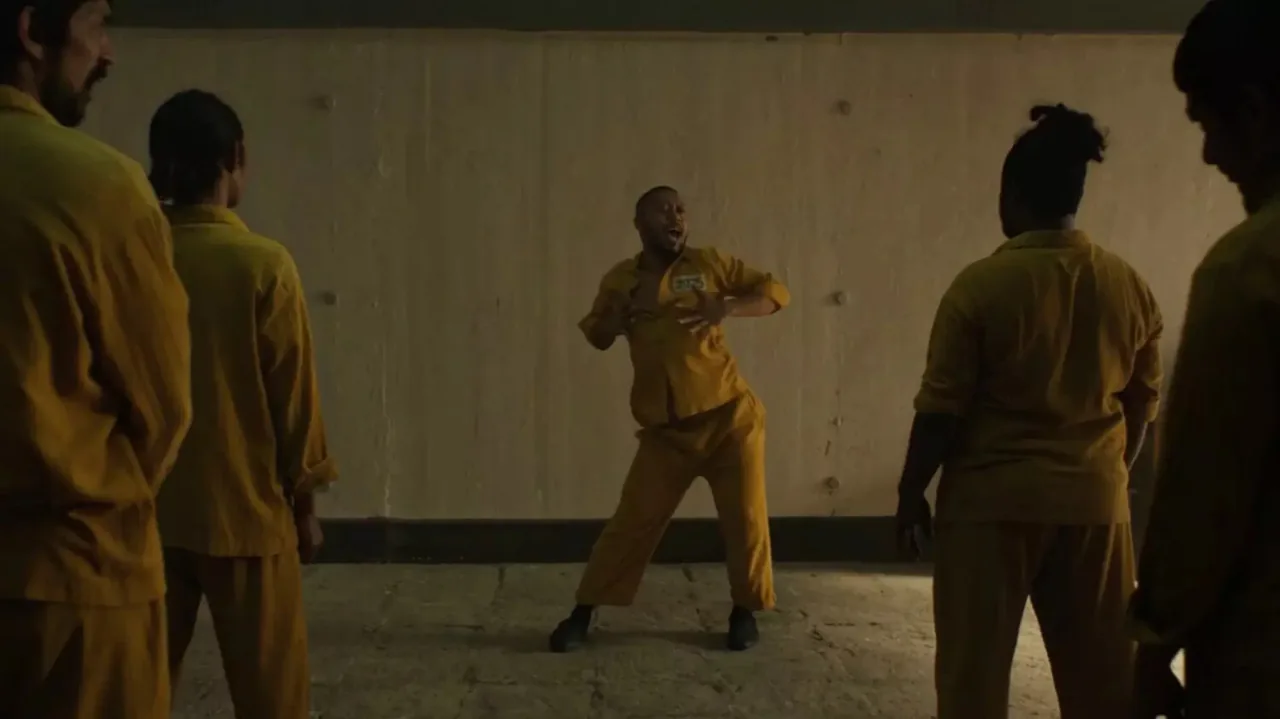
At the same time, the ghost chooses victims not randomly but based on the most “toxic” aura, forcing hardened gangsters to practice breathing exercises, recite prayers during fights, and even dance — and here the film suddenly turns into a biting parody of the corporate culture of positive thinking transplanted onto prison bunks.
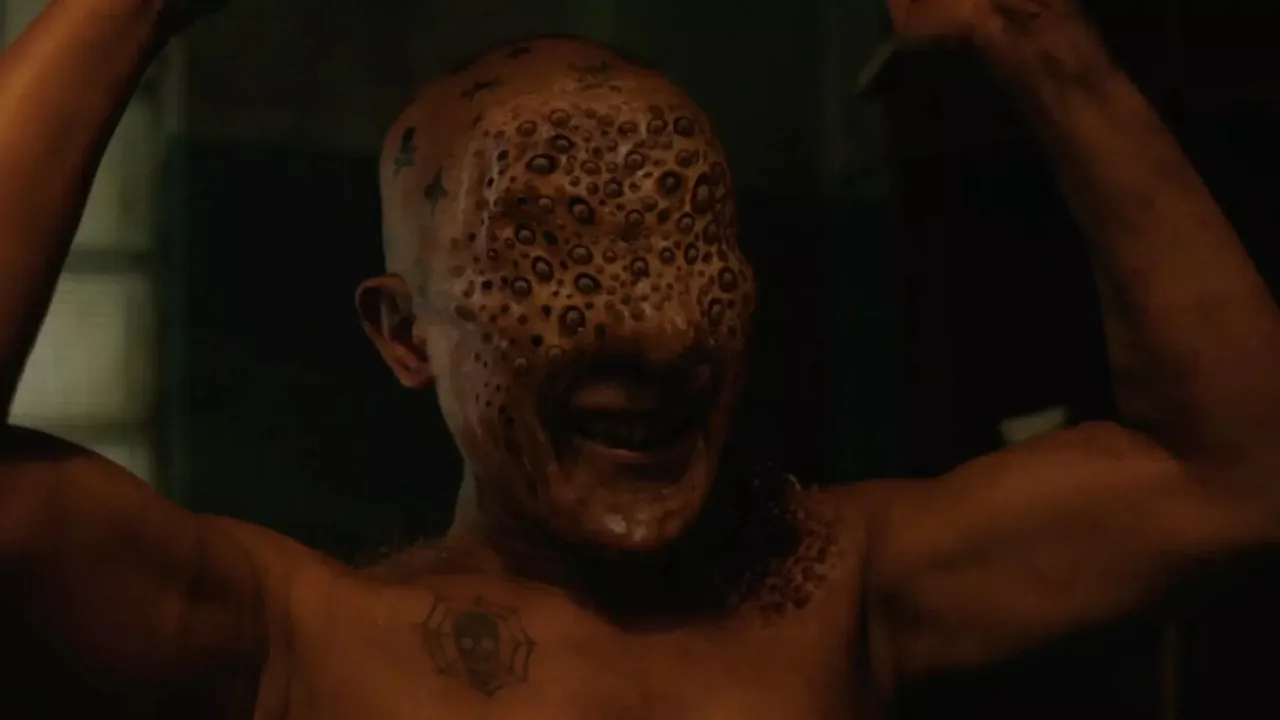
Special mention goes to the execution scenes: each death involved its own illustrator, so the ghost works not like a serial killer but like a performance artist with a personal visual signature on every corpse.
During brawls, the picture sometimes descends into outright silliness bordering on farce — as if the screenwriters watched “Kung Fu Hustle” and decided that a bit of absurd choreography and caricatured violence wouldn't hurt. Brutality here coexists with almost clownish absurdity, and it is this contrast that prevents boredom.
What Spoils the Impression
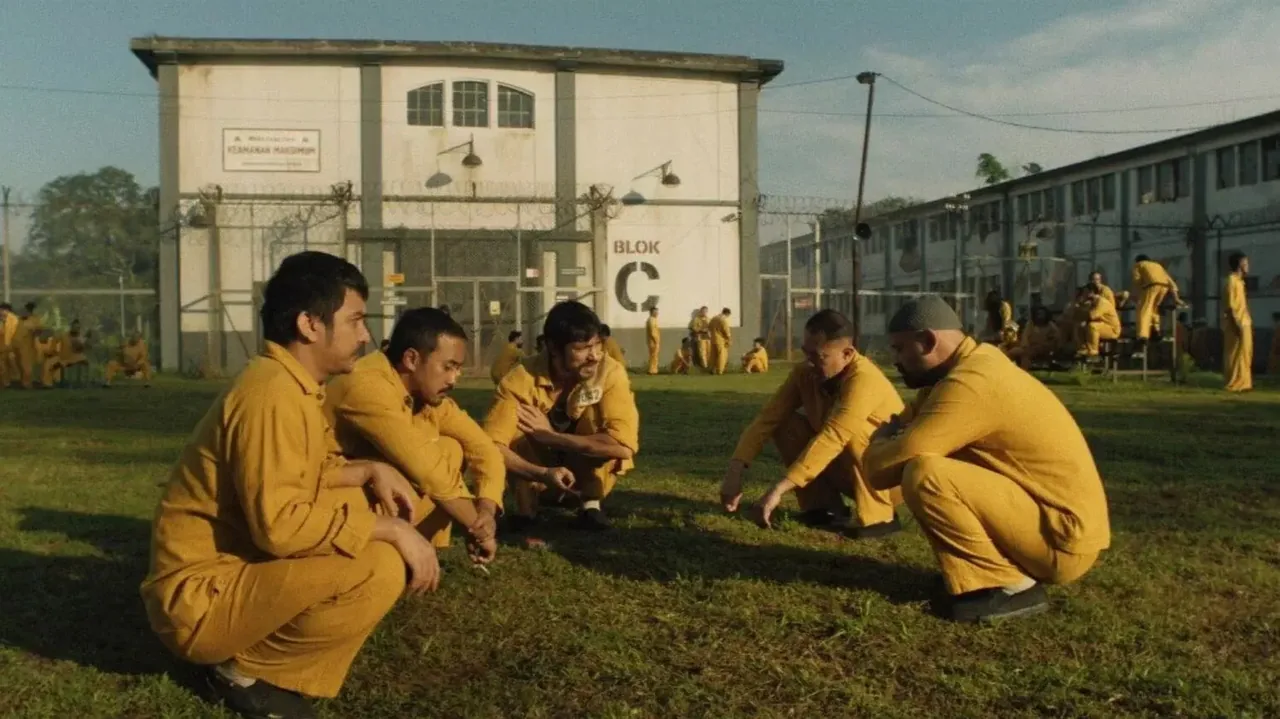
The main problem is the pacing. Almost half the runtime is spent introducing a vast gallery of inmates. Each has their own lines, jokes, and religious beliefs, and this certainly works to flesh out the characters, but the ghost seems to get stuck at the checkpoint, waiting for all the paperwork to be processed. The dialogues and comedic everyday scenes, however, compensate for this delay — the characters are revealed through lively interaction, making the film moderately heartfelt rather than just a dismemberment attraction.
There is also an issue with straightforwardness. Anwar sometimes doesn't trust his own imagery and makes characters verbalize what is already obvious without words — the prison reads as a state in miniature, and it's not necessary to hang a poster every ten minutes hinting that criticism of the system is happening here and now. Moreover, local political references, certainly much sharper for Indonesian viewers, sound outside the country like a generalized list of grievances against “the bad state in general” — the edge is lost in differences of cultural context.
Is It Worth Watching
“Ghost in a Cage” is a rare example of a horror that is not afraid to be funny, social, and truly bloody all at once, and it is this genre omnivorousness that makes it more interesting than the average horror about supernatural revenge. At its best moments, the film feels like a big, noisy, and sincere movie about rage that is not allowed a legal outlet. I recommend it to those tired of one-dimensional horrors and willing to forgive an uneven pace for the sake of an original idea and effective execution.
In theaters from July 30.
Comments
0No comments yet.