

The live-action adaptation of Yuto Suzuki's manga "Sakamoto Days" has hit Russian theaters. We share our impressions and discuss why some stories are better left within the pages of manga or anime.
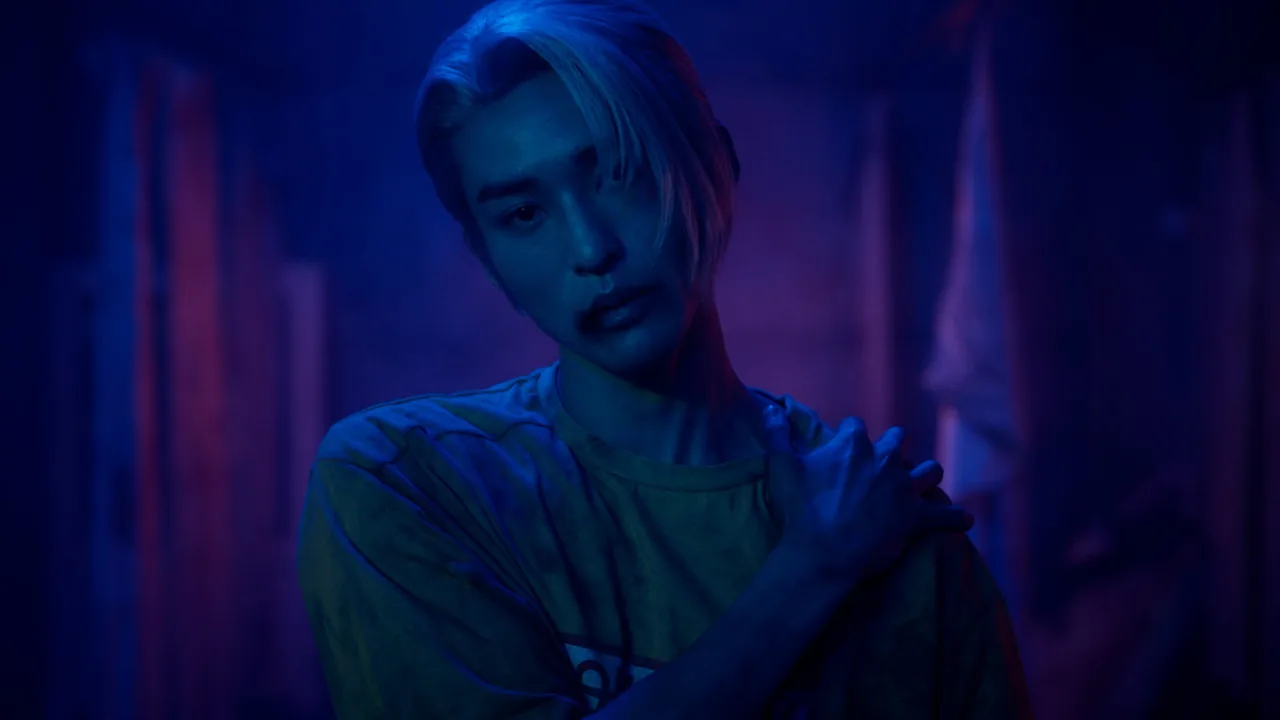
Taro Sakamoto was once a legendary hitman feared by the entire criminal underworld. But staying in the profession didn't work out. He met the love of his life, for whom he gave up everything and vowed never to kill again. Sakamoto gained weight, opened a small shop, and quietly ate noodles. Until a large bounty was placed on his head. Then hitmen began flocking to the suburbs. Now Taro must try to hide what's happening from his wife, and he'll handle the enemies anyway.
The manga "Sakamoto Days" began publication in 2020 and quickly gained popularity worldwide. Last year's anime adaptation only cemented the source material's success. So the live-action wasn't long in coming. And here's the result.
Does Manga Need a Live-Action?
Let's start with the question: "Is it even worth adapting manga?" Yes, if we're talking about everyday stories in the vein of "Nana." Where, if you remove the exaggerated emotions, you're left with a life story without superpowers. Plots of this kind exist and will always exist in cinema.
But when it comes to shonen or other fantasy genres where the conventionality of animation plays a key role, questions arise. Remember the adaptation of "Attack on Titan," which was widely mocked, or "Tokyo Ghoul." Even Netflix's attempts to adapt what seemed like a visually simple "Death Note" failed. Not to mention the recent series based on "One Piece." It became perhaps the only successful manga adaptation that isn't embarrassing to watch, let alone recommend.
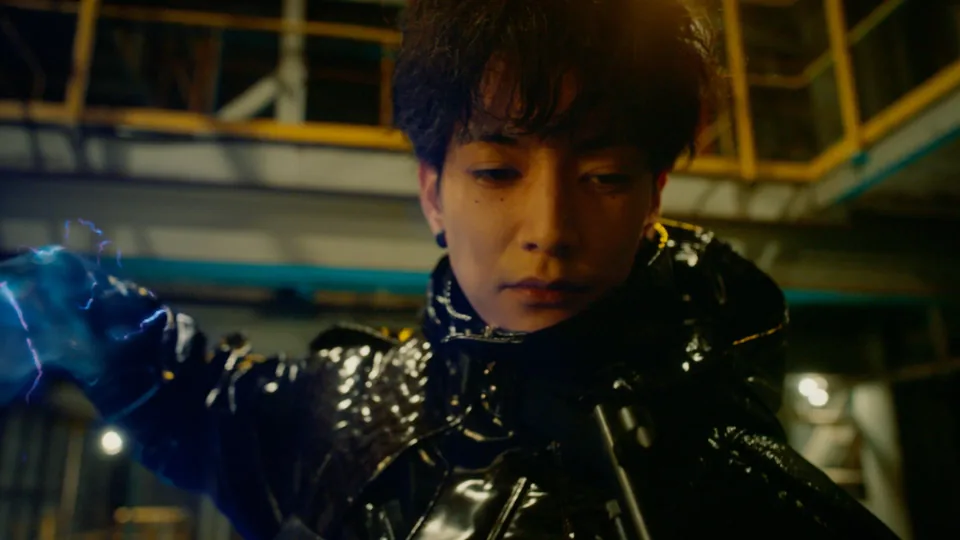
"Sakamoto Days" is caught between two fires. On one hand, director Yuichi Fukuda tries to faithfully convey the plot and create special effects. But on the other, it veers into absurdity and anime-style presentation. With exaggerated emotions, bright wigs, costumes, and fight choreography. Not everything that works in anime and manga translates well to live-action. Credit is due only for the fact that physical objects are destroyed on screen, not graphic pixels.
Problems of Adaptation
The film doesn't try to be an independent work, so a viewer unfamiliar with the manga or anime won't understand a lot. Take Shaotang Lu, for example. The girl works in Sakamoto's shop and possesses incredible strength. But where her abilities come from, what the drunken technique is—the adaptation doesn't explain. It briefly mentions that Shaotang is from a famous family. About which nothing is said either.
Because "Sakamoto Days" races through the pages rather than adapting them, the battles feel rushed, the jokes are embarrassing, and the needed epicness is lacking. Take the scene where Sakamoto talks to his wife during a fight—in the manga it's funny, in the film it looks ridiculous. The film covers the entire first season of the anime, and even ends on a cliffhanger. For whom, it's unclear.
"Sakamoto Days" is full of villains who seem more like extras. By the end, the heroes have defeated about five characters, but try to remember even one. The main villains' motivation is also problematic. Apart from epic entrances and loud words, they don't really show anything. But this is more a problem of the source material. The manga doesn't pretend to be a deep work. "Sakamoto Days" is more reminiscent of "One Punch Man" in its absurdity and focus on action, rather than "Naruto" with its dramatic arcs. The fights are well-staged, but the characters remain superficial.
What's the Verdict?
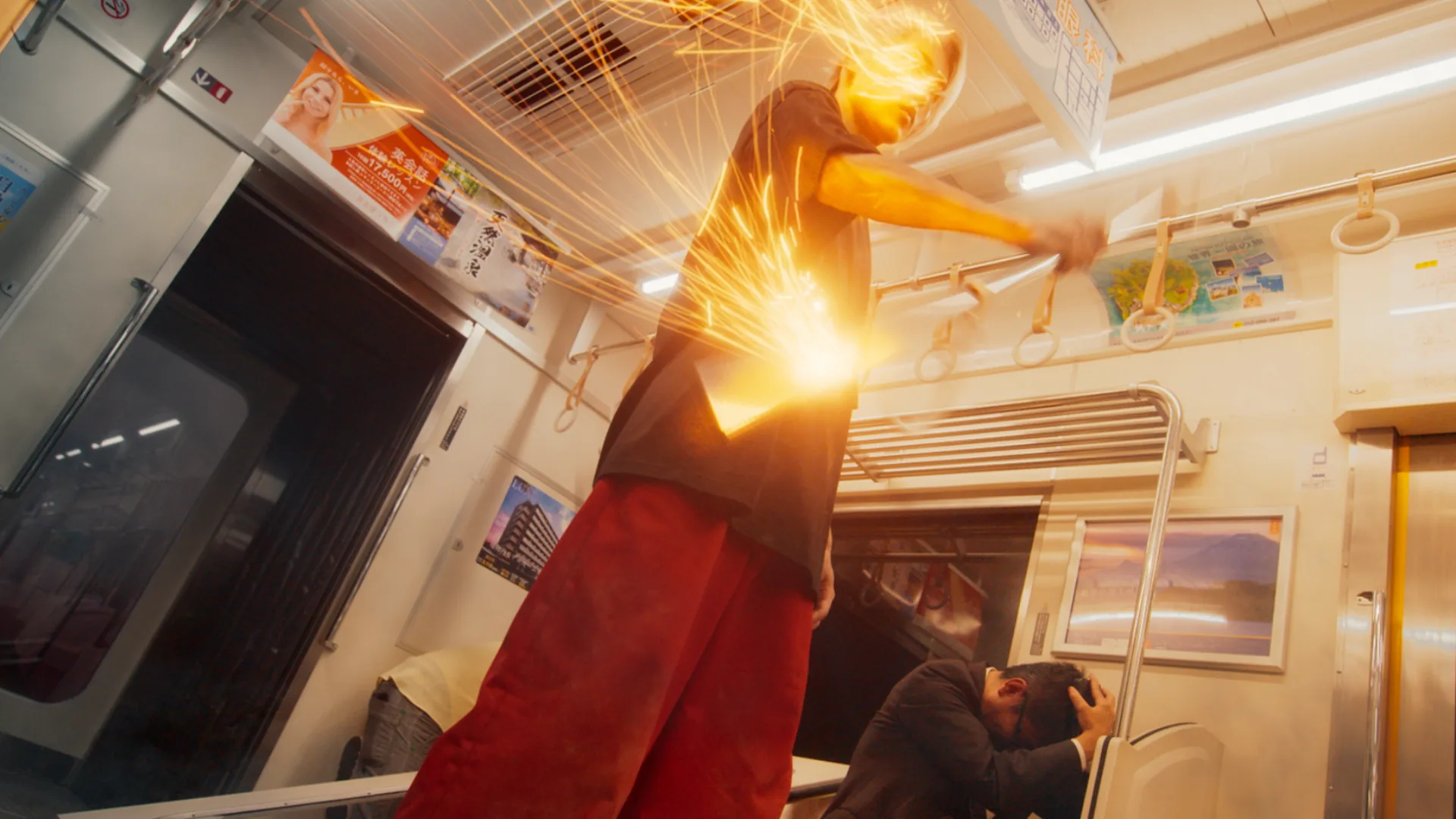
Due to the desire to make a crazy fighting film, it misses what made people love the story. Neither the characters' charisma nor captivating scenes come through. And the unsuccessful anime tropes only worsen the situation. Slow motion, close-ups of screaming faces, sudden freeze-frames—all of this works in animation, but not in cinema. "Sakamoto Days" feels more like an absurd theater where absurdity doesn't work in its favor.
For someone unfamiliar with the story, the rushed nature won't allow them to enjoy the film. So this is definitely not the entry point into the universe. And for fans, there will certainly be things to nitpick. "Spot all deviations from the canon" or "count the inappropriate grimaces"—that's the only entertainment you can get from watching. "Sakamoto Days" in live-action is an experiment that didn't succeed. But it gives food for thought: how not to approach the adaptation of even the most dynamic source material.
Comments
0No comments yet.
Sign in to join the discussion.