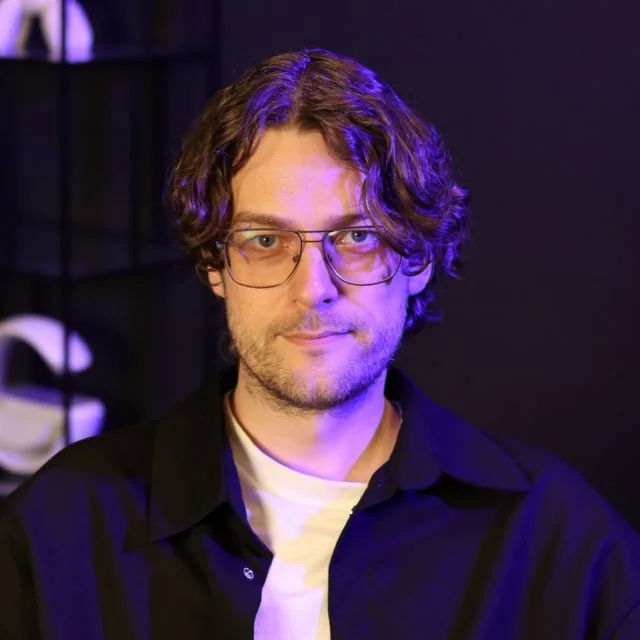

There are projects that you expect to hit you like a punch in the gut even before watching. Cape Fear from Apple TV is exactly one of those. The novel by John D. MacDonald, two cult film adaptations, the producer names of Spielberg and Scorsese on the poster, Javier Bardem as Max Cady, Amy Adams and Patrick Wilson opposite him. It seemed like a surefire hit that viewers would elevate to all sorts of top lists right after its release. Instead, we got a rare case where budget, stars, and legacy combined into an expensive experiment of "what if we overcomplicate everything at once." And yes: this is arguably one of Apple TV's biggest screw-ups this year.
What the series 'Cape Fear' is about
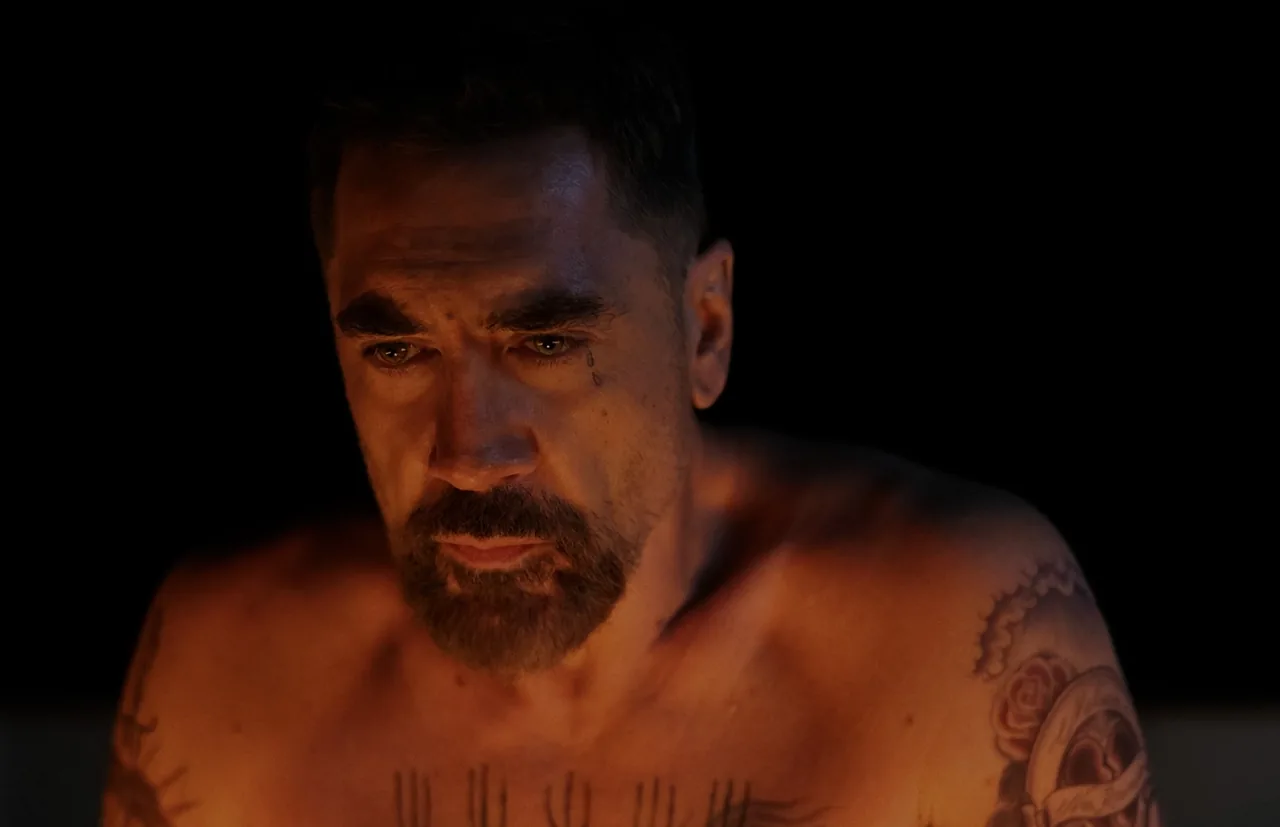
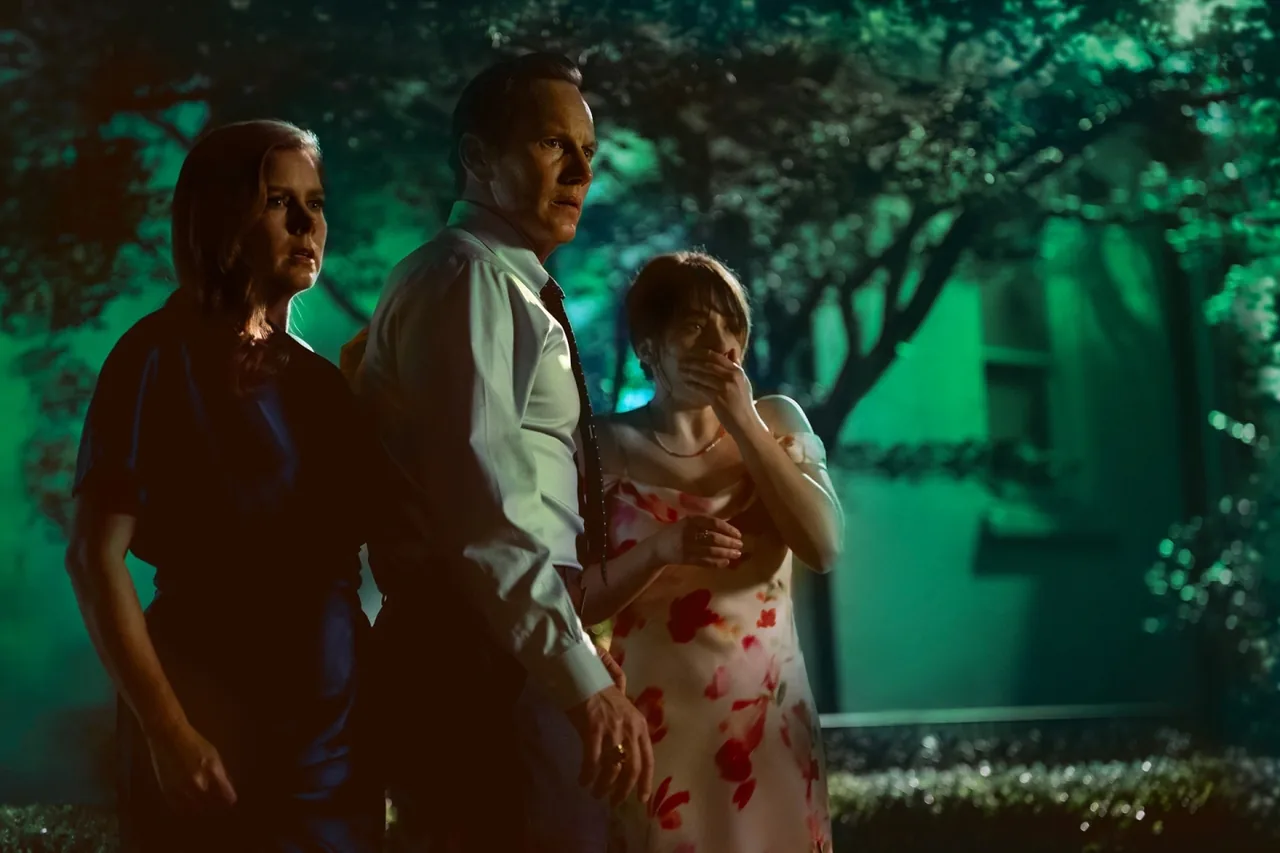
A dangerous man named Max Cady is released from prison and methodically sets about destroying the lives of married lawyers Anna and Tom Bowden, because of whom he once ended up behind bars (she was his attorney, he was the prosecutor). The family tries to maintain an outward appearance of well-being as the threat creeps closer: to the house, to the children, to old secrets that would be better left buried.
What went wrong
On paper, the series had everything to become the summer event. The creators clearly didn't just want to retell 'Cape Fear' but adapt it for the 2020s: true-crime podcasts, talk of criminal justice reform, a toxic law firm, teenage trauma, hints of #MeToo, and even a bit of the era's technological noise. The problem isn't that — the problem is how all of this is literally force-fed into the frame. Every 'relevant' storyline looks not like an organic continuation of the story but a checkbox in a pitch: here's AI and drones over the lawn, here's family therapy without therapy, here's social media bullying. At some point, you realize the series is afraid of its own 'datedness,' and out of that fear, it accumulates superfluous details like a Christmas tree you've hung with all the tinsel you've collected over the years.
A game of imitation
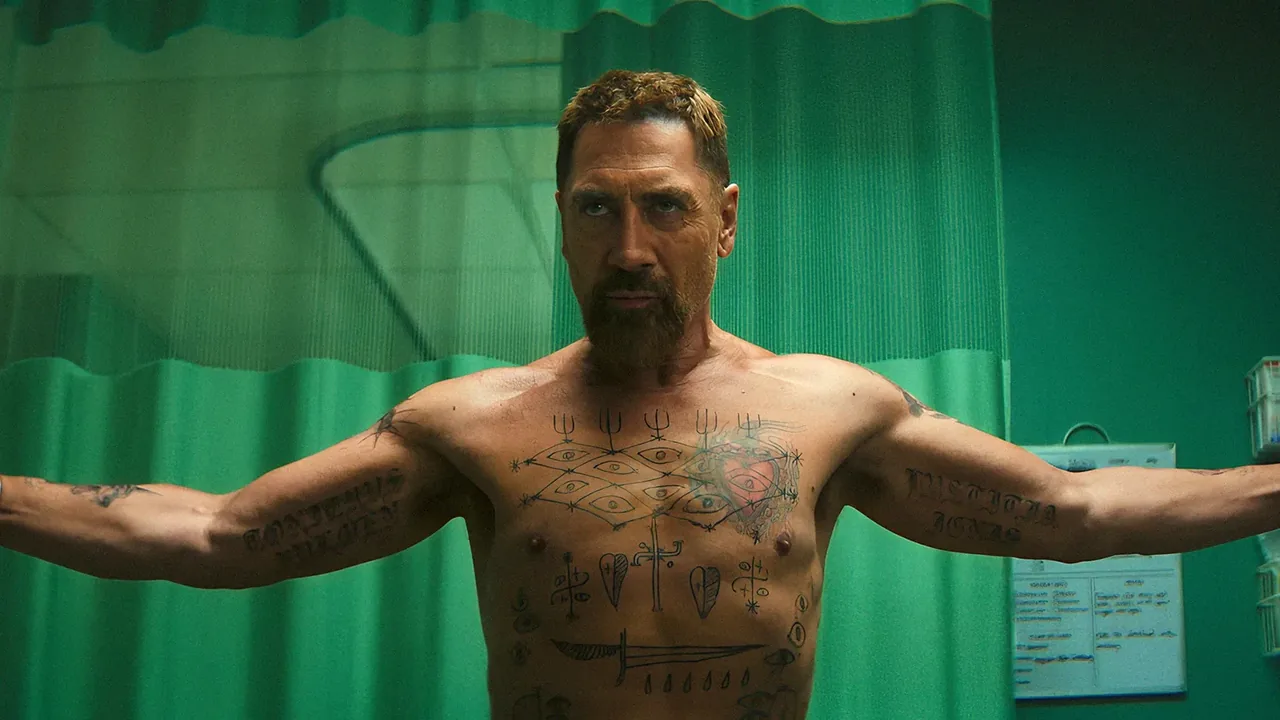
Separately, we can go through the visuals and the 'auteur' presentation. The cinematographers and directors of the episodes (and there's one per episode!) clearly got the instruction: make it unsettling and so stylish that every frame can be screenshotted. Spanish moss, the humid South, feverish close-ups of eyes, sound that presses on the temples, quotes from Scorsese — down to negative film and nods to the classic soundtrack.
Only the style here works like an expensive suit that doesn't fit: it looks strange, hinders movement, and constantly reminds you of itself. The series tries so hard to look like a luxury thriller that it forgets to be one. Tension doesn't build — it's simulated. They scare with music, camera angles (again, like Scorsese), and choppy editing. But none of it works as intended. Perhaps this is explained by the fact that too many people with different approaches worked on the production: from those who work on your favorite and not-so-favorite series to, for example, Norwegian Morten Tyldum, who more often directs big films
Even Bardem and company couldn't save the series
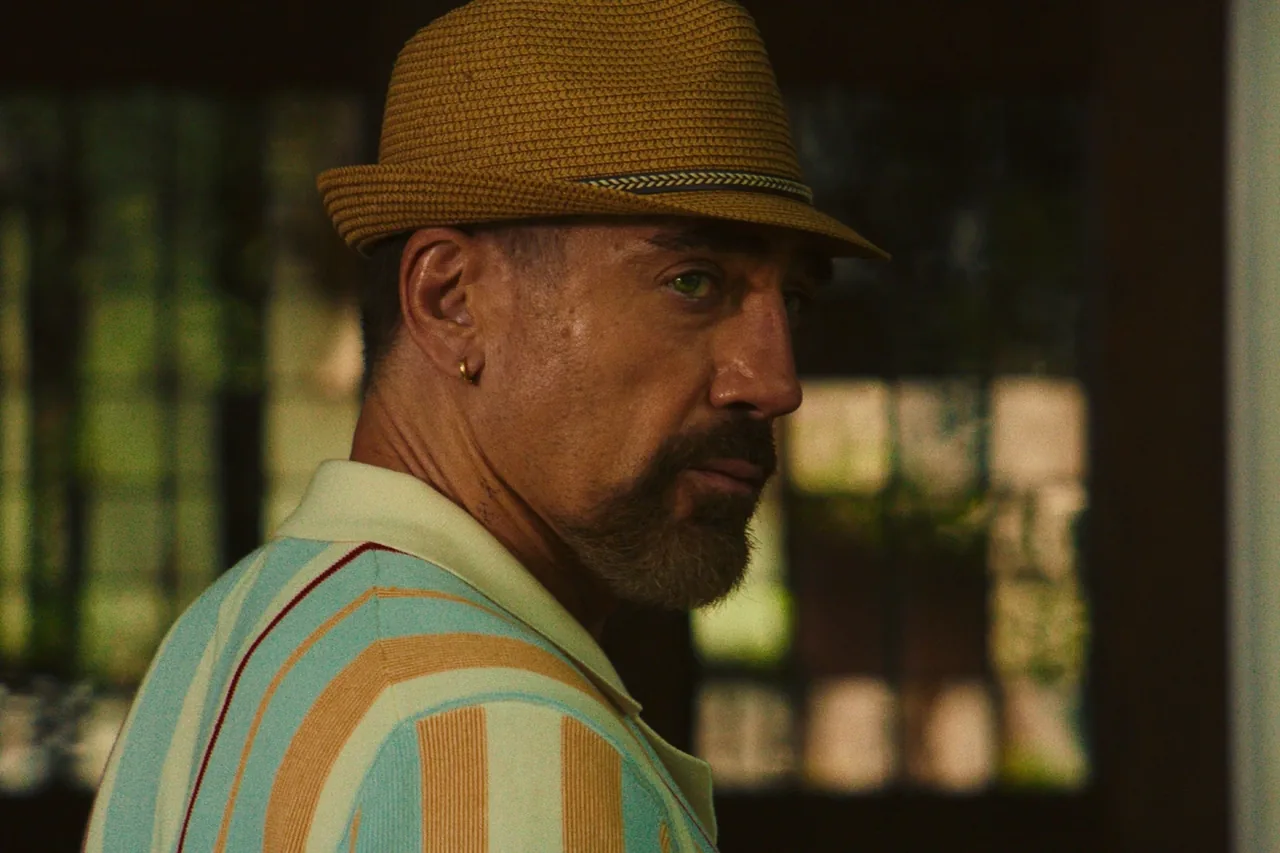
And here's the most frustrating part. The actors. God, what actors! Javier Bardem could have carried this season on a single silent gaze: a man who gave cinema one of the most chilling villains in film history here is forced time and again to play 'look how charismatic I am.' Grimaces, a snow-white smile, theatrical menace — at times Cady is closer to a caricatured showman than to someone who makes your blood run cold. Sometimes it's even amusing when instead of horror you feel awkwardness. As if the role was written for trailer highlights, not for a slow and methodical buildup of atmosphere.
Amy Adams carries tons of family and professional pain, but the script rarely gives her anything more interesting than sketches on the theme of 'a woman in distress with a shaken moral compass.' Patrick Wilson again masterfully portrays a broken handsome man in crisis — only this crisis is so smeared that by mid-season it feels not like drama but background noise. The main characters' children get separate arcs about alienation, addiction, and 'we're not being heard,' which look surprisingly cardboard on screen. The family seems loving, there are almost no conflicts, yet the teenage hell still has to be spoken aloud so the viewer can empathize.
Of course, you can pick out individual strong pieces. Sometimes domestic paranoia flares up, sometimes Bardem for a couple of minutes remembers what it's like to be a quiet nightmare rather than a mascot of his own villainy, sometimes the Southern landscapes really do press down, as in the best examples of the genre. But individual successful fragments don't come together. They rather highlight the scale of missed opportunities. With such a cast, such material, and such a producer block, the series was obliged to be something more than a mediocre project for a couple of evenings. 'Cape Fear' instead preens, lectures about the system and family — and ultimately leaves the viewer with a feeling of fatigue rare for big streaming.
Is it worth watching
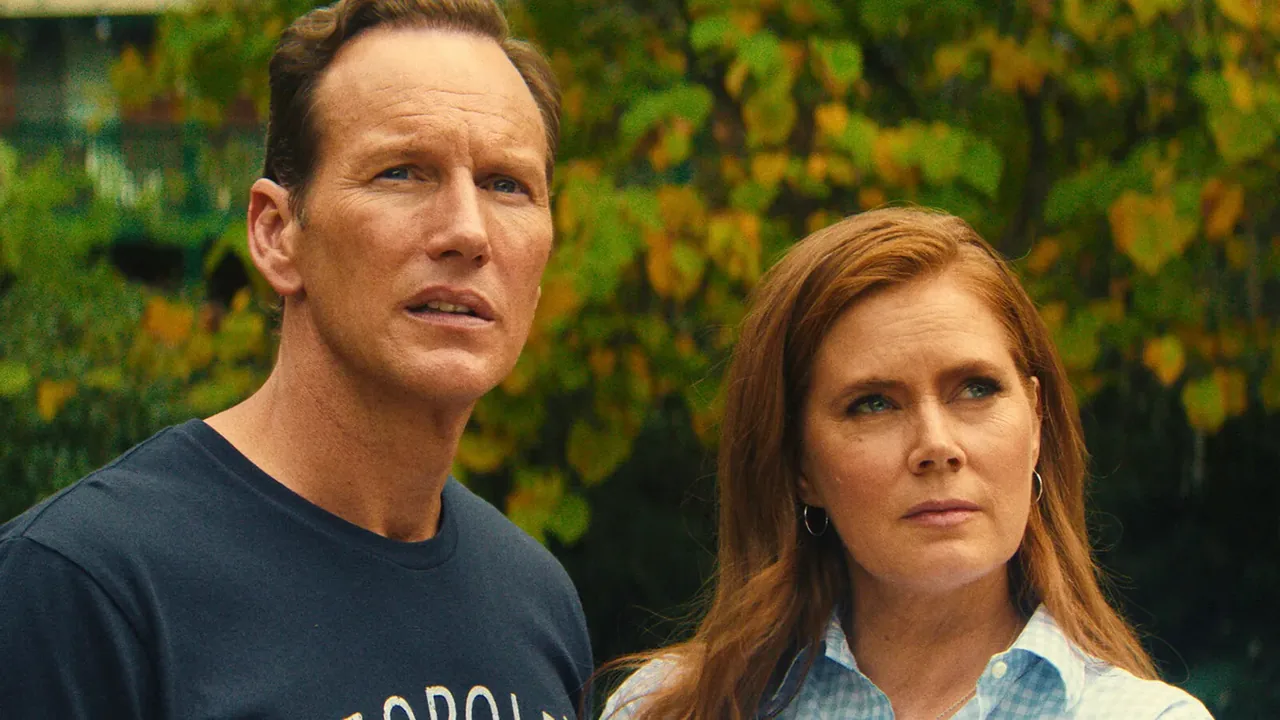
If you're a Bardem fan and want to see for yourself how even such a master sometimes wastes his efforts — watch at your own risk. If you're expecting a spiritual heir to Scorsese or just a solid thriller — pass it by. In 2026, Apple TV has plenty of reasons to be proud, but 'Cape Fear' is not one of them. From perfect ingredients, they cooked a dish that photographs beautifully for social media and absolutely doesn't go down your throat. It's a pity for the great actors. And a pity for your own time.
Comments
0No comments yet.
Sign in to join the discussion.