

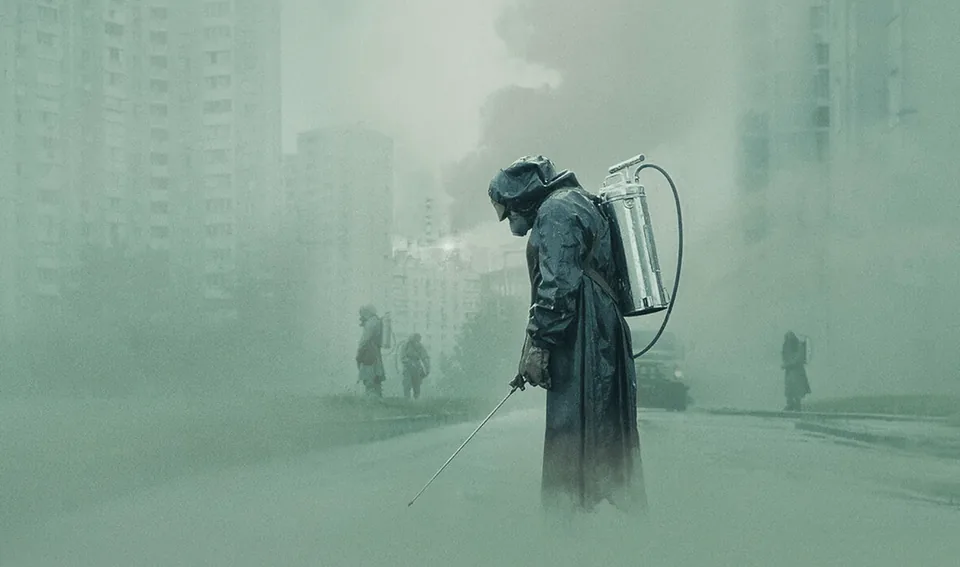
A happy ending is convenient, but not always honest. There are TV shows where the creators go all the way and leave the viewer alone with the feeling that justice was not served to anyone: not to the good, not to the bad, and not to the viewer who hoped to root for someone. Here are five such stories: from a real man-made disaster to a Korean melodrama about revenge, after which you no longer want to trust anyone.
"Chernobyl" (2019)
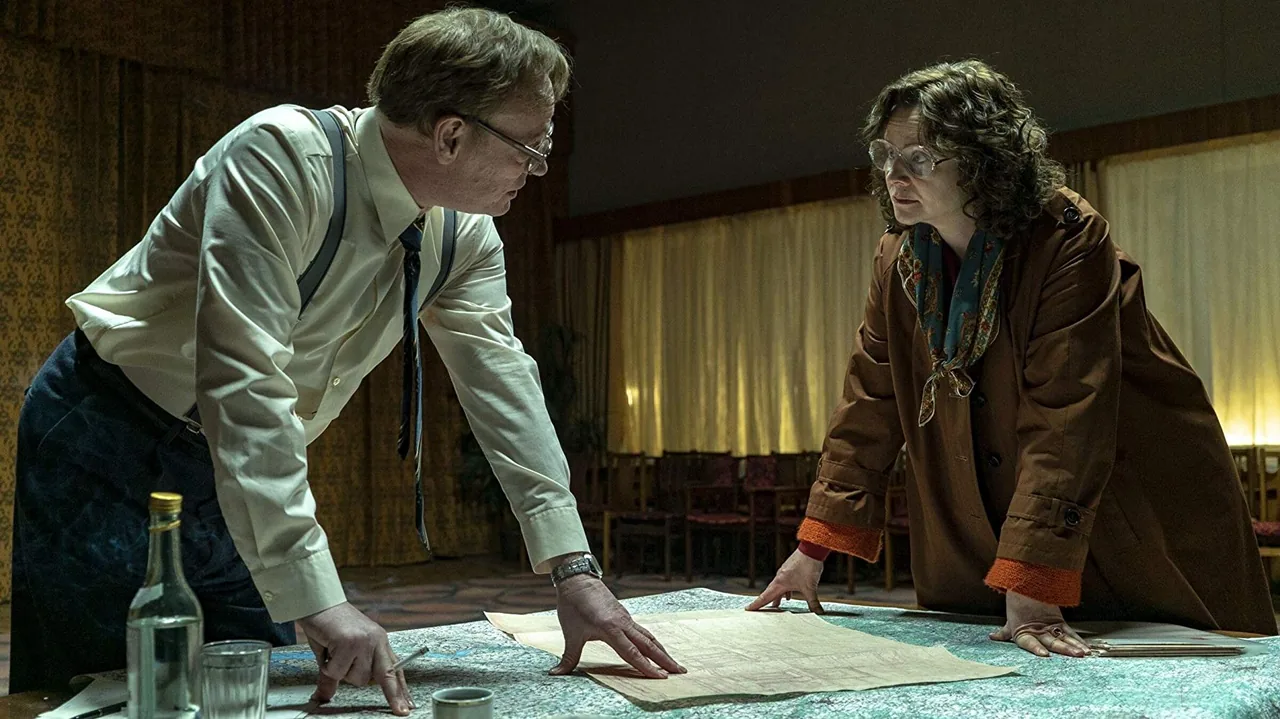
The 2019 HBO miniseries tells the story of the real accident at the Chernobyl nuclear power plant, and its finale leaves no room for consolation. Scientist Valery Legasov seeks the truth about the causes of the disaster, but the Soviet system does everything to ensure that this truth never becomes public. His testimony does not make it into official reports, he is forbidden from speaking about Chernobyl, and he is deprived of the opportunity to work in his field.
The plant director and engineers are tried and sent to labor camps, but the series clearly shows that this is not a triumph of justice, but a search for convenient scapegoats. In the final shots, the authors show photographs and footage of the real participants in the events and remind us that the consequences of the accident are still felt today. No one wins here—neither those who hid the truth, nor those who sought it at the cost of their own lives.
"Sharp Objects" (2018)

In the finale of the HBO miniseries based on the novel by Gillian Flynn, the police arrest the protagonist's mother, Adora, for poisoning her own children. It seems that evil has been punished and Camille and her sister Amma can start a new life.
But in the post-credits scenes, it turns out that the real killer of the girls in the town was not Adora, but young Amma, who killed her victims out of jealousy, including a new friend in another city. The finale gives the viewer no foothold: the mother turns out to be a monster, but not the monster she was thought to be; the rescued sister is a cold-blooded killer; and Camille is left alone with a revelation that destroys everything she tried to believe in.
"The World of the Married" (2020)

The 2020 Korean drama "The World of the Married" (original title: Bubuui Segye, also translated as "The Married World") became a cultural phenomenon thanks to the story of a deceived wife's revenge on her unfaithful husband. By the finale, the heroine Sun Woo formally achieves her goal: her husband Tae Oh's reputation and career are completely destroyed, and his second marriage also falls apart.
But this victory brings no relief—the drama directly articulates its point that there were no winners in this marriage. Tae Oh loses everything and is left alone, his new wife pays for trusting a man who had nothing to offer, and the couple's son, in despair over his parents' war, simply disappears, and his fate remains largely open.
"Bloodline" (2015-2017)

The Netflix series spent three seasons building the story of a family hiding the death of one of the brothers, and in the finale, the choice is left literally mid-sentence. The older brother John approaches the son of the deceased Danny to finally tell the truth about his father—and the series cuts off without showing that conversation.
Over three seasons, the Rayburn family managed to build an entire pyramid of lies and another covered-up murder, framing an innocent person. Formally, John comes out of the story "dry," but psychologically he remains a hostage to his own lies, and the whole family remains hostage to a secret that will now never be fully revealed.
"True Detective" (2015), Season 2
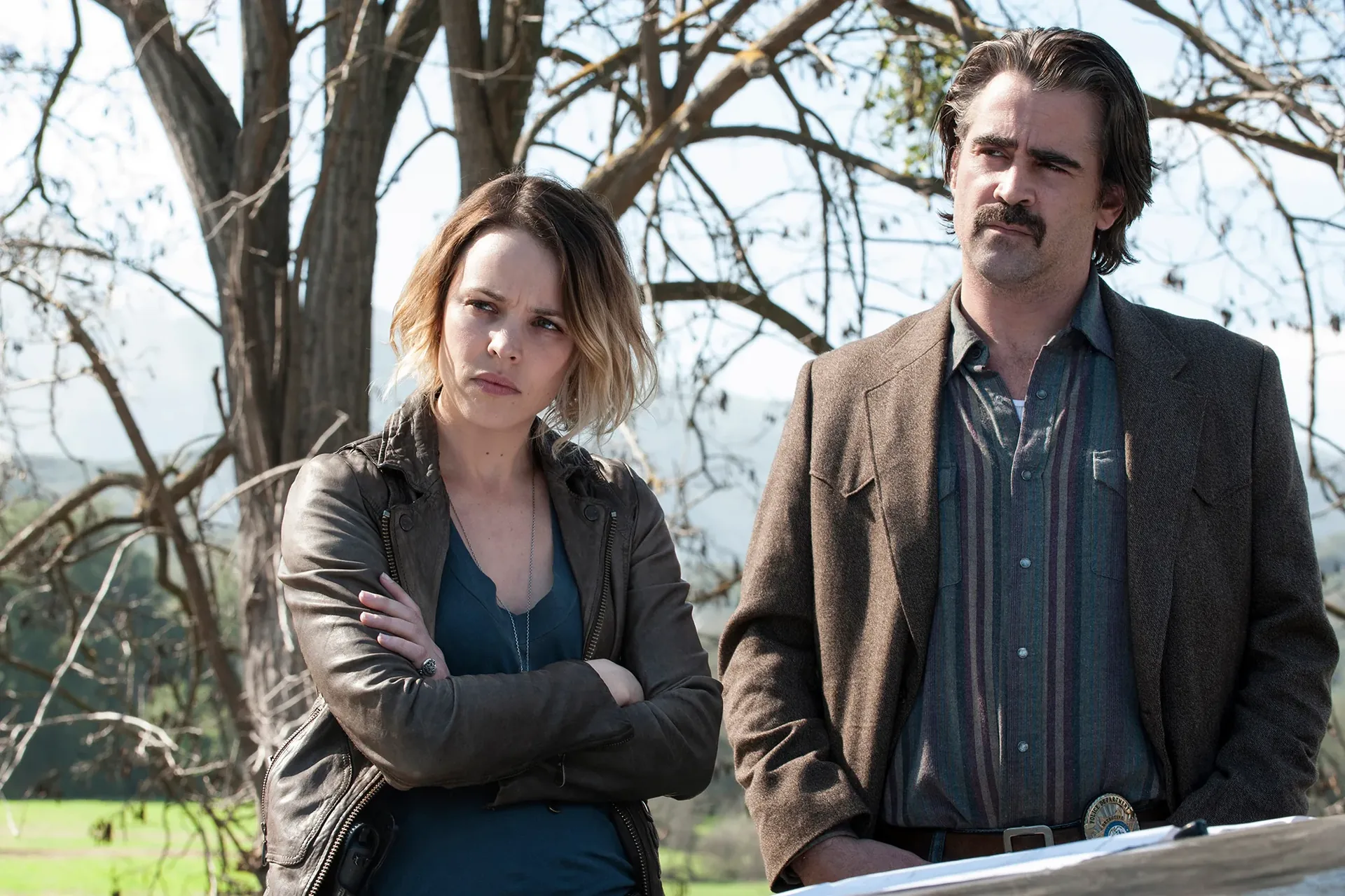
The second season of the HBO anthology collected, it seems, the worst death toll of main characters in the entire series: police officer Paul dies from a bullet fired by a corrupt colleague, detective Ray dies in the woods without ever knowing that his voicemail to his son will never be delivered, and crime boss Frank dies in the desert, stabbed for his suit.
Justice did not prevail for anyone. Corruption in the town of Vinci is still rampant, the Mexican gangsters get away with a bag of money, and the surviving Ani simply hands the documents to a journalist, not because she believes in change, but because she can no longer carry that burden herself.
These five stories have one thing in common: the authors refused to give the viewer a consolation prize. No one is fully saved, no moral choice pays off, and the only truth you can take away from the finale is that sometimes drama is more honest when it doesn't pretend that someone won.
Comments
0No comments yet.
Sign in to join the discussion.