

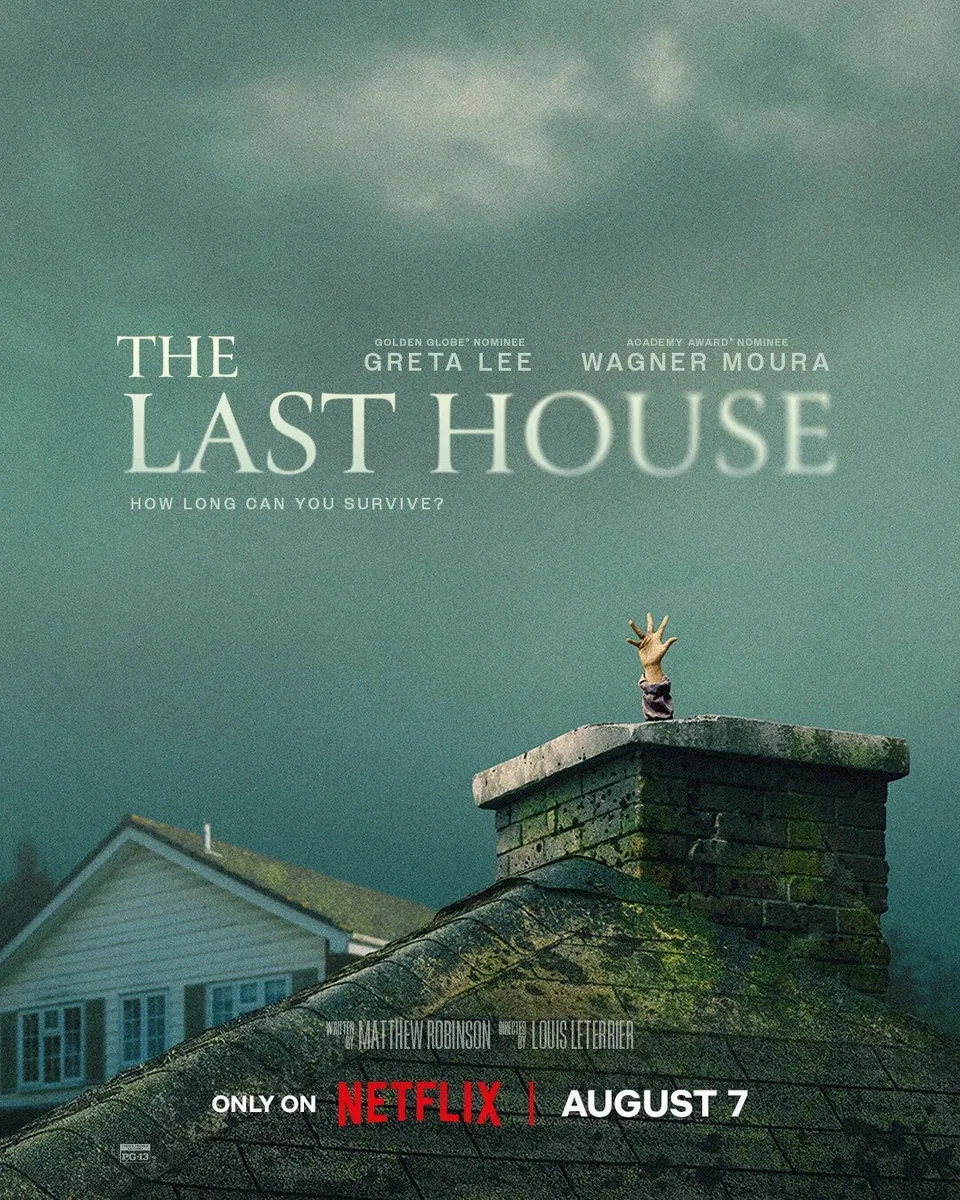
Streaming Netflix released an intimate sci-fi about an American family locked in their own home by an unknown force. A slightly naive, but not devoid of common sense film about a local apocalypse.
Exemplary family man Jason Delgado (Wagner Moura), his wife Ann (Greta Lee) and two children unexpectedly become hostages of their own home. Some unknown, but powerful force has locked all doors and windows in the dwelling and wants to starve its inhabitants to death. However, the household is not accustomed to backing down from difficulties (they are in the midst of a battle with the tax authorities) and switch to survival mode. At the same time, mysterious creatures begin to roam the streets of the town and it seems that this isolation will not end soon.
"The Last House" Louis Leterrier ("Now You See Me", "Unleashed") — a sci-fi thriller that surprisingly easily does without cosmic scale. Its universe is confined to the four walls of an ordinary house, where ordinary residents of an American suburb find themselves under lock and key. They are locked in, however, not by neighbors or the police, but by certain creatures whom the unfortunate inhabitants of the house take for aliens (who they really are remains to be found out only by the finale). By some logic of their own, the creatures block an entire town. The outside world disappears along with the internet and mobile communications, and now you can only communicate with neighbors through gestures and short inscriptions on signs.
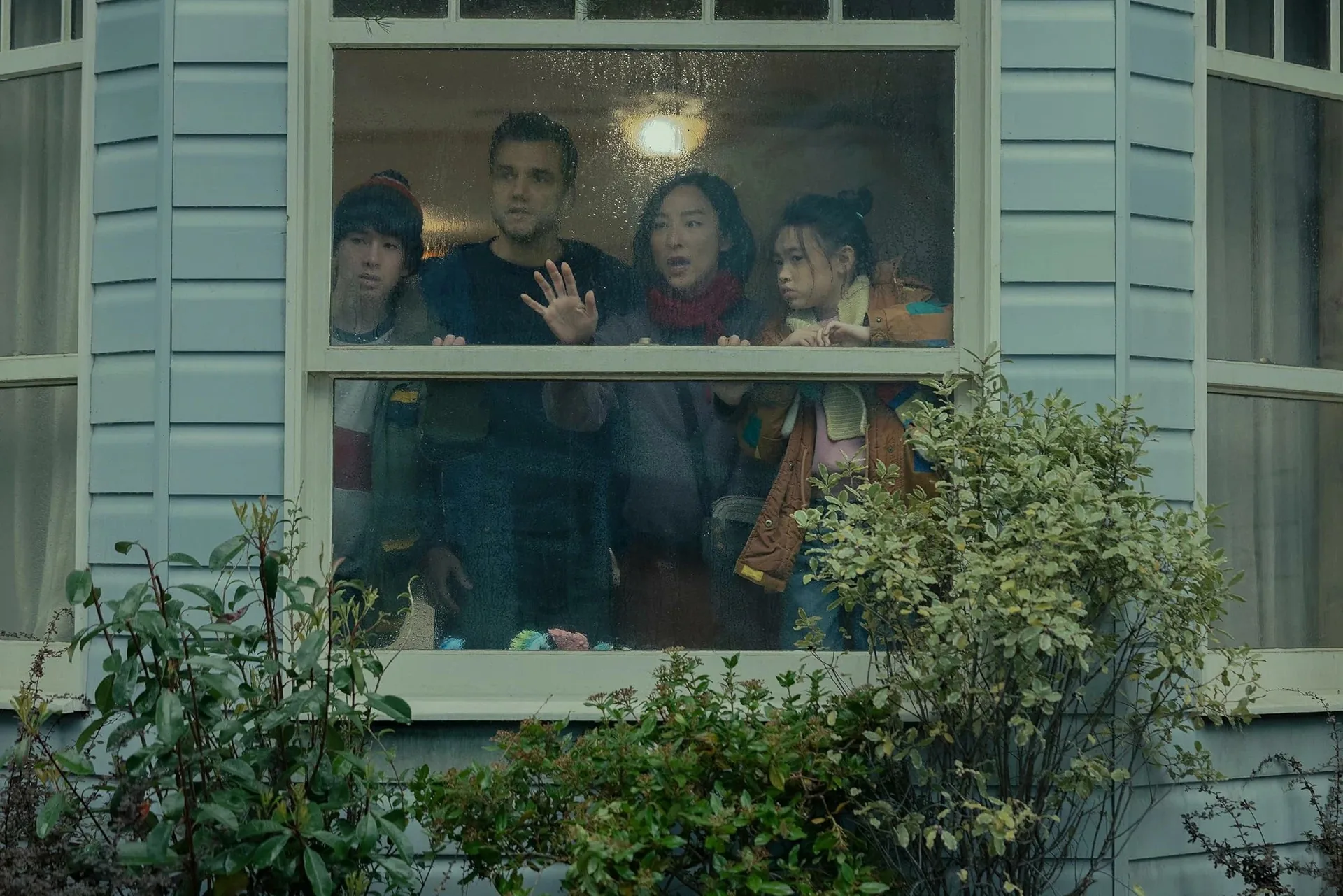
Electricity and water, fortunately, remain, but that is too little to feel safe. How long will this siege last? There is no answer, and it is precisely this uncertainty that forces the family to almost instantly switch to instincts: the ration is cut to a minimum, every piece counts, and at the same time — almost accidentally — relationships begin to restructure between those who previously existed more as neighbors than truly together.
At first glance, Leterrier made a belated covid thriller in which the house becomes a prison, and isolation scares more than any alien invader. But if you dig a little deeper, the film turns into a story about an inner vacuum, daily crystallizing on the margins of informational noise. News comes and goes, morning sensations by evening are replaced by new ones, and we don't even notice how the world around us turns upside down. A forced digital detox suddenly turns into an invitation to simple things: play a board game, watch a movie with the whole family (true, the choice of films is very limited — there are only two), and even just throw pillows in the end.
Of course, this story arc is not new. Quite recently Steven Spielberg in his "The Day of Disclosure" already developed a similar theme, but preferred a planetary scale, whereas Leterrier limits himself to only a residential building. In his version, there is also a place for aggressive creatures, and friendly ones, but the real battle takes place not with them, but with the cramped space, time and oneself. At some point Leterrier suddenly switches to another thought, not connected with digital addiction, but close to a careful attitude towards nature. But it looks already somewhat vague and does not stick in the head.
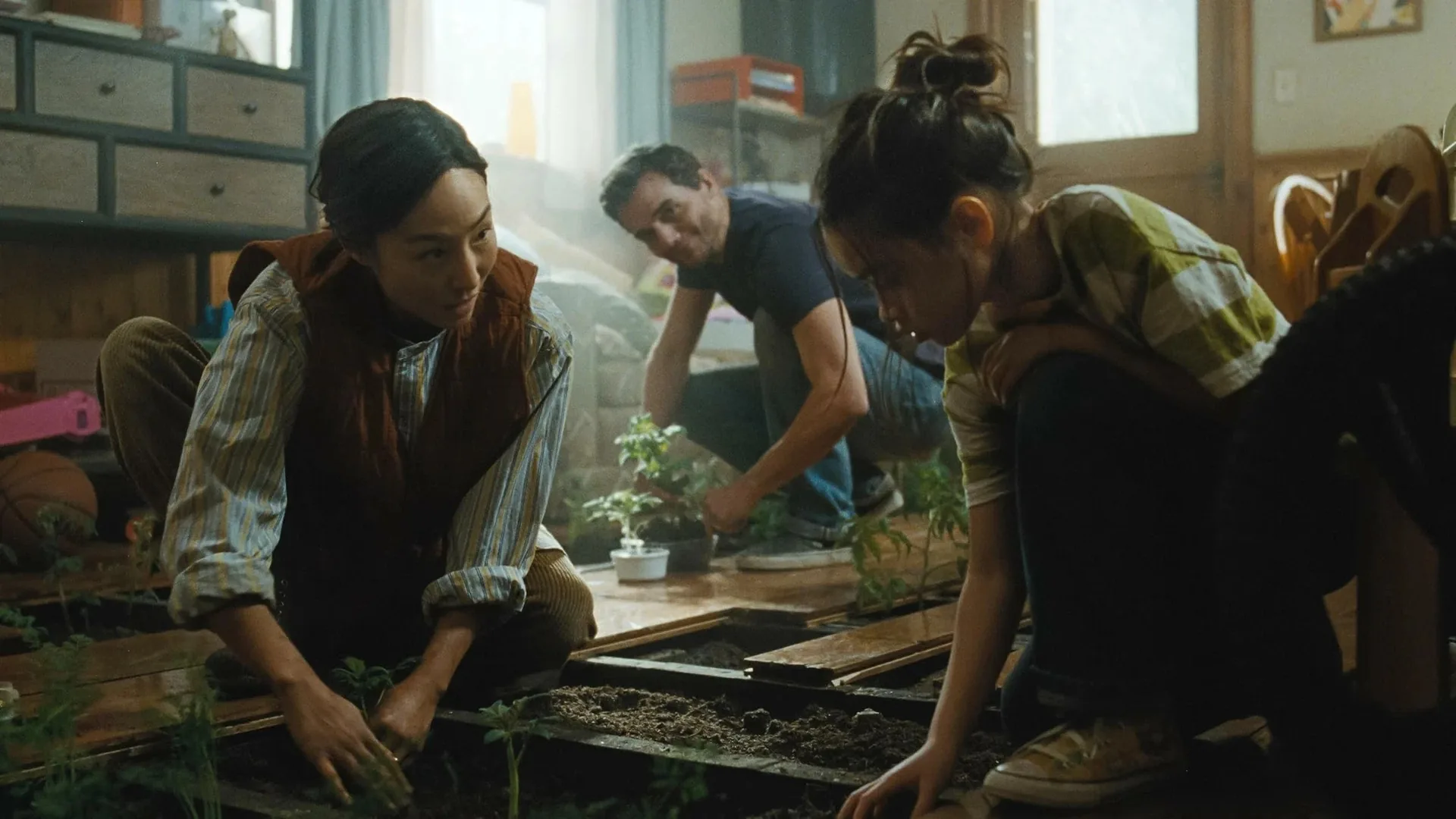
The most curious thing in the film is the transformation of the domestic space. When the bony hand of hunger tries to grab the throat, the heroes suddenly level up to previously unseen skills: in the house grows an improvised garden under the subfloor, traps for animals appear, rainwater is collected. All this looks almost archaic, as if a person rolls back thousands of years.
True, luck accompanies the heroes with persistence that in real life would have turned into a tragedy in the first few days of captivity. Leterrier clearly softens the harshness of survival in favor of dramaturgy. But this liberty can be readily forgiven, since the director does not pretend to be making a documentary report: he asks to look a little deeper, and his request sounds convincing.
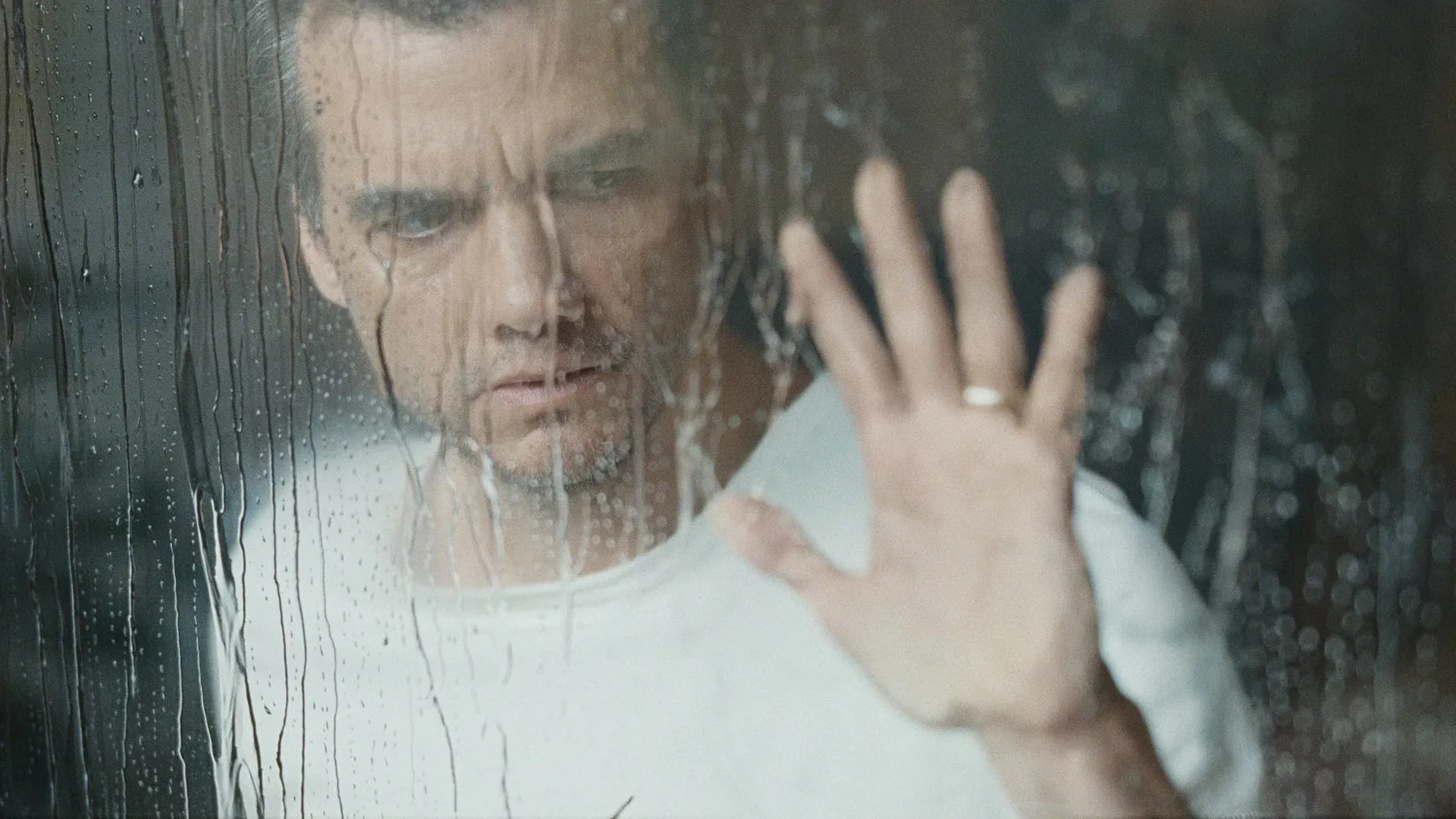
The central role went to Wagner Moura, who after "The Secret Agent" and an Oscar nomination, confidently feels at home in the role of a man cornered. His father of the family is a figure almost tragic, desperate and defenseless at the same time. It is a pity that the other partners against his background look somewhat pale and it does not come to an equal quartet.
And when Moura disappears from the screen, routine household difficulties kick in, or monsters appear, copied either from the Kraken or from Captain Barbossa. The other family members do not get much screen time. But the action scenes, when monsters break into the Delgado house, are staged more reverently, and it is noticeable that in them Leterrier feels much more confident, saving the best for the final stretch.
The ending of the film is open, many dots over the "i" were never placed (although, perhaps, that was the intention), and everything seems to hint at a sequel. This, by the way, is not very upsetting, because during the two hours that "The Last House" lasts, you noticeably become attached to the unfortunate family, imprisoned in their own home, so the hypothetical possibility of seeing them on screen again does not cause irritation.
Comments
0No comments yet.
Sign in to join the discussion.