
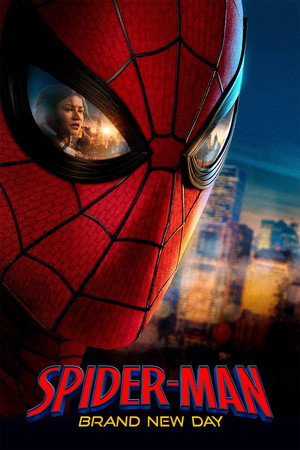
Spider-Man has a supernatural ability (besides his spider powers): somehow returning to the same problems, even if the previous film seemed to have put a definitive end to them. Peter Parker is alone again, saving people again, trying to understand who he has become again, and discovering again that adult life is when you don't have time for a proper sleep, but you do have a suit that needs washing after every fight. But in "Spider-Man: Brand New Day," this circle finally begins to resemble a meaningful route.
Peter Parker Returns to the Streets

The action takes place four years after the events of "No Way Home." The world has forgotten Peter Parker (Tom Holland), including his best friend Ned (Jacob Batalon) and MJ (Zendaya), and the hero himself has finally dissolved into the image of Spider-Man. He lives alone, patrols New York, and tries to hold on to his usual mission, although it gradually becomes noticeable that behind the heroism hides the fatigue of a man who has not allowed himself to simply be human for too long.
The situation is complicated by strange changes in Peter's abilities. His body and spider instincts begin to behave unpredictably, and a new chain of crimes leads the hero to an enemy capable of interfering with people's minds. Familiar faces appear in the story — from Hulk to Punisher — but, fortunately, they do not turn the film into a mediocre gallery of characters purely for fans of the universe.
The City Instead of the Multiverse
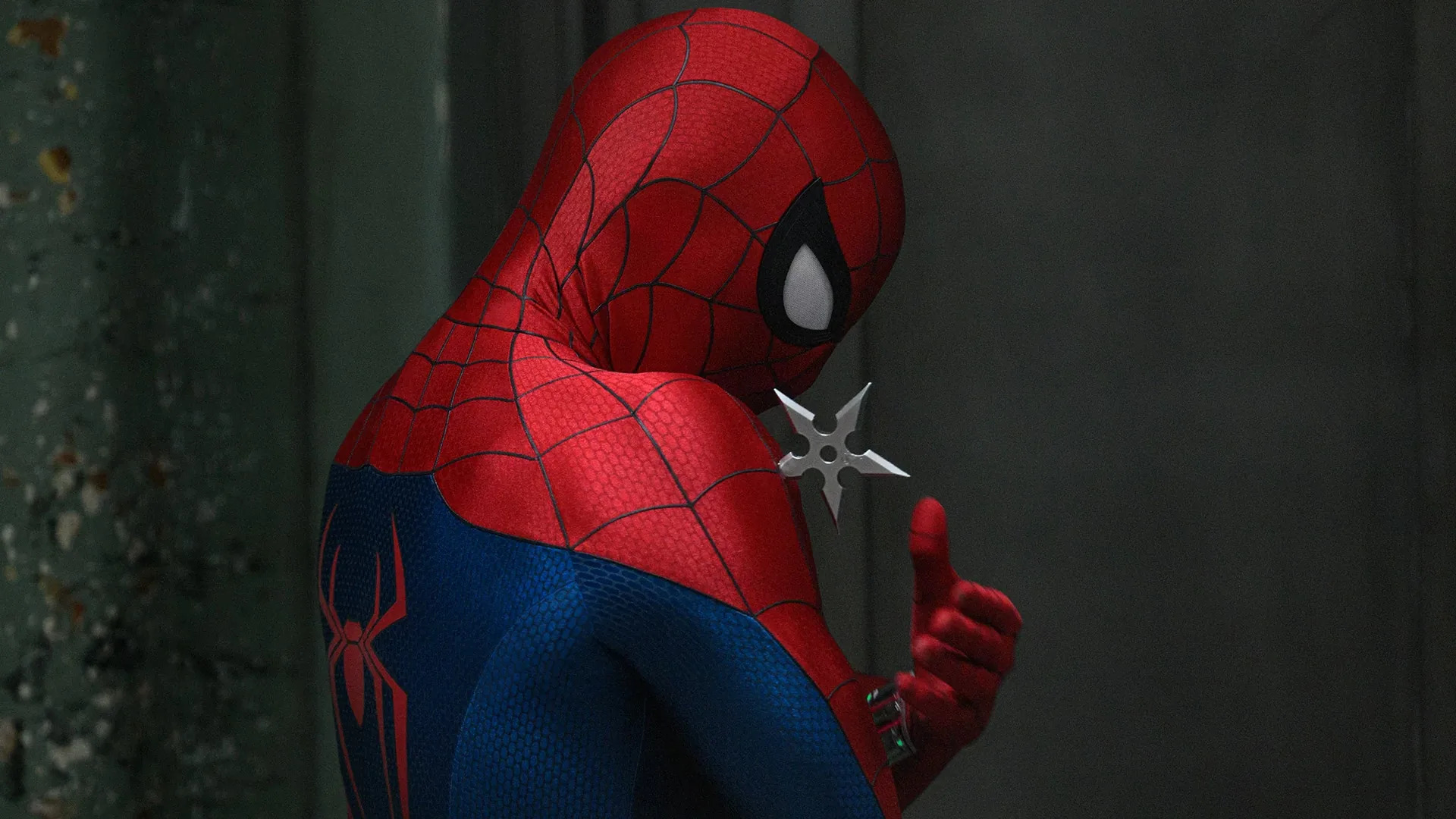
The main thing that benefited "Brand New Day" is grounding. After multiverses, jumps between realities, and a parade of nostalgic cameos, the franchise has finally looked down at its feet again. New York here is not just a backdrop for another final destruction of Manhattan (there is, by the way, a funny joke referencing the Avengers on that note). It feels alive, noisy, and constantly busy with its own affairs — that is, exactly the way Spider-Man's city should be.
In this environment, Peter works especially convincingly. He doesn't look like a superhero who accidentally wandered into an epic drama from another film, as was the case with the final "Avengers." On the contrary, the suit, rooftops, alleys, and police sirens return the character to his usual scale. Peter is again not saving the world from a global catastrophe, but trying to get to where someone is in danger right now. Sometimes this sounds almost old-fashioned, but in today's superhero reality, old-fashionedness has become a rare form of luxury.
The scenes of moving around the city work especially well. They have speed, but no feeling of digital chaos, when the character turns into a multi-colored dot, and the viewer can only hope that in the finale everyone will be in the right place. Cretton understands that Spider-Man's action is largely built on the plasticity of movement. The spider must be agile, impulsive, a little unpredictable — and "Brand New Day" demonstrates this in full.
Familiar Heroes Without a Vanity Fair
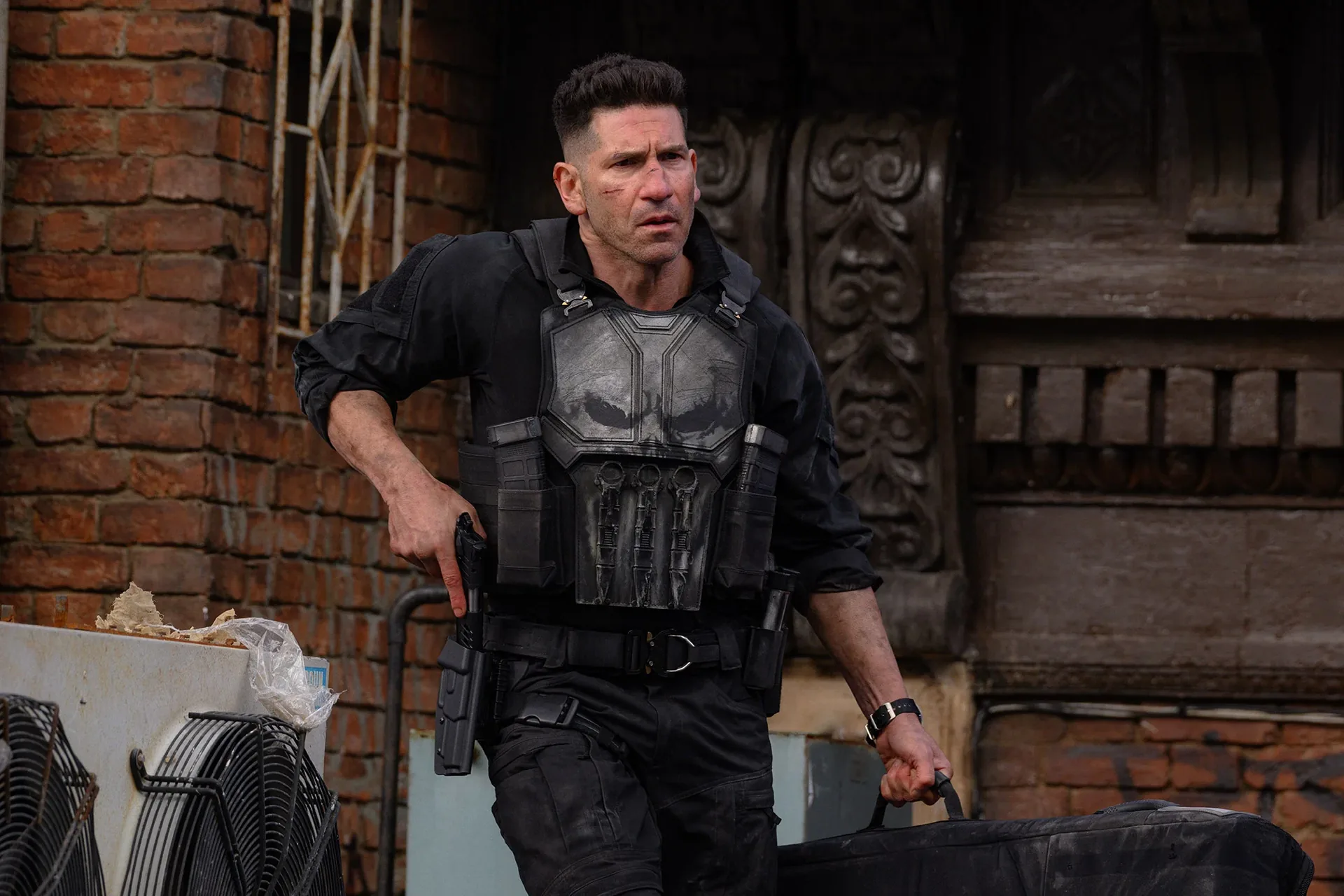
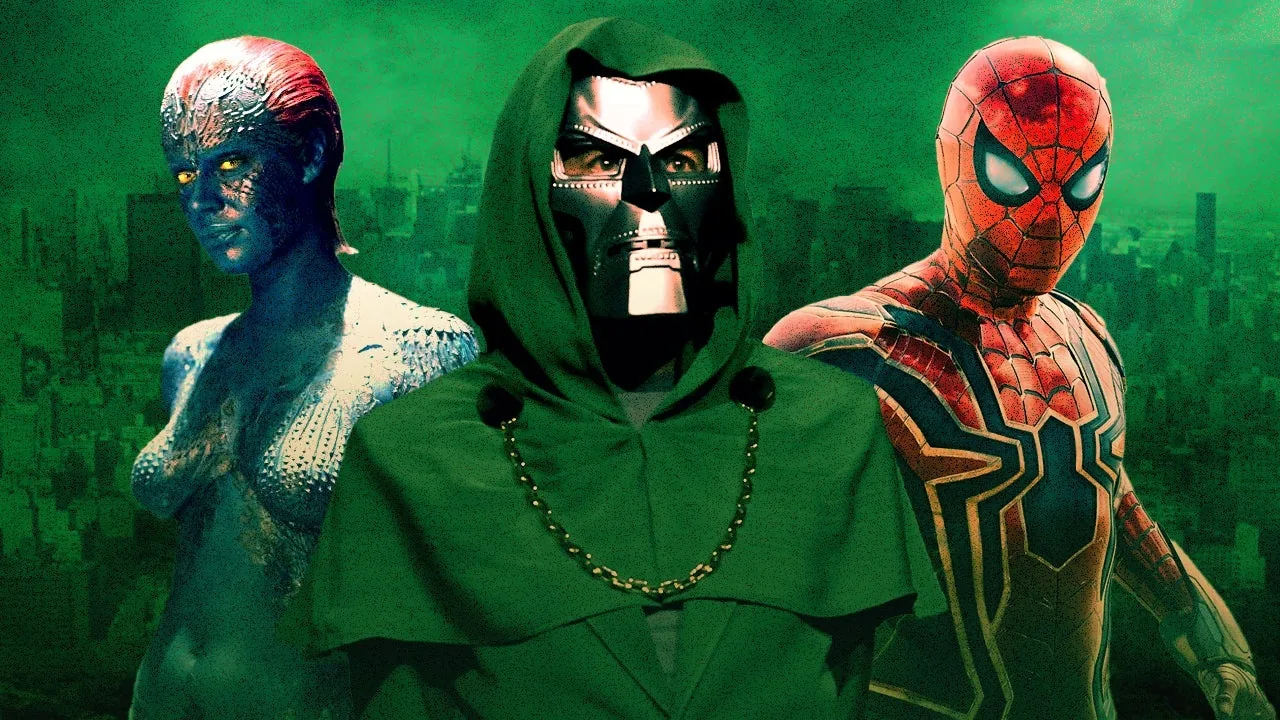
Special attention deserves the use of supporting characters. The film features Hulk, Yelena Belova, and Punisher, and their presence does not look like an agitprop in the spirit of: "Look, we remember that we have other heroes too." Mark Ruffalo, Florence Pugh, and Jon Bernthal are integrated into the story quite organically, and Peter's interaction with Punisher, seemingly extremely polar characters within the MCU, works especially well.
These heroes have different ideas about acceptable methods of fighting crime. One is used to saving people, even if they just tried to kill him. The other prefers to deal with the threat first and leave the moral commentary for later. Their duo gives the film the necessary tension, but does not cancel Peter's character. Punisher does not become a new mentor for him instead of Tony Stark, and Hulk and Belova do not turn into a promotional banner for the next phase of Marvel.
This is an important difference. Fan service must be used with caution, which "No Way Home" neglected by putting it at the forefront. "Brand New Day" in most cases does not just throw familiar characters into the frame so that the audience hears a collective "ooh." They participate in the development of the conflict, shade Peter, and help show what kind of hero he could become if he completely abandoned his human side.
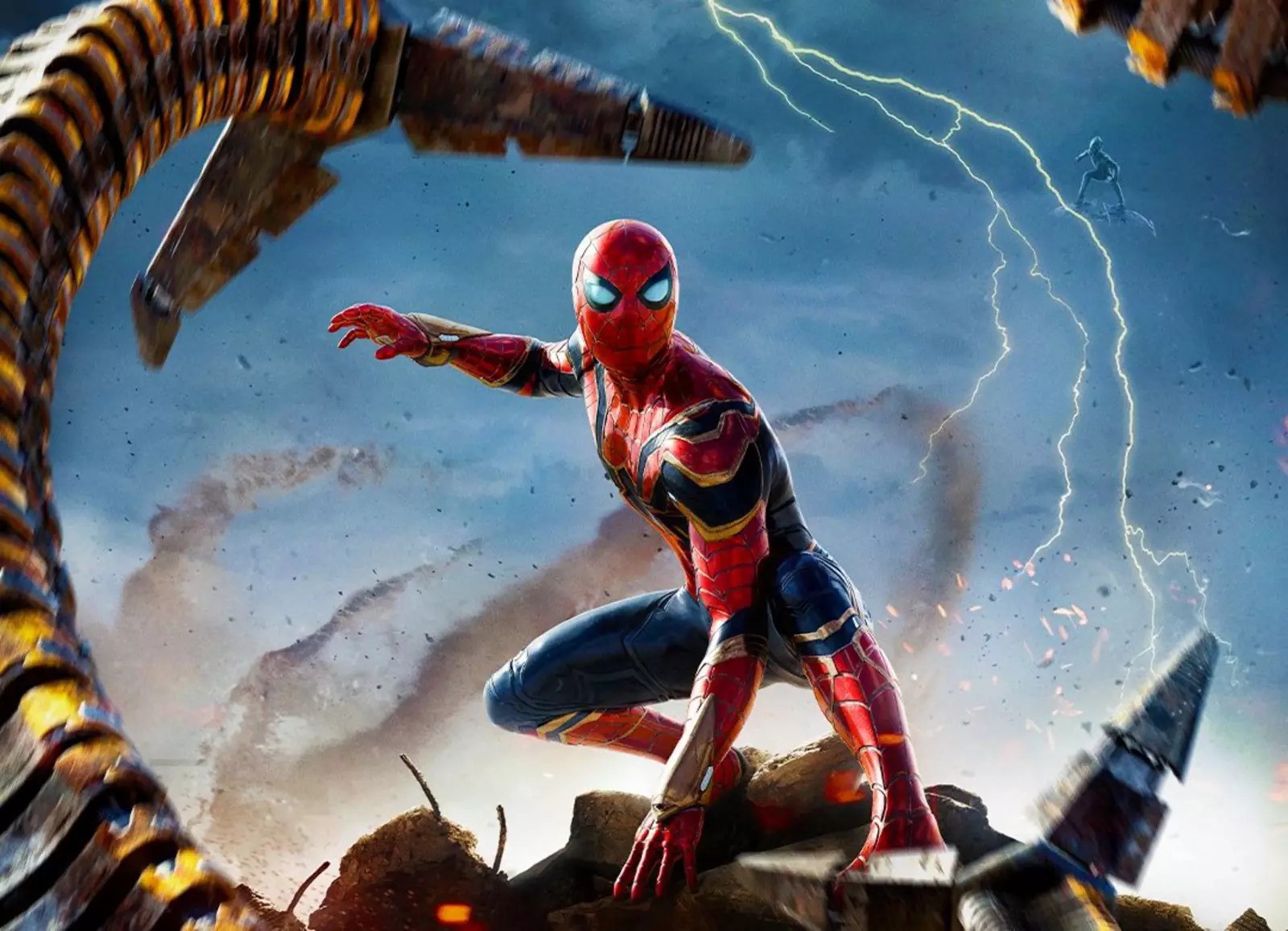
Tom Holland also got the opportunity to play a more adult Peter. Not adult in the sense of "now he speaks in a low voice and wears a coat," but a person who has really gotten used to living with the consequences of his own decisions. His hero has become quieter and noticeably more tired. Even when Peter jokes, behind his lines one feels the habit of brushing off pain.
Banal Truths Said on Time
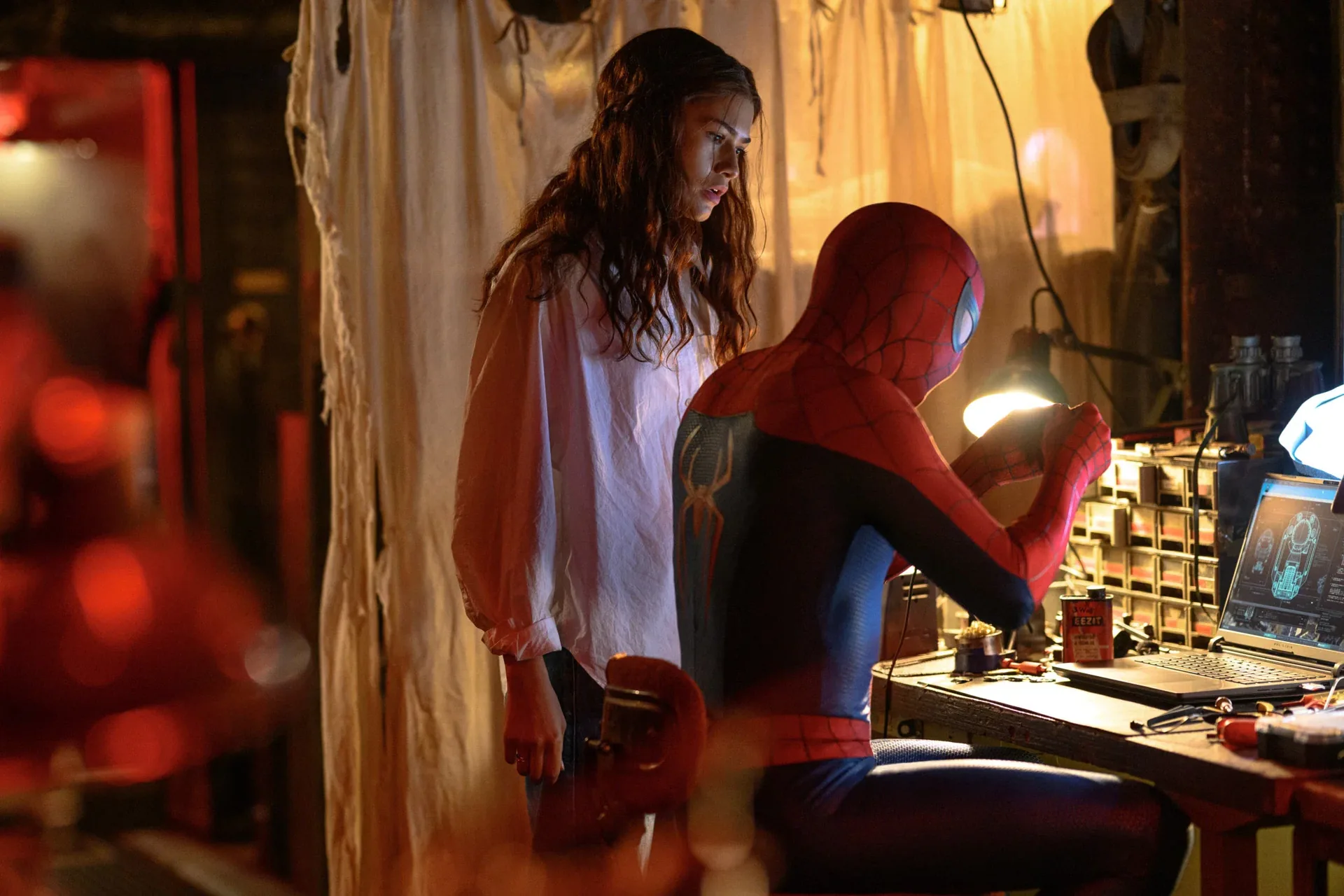
At the same time, the script is not always ready to match its own seriousness. The main themes of the film — self-acceptance, growing up, loneliness, responsibility, and the need to learn to live not only for the sake of saving others — are familiar and studied inside and out. Some thoughts of "Brand New Day" sound as if they have already been discussed in several previous films, comics, animated series, and possibly at a motivational training where they repeat "you must find yourself."
There is also a feeling of secondariness. The film again returns to the idea that Peter must accept his essence, learn to control internal impulses, and stop perceiving his own life as an endless punishment. There is little novelty in these formulations. Sometimes it seems that the screenwriters are not opening a new page, but carefully rewriting a familiar paragraph in a more adult handwriting.
But there is an important caveat here.
"Brand New Day" is made with enough love and energy so that these banalities do not fall apart on the go. Yes, the film does not revolutionize Peter's image. But it convincingly shows that familiar ideas can still work if they are not pronounced mechanically, but with at least a drop of soul. Peter no longer just declares that he has grown up — he lives as if growing up has become a daily unpleasant duty for him.
The film is not without structural problems. In some scenes, one feels preparation for future Marvel projects, and then Peter's standalone story briefly turns into a corridor with signposts: the next hero will go here, a new threat will appear here, and behind this door, probably, another big crossover is hiding (hello, X-Men).
Fortunately, the film does not sink in these routes. Its center of gravity remains in New York and in Peter himself. And when "Brand New Day" stops looking over its shoulder towards the future cinematic universe, it becomes noticeably stronger.
Verdict
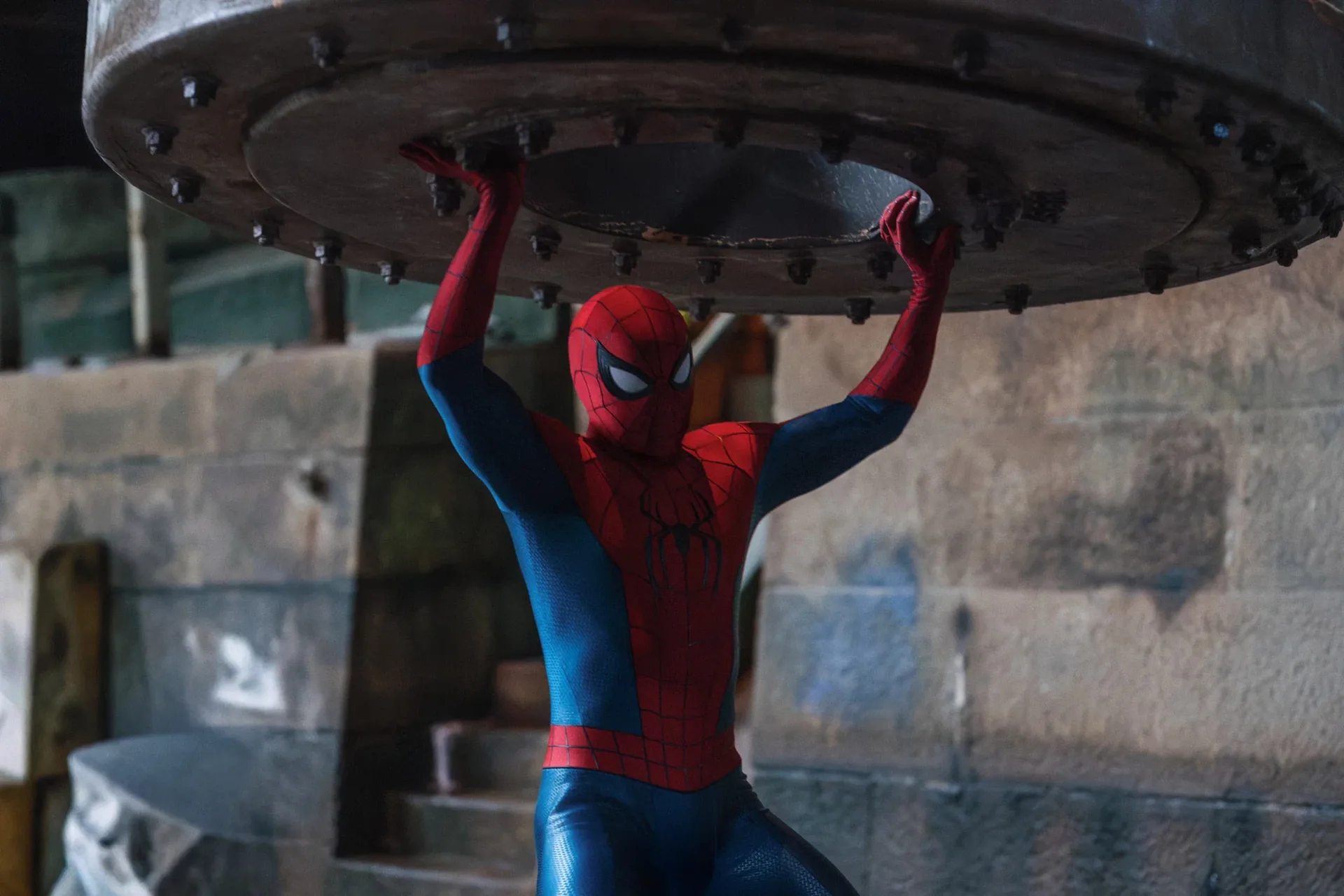
"Spider-Man: Brand New Day" does not reinvent Peter Parker, but it returns to him the city, personal space, and a sense of independence. After loud multiverses and endless exchange of cameos, this looks almost like a radical decision. The new director confidently works with flights and action, Tom Holland finally plays a hero who has truly gone through a difficult experience, and the participation of Hulk and Punisher does not come down to a lazy wink to fans.
Yes, the thoughts about self-acceptance and growing up are familiar. Yes, the film is sometimes overloaded and not all dramatic lines receive equally convincing development. But Spider-Man never had the task of speaking exclusively about the complex and incomprehensible. His stories are held together by simple things — and "Brand New Day" reminds us that a simple thought does not have to be empty. If it is said with soul, it can still be heard.
Comments
0No comments yet.
Sign in to join the discussion.