
For many years, the domestic series world has been trying to fight "soapy" intonations and stereotypes, cardboard villains are being expelled, and in their place serious works with genre, psychology, and visuals are gradually coming.
So when OKKO announced the new series "Fake," I awaited it with curiosity: what would our screenwriters offer this time in the psychological thriller genre? And after the first twenty minutes, it became clear — this is the very case when a Russian series is not inferior to Western counterparts in atmosphere and depth of material development. This is not a teenage horror story about hackers, but a serious, adult story about how a digital footprint turns into a weapon, and how easily life collapses when you are pressured through the screen.
The setup is simple to the point of genius. A young biology teacher, Rita, is preparing to move to Moscow on a grant — this is her finest hour. She is smart, successful, respected at school, valued as a teacher. And suddenly, one wrong step in the digital space triggers a chain reaction. Someone who knows her weaknesses begins publishing old correspondence, compromising photos, and personal secrets, and does it precisely — first among students, then among colleagues, and then wider. The heroine finds herself trapped in a web of rumors, where each new day brings new humiliation. And importantly: the authors do not give us a simple answer to the question "was she right?". This is not a story about an innocent victim, but about a person who once made a not-so-right choice and now pays for it in full.
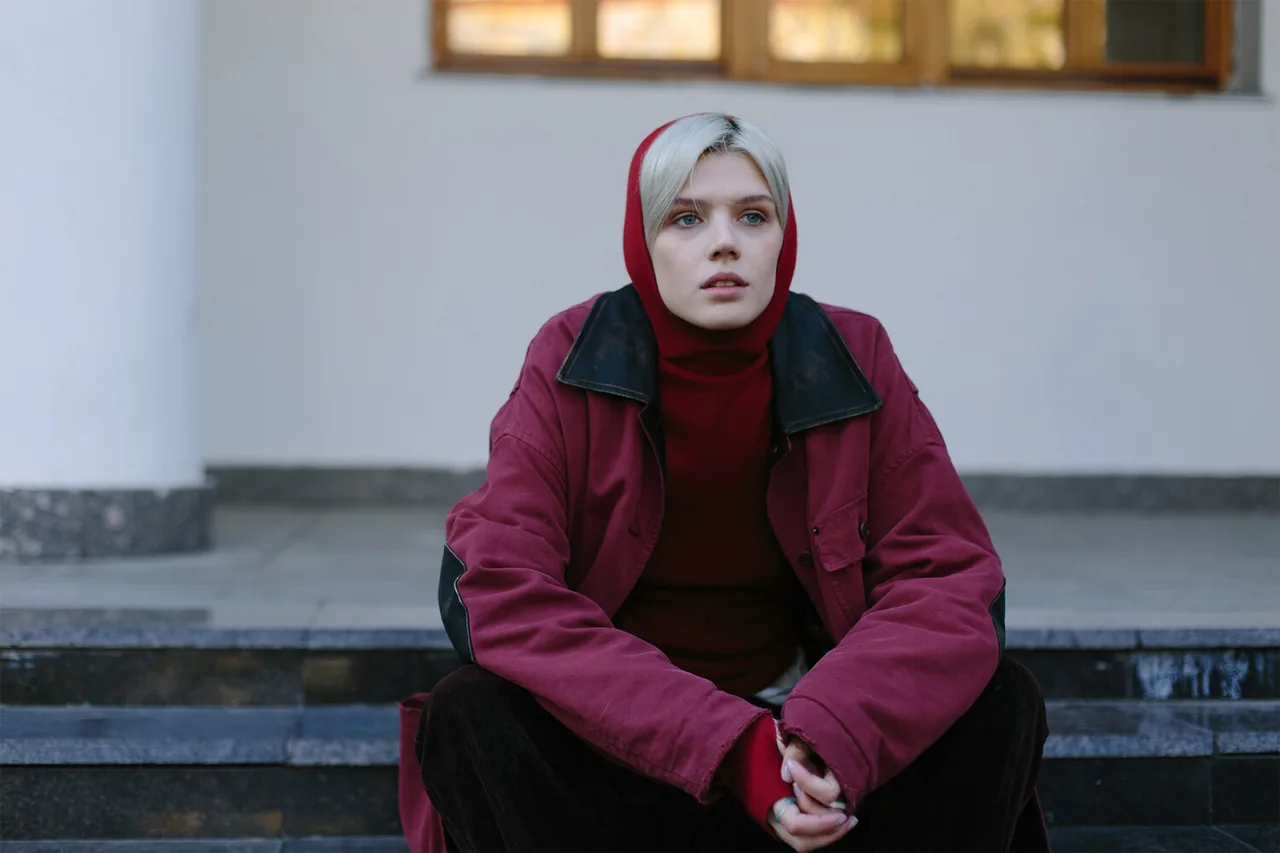
I especially want to dwell on the detective component, because here it is developed much deeper than is usually the case in similar projects. The director and screenwriters do not build the plot according to the template "one villain and two suspects." The circle of people who could be behind the persecution is constantly expanding, and each option looks weighty. Best friend Marusya is a classic "envious friend" — she too actively offers help, but cold curiosity slips through her eyes from time to time. Rita's boyfriend is a person with a dark past and difficult relations with the law. Students are teenagers whom Rita allegedly offended, and they have all the technical skills to carry out such revenge. Even completely secondary characters, like the school principal or the main character's parents, get their moments of suspicion, and this creates a dense, stuffy atmosphere where you can't trust anyone.
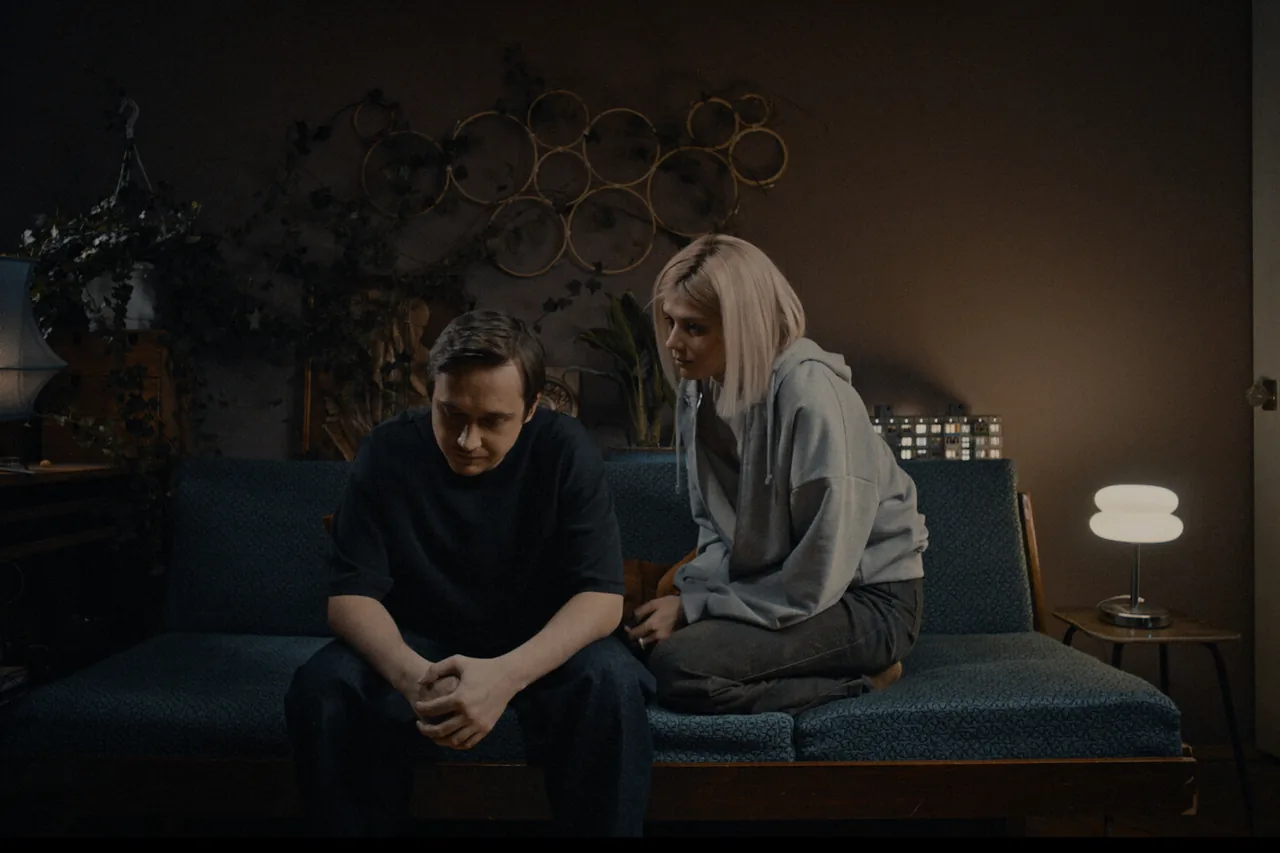
The key twist happens exactly in the middle of the season, and it changes everything. Without spoilers: it turns out that Rita has a secret that makes her not a victim, but a person bearing a share of responsibility for what is happening. This moment moves the series from the category of "find the criminal" to the plane of "figure out who you really are." From this point, the detective turns into a psychological drama about guilt and about how the past catches up with you at the most inopportune moment. And the finale, to the creators' credit, does not give easy answers. It does not say "here is the villain, punished, everyone is happy." It leaves an aftertaste, forcing the viewer to think and rethink what they saw. But in the finale, we will still hear the long-awaited word for a stalking victim: "Found"
As for the direction, there is something to pay attention to. The visual language of the series works for anxiety. Pale, faded colors, an abundance of dark tones, constant close-ups of Rita's face when she looks at the phone screen, and the reflection of the display backlight on her face — this detail is especially catchy. The creators visually show how the heroine is locked in a glass world where she is visible from all sides, but there is no way out. The cameraman skillfully plays with open spaces: a house with panoramic windows, school corridors — all this, it would seem, is spacious, but on the screen it feels like a cage in which we fall together with the heroine. The sound design is minimalist, without loud orchestral bursts, but whispers and mechanical notification sounds are woven into the overall rhythm so that you subconsciously start checking your own phone.
As for the musical arrangement, there is also something to discuss. The background instrumental parts work exactly as they should in a good thriller: they do not interrupt the action, but enhance the feeling of anxiety. Minimalist, slightly industrial sounds mixed with electronic pulsations create that very oppressive background that keeps you tense even in seemingly everyday scenes.
But separately it is worth noting the episodic songs that appear in key scenes. The authors approached their selection thoughtfully: these are not just random tracks from a playlist, but semantic accents. In moments when Rita is left alone, sad, lingering compositions with female vocals sound in the frame, emphasizing her isolation. Sometimes they directly illustrate what is happening on the screen and seem to sound like Rita's inner voice. Unlike many projects where the soundtrack lives its own life, here the music is a faithful assistant to the director, not an independent attraction.
Among the shortcomings is the rhythm. Especially in the third and fourth episodes, the narrative noticeably sags, and if you want to figure out who the main "villain" is, then you, like Rita herself, are given time to think, because it is in haste that you can make many mistakes. Dialogues begin to go in circles, the characters chew over the same emotions for too long, and you want to shout: "Just move on to the denouement!". But on the other hand, this gives time to imbue the heroine's state, to feel together with her that viscous hopelessness when every day is like the previous one and nothing changes.
What is the bottom line? "Fake" is not about hackers or chases. It is about how we ourselves open the doors to our lives with our own hands and how easily this openness can be used against us. After watching, it is not fear that arises, but rather an obsessive thought: what would happen if someone just as methodically dug into my history? The series does not give answers, but it asks questions very well. The series does not teach life and does not read notations — it simply shows how easily a person can break if you press the right buttons. And this is its main strength. For Russian genre cinema, this is a bold and confident step that deserves to be appreciated. For those who like not just to solve riddles, but to observe the psychological portrait of a person in extreme conditions, we strongly recommend it.
Comments
0No comments yet.