
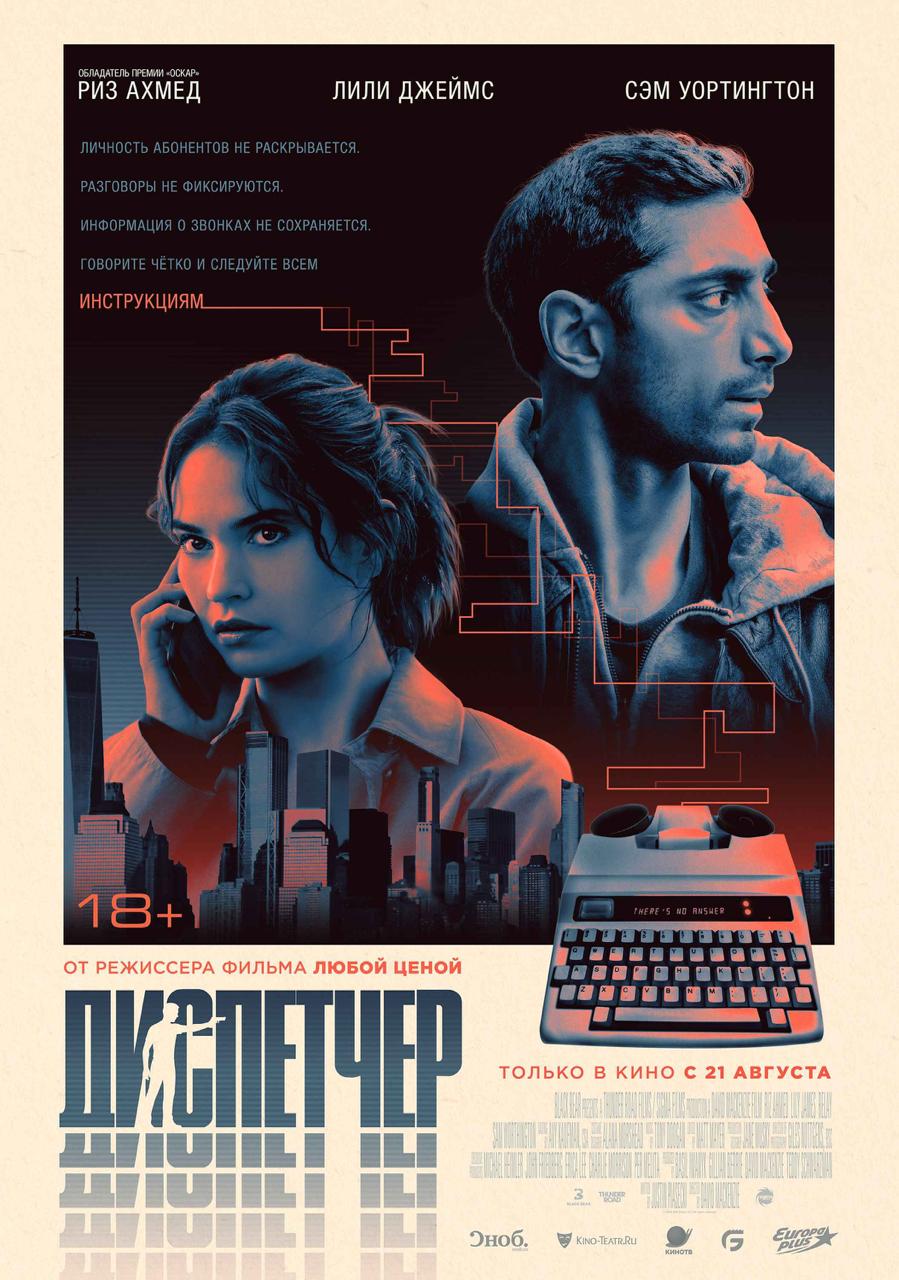

Does the word "teletype" mean anything to you? No? Maybe you don't even cover your laptop camera? And you save passwords in your browser? How many minutes did it take you to read this paragraph? About as long as you'd last in the real "Dispatch."
Suppose you work for a large company and learn some unpleasant things about it. For example, a design flaw in a new car model sometimes leads to accidents, but it's cheaper for the company to pay off victims than to launch a mass recall. Or a sensor error could dangerously jerk an airplane's nose, but neither pilots nor regulators need to know about it. Or a batch of wheat with a toxic effect "accidentally" went not to disposal but to the market.
Suppose you decide that the truth is better not shouted but sold, and you plan to go not to the press but to the cash register. Who wins: a guy with a flash drive or a corporation that knows how to close such risks without witnesses and consequences? And if you don't want to become another accident statistic, you need to contact a special person. An intermediary from that gray zone where information isn't leaked but routed, where blackmail isn't an impulse but a service, and security is measured not by bulletproof vests but by the right distance between people.
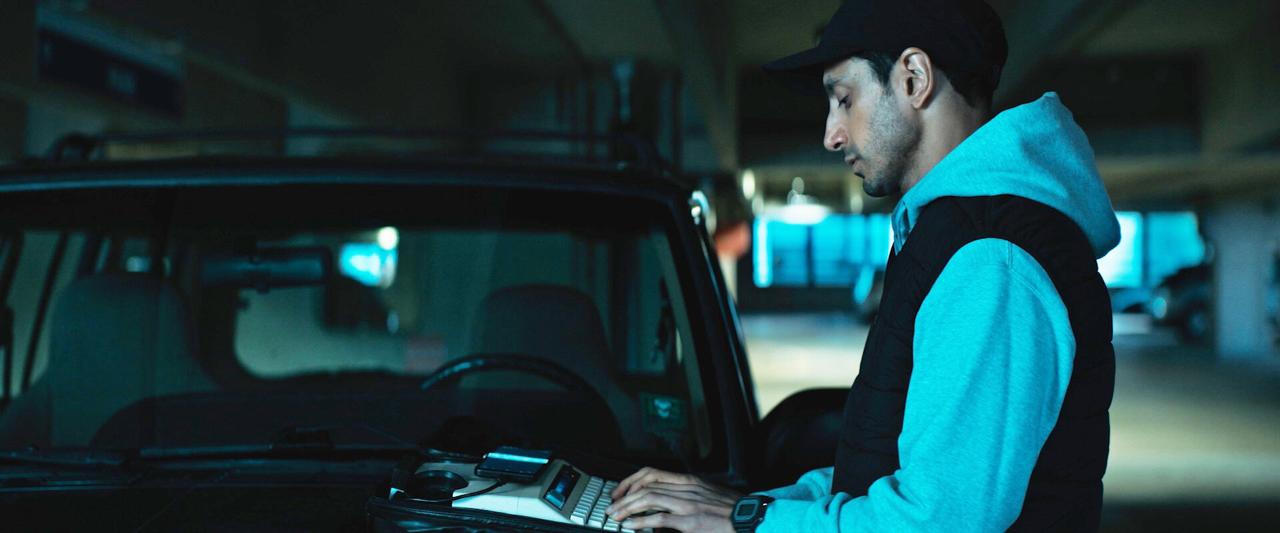
Ash from the film is just such a person. He gets things done, finds options, solves problems. He glides through streets, train stations, hotel lobbies with the face of someone always thinking two steps ahead. He communicates through outdated technologies like that teletype, because old means untraceable. His job is to make sure the client lives long enough for the money to hit the account.
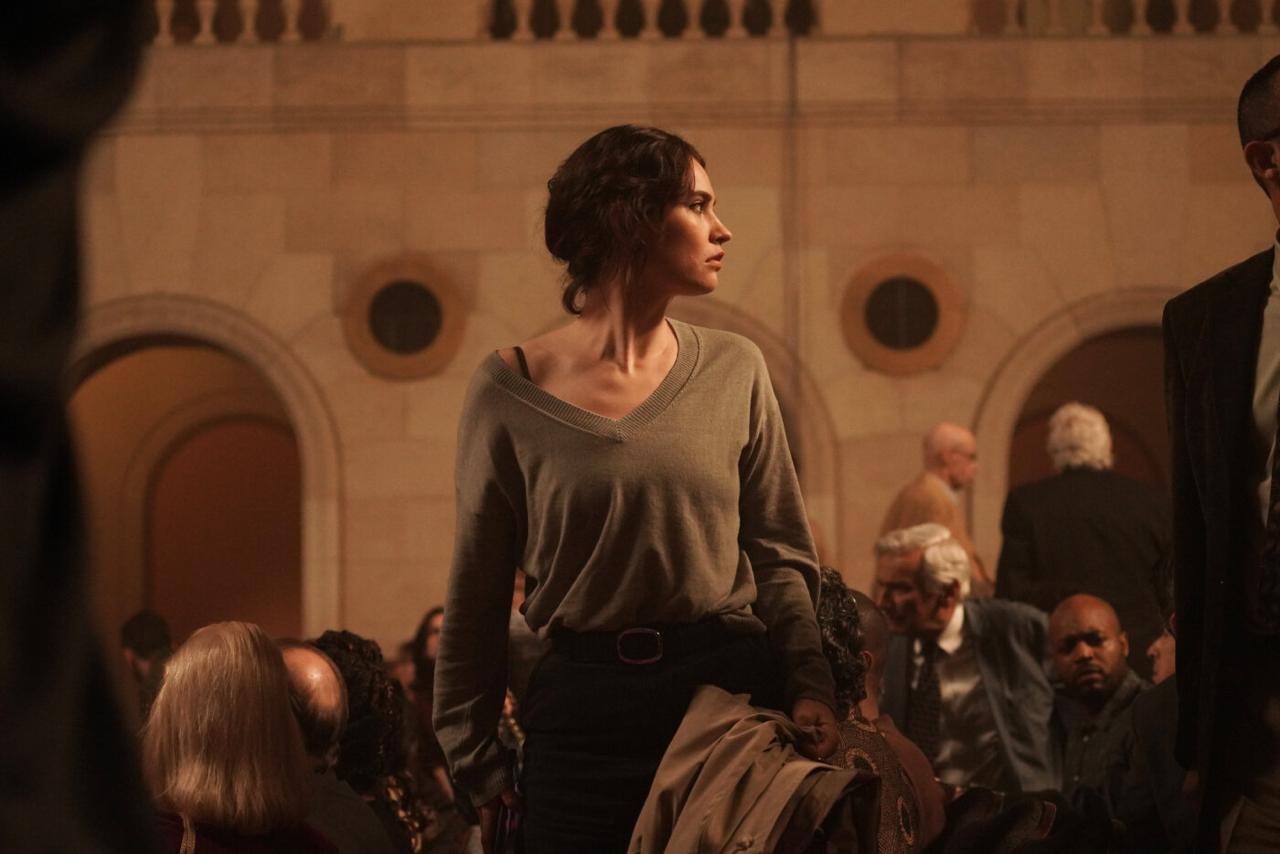
The first two acts of "The Dispatch," where exactly all of the above happens—that is, people with worried faces walk across the screen left to right and right to left—well, those first two acts are flawless. The air between Ash and his new charge crackles with electricity, even though they never appear in the same frame, and the clatter of teletype keys sounds more effective than gunshots.
Unfortunately, gunshots do happen. Like any taciturn hero with a set of rules, at some point Ash breaks those rules and brings down on himself (and us) a cabinet full of thriller clichés—guns, chases, and twists. And "The Dispatch" runs aground. Instead of a tense game of distance and control, we get familiar kinetics, where problems are solved not by precision and patience but by speed and ammo count.
It's such a shame, you know. If "The Furniture Company" was a corporate thriller by people who hate corporate thrillers, then "The Dispatch" is a corporate thriller by people who don't understand corporate thrillers and for some reason switch from anxious whispers to shouting at the worst possible moment. But until that moment, the film remains an exemplary B-movie about people with worried faces walking across the screen left to right and right to left.
#watched_a_movie
Comments
0No comments yet.