

While I'm on the road, I'll chat with you 😊
There's never too much twang. What do we know about it and what is it for? 🤔
I'm sure the vocalists of the studio already know a lot about it!
But let's recall some facts:
- otherwise, twang can be called "narrowness"
- from a physiological point of view, it is a contraction of the A-E sphincter (aryepiglottic sphincter);
- from an acoustic point of view, it is ring, brightness.
Twang is a necessary "ingredient" for forming/developing high bright notes.
Where can you hear it, who is its true bearer?!
Babies! 🤩
Their crying and laughter penetrates even the "thickest walls". Their voice is bright, ringing, and loud.
Another vivid example: your domestic cat - it perfectly uses "narrowness" in sound 🐱
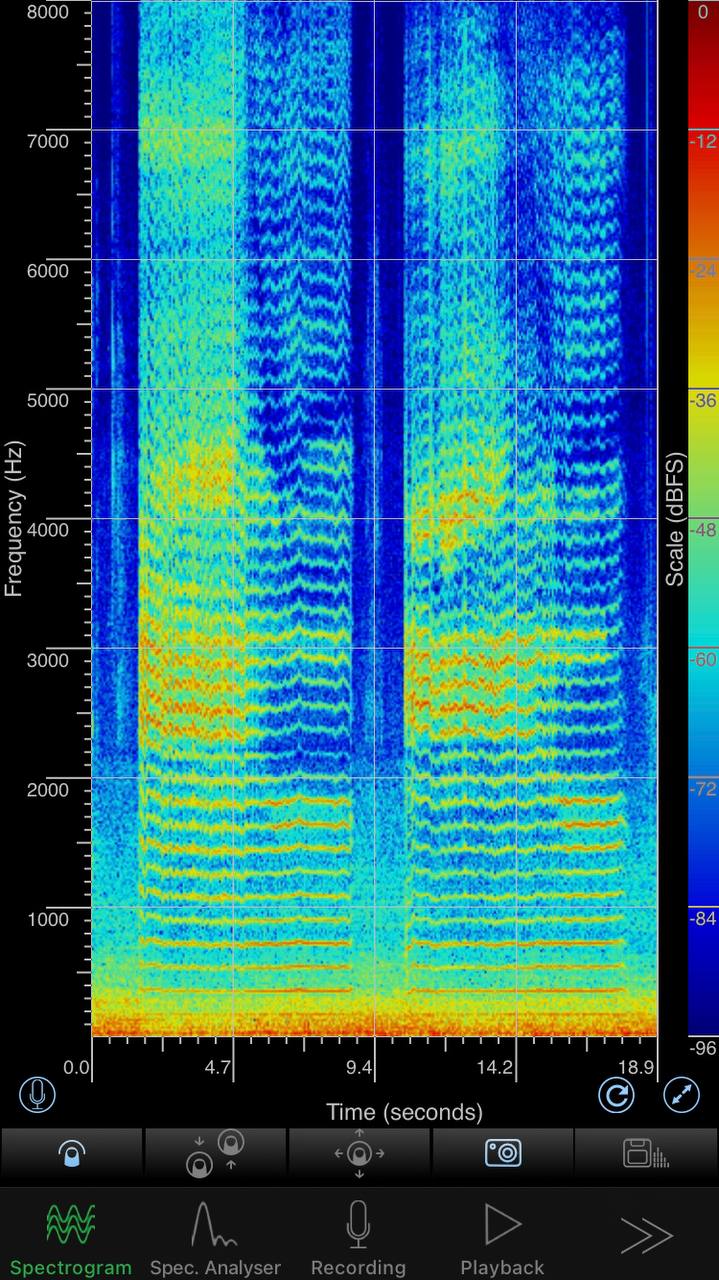
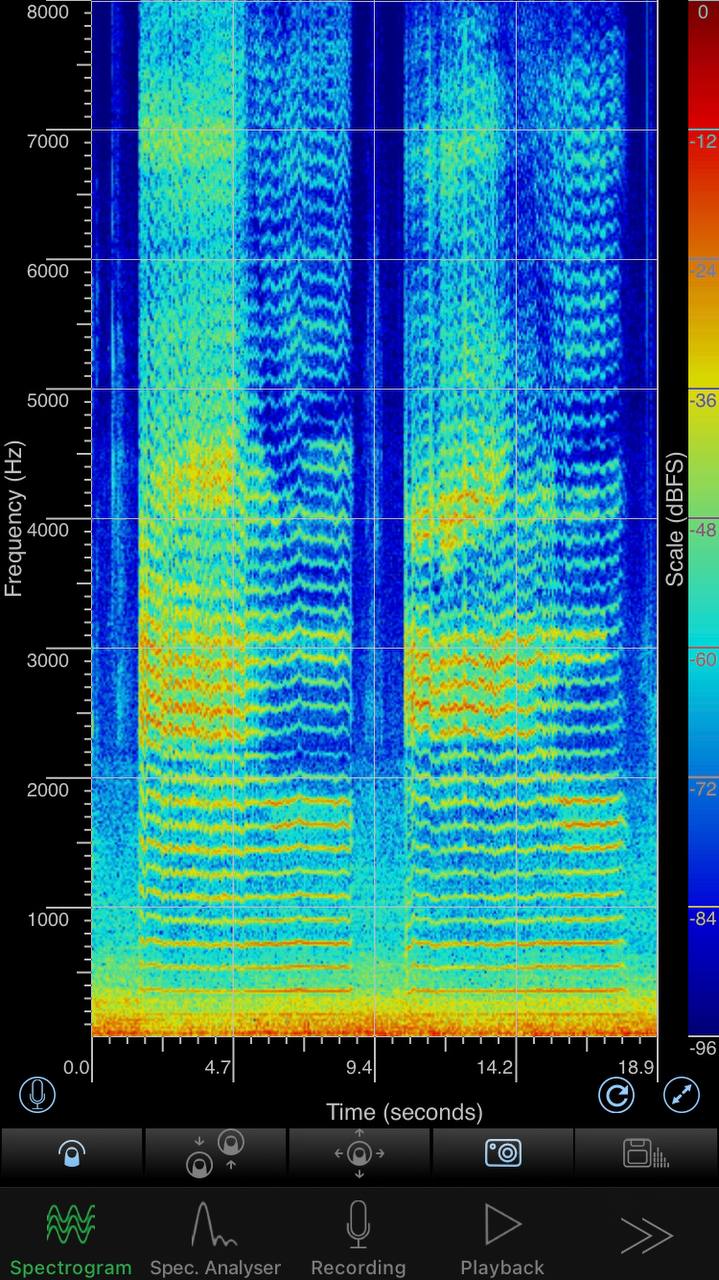
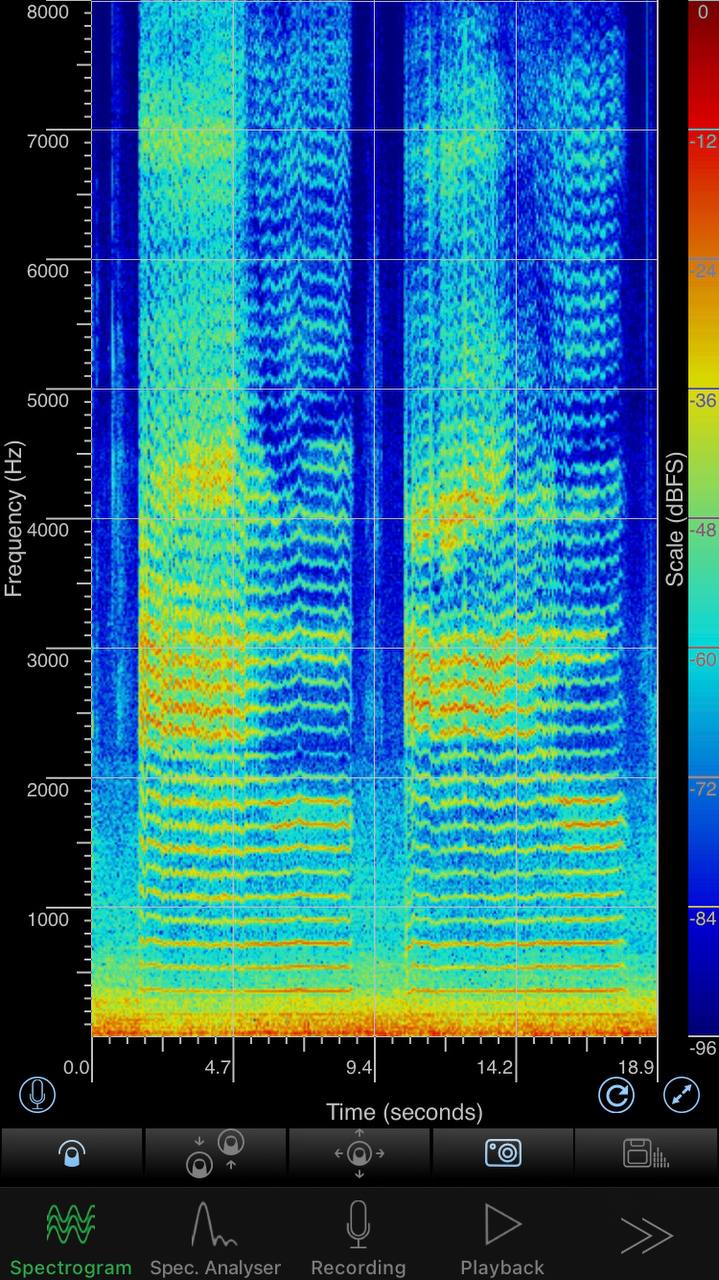
*️⃣ Looking at the picture, you can notice that some areas are brighter, some less, I tried to visually demonstrate the use of narrowness with its gradual decrease.
I analyzed the sound using the app: SpectrumView
Comments
0No comments yet.
Sign in to join the discussion.