
Making a film based on Albert Camus is a dubious endeavor from the start, akin to trying to paint a smell. His prose rests on things that a camera physically cannot capture: inner emptiness, ringing indifference, and existential boredom.
In the sixties, the legendary Luchino Visconti already took on this heavy material with the equally legendary Marcello Mastroianni in the lead role, but it turned out too theatrical. François Ozon, in his 'The Stranger,' took a different path. He didn't pretend to be filming a philosophical treatise. Instead, he turned the story of an existential crisis into a stuffy, viscous, and mesmerizingly beautiful psychological thriller, where the main villain is not even society, but the unbearably blinding Algerian sun.
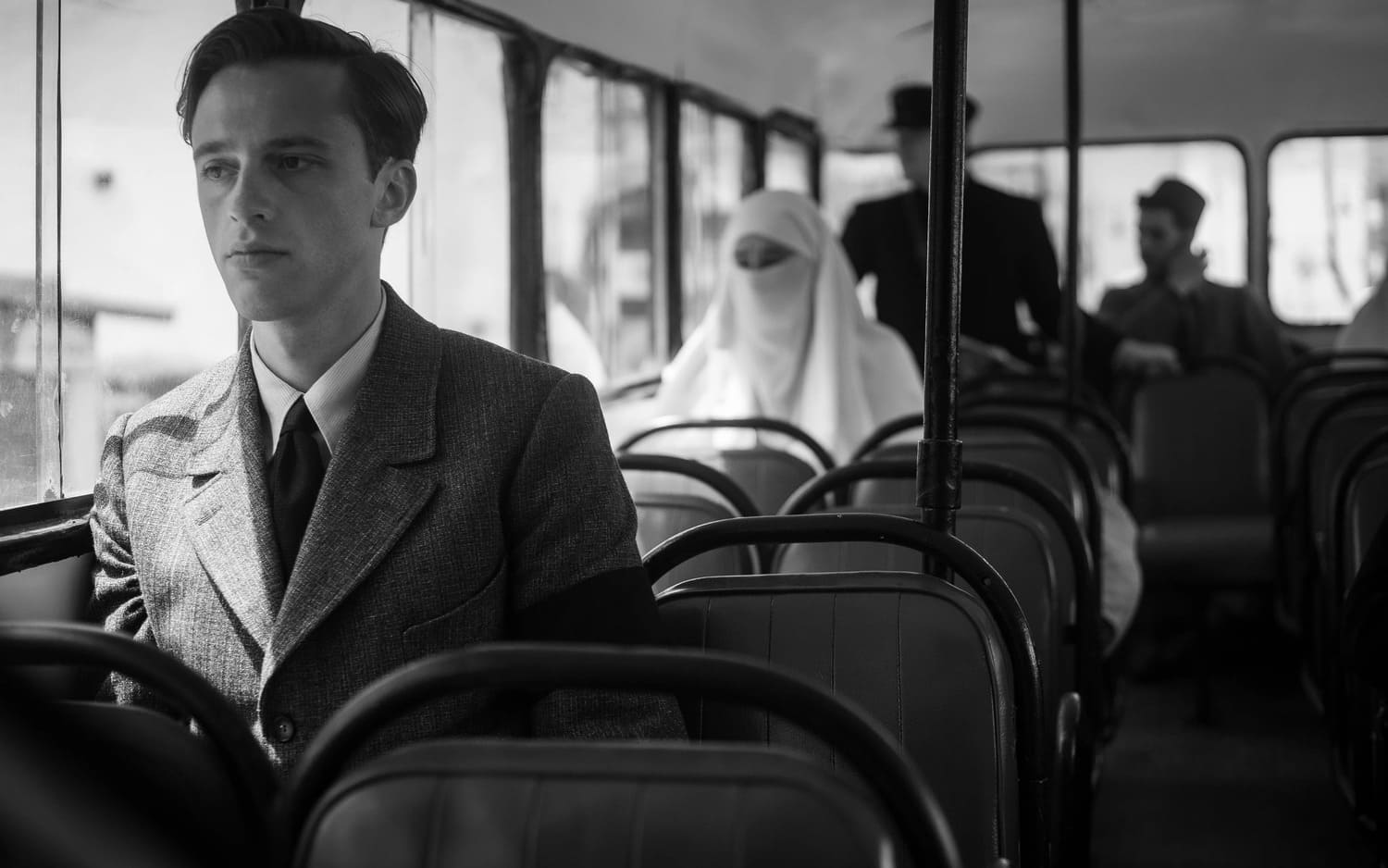
The plot starts with the most famous literary starting point of the 20th century: Meursault's mother dies. The hero takes time off, goes to the nursing home for the funeral, drinks coffee by the coffin, doesn't shed a single tear, and the next day goes swimming. There he starts an affair with an old acquaintance, watches a comedy (about the oppression of Arabs — an important element) at the cinema, and generally lives as if nothing happened. A little later, finding himself on a beach scorched by the midday heat, Meursault pumps several bullets into an unknown Arab. Just because the sun was shining too brightly in his eyes, and there happened to be a revolver in his pocket.
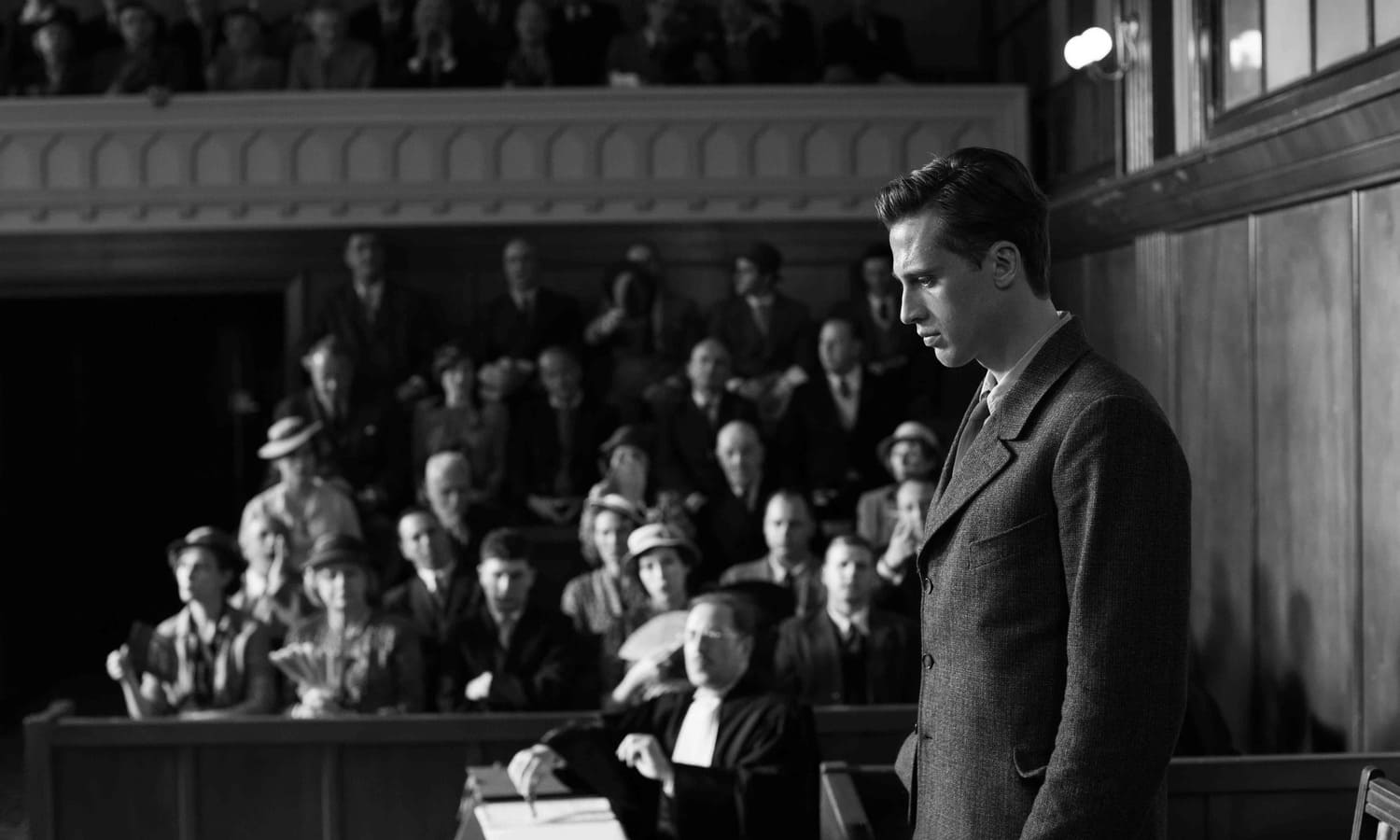
The rest of the story is the trial, where the French colonial system tries to stretch a logical owl onto the globe of absurdity to understand: how can a person be so indifferent to everything in the world?
The first thing that throws you off while watching is the visual solution. We are used to cinematic Africa being spicy markets, warm sand, and postcard exoticism. Ozon deprives us of this comfort.
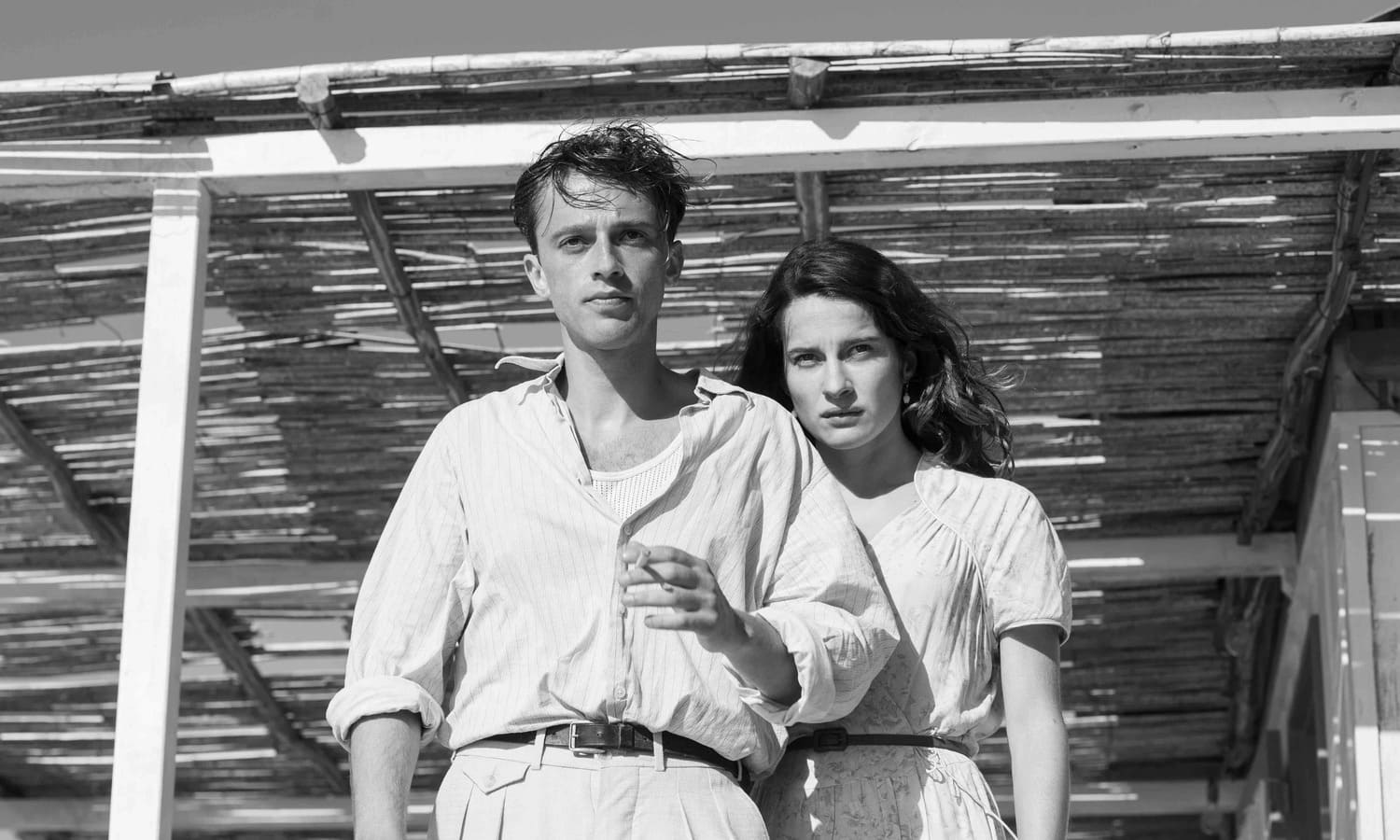
The film is shot in a ruthless black-and-white format, but importantly, the camera initially captured color, which was removed during post-production. This technical nuance gives a stunning effect: you physically feel the scorching air melting the frame, but instead of warm tones, you get a cutting contrast.
The light here does not warm, it tortures. On the beach, it burns the retina white, and in the courtroom, it turns into a cold spotlight during interrogation. In this monochrome universe, there is no room for halftones — neither in the picture nor in human relationships.

Benjamin Voisin in the role of Meursault is an absolute bullseye and perhaps the main reason to buy a ticket at all. Playing a maniac is easy — sometimes it's enough to smirk ominously and mysteriously. Playing a hero is easy — it's enough to save a damsel in distress in time. But try playing absolute, crystal-clear 'nothingness.' Voisin exists on screen with the grace of a cat watching bustling people: without judgment, without sympathy, with complete incomprehension of why they make so many sounds.
Benjamin Voisin's physical resemblance to a young Alain Delon works here in contrast: where Delon always had a hidden threat or fracture, Voisin has a deaf concrete wall. He does not lie to the court or the priest out of high moral motives. He is simply too lazy to come up with excuses. In a world where everyone wears the mask of a grieving son, loving partner, or law-abiding citizen, a person without a mask looks like the scariest monster.
An excellent counterbalance to this emotional 'coma' is Rebecca Marder in the role of Marie. Her character is a concentrate of life, laughter, and understandable human desires. She wants marriage, she wants love, she wants normalcy. Their scenes together resemble an attempt to light a fire in a downpour: she throws her emotions at Meursault, and they simply bounce off his impenetrable shell.
Marder is incredibly beautiful in this role, but her beauty here is a tragic tool. The director needs it precisely to emphasize what Meursault is giving up in his stubborn indifference.
At the same time, Ozon wouldn't be himself if he simply remade the classic verbatim. He carefully, without poster-like straightforwardness, sews a postcolonial subtext into the fabric of the narrative. The film very clearly shows that French society in Algeria is outraged not by the fact of the murder of a local — no one really cares about that. The system goes berserk because Meursault broke the ritual. He didn't cry at his mother's funeral, didn't repent before the crucifix, and refused to play by the rules.
Ozon shows the colonial world as a stuffy cage where violence is in the very air, where beating up a person of a different nationality is normal, but not drinking wine with sausages with a neighbor is already suspicious.
In the end, we get a film that leaves a strange, lingering aftertaste. This is not a movie you'll want to discuss vigorously with friends over a pint on a Friday evening. Ozon made a film that gets under your skin and forces you to ask yourself extremely uncomfortable questions. How often do we ourselves imitate the right emotions at work Zoom calls, family dinners, or even funerals, just to get society off our backs?
'The Stranger' is a brilliant, cold, and sobering experience. It's worth watching to see how literature of a big idea turns into big cinema without losing a single milligram of its intellectual weight. And yes, after the film, you will definitely squint at the sun a little differently.
Comments
0No comments yet.
Sign in to join the discussion.