
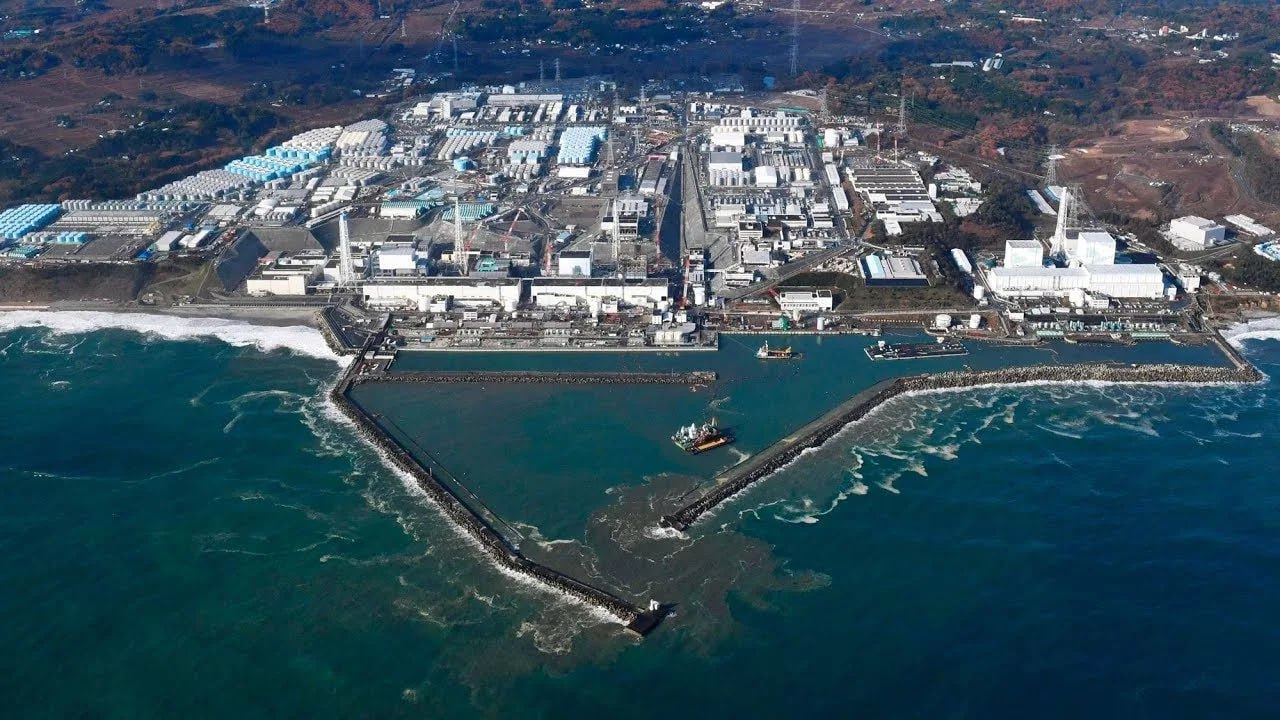
⚡️ 15 Years After Fukushima. Fukushima Is Still More Dangerous Than Chernobyl
15 years ago, an earthquake and tsunami destroyed the Fukushima Daiichi Nuclear Power Plant, killing 20,000 people and forcing 160,000 to flee the exclusion zone.
One would think that after a decade and a half, recovery would be possible.
But the reality is scarier: three reactors are still so radioactive that robots burn out when attempting to examine the molten fuel.
Water contaminated with radionuclides is discharged into the ocean, and microscopic cesium particles still float in the air across Japan.
The government spends billions on "decontamination" and forces people to return, having increased the permissible radiation dose by 20 times.
But in towns where thousands once lived, barely a hundred daredevils now remain. Forests and mountains will remain radioactive for 300 years.
But what is puzzling: "cleaned" soil with cesium levels dangerous for unprotected work is called "happy soil" and is distributed across the country — even to the Prime Minister's office.
Cesium-137. Its half-life is 30 years. But that doesn't mean radiation will disappear in 30 years.
🆘 To reduce cesium levels by 1000 times, 300 years are needed — 10 half-lives. That is, the forests and mountains around Fukushima will remain radioactive until 2311. We are living now, and those hills will still be "radiating" for our great-grandchildren.
And no technology can change that — only time)
👉 Online gamma radiation monitoring here
Comments
0No comments yet.
Sign in to join the discussion.