
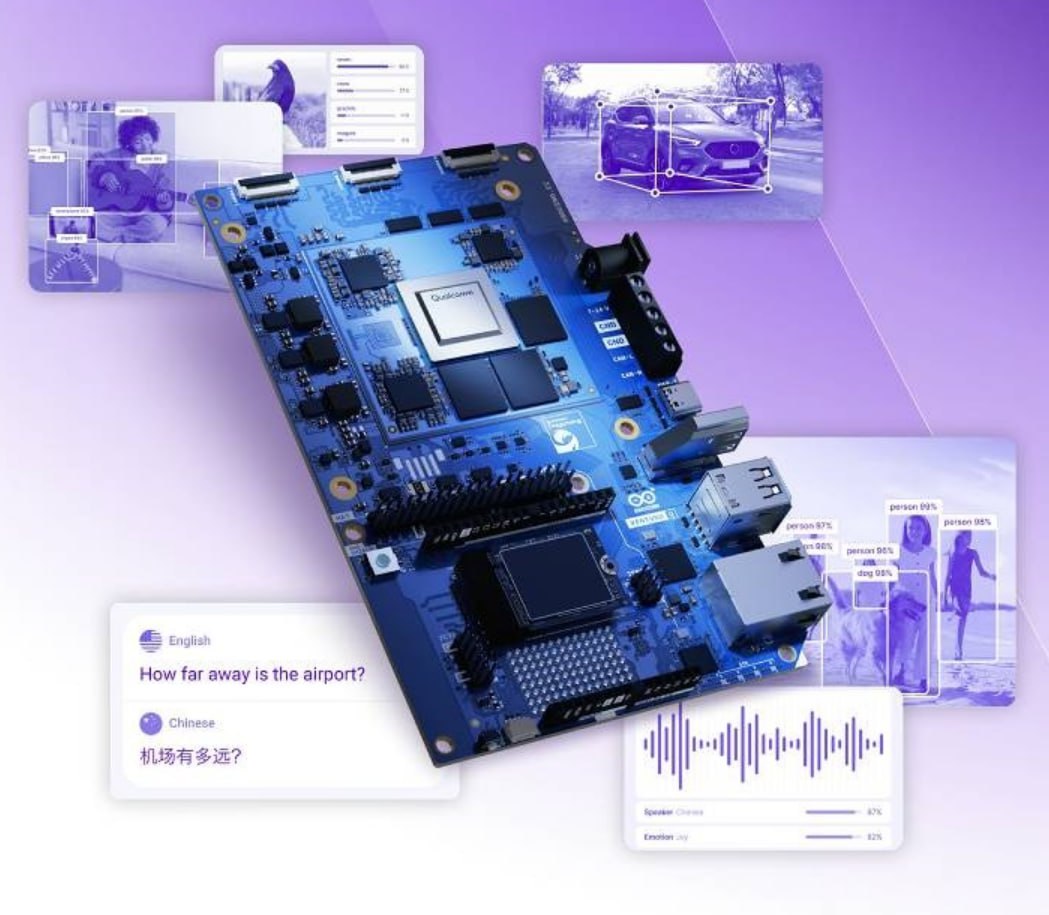
▶️ Last year, Qualcomm acquired Arduino, a company known for its microcontroller boards and single-board computers (SBCs) for DIY projects. The first product was the Uno Q, powerful enough to run Linux. Now the company is releasing a much more feature-rich device designed for applications in artificial intelligence, robotics, security, education, and scientific research.
▶️ The Uno Q was equipped with a quad-core Cortex-A53 processor and an Adreno 702 GPU, with a total of 4 GB of RAM. It could handle simple AI tasks on the CPU and GPU.
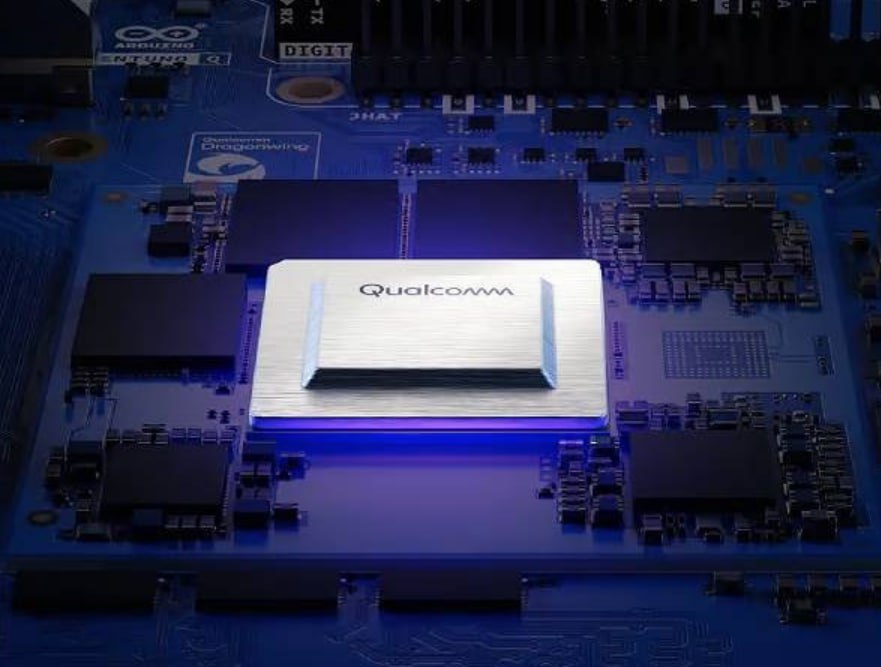
▶️ The new Arduino Ventuno Q is a different beast. First, it runs on the Dragonwing IQ-8275 chipset (PDF). It features an 8-core Kryo processor (2 Gold Prime cores at 2.35 GHz + 2 Gold cores at 2.1 GHz + 4 Silver cores at 1.95 GHz) and an Adreno 623 GPU. In these specs, it is close to the Snapdragon 765G. The Ventuno Q comes with up to 16 GB of RAM and up to 64 GB of eMMC storage, as well as an M.2 NVMe Gen 4 slot for SSDs.
▶️ Moreover, the Dragonwing chip delivers AI performance of 40 trillion operations per second (TOPS) — comparable to Intel Panther Lake (50 TOPS) and half that of premium Snapdragon X2 Elite chips (80 TOPS).
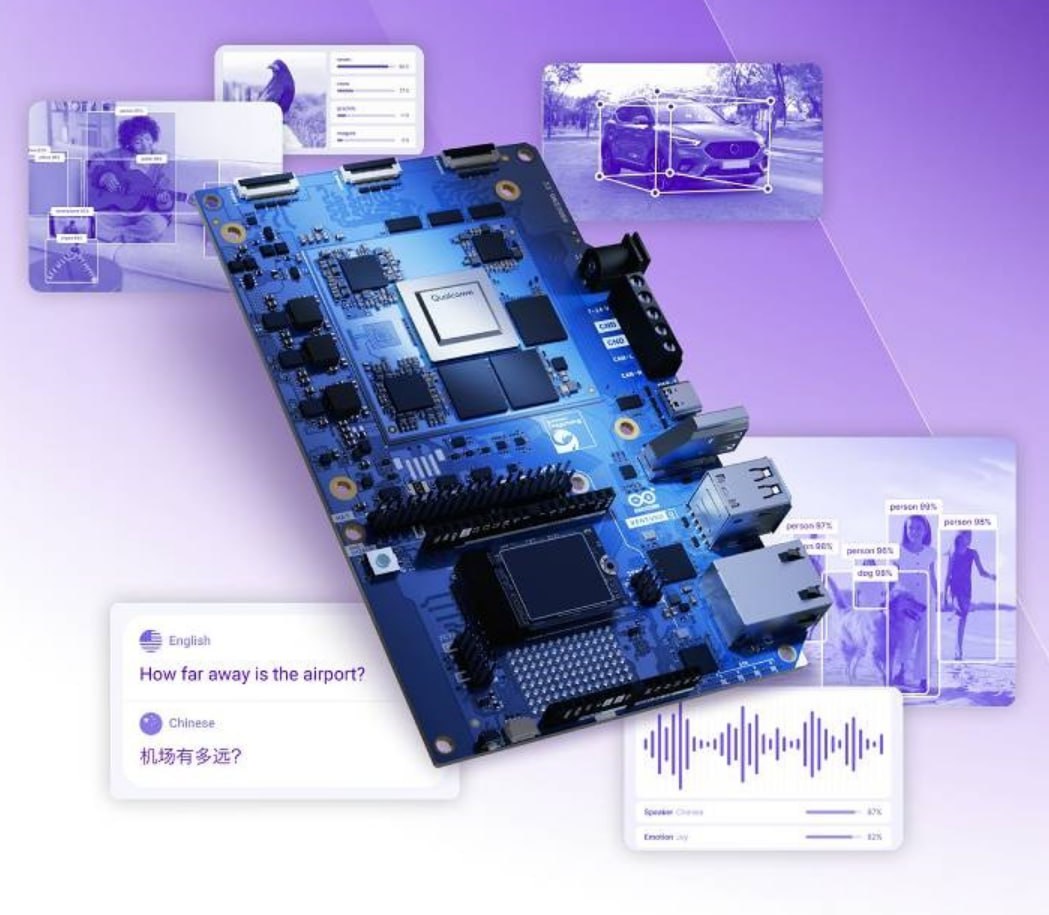
▶️ This single-board computer can run YOLO-X models for object tracking, PoseNet for pose estimation, MediaPipe for gesture recognition, local language models like Qwen, text-to-speech and speech-to-text models like Melo TTS and Whisper, and more.
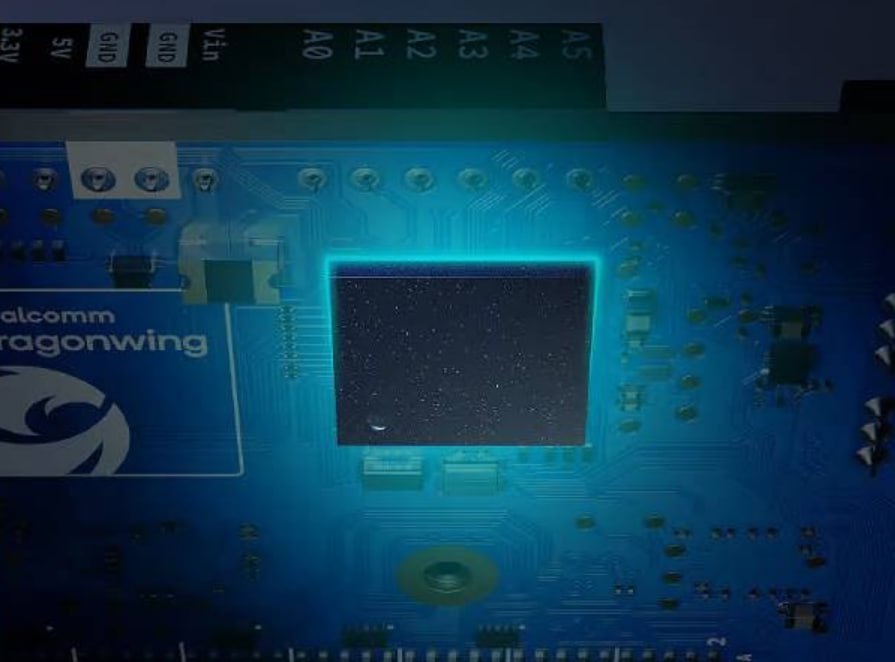
▶️ The Dragonwing chipset runs Linux (Ubuntu or Debian) for high-level tasks. Robot Operating System 2 (ROS 2) is also supported. Additionally, there is an STM32H5 microcontroller that provides real-time interaction with peripherals.
▶️ The Ventuno Q single-board system features a 40-pin GPIO header in Raspberry Pi style. It also supports Arduino Uno expansion modules for easy connection of devices such as motor controllers, sensors, and more. The board also has solderless Qwiic connectors.
▶️ The board supports three MIPI CSI cameras, enabling 360° coverage. It has an HDMI display port and MIPI DSI, as well as DP Alt mode via a USB-C port. A 2.5 GbE Ethernet port provides fast wired connectivity, while Wi-Fi 6 (ax) and Bluetooth 5.3 handle wireless. For industrial applications, CAN-FD is also supported.
#Arduino
MAX
Comments
0No comments yet.
Sign in to join the discussion.