
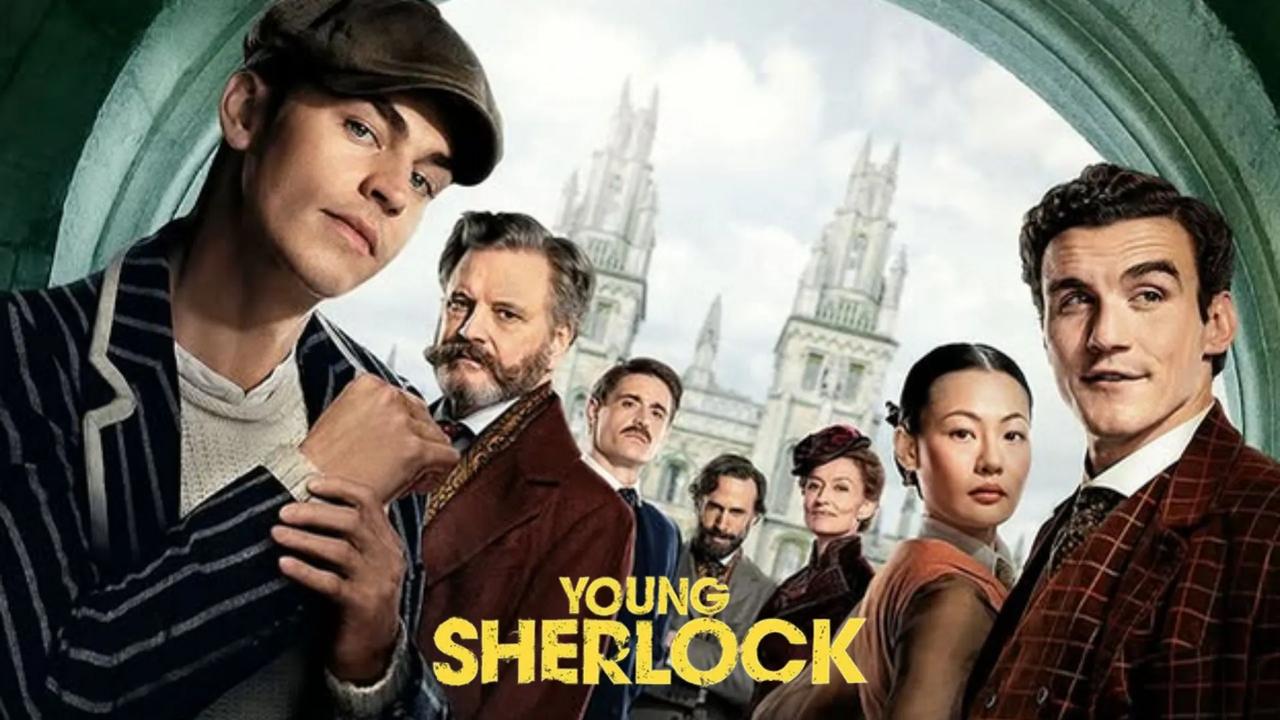

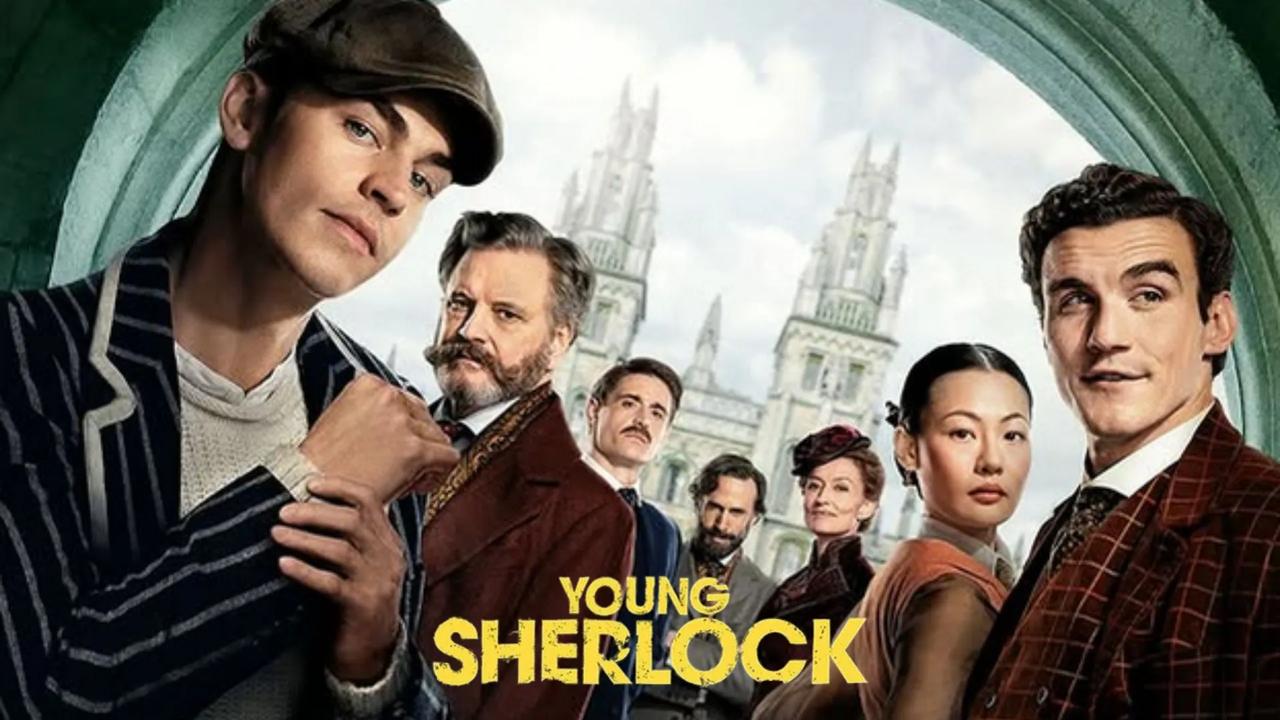
Another week, and another series you didn't ask for and most likely ignored (though you shouldn't have). Even I almost ignored it—I'm extremely lukewarm about films and series whose titles sound like SoundCloud rapper pseudonyms—Young, Lil, and so on. Especially since even Steven Spielberg couldn't pull off a young Sherlock in his time, for some reason deciding to turn the coming-of-age story of the future master of deduction into a gothic horror spiced with Egyptian mysticism.
Although Guy Ritchie has a bit more credit in this regard than Spielberg—after all, he made quite decent full-length Holmes films, and he knows how to handle TV formats carefully and without unnecessary pathos. Shall we watch? Well, at least we'll give it a try.
It all starts with a lively fistfight in prison set to Smoove & Turrell. The camera dances like at a good rave, editing works faster than common sense, punches land right on the beat. It seems it won't be boring here.
One of the participants in the fight is the young Mr. Holmes himself, who, out of boredom, was conducting field research in the area of pickpocketing—purely for scientific purposes, of course. Brother Mycroft bails Sherlock out of jail and sends him to Oxford—not as a student, but as, so to speak, a facilities manager. In the precise words of the university's caretaker, the toilets won't clean themselves.
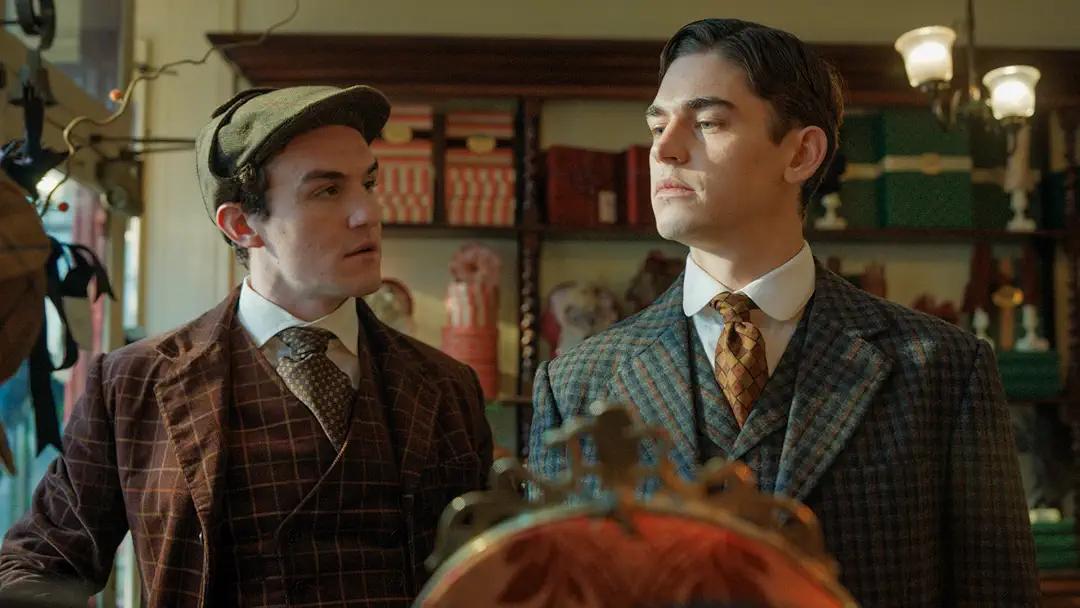
In the role of a servant, Sherlock freely wanders around Oxford buildings, drops in on lectures, and even argues with the professors. At one lecture, he meets a student who thinks faster and smiles colder. And his name is James Moriarty.
This isn't even a spoiler: the exposition is so swift that it fits into about twenty minutes. But then something surprising happens—the series starts to resemble not so much Ritchie's "Holmes" as his "The Man from U.N.C.L.E." That is, on screen we have a textbook bromance about two stylishly dressed men with expressive chins, exchanging elegant barbs, messing with local aristocrats, and stealing elite alcohol from their parties. At some point, they find themselves at the center of events they'd rather avoid.
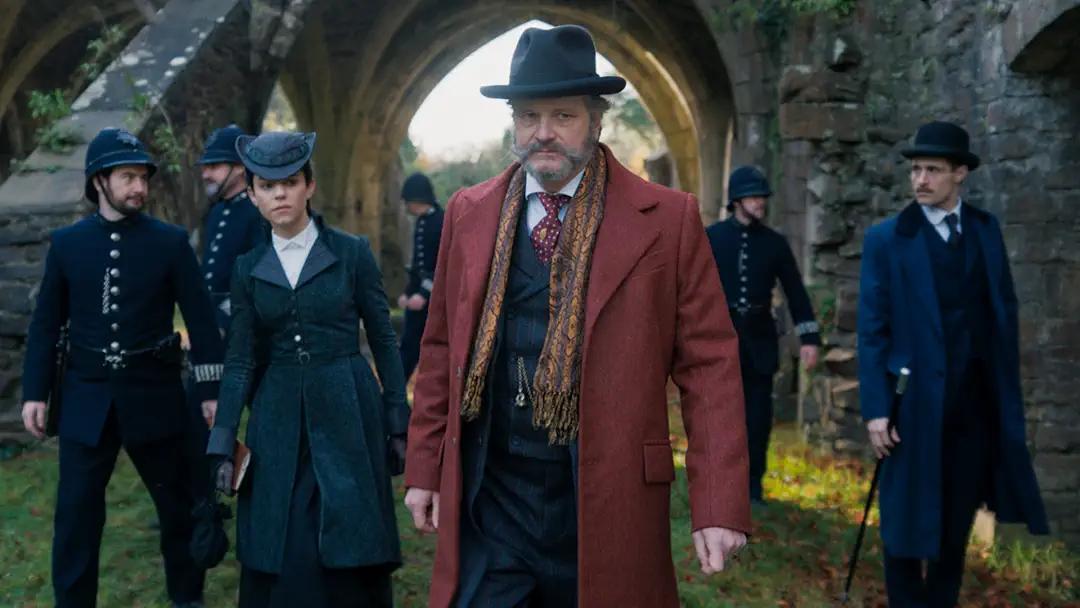
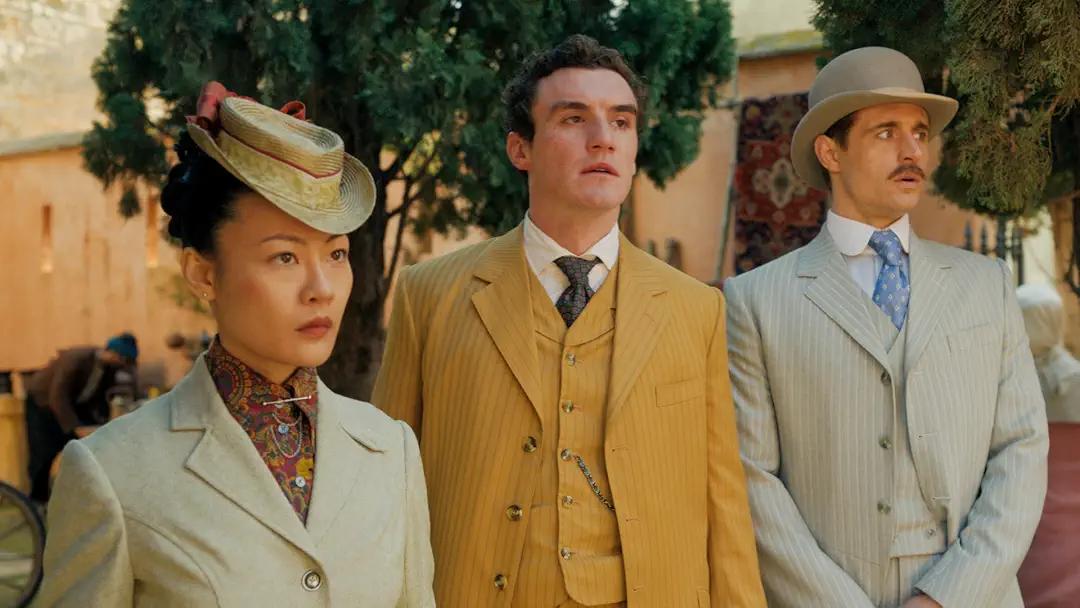
Here, "Young Sherlock" shoots itself in the foot, because the criminal setup quickly unfolds into a plot about secret societies and international conspiracies. Sweeping conspiracy intrigues don't mesh well with classic detective stories anyway (remember Agatha Christie's "The Big Four"—actually, forget it), and they are absolutely contraindicated for the origin story of a character like Holmes. Untangle a continental-scale political multi-move scheme, then go back to ordinary Victorian criminal routine? What a character arc.
Into its other foot, the series shoots with a gun left over from "Sherlock" with Cumberbatch. Too much convoluted family drama. Okay, Mycroft is canon. But here there's a mother, a father, and... well, that's already a spoiler.
But Holmes and Moriarty somehow carry this rickety structure on their shoulders. Yes, it's nonsense. But it's lively, fun, and very charming nonsense. Plus, it has a carefree soundtrack ranging from authentic Irish tunes to French psychodrama of the sixties and post-punk.
So I rather liked this adventurous hubbub, and I'm waiting for the second season. I need to find out how our pair of smart alecks become mortal enemies. And if Ritchie suddenly decides they won't, it'll be even more interesting.
#watched_series
Comments
0No comments yet.
Sign in to join the discussion.