

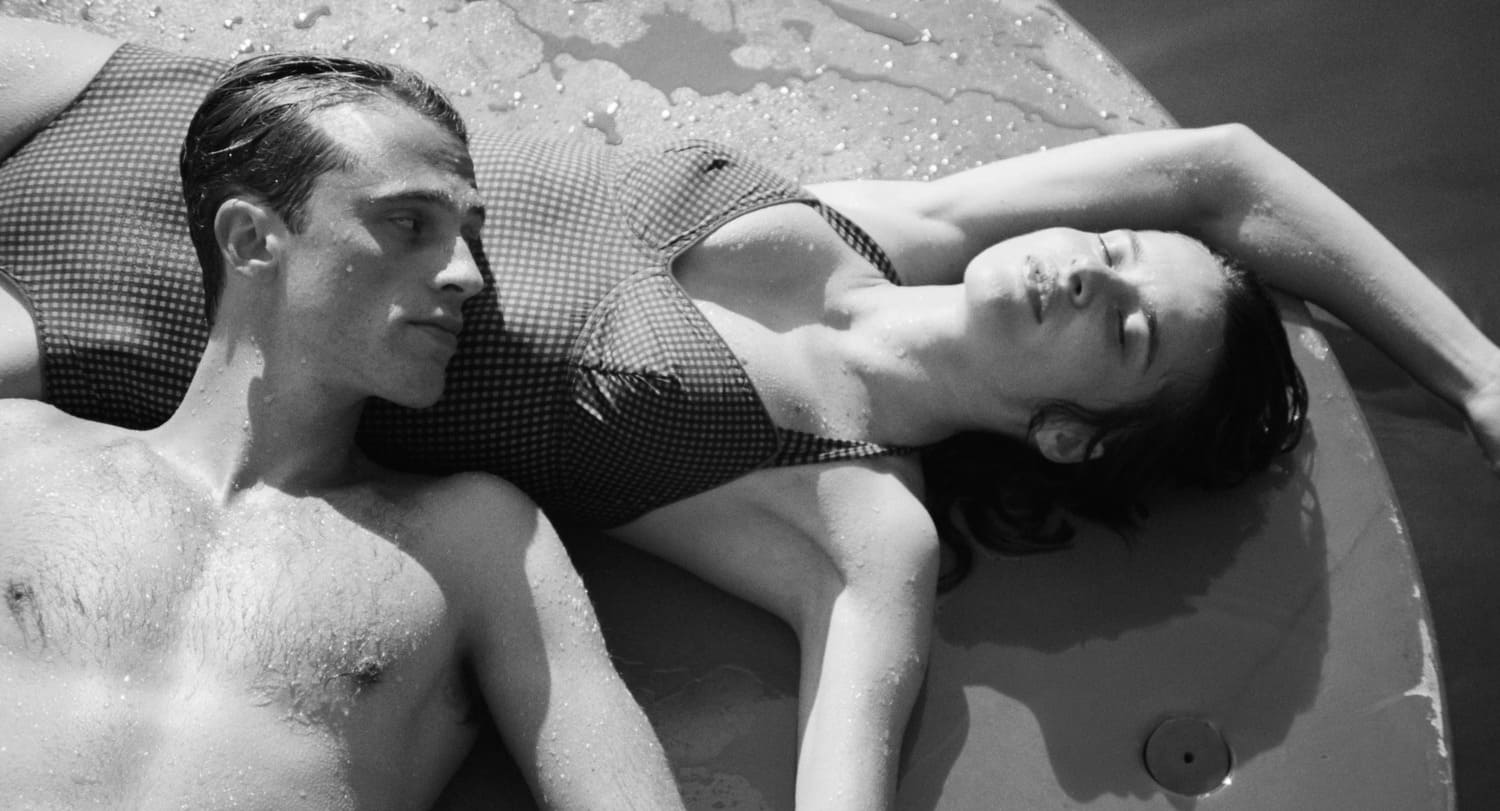
Ozon's 'The Stranger' is a film that leaves you sitting in the dark and staring into space. Much like Meursault himself. We've gathered 8 films that hit the same spot: existential absurdity, emotional 'anesthesia,' and heroes whom the system judges n...
"The Stranger" was released in Russian theaters on March 5 — and immediately marked itself as an event not to be discussed by the water cooler. The black-and-white, deliberately cold adaptation of Albert Camus by François Ozon is a film that leaves you sitting in the dark of the theater for a long time, staring into space. Much like Meursault himself. Benjamin Voisin as a man who seems to care about absolutely nothing — including his own life — creates an image so hermetic and captivating that you immediately want to dive into similar waters.
There's only one problem: such waters are not that plentiful. Existential cinema is a territory where every second director thinks they are making "something profound," but in reality, they just stretch the runtime with silence and slow pans. We have selected eight films that are not just thematically similar but truly resonate with what Ozon did. Camus and his ideas are in every frame here — even if his name is never mentioned.
"The Man Who Wasn't There" (2001)
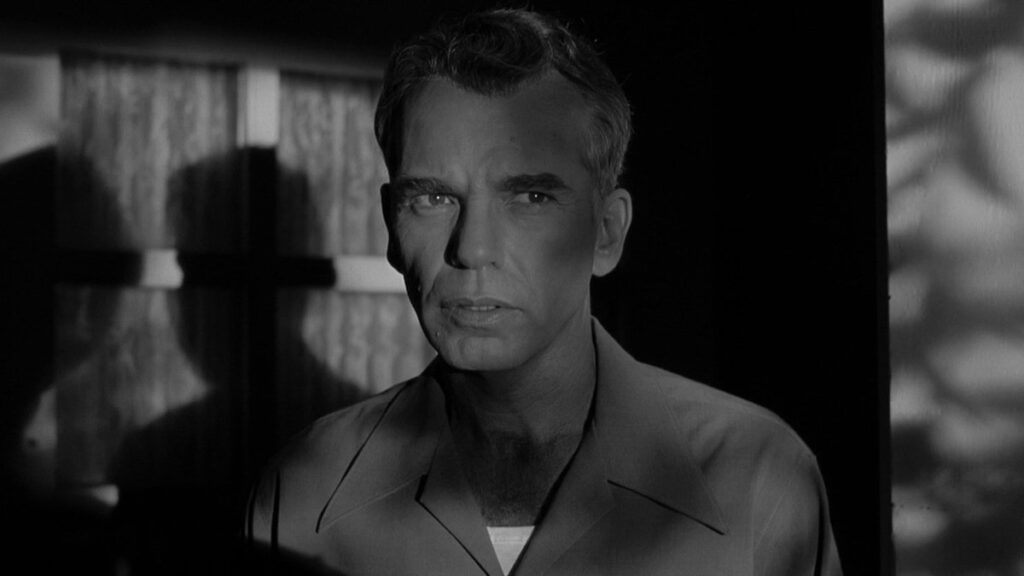
Ed Crane (Billy Bob Thornton) works as a barber in a small California town. He barely speaks, barely feels, and barely exists. Then he commits a murder — and a trial begins that judges him not for what he did.
This is perhaps the most precise cinematic rhyme to Camus's "The Stranger" — only shot by the Coen brothers and transplanted to post-war America. Roger Deakins filmed it in impeccable black and white — almost the same as Ozon's — and created an atmosphere of physical numbness. Ed Crane is like a cousin of Meursault: just as impenetrable, just as doomed by a system that looks for motives where there are none. If "The Stranger" got to you, this film will finish you off completely.
"The Stranger" (Lo Straniero, 1967)
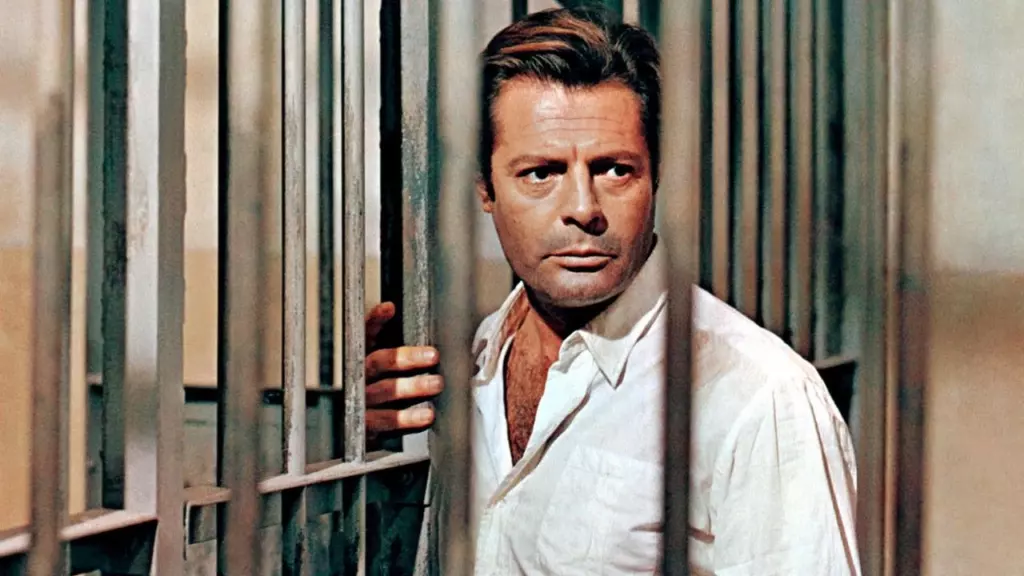
The first and for a long time only film adaptation of Camus's novella. Luchino Visconti cast Marcello Mastroianni — and that in itself is paradoxical: one of the most charming actors of his generation in the role of a man devoid of charm by definition.
Comparing the 1967 version with Ozon's film is a separate pleasure. Visconti shot the film in color and filled it with Mediterranean heat that you can almost feel on your skin. Mastroianni plays Meursault more as a tired hedonist, while Voisin plays him as a man who seems not to exist. Two views, two times, one philosophy. A must-watch after Ozon.
"The Conformist" (Il Conformista, 1970)
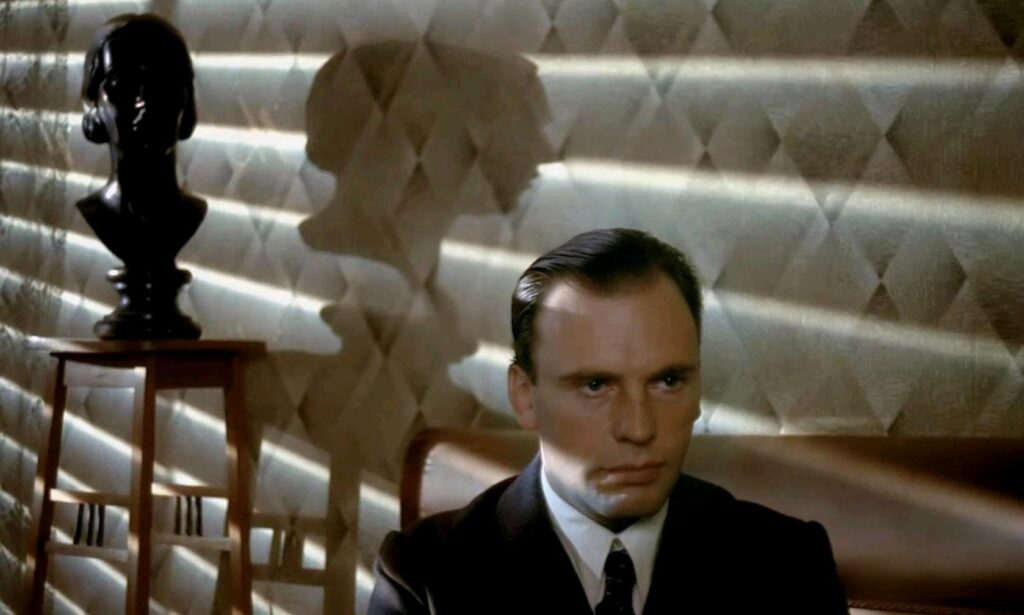
Marcello Clerici (Jean-Louis Trintignant) is a fascist official in the 1930s sent to kill his former professor in Paris. He agrees — not out of conviction, but precisely because he has no convictions. He wants to be like everyone else.
Where "The Stranger" explores a man who doesn't care, "The Conformist" explores a man who pretends he doesn't care. The difference is subtle but palpable. Cinematographer Vittorio Storaro shot it in dizzying shadows and geometric compositions — a beauty that is almost painful. Fascist Italy and Camus's colonial Algeria are different settings, of course, but both films tell the same story of how the system creates monsters out of ordinary people.
"Paranoid Park" (2007)
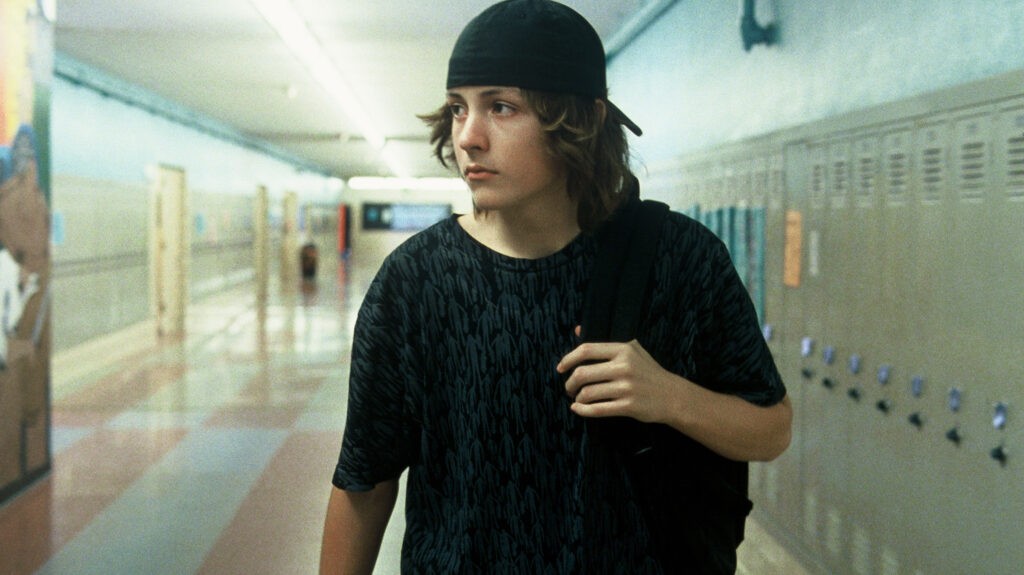
A sixteen-year-old skateboarder from Portland (Gabe Nevins) accidentally kills a security guard. He doesn't run, doesn't confess — he just continues living. Goes to school, talks to his girlfriend, rides his board.
Gus Van Sant shot this in a similar tone of emotional "anesthesia" as Ozon. The hero is neither a monster nor a victim — he's just a teenager whose brain refuses to process what happened. Blurry shots, non-linear structure, music that sounds like a memory — all of this creates a feeling that cannot be described in words, only experienced. One of the best films about alienation made in the 21st century.
"The Trial" (Le Procès, 1962)
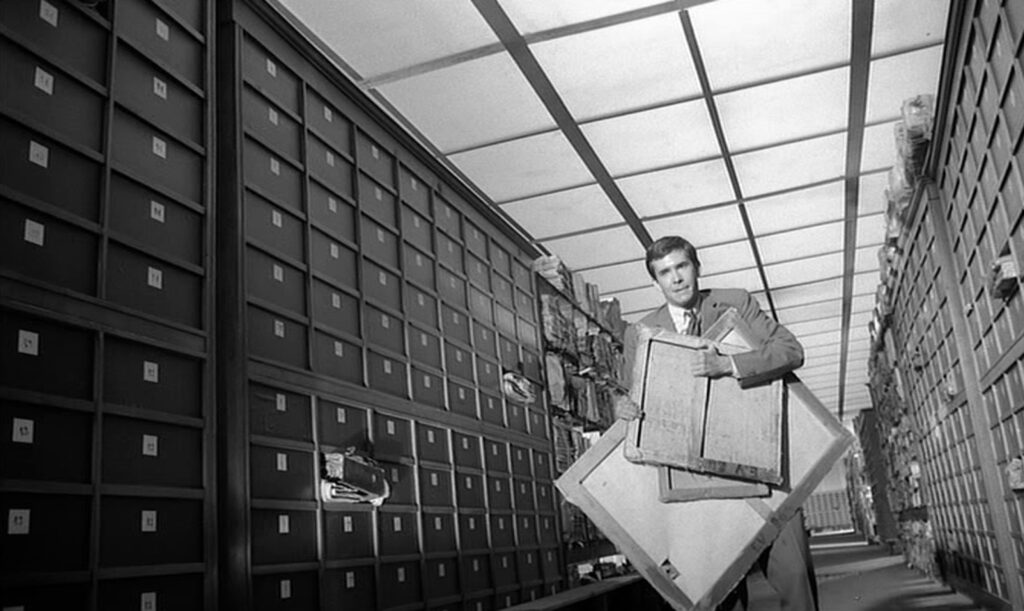
Josef K. (Anthony Perkins) wakes up one morning to find himself arrested. For what — no one explains. The trial begins, logic disappears.
Franz Kafka and Albert Camus are two poles of the same existential horror, just with different accents. Orson Welles shot "The Trial" in disorienting black-and-white geometry — abandoned railway stations, endless corridors, thousands of identical files. The system that judges Meursault for not crying at his mother's funeral and the system that pursues K. without explanation are essentially the same mechanism. Absurdity, just with different masks.
"Frantz" (2016)
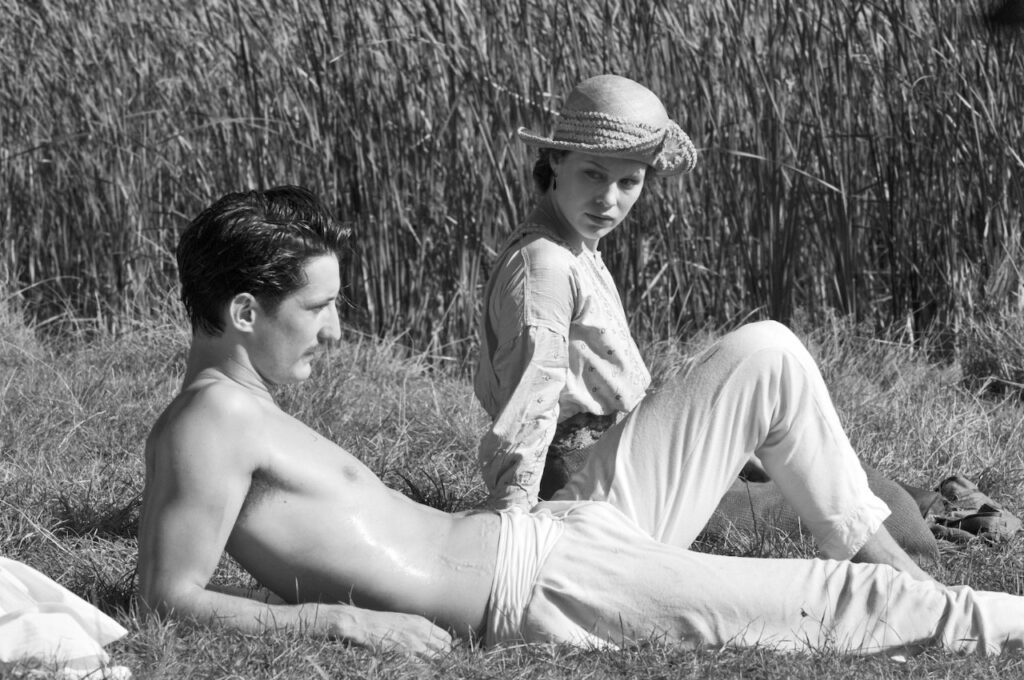
Germany, 1919. A young woman (Paula Beer) learns that her deceased fiancé had a French friend (Pierre Niney) — who now comes and places flowers on his grave.
If you want more Ozon after "The Stranger" — this is the first choice. "Frantz" is also shot in black and white, also explores themes of guilt and national identity, also balances between truth and lies as ways to survive. Here Ozon is much gentler and more romantic than in "The Stranger" — but the same cold intellect is in place. The film won a César for Best Cinematography.
"A Hidden Life" (2019)
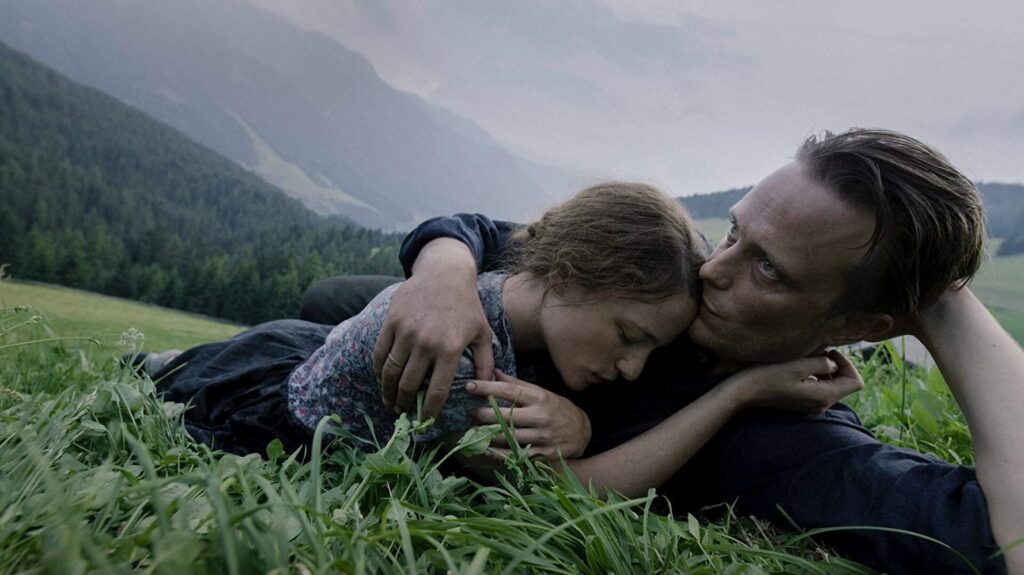
Austrian farmer Franz Jägerstätter (August Diehl) refuses to swear allegiance to Hitler — and this is in 1943, when his entire small mountain town, including the priest, urges him to come to his senses. He will not be understood, he will be condemned, he will be executed. He will still refuse.
This is a mirror image of "The Stranger" — only inverted. Meursault goes to execution because he doesn't care; Franz goes because he cares absolutely. But both arrive at the same point: society judges not for the act, but for deviation from the norm. Terrence Malick shot this in his signature style — handheld shots of alpine meadows, voiceovers, time that stretches like resin. Three hours, after which you want to sit quietly. At the 2019 Cannes Film Festival, the film won the Prize of the Ecumenical Jury and the François Chalais Award.
"The Zone of Interest" (2023)
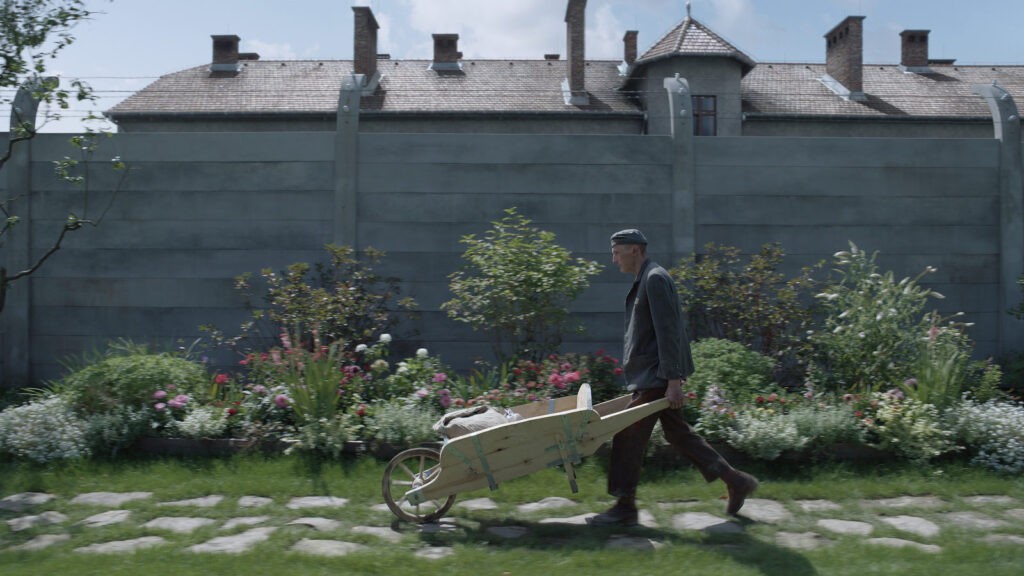
Auschwitz commandant Rudolf Höss (Christian Friedel) lives with his family in a cozy house right next to the camp wall. Children play in the garden. His wife plants flowers. From behind the fence come sounds that no one talks about. Everyone pretends they don't exist.
"The Zone of Interest" is probably the most radical film of recent years about emotional detachment. Glazer shot the apotheosis of the banality of evil: the Höss family are not monsters in the usual sense — they are ordinary people who simply do not react. No horror, no doubt, no remorse — only daily life, career, and afternoon coffee. It is the same emotional emptiness of Meursault, only taken to its logical extreme and placed in the context of absolute historical horror. An Oscar for Best International Feature Film, the Grand Prix at Cannes, and a feeling of cold that doesn't go away for several days after viewing — included.
Eight films — this is, of course, not an exhaustive answer to the question "what is cinema about the absurdity of life," but enough to spend several evenings in the company of people who, like Meursault, cannot find a simple answer to the question "why." If after all this you feel like rereading Camus — consider that the cinema did its job.
Comments
0No comments yet.
Sign in to join the discussion.