
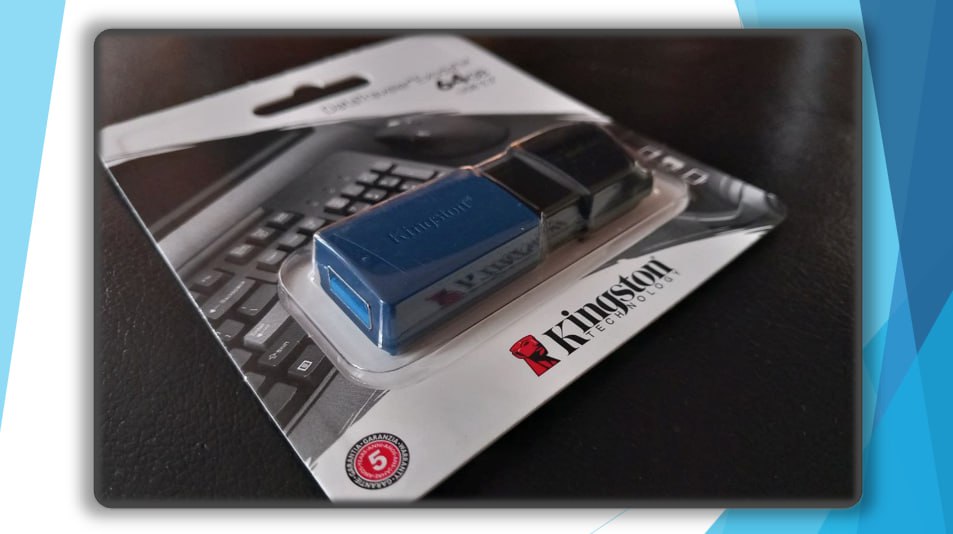
🧰 Flash Drives Live Longer Than You Think. A 5-Year Experiment
In 2020, enthusiast Zachary Vance took ten new Kingston DataTraveler SE9 flash drives with a capacity of 32 GB, completely filled them with random data, and put them in a box.
Once a year, he takes out one drive and checks if the files have been corrupted. Five years have passed, five flash drives have been tested — and not a single error!
All data was read perfectly.
Of course, this does not mean that all flash drives are equally reliable: the experiment was conducted on a single model under ideal storage conditions (in a box, without extreme temperatures or humidity).
Other tests, for example with PNY and Lexar, showed data corruption within just one year, especially when stored under harsh conditions.
So flash drives are not a panacea, but with the right approach, they can last longer than commonly thought.
Why does flash memory lose data over time?
Memory cells store electrons, and they gradually leak through the insulating layer.
This process is called "charge leakage." The thinner the manufacturing process (15-20 nm norm), the faster the leakage occurs.
The Kingston experiment shows that after 5 years, there are no changes — a good safety margin)
👉 However, duplicate important data on different media: flash drive + external drive + cloud. Lessons at link
Comments
0No comments yet.
Sign in to join the discussion.