

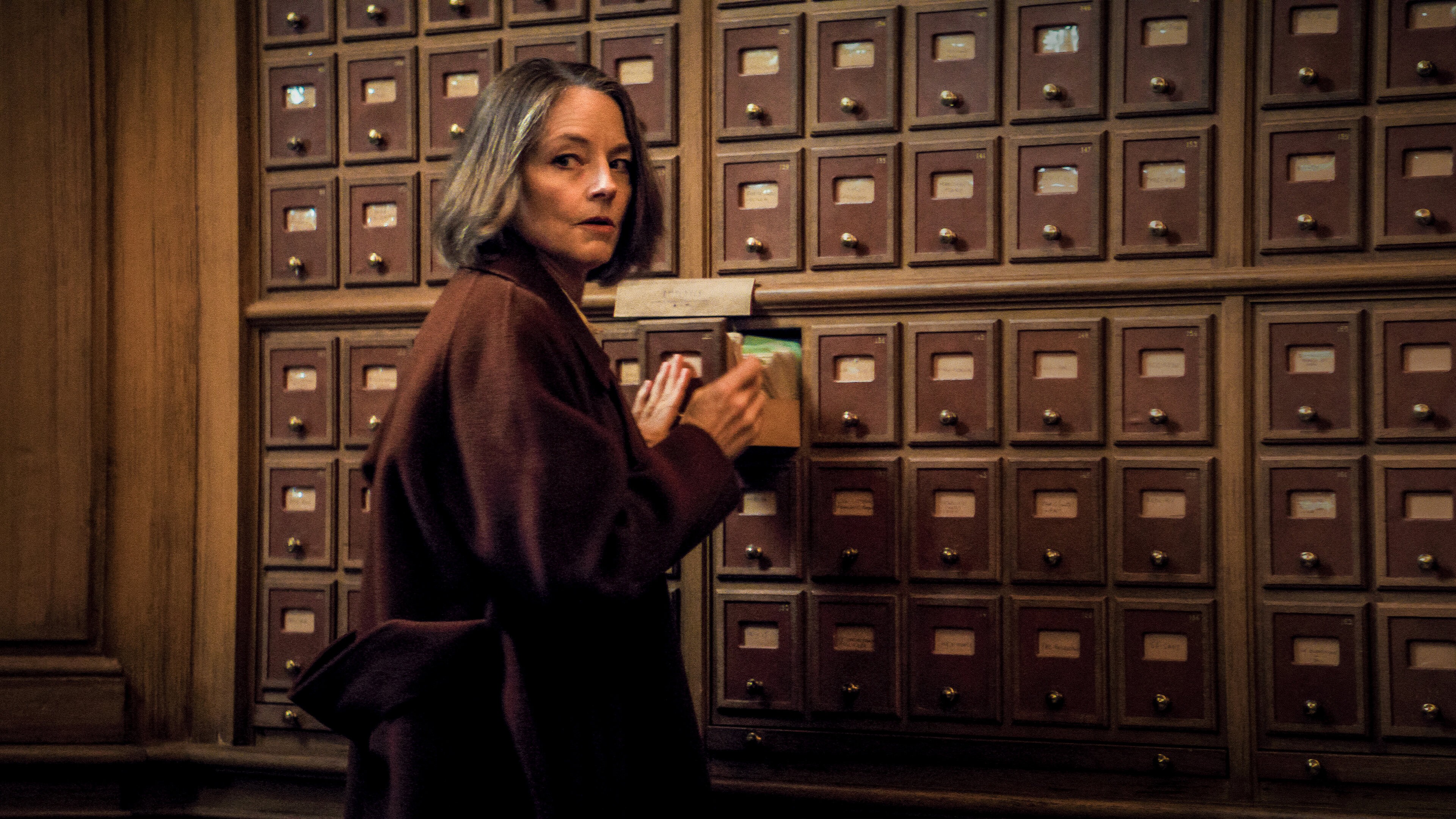
What do a psychotherapist in trouble, Alfred Hitchcock, and the dark pages of French history have in common? All this is in the ironic detective film “Private Life,” which has been in theaters since March 19.
Since March 19, the ironic detective film “Private Life” by Cannes darling Rebecca Zlotowski has been in theaters. Analyzing this and that, the director creates a successful genre cocktail of psychological thriller and family dramedy with a touch of measured suspense and impeccable chemistry between the main characters. How the film cleverly flirts with the legacy of Alfred Hitchcock and Woody Allen. Why the story of a psychotherapist in trouble hides a dark stain on France’s past life and where mind games can lead — we’ll tell you in our article.
Clarissa — Present Day
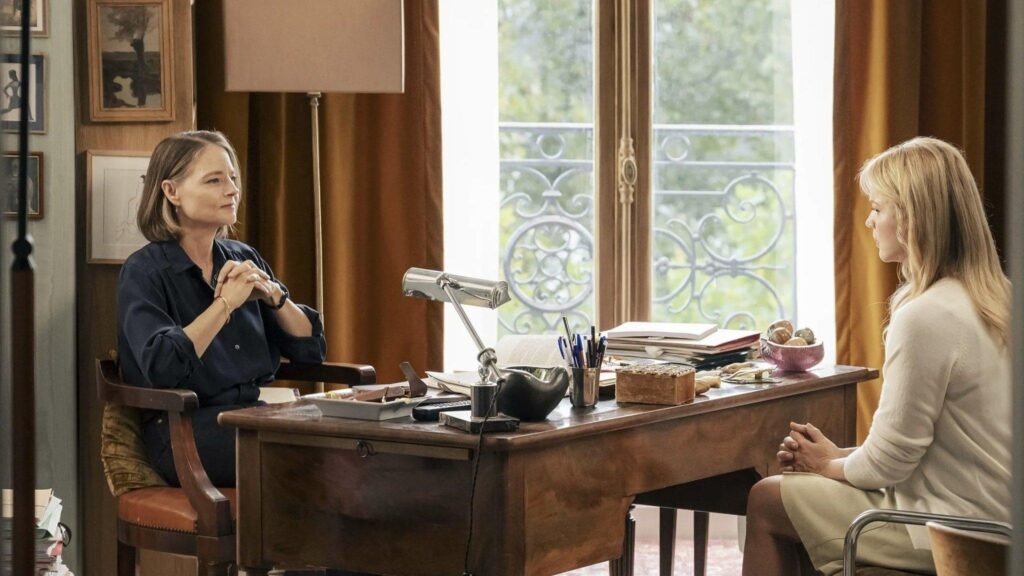
Lilian Steiner (Jodie Foster) is a psychotherapist tired of life in emigration. Long divorced, she exchanges only perfunctory phrases with her only son (Vincent Lacoste), and maintains a clear professional distance with her patients. They reciprocate and bluntly tell her that therapy didn’t help and she should return the cash.
One day, her long-time patient Paula (Virginie Efira) doesn’t show up for a session. Later, Lilian learns that she, having overdosed on prescribed pills, hastily left the mortal world. This unexpected death knocks the doctor out of her usual routine and suggests that at least her close ones might have helped her leave life. Taking her ex-husband, an ophthalmologist (Daniel Auteuil), as a partner, she goes all out and will spare no one to uncover the “family conspiracy.”
The Psychotherapist Who Knew Too Much
“Private Life” initially looks as if the great master of horror dropped by the French director and elegantly pulled his main cinematic trump cards out of his sleeve: a fatal blonde whose death becomes the catalyst for the whole story; a heroine falling out of her usual rhythm and plunging into a whirlpool of doubts; secret signs and images like the ancient evil Jewish spirit Dybbuk, which, according to legend, can possess a person and control their life. This frightening symbolism adds a good deal of creepiness and makes you glued to the screen until the final credits.
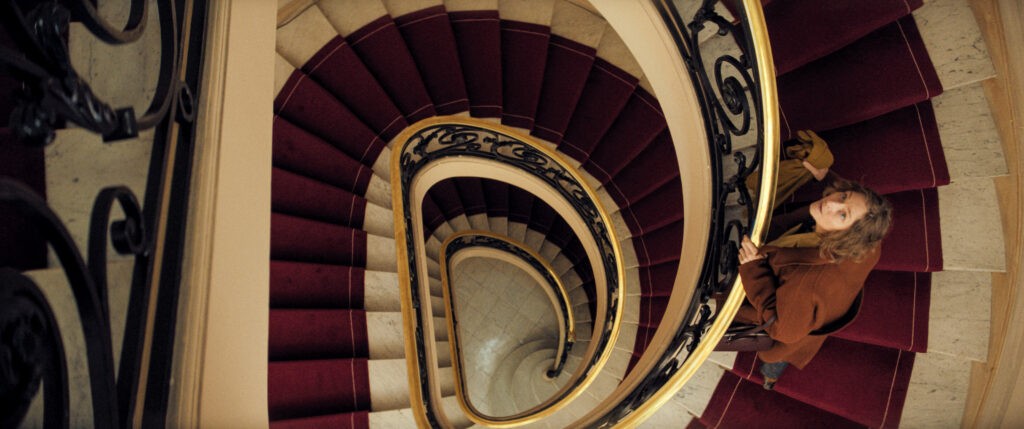
The film’s cinematographer, Georges Lechaptois, also works on the overall atmosphere of confusion. Zlotowski’s right hand since her debut works does not deny himself the pleasure of generously scattering visual quotes from the main masterpieces of the father of suspense and your nightmares. Numerous flyovers of ancient Parisian spiral staircases naturally evoke a feeling of severe dizziness. Reflections in mirrors capture Lilian’s gradual split, and the abundance of wide shots, against which the psychotherapist seems quite miniature, make it clear that she is just a pawn in a big game where the outcome is predetermined not in her favor.
Murders in One Building: Mission Paris
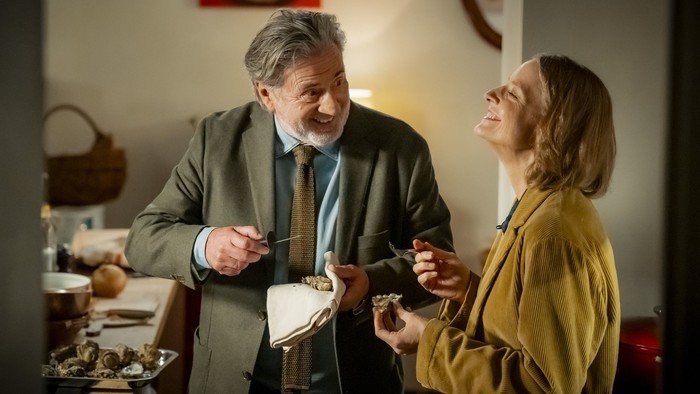
Closer to the second half, Hitchcock washes his hands and hands over the reins to Woody Allen. The main intellectual and neurotic of world cinema is having a field day. The cold and gloomy tone of the film suddenly changes to a carousel of vaudeville scenes that even the most hardened cynic can’t help but laugh at. The investigation conducted by former lovers risks becoming a textbook example of comedic art.
The would-be detectives, with genuine adventurism, steal personal belongings, break into someone else’s house under cover of night like hardened crooks, and along the way find so many skeletons in the closet that you wonder how far they are willing to go to get to the truth and rekindle the old flame of love. Some will say they’ve seen similar tricks in “Manhattan Murder Mystery,” and they’ll be right. But what’s wrong with a new take on a classic if it still works as well as it did 20 years ago?
And what would a homage to Woody Allen be without jokes about psychotherapists and their followers. Zlotowski delicately needles “professional listeners” for their frequent indifference and formal interest while another troubled patient pours out their soul. The reproach is executed extremely wittily. At one point, the “iron lady” Lilian unexpectedly sheds a tear, and she can no longer stop the process on her own.
The antithesis of the rational and cold followers of Freud and Jung in the director’s work is another familiar Allenesque character — a mysterious hypnotist. The direct heir of the caricatured charlatan from “The Curse of the Jade Scorpion” abruptly appears in Lilian’s life and within minutes sends the psychotherapist herself to the couch, drastically changing her long-established life path. There’s no fool like an old fool. Can’t argue with that.
Paris’s Little Orchestra Under the Direction of Vichy
“Private Life” could have simply been called a solid European dramedy for an evening, which would have taken a place of honor on a streaming service, if not for the theme of the outsider and past lives. The image of the outsider is established in the film from the stylish opening credits set to the song “Psycho Killer” by Talking Heads. The barely noticeable French phrase “Qu'est-ce que c'est” in the chorus of the completely American track hints that the heroine is superfluous at this celebration of life and not very welcome here.
The psychotherapist’s speech also points to this. Played by Jodie Foster, the heroine communicates in perfect French. This reflects the actress’s past: at an early age, she studied at a language school where she perfectly mastered the language of Molière and Dumas. But in the most emotional moments, she quickly switches to her native Western speech and seems to free herself from the imposed role in modern European society, into which she was never able to fully integrate.
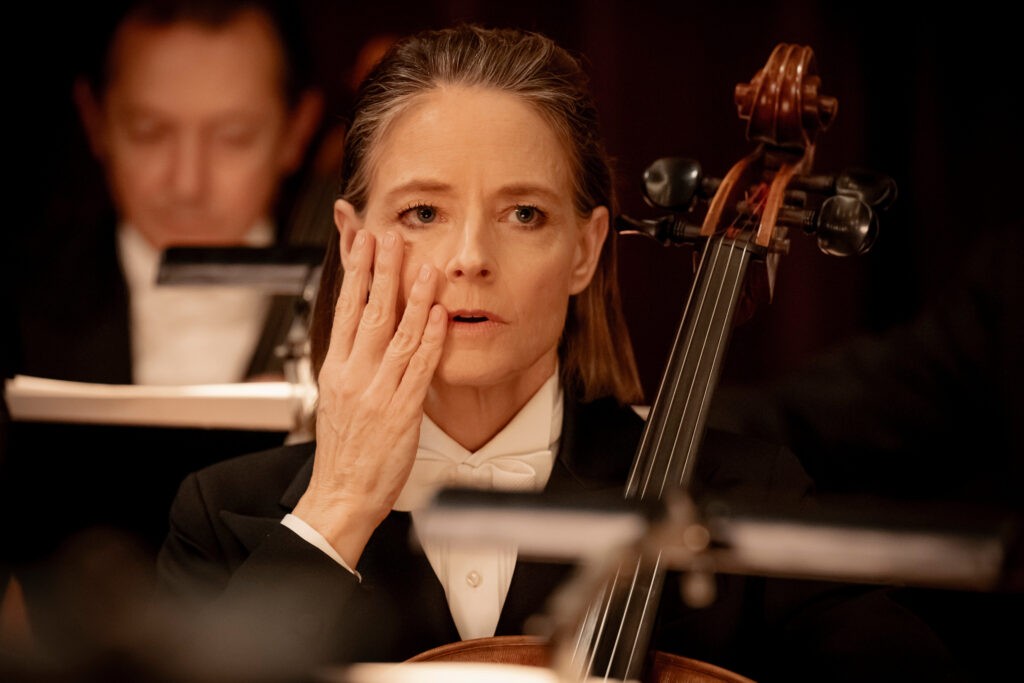
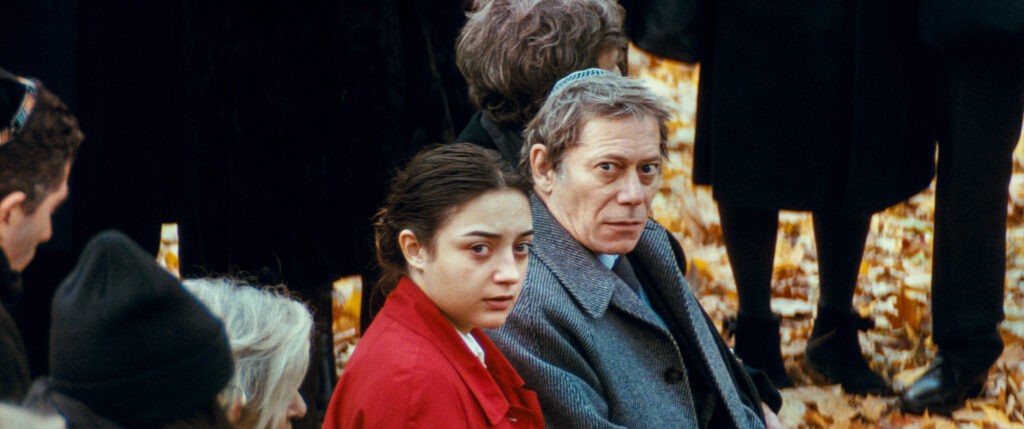
Trying to find the origins of the outsider in the doctor’s personality, Zlotowski raises the most painful topic in French history — the Vichy regime and the voluntary collaboration of the Parisian authorities with the Nazis. This unpleasant but important conversation gives birth to the most memorable scene of the entire film, worthy of David Lynch’s camera — a surreal dream of Lilian, where the heroine, just imagine, in the role of a Jewish cellist finds herself in an orchestra on the eve of a police raid. The deceased patient is her wife. The inconsolable widower is a gloomy conductor with a revolver instead of a baton, and one of the turncoat gendarmes is her own son. I wonder what grandpa Freud would have said about that?
By filming Lilian’s possible past incarnation, the director, albeit in phantasmagoric tones, demonstrates not only the indelible stains on the body of an already renewed country, but also that an identity crisis and prolonged depression can do much more than you think.
A Skit in the Best Traditions of French Comedy
Viewer interest in “Private Life” would not have been so strong if not for the powerful casting for the main and supporting roles. The parade is commanded by the brilliant Hollywood prima Jodie Foster. Only the lazy haven’t compared her character to the actress’s calling card — the legendary Clarice Starling from “The Silence of the Lambs.” Lilian Steiner is cold, rational, has cat-like plasticity, but at the same time is terribly charming in her recklessness and races with her own cockroaches in her head. She is like Sherlock Holmes, returning from a well-deserved rest and now ready to strike with double the force of the deductive method.
Her partner is Daniel Auteuil. The French idol of several generations here gentlemanly takes the part of Watson and plays the eternal companion of the great detective in the best traditions of French comedies of the 70s. He is clumsy in feelings, a bit silly, but so sincere in his desire to realize even the craziest idea of his wife that sometimes you forget his age. Like a mischievous teenager, a young scamp, and only his silvered head reminds you of his passport.
Seeing the genuine playfulness and inner enthusiasm of the honored masters, one recalls the cult duo of Richard and Depardieu in the trilogy about the unlucky. Foster and Auteuil also balance on the edge of funny and sad and exude screen chemistry worthy of a freshly minted “César.”
In supporting roles, by title but not by importance — Virginie Efira, the diva of modern French auteur cinema and Zlotowski’s favorite, and Mathieu Amalric, a man with a thousand suspicious faces, capable of conveying all shades of meanness and other human vices.
Closing the ensemble is the muse of Kieślowski, Irène Jacob, who lives a double life, and Frederick Wiseman in the role of the heroine’s spiritual guru. This work was his last. The director’s talisman, not an actor by profession, but a legendary 96-year-old American documentary filmmaker who was not afraid to ask humanity painful questions and show the true essence of its imperfect social institutions.
“Private Life” is a merry-go-round that swiftly passes through themes of internal crisis and secrets of the past. Zlotowski skillfully juggles genres and extracts the best from them. The actors enjoy the given moments and playfully perform complex emotional pirouettes. References to cinephile classics flow like a cornucopia but do not look like an inserted number. After this therapeutic comedy, you want to sit on a bench and be silent for a few minutes for this pleasure — to be robbed by good cinema.
Comments
0No comments yet.
Sign in to join the discussion.