

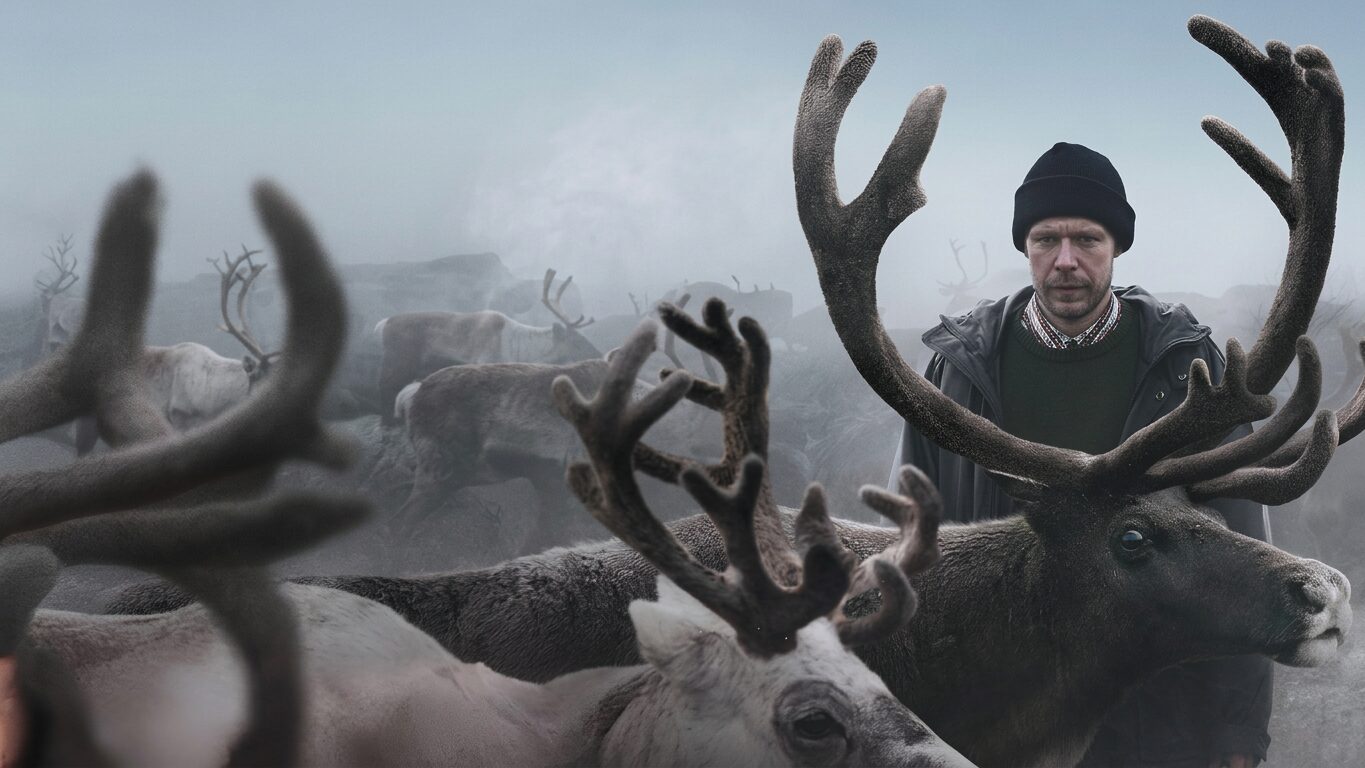
The parable of human sin by documentary filmmaker Vladimir Golovnev turned out to be hypnotic. In the film 'Scurvy', the director showed the formation of a northern man — initiation — seasoning it with socio-political context.
On February 26, 2026, the feature debut of Vladimir Golovnev, 'Scurvy', was released in theaters. The film depicts the spiritual journey of novice Fyodor, played by Nikita Efremov, against the backdrop of the August 1991 coup and the conversion of Nenets natives to Christianity. About the time and taming of pride — below in the review.
Taming Pride
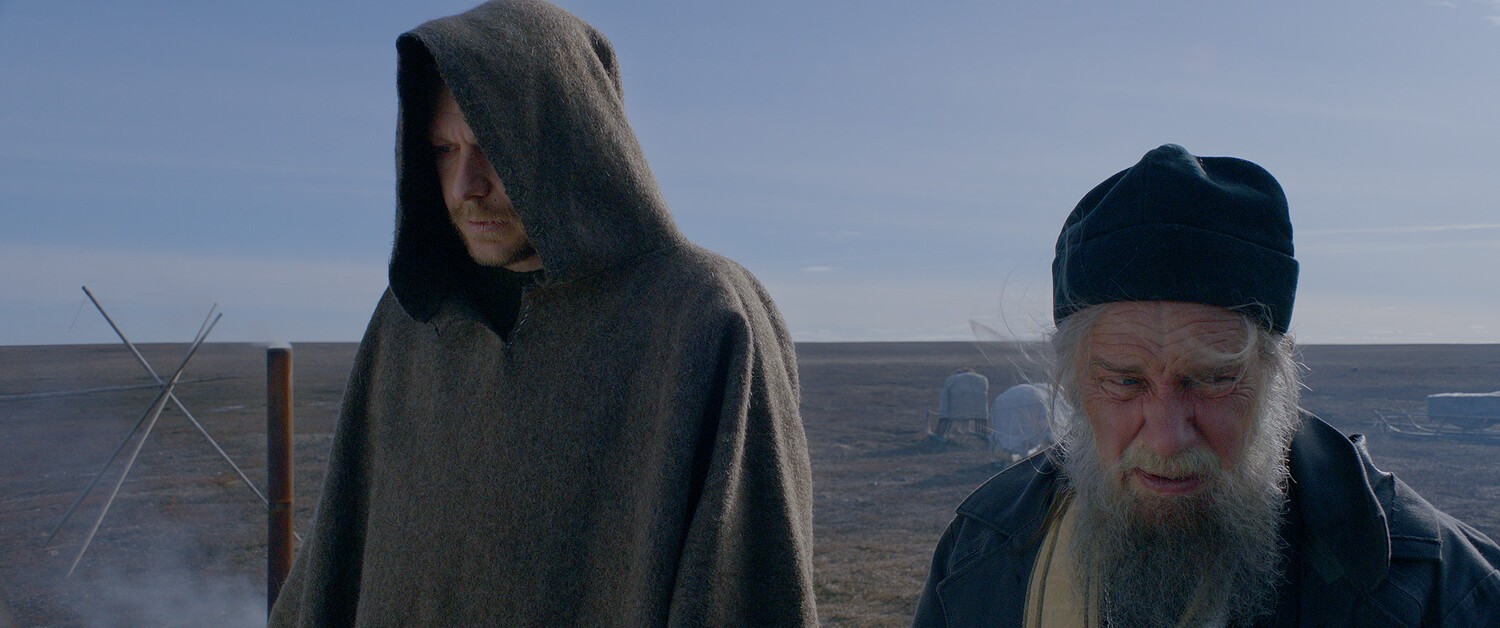
Ambitious novice Fyodor and mentor Peter (Dmitry Podnozov) land at a camp and begin to convince the Nenets of the importance of accepting the new faith. Their idealistic fervor finds no response — the northern inhabitants are concerned with purely practical problems. Their values are connection with nature, and their worries are survival and sustenance. Fyodor leaves demagoguery aside and establishes a close bond with the family, starting with the boy.
This stage becomes the starting point of the future monk's ordeal. Along with sermons and games with the nimble and argumentative boy, Fyodor begins to have dreams in which he copulates with a demon in the guise of the reindeer herder's wife (Evgenia Mangadzhieva). The mind-clouding dreams and progressive vitamin deficiency make the protagonist's spiritual path tense and convincing.
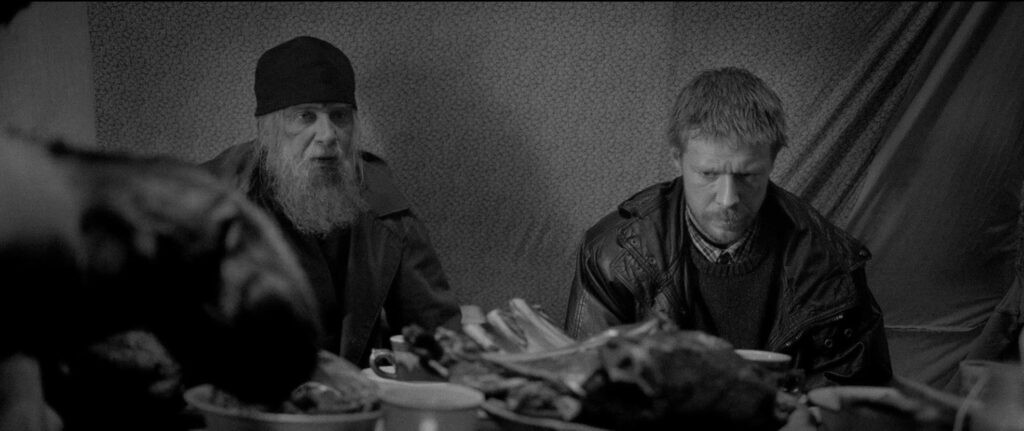
Fyodor's actions are contradictory from the Nenets' point of view, but logical from the Christians'. When the novice gives his word to help preserve reindeer herding and the family's safety, he feeds a wounded wolf (the hero carries a prayer book). As a result, Fyodor keeps his promise. Respect for another culture and kindness to animals become the basis for the Nenets' acceptance of Christianity.
According to northern beliefs, scurvy comes to its victims in the form of a succubus, which takes it away if the victim does not resist.
The Coup and Tchaikovsky
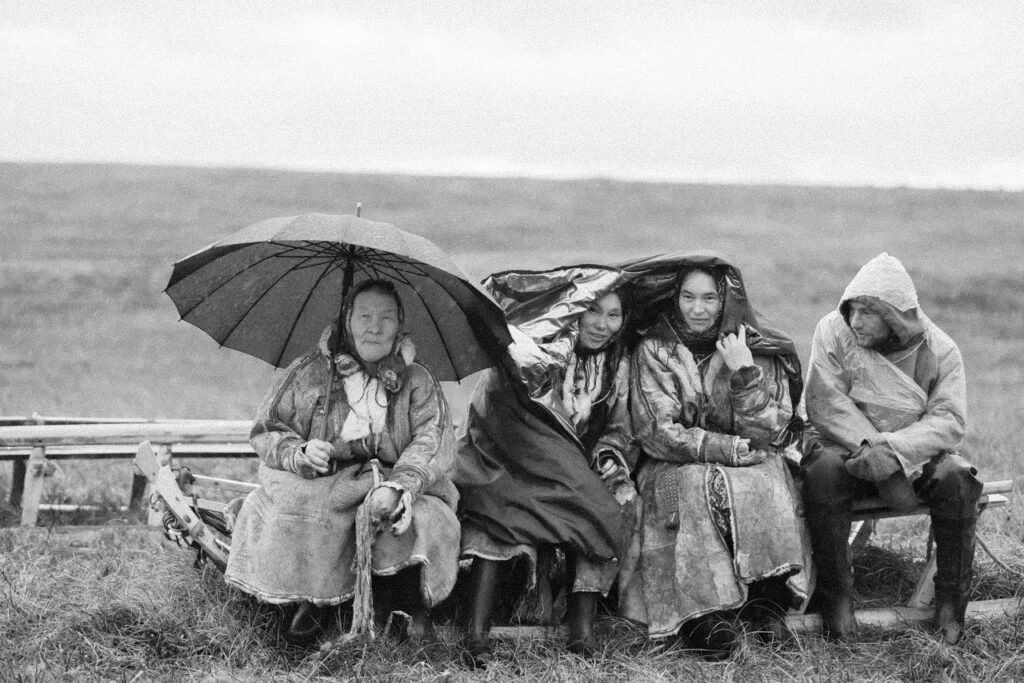
On the radio, which becomes the only means of communication with the outside world, 'Swan Lake' plays and excerpts from a Moscow report are heard: 'This morning, tanks and armored personnel carriers appeared on the streets of Moscow,' 'Barrels were used to build barricades.' The straightforwardness and color of the film make it akin to the thriller 'Summer Will End' by Vladimir Mankuev.
Therefore, one should not look for deep meaning in the allusion to the August coup. Vladimir Golovnev once again emphasizes the northern setting and highlights the color of the Nenets ethnic group. The director devalues external life compared to the isolated world of beliefs and celebrates the cultural identity of a small people.
Comments
0No comments yet.
Sign in to join the discussion.