

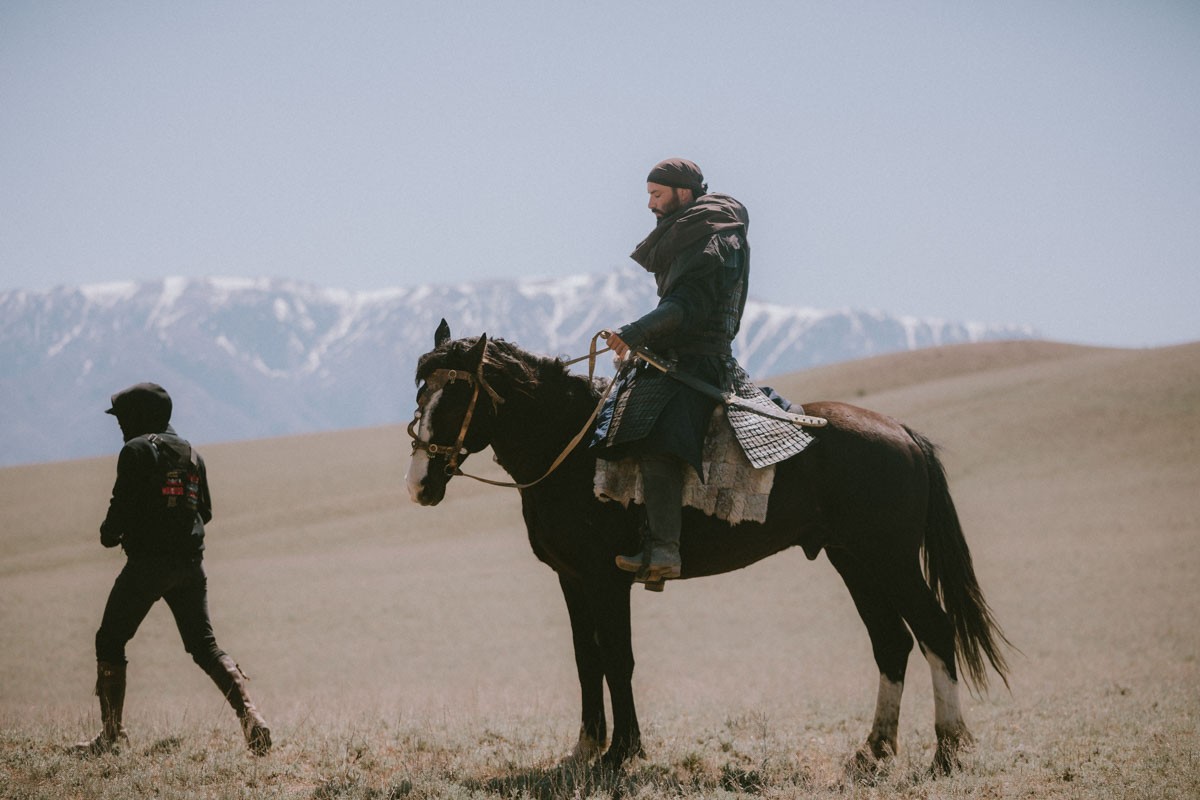
Christian Mortensen wrote the script for 'Tamerlane' before deciding he would play the lead. He didn't look for producers—producers found him after reading the text. He rejected conventional casting because, in his words, 'no one understood Timur lik...
Actor Christian Mortensen is known to Russian audiences for independent projects and an episode of "NCIS". In the new historical epic "Tamerlane" (Rise of the Conqueror), releasing on April 2, he plays the lead role of the legendary commander whose name still sparks debate. In an interview, Mortensen discussed how he prepared for the role of a man history remembers for his cruelty, why his character was not a monster, and what a medieval conqueror has in common with a modern leader.
– Your filmography began with independent cinema, an episode of "NCIS: Los Angeles," and commercial work. How did you get the role of Timur?
Get the role? I created this role. Working with my creative partner Jacob Schwartz, who is the film's director, and his production studio Mystery Box, we teamed up with Bekhruz Khamzaev from Uzbekistan, an equally talented producer. I chose the story of Tamerlane. We were looking for different stories from this region to adapt, wanting to shoot a film there. And Tamerlane's story fit best. I wrote the initial script. I didn't think I would play the lead, but as production went on, I had the most experience, did the most work, and understood Timur better than anyone else. It was a natural decision, and it's a great honor for me to play him.
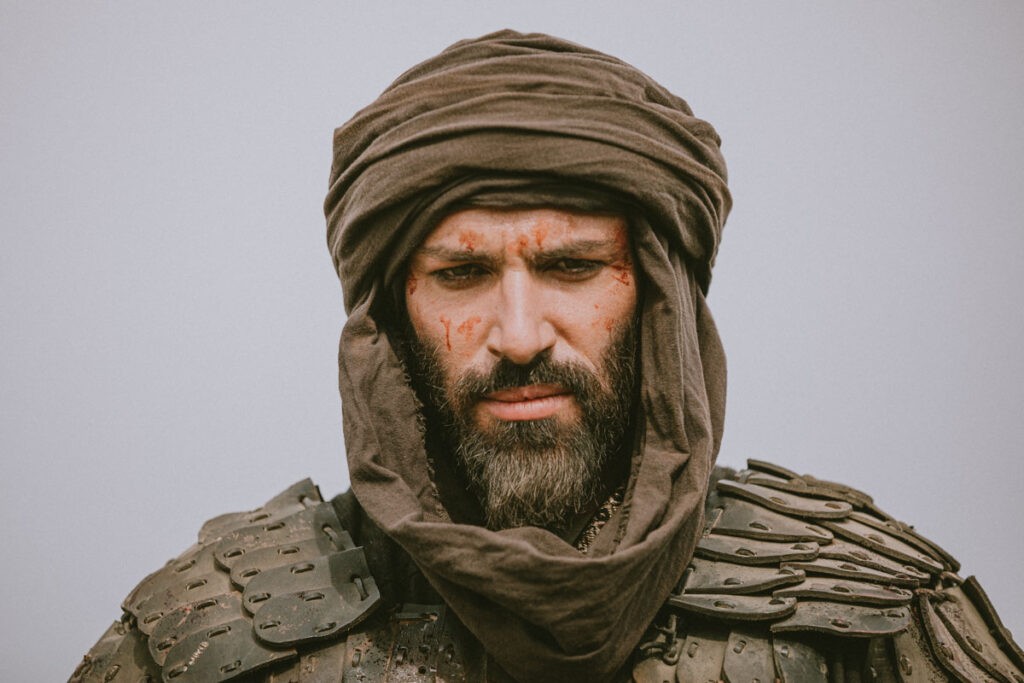
– You played John Wilkes Booth in the film 'Men and Monsters' (2011). After playing Lincoln's assassin, you took on the role of Timur—an equally controversial figure. Are you drawn to historical characters with complex, contradictory sides?
Absolutely. Every actor who has studied and devoted a lot of time to perfecting their craft wants to play someone who is complex, multi-layered, not just two-dimensional. We are human. Sometimes we make decisions that others don't understand, and sometimes even we don't understand them. So I've always been attracted to characters who have all these layers.
– How important was it for you personally to play a man who loses everything and rebuilds himself from scratch?
I can understand that. I am a very fortunate person. I've had the chance to live a life where I've done everything I wanted: traveled the world and seen wonderful people from amazing cultures. At 43, I feel like I've lived five lives. But I've also felt pain and loss. I've lost loved ones. So in many ways, I can understand what it's like to lose something and then make a choice every day to use that pain as fuel for a better future for yourself, your family, and those you love. Yes, it's a very important story arc.
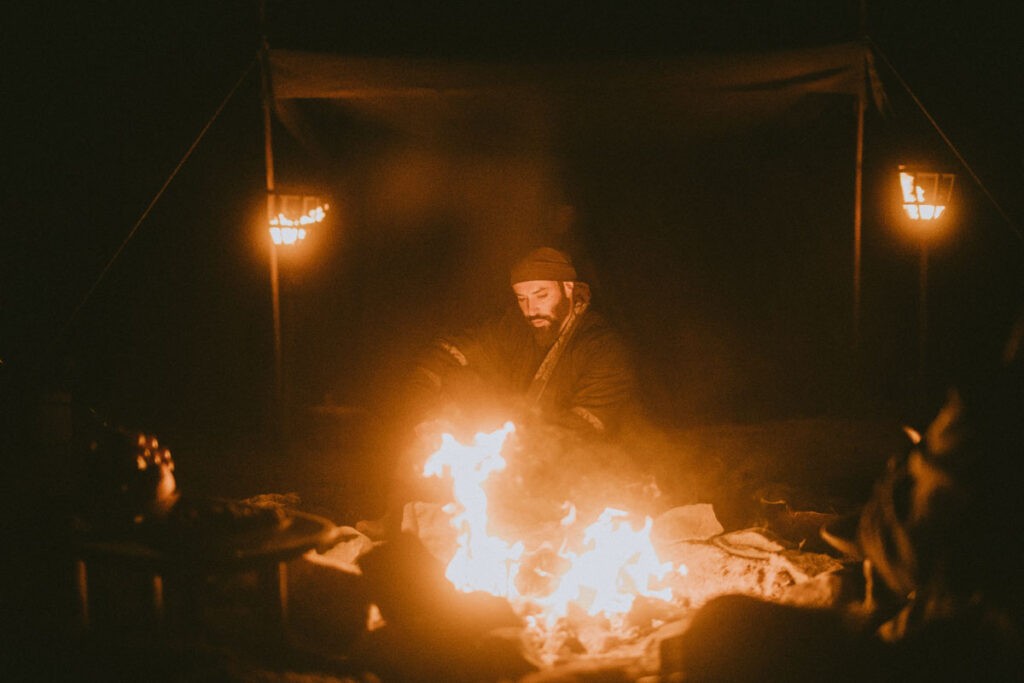
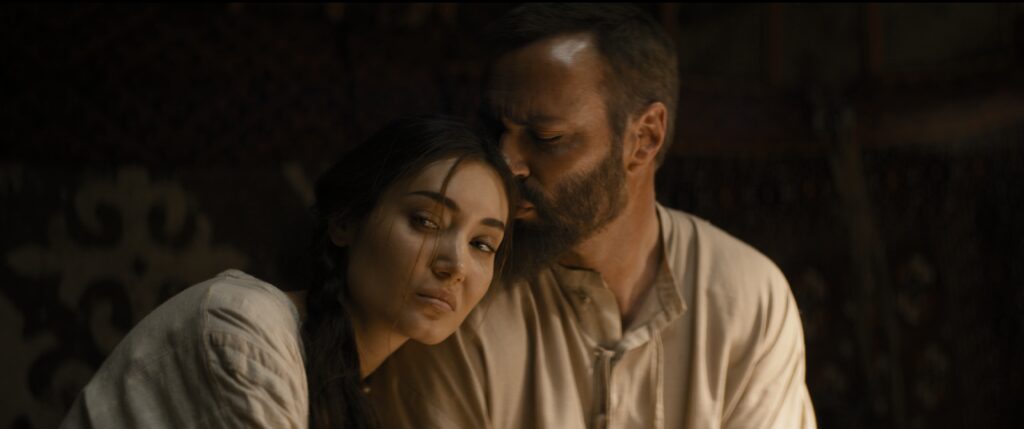
– Timur is known for his cruelty, but the film's synopsis speaks of betrayal, love, and suffering. How did you manage to balance the character's humanity with his historical reputation?
Again, the actor's job is not to portray what isn't in the script. Our story takes place when Timur is about 30 years old and just beginning his path to power. Many of the cruel acts attributed to him by history happened later, when he was building the Timurid Empire. In our story, they haven't happened yet. An actor cannot play what the character doesn't know about his future. All you can do is play the character from the script. All that historical reputation hasn't happened yet in our story, though you start to see it. In the film, you see him beginning to choose cruelty to save those closest to him. He understands that enemies must fear him if he truly wants to lead people. So yes, there are several layers here.
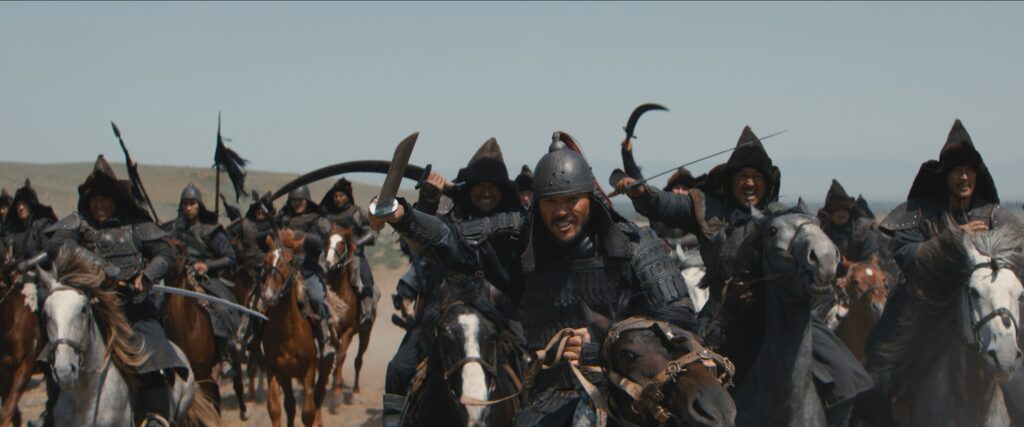
– The film has many battle and crowd scenes. Did you undergo special training? How much skill in fencing and horseback riding is needed to portray a great conqueror?
I spent a month living with nomads in Kazakhstan. I did horseback riding, fencing—all those trainings. But I already knew a lot. I grew up with horses in the US and have ridden all my life. It's part of my lifestyle. I also trained as a fighter before, so the physical aspect is very important to me. I wanted Tamerlane to feel real. I'm larger than most people: I'm 6 feet 5 inches (195 cm) tall and weigh 240 pounds (109 kg). It was important for me to physically match this imposing character. To be physically strong, agile, and athletic at that height. Maybe I'm taller than Timur was, but in the 14th century, he was considered tall compared to people of that time. So it made sense to make the physical aspect fitting for that era.
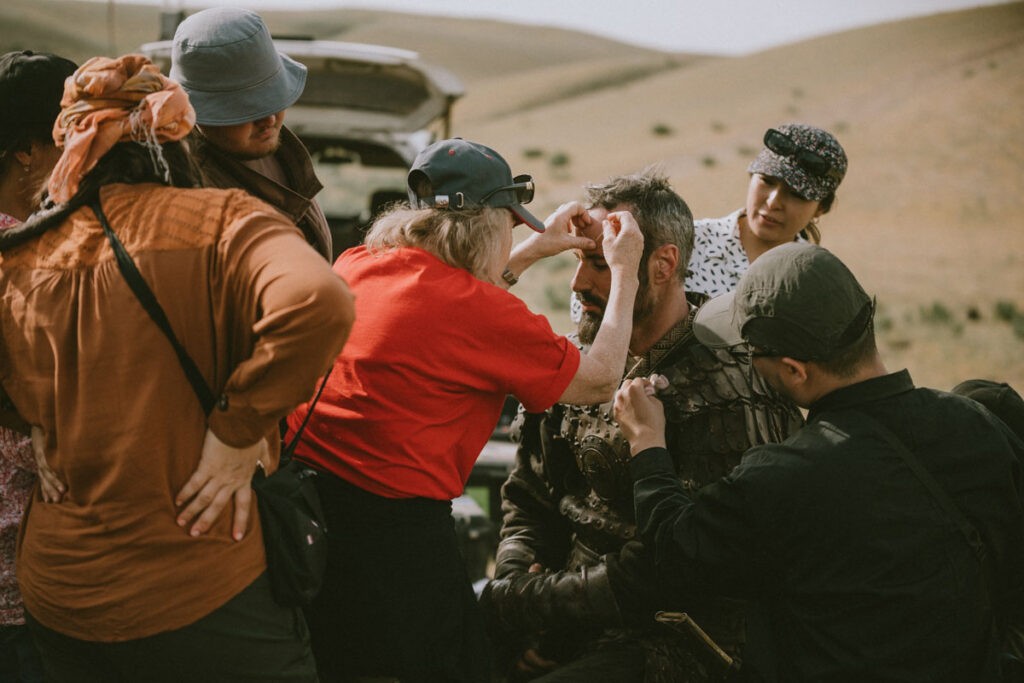
– Was the film shot only in Uzbekistan or were there other locations? What was the most unexpected thing about working on such a large-scale historical project?
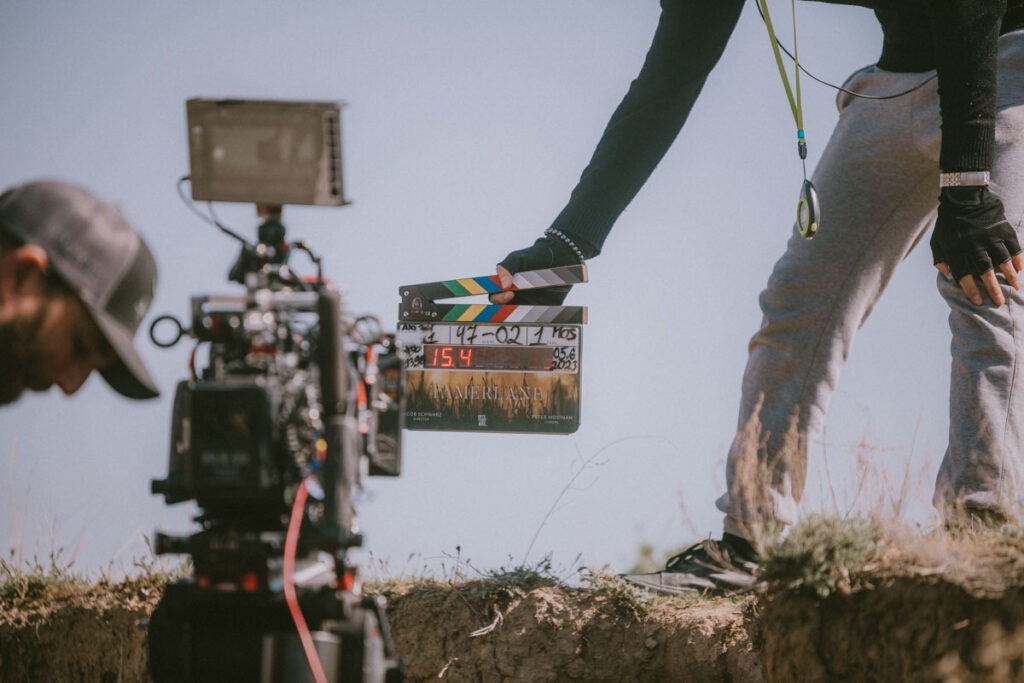
The film was shot in Uzbekistan and also in Kazakhstan. We shot in the area of Khiva and Toprak-Kala in western Uzbekistan, and then in the hills and mountains near Almaty in Kazakhstan. It was magnificent, phenomenal. As for the most unexpected aspect of working on such a large-scale historical project—every day is full of surprises, you never know what awaits you. When you have a crew and actors from more than six countries speaking different languages, you deal with border crossings, unexpected customs delays, logistical issues. Every day is an adventure. You just have to be ready to be flexible. Maybe a scene won't be ready on a certain day. Maybe the production designers are moving in a different direction. And how you prepared to shoot a scene may suddenly change, and you have to switch direction and be ready. So flexibility and readiness every day—you never know what will happen.
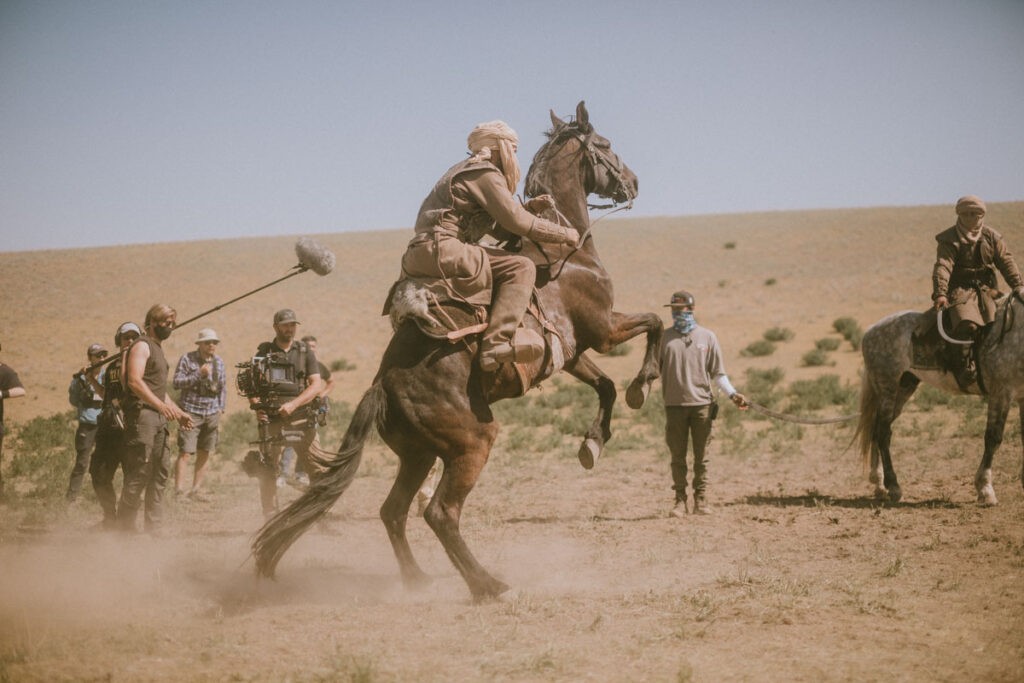
– The role of Tamerlane is your first major project after a long hiatus from film (your last credited role dates back to 2012). How have you changed over the years and how did you return to the profession?
I never really left the profession. I acted in theater for a long time; theater is very important to me. I believe that all the best actors have a foundation in theater. I'm only interested in working in film when I truly believe in the project and have some creative control. I've been very fortunate. I have an investment business in New York that has given me a good life. I feel blessed and happy. So if I don't find a story that excites me and I don't have some control over it, I don't take on the project. And I'm at peace; I don't need to chase it. My life is probably a bit different from many actors' lives. I try to live a quiet life. I'm not particularly interested in social media. I don't want to be an actor all the time. I just want to find things I can be one with. Maybe that happens once every three, four, or five years. Maybe I do one project every three to five years, and that's fine with me. I never wanted acting to define me.
After such a significant role, what projects would you like to pursue in the future? Would you prefer to return to independent cinema or move to larger studio productions?
I already answered that a bit. I have a career and a life that are completely unrelated to acting and storytelling. It's about venture capital, investments, private equity in New York. I have a good life there. So I'm happy to step into the shadows and not appear in public for several years, unless I find something really special, some story I want to tell. Most likely, it will be independent cinema. Usually, the best scripts are there. But if it's a good script from a major studio, the right team and a director I truly believe in, then of course I'd be happy to participate. But I'm in no hurry. I can be patient. And it's great to have the ability to choose. And if I don't think the work will be good, I'd rather continue living my quiet life.
Historical epics are coming back into fashion. Why do you think today's audiences are drawn to figures like Tamerlane — is it an interest in history or a need for strong personalities on screen?
Interesting question. Tamerlane is a fascinating figure, right? Controversial, depending on where you are. If his armies defeated your ancestors, you hear bad stories about him and hate him. If you're from the same region as him, you admire him. You have to admit he was a genius, military and political. Such characters will always be fascinating, regardless of fashion. Do we need a strong personality on screen? I think we need good stories. A huge amount of content passes before our eyes every day—on phones, computers, TV screens. And very little of it has substance. Much is superficial. For me, the goal of a film like 'Tamerlane' is to overcome superficiality and create something people can connect with. And I think charisma and resilience are things people need.
Comments
0No comments yet.
Sign in to join the discussion.