

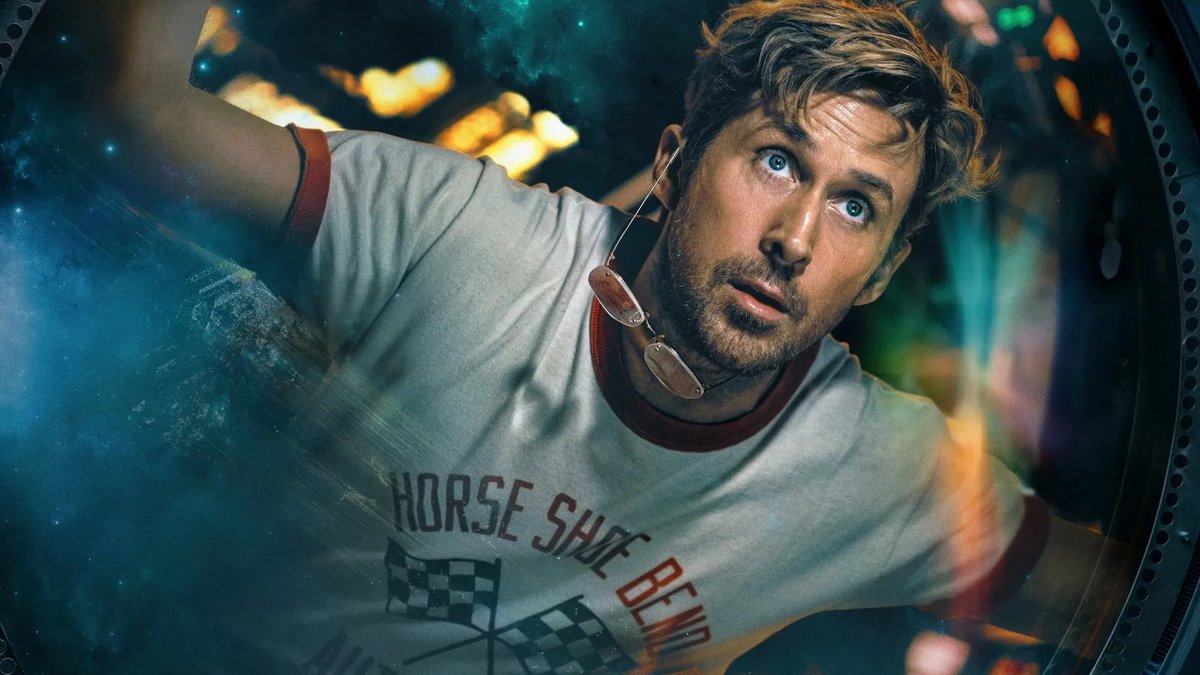
In wide release, you can still catch the new space blockbuster “Project Hail Mary” with Ryan Gosling as a lonely envoy to the stars in search of new life. About how the film is torn between Hollywood gloss and timid attempts to look inward — in our r...
The fame of a lonely (and abandoned in space) savior of Earth has finally reached Ryan Gosling. Apparently, it was time. Such a moment comes in every actor's career. It's like a test of maturity, and Gosling seems to have passed it successfully, but the film itself, “Project Hail Mary”, hardly did. It barely scraped a B-minus.
The film is literally devoured by the bottomless cosmic space and the megalomania of directors Phil Lord and Christopher Miller, who together and separately have been involved in a number of quite successful projects, including the universe of the new “Spider-Man”. The authors' love for arthropods, by the way, has been carried over into this film: if before it was a superhero, now it's an alien in the guise of a stone arachnid. But more on that later.
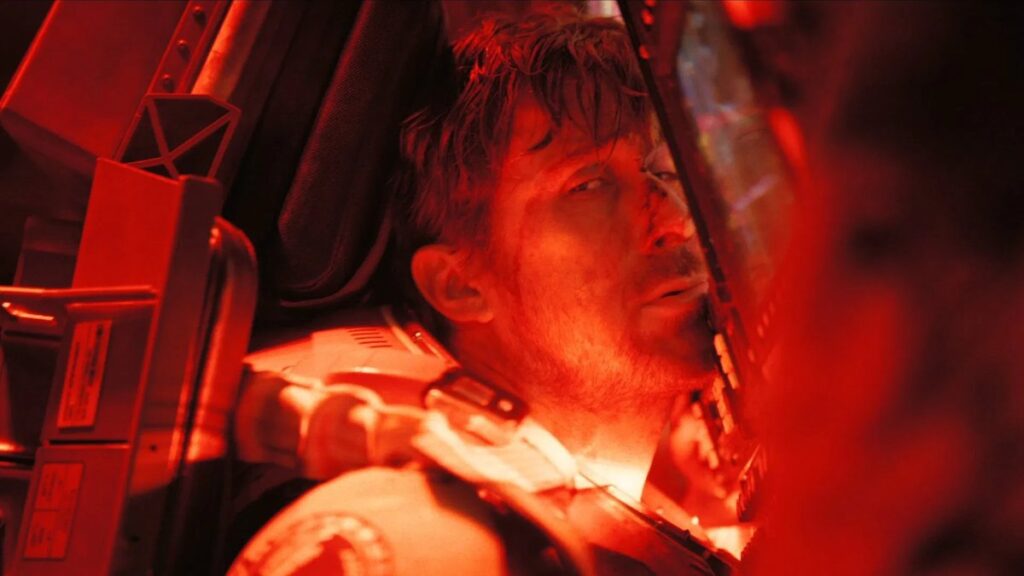
According to the plot of “Project Hail Mary”, school teacher Ryland Grace (Ryan Gosling) becomes a participant in a space program to save Earth's population from a long and painful extinction. The thing is, a chain of microorganisms (dryly named scientifically: “Petrova Line”) is moving quite swiftly toward the Sun, capable of significantly reducing its activity, which in turn would doom earthlings to starvation.
The project with the poetic name “Ave Maria” is overseen by the head of the international rescue council, Eva Stratt (Sandra Hüller) — a lady with an iron face but lively eyes, who saw potential in Grace's scientific work. However, already during the mission, Grace remains alone on the ship: his two companions, including the ship's pilot, have died. There's no going back — not enough fuel. All that remains is to finish what was started, but an alien ship is already waiting at the “Petrova Line”. And it seems it came for the same thing as Grace.
The film is based on a book by writer Andy Weir, and this is already the second adaptation of his works. The first was in 2015, “The Martian” by Ridley Scott, in which Matt Damon planted his own garden on Mars. And now, 11 years later, “Project Hail Mary” has been released. There's no garden this time, but there is karaoke and vodka. Weir has, to some extent, become an ambassador of large-scale space Robinsonades in cinema. With the mandatory participation of first-tier actors and an equally mandatory presentation as an expensive blockbuster.
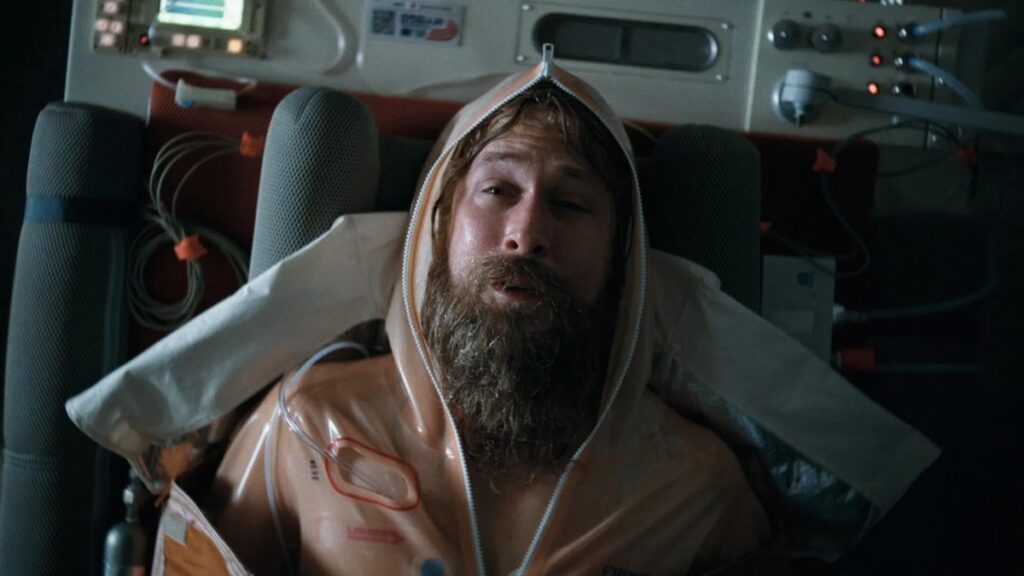
As for the latter, there is no doubt. On screen, space literally gleams with gold and gushes with the creators' imagination. The galaxy shimmers with psychedelic colors under the lens of cinematographer Greg Fraser and the furious synthesizers of Daniel Pemberton; Grace's unevenly scattered tribulations across the giant runtime are not without inventiveness and periodically make you hold your breath, while the emotional part is handled by the sentimental friendship of the protagonist with an alien in the form of a stone spider. Why not a friendly neighbor? But only in outer space.
Based on the above, “Project Hail Mary” could have turned out to be a quite successful film, where some fresh thoughts on the theme of human isolation in space could have been voiced, about looking inside oneself when surrounded by a cold starry desert with no one to really talk to. But in the end, “Hail Mary” remains a project that exudes exclusively Hollywood gloss. For a blockbuster, of course, it couldn't have been otherwise — ambitions wouldn't allow it.
But the aforementioned megalomania prevents the story from growing deeper. Maybe there were some attempts, but in the end, it's again a chewed-over tale that was mercilessly cut into pieces for order and then sewn together in an arbitrary order: a bit of “2001: A Space Odyssey”, a bit of the same “The Martian”, even a bit (just a tiny bit) of “Alien”, etc.
The film's references are instantly recognizable, and the presence of Ryan Gosling only reinforces this impression, despite the fact that he, for the first time in a long time, seems to cry not to provoke laughter in the audience, but genuinely. Because his soul is filled with longing and a heavy burden of responsibility.
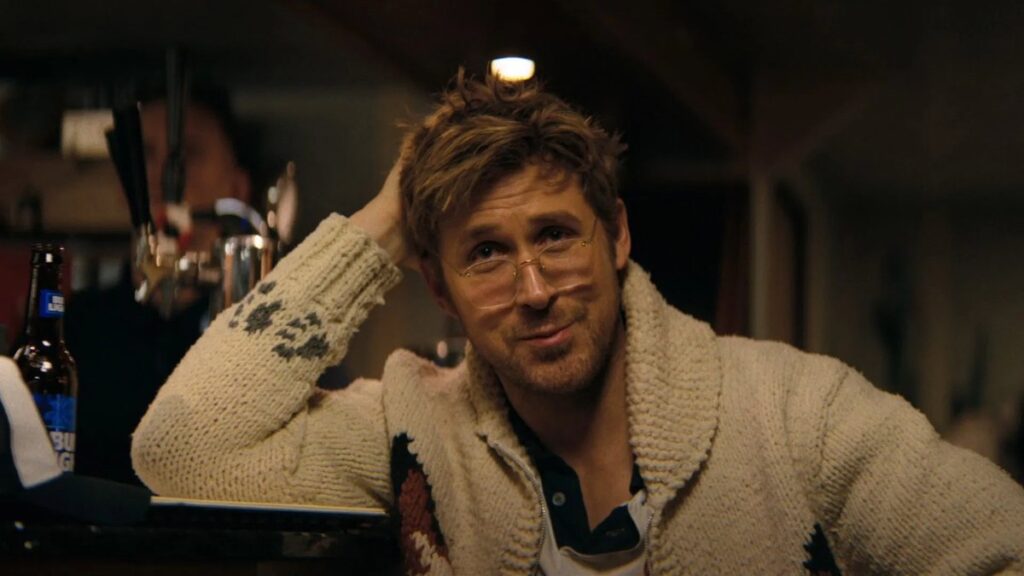
Since Gosling is the best thing in “Hail Mary”, with his softness and ability to win over the audience (plus he looks like the host of a morning TV show about space for dummies), the film's directors cling to him like a lifeline and are reluctant to say goodbye, dragging out the finale as much as possible. Such blatant exploitation of the hero and endless playing on the audience's feelings (and nerves) is somewhat tiring, and after a couple of times, you already want to finally let Gosling go in peace.
The only thing “Hail Mary” can still be praised for is that the film's creators did not once again impose the well-known thesis that a person needs another person. Apparently, it's no longer needed. It's time to fly into space and try something else.
Comments
0No comments yet.
Sign in to join the discussion.