
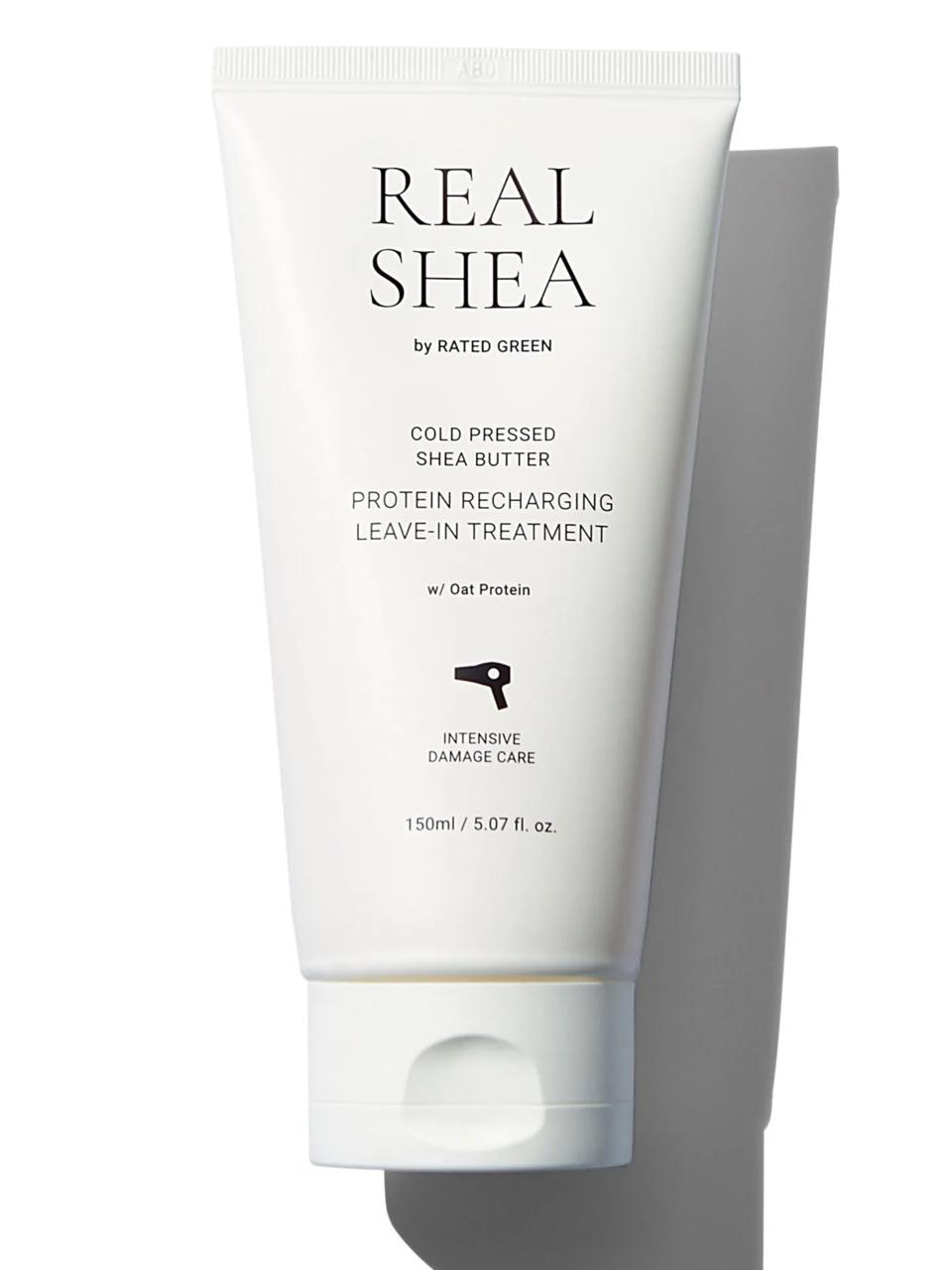
Ingredients:
Glycerin, Water, Cyclopentasiloxane, Cetearyl Alcohol, Dicaprylyl Carbonate, Behentrimonium Chloride, Steartrimonium Chloride, Aloe, Soy, Shea
At first glance — nothing "criminal." No microplastics, no acrylates. But if you look deeper, the picture is not so green anymore 👇
❗️Main nuance #1 — volatile silicone Cyclopentasiloxane (D5), which provides the claimed effect of the product (smoothness, shine, anti-frizz)
But for the environment:
— poorly biodegradable
— accumulates in nature
— already restricted in the EU for rinse-off products
👉 That is, it is a persistent pollutant
❗️Nuance #2 — cationic surfactants (quats)
• Behentrimonium Chloride
• Steartrimonium Chloride
On one hand, they provide easy combing, softness, "silkiness"
But:
— toxic to aquatic organisms
— poorly biodegradable
— enter wastewater after each wash
👉 This is a common "hidden" environmental risk in conditioners
🌿 What is good in the composition?
— glycerin (biodegradable humectant)
— fatty alcohols (safe)
— plant extracts (aloe, soy, shea)
But their contribution is secondary
📊 Summary
✔ no microplastics
❌ silicones with bioaccumulation present
❌ substances harmful to aquatic environment present
Overall eco-friendliness: average (approximately 4–5/10)
💡 Important conclusion:
If you want a more eco-friendly alternative, look for:
— without silicones (especially D5/D6)
— without quats or with minimal amounts
— with biodegradable polymers
But the "cleaner" the composition — the milder the effect
Comments
0No comments yet.
Sign in to join the discussion.