How to Use Breath on the Mat?
In the previous article, I explained why it's so important to breathe through the nose. So you come to a yoga class with this knowledge—what do you do with it next?
Let's figure it out.
1. Use the breath as an anchor for attention
What to do in practice:
In each asana or sequence, periodically ask yourself a simple question: "Do I feel my breath right now?"
If the answer is "no," you've likely drifted into thoughts or struggle with the pose.
Bring your attention back to the breath, then:
* unnecessary tension will decrease
* you'll return your attention to the body
* your practice will become more focused
You don't need to change the breath; just noticing it is enough.
2. Find more possibilities within yourself
How to apply:
Imagine you're holding a challenging asana. For example, holding Ardha Navasana or Chaturanga.
You can feel with every cell of your body that you have no strength left to hold, or ask yourself, "How did I get here?"
Alternatively, you can shift your attention to the breath, helping inhalations become deeper and exhalations longer. Focusing on the breath distracts from the unbearable nature of being in this pose and allows you to stay in it a little longer.
3. Let the breath set the rhythm of movement
In vinyasas and dynamic practice:
Don't force the breath to match the movement. Do the opposite: let the movement follow the breath.
Practically, this means:
* one phase of movement = one inhale or exhale
* if the breath can't keep up, the pace is too fast
This will help you avoid rushing, make the practice smoother and more measured, reduce excessive tension, and add more motor control. More motor control makes the practice more effective and safer.
4. Use the breath as an indicator of overload
What to track:
The breath is the most honest marker of whether the load and depth are suitable for you.
If the breath is calm but you feel effort, you're in the training zone: there is load, but also resources.
If the breath becomes irregular, you've likely gone beyond its limits.
What to do:
Don't endure; adapt the practice:
* reduce the difficulty
* shorten the hold time
* take a pause
This is not a step back, but a smart adjustment of the load.
5. Breath as a way to do more
How to use:
Let the breath help the body, not hinder it.
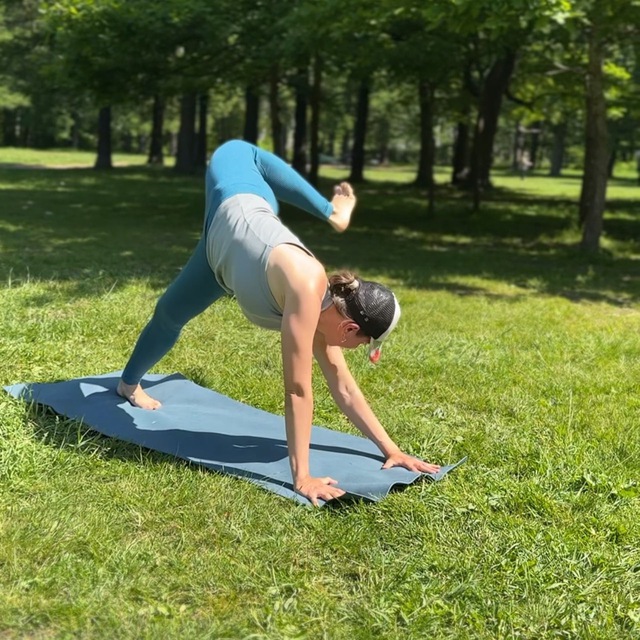
When we breathe, our body naturally expands the ribs on inhalation and contracts them on exhalation. Why not use this natural alignment to refine the asana from within?
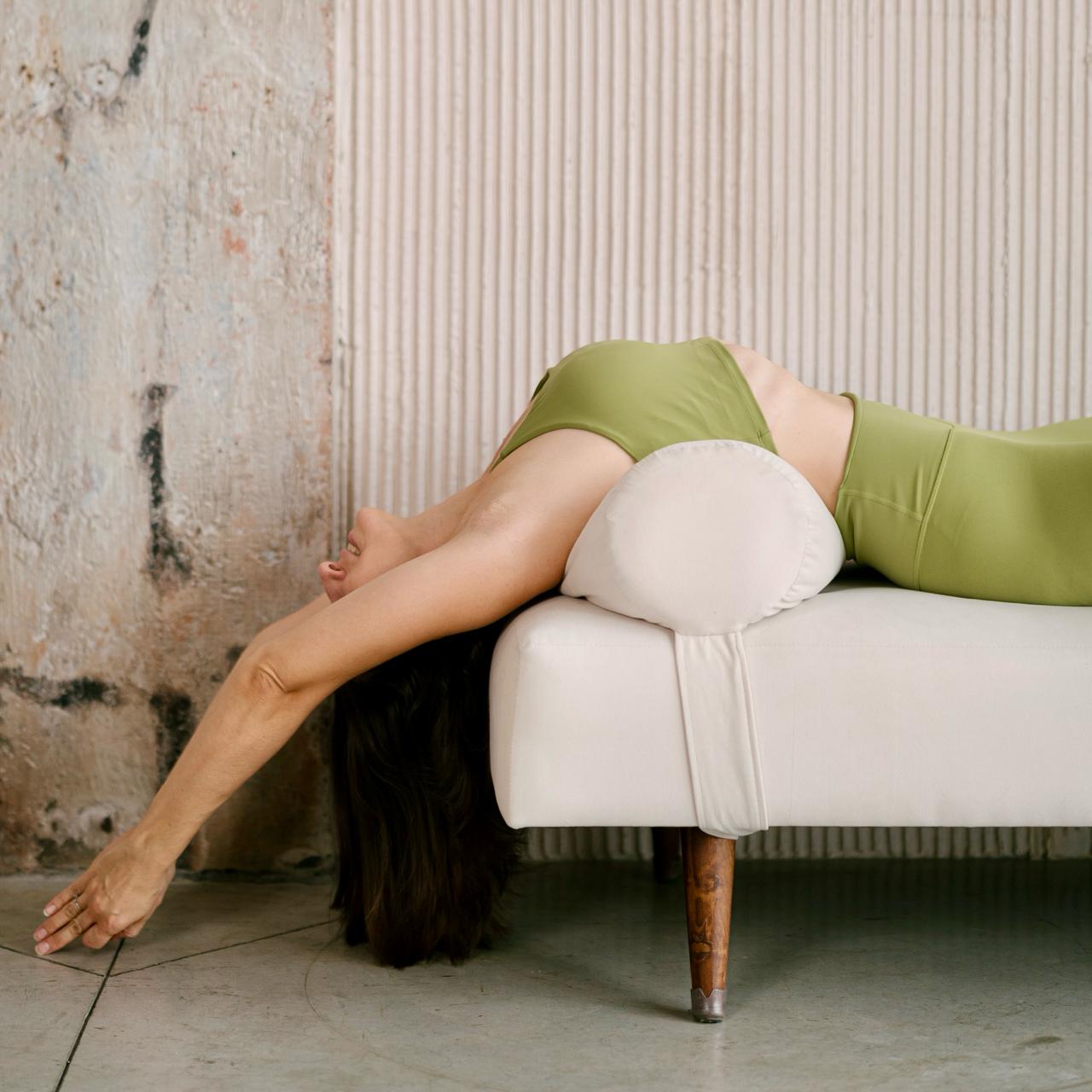
* Use the opening power of the inhale to deepen a backbend, lengthen the spine, or open the chest in a twist
* Relaxation on the exhale can help deepen a forward fold, relax a stretched muscle, and use the contraction of the ribs and abdomen with the exhale to deepen a twist or spinal curve.
If the movement aligns with the natural mechanics of the breath, the body expends less effort and adapts faster.
6. Tune into the practice
The breath helps set the tone for the practice from start to finish.
A few minutes of breath work at the beginning of class, and you become aware of yourself on the mat, not in chats, mulling over conversations, or to-do lists. A bit more active breathing or simply mindful observation of inhalations and exhalations helps you gather yourself and engage in the practice (even if you came with a "head full of worries").
At the end of class, the breath sets a different tone: a slow rhythm, calm exhalations, and the body understands it can switch off the "trying" mode and switch on the recovery mode.
The breath is like a "start practice" and "gently finish" button.
So, sometimes "breathing" in yoga practice means doing more.
Other times it means doing exactly as much as is needed right now 🤍
What do you use? And what was a revelation?
Comments
0No comments yet.
Sign in to join the discussion.