
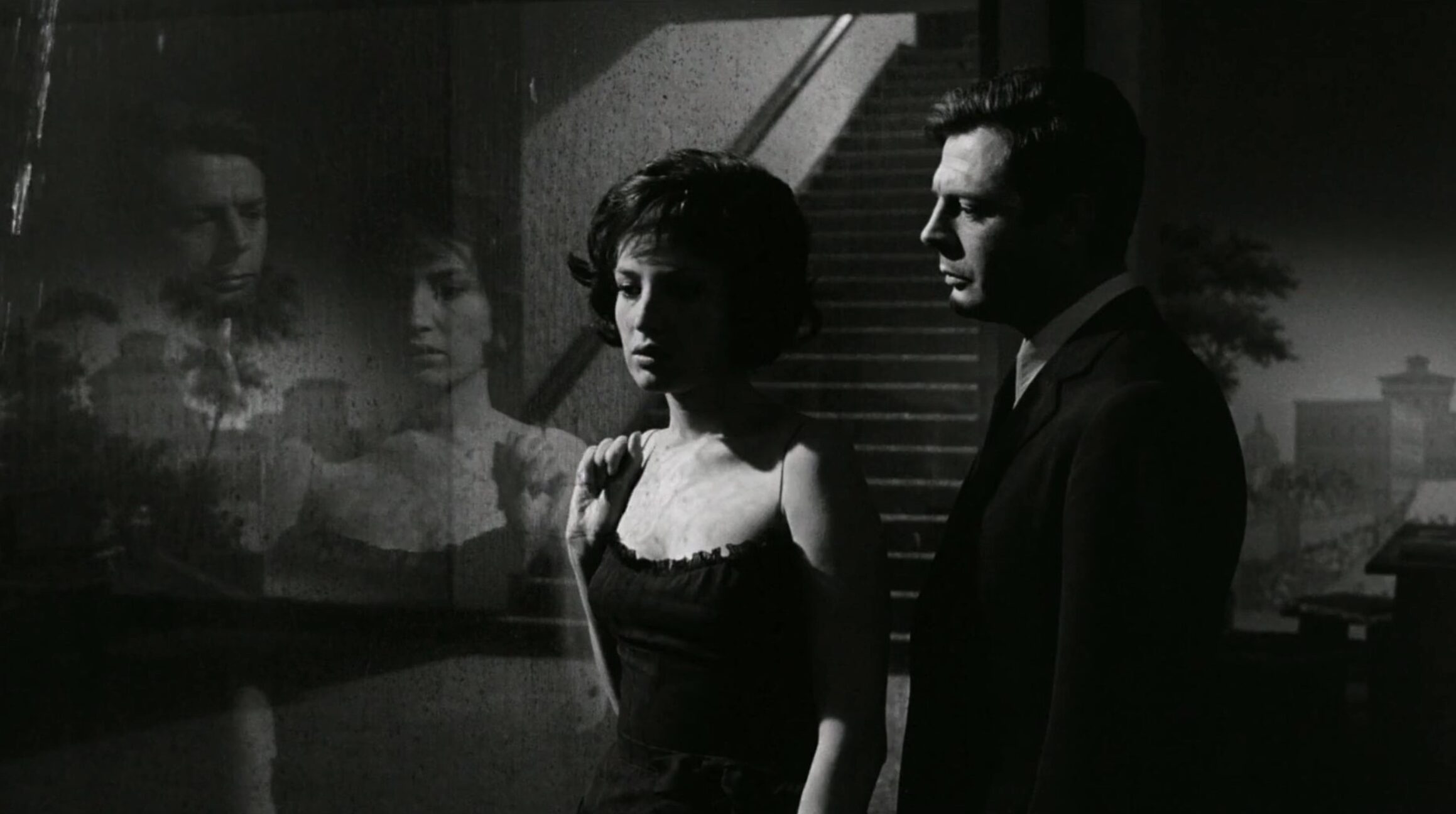
Now in theaters: Michelangelo Antonioni's "La Notte," a masterpiece of cinematic modernism about loneliness and detachment from the world. Why this classic, released worldwide in 1961, is still relevant—in our article.
Giovanni (Marcello Mastroianni) is a successful but disillusioned writer. He acutely feels the mismatch between himself and literature. This feeling rattles within him and degenerates into cold sarcasm, masking the emotions that must still linger. His wife Lidia (Jeanne Moreau) hides from loneliness and the pain of past mistakes, whose echoes are still alive. This strange couple, sensing and grieving the loss of a family friend, goes to a bohemian party in an attempt to drown out the murmur of consciousness, dissolve in the light jazz rhythm of strangers' voices, and escape from each other.
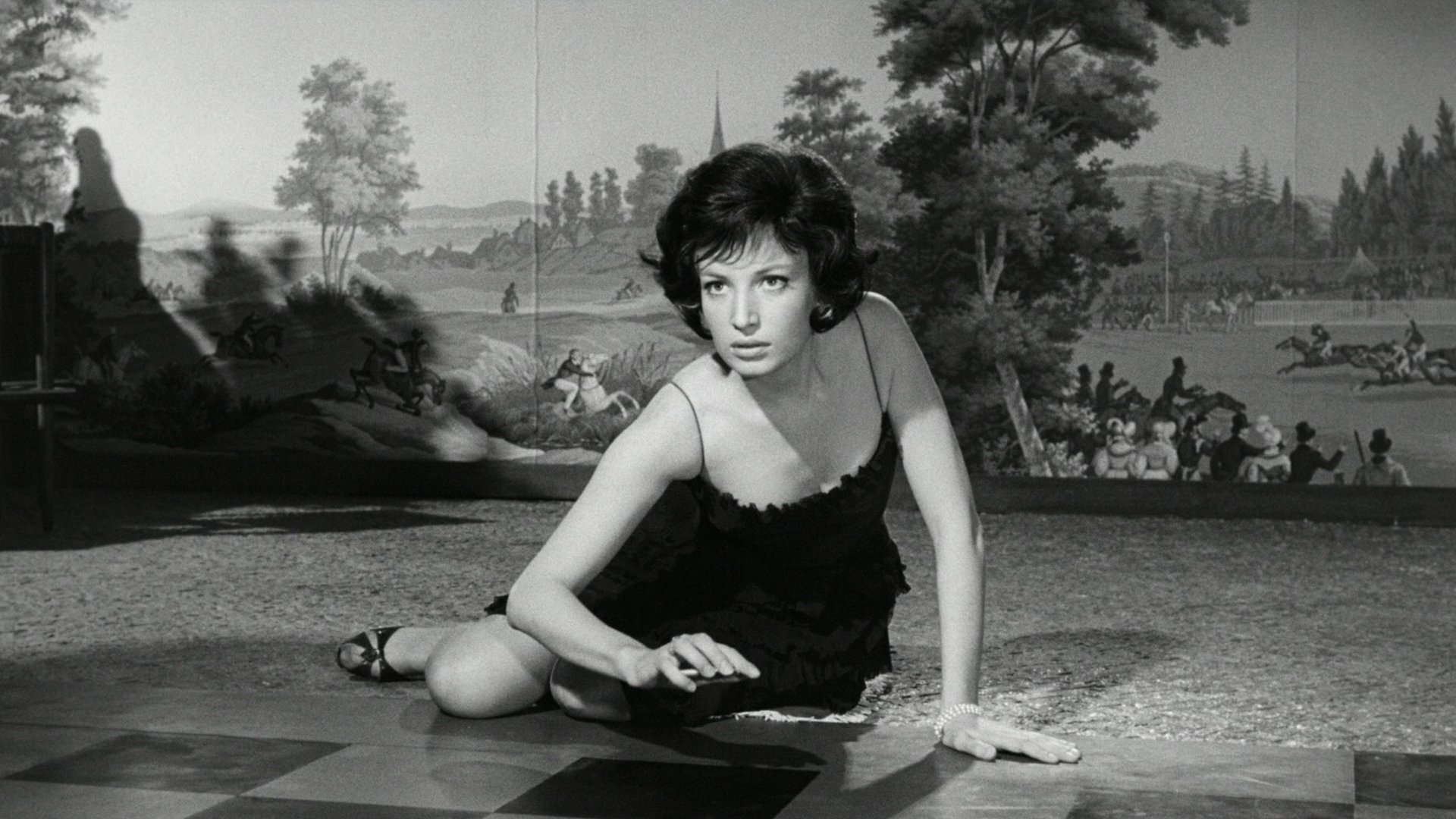
"La Notte" is the second film of Michelangelo Antonioni's unofficial "trilogy of alienation." Although, according to the author, the idea for it came before the other parts, the film sits between the pseudo-detective "L'Avventura" and the falsely romantic "L'Eclisse." Antonioni's "La Notte" barely masks, only slightly drapes, the feeling of emptiness and desperate loneliness that forms the core of the film with a drama about marriage.
On the surface, it is a story about the inevitable cooling of feelings in an aristocratic, elegant couple. From within, it is a plotless modernist study of alienation. Despair. Loneliness. The innate inaccessibility of people to each other. The love triangle carefully crafted by Antonioni is also open: Giovanni cannot feel attraction even for a ghostly new romance with Valentina (Monica Vitti), the daughter of his future boss. Therefore, romantic wanderings become merely a way, a flourish, a pretext to expose global impossibilities.
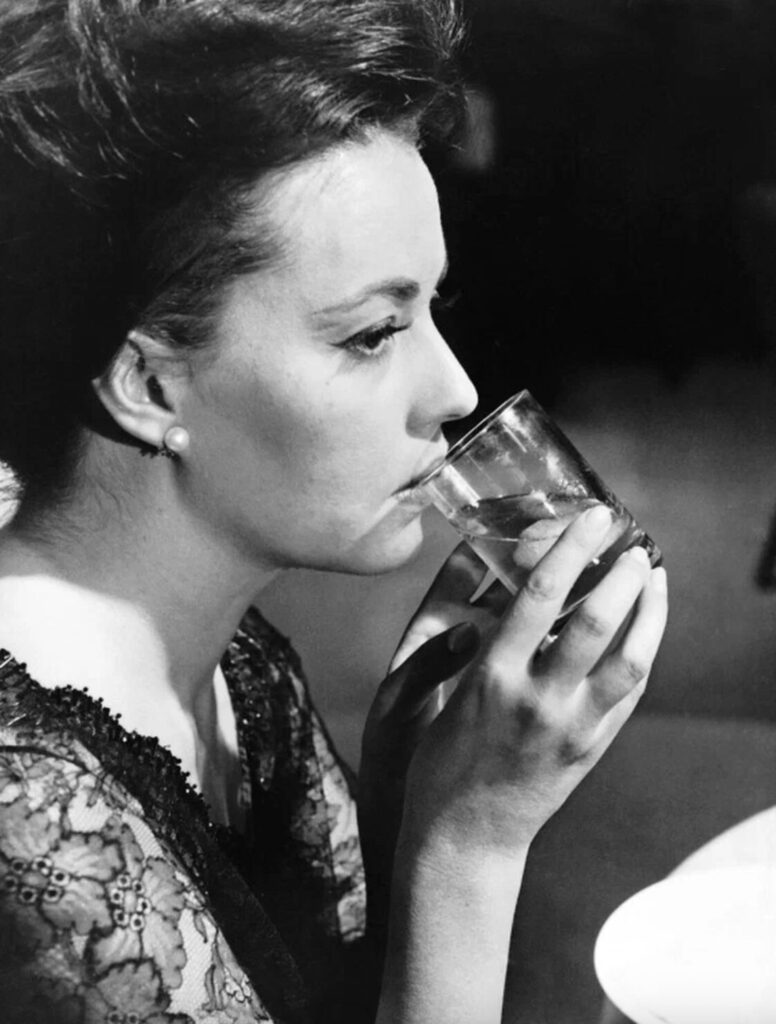
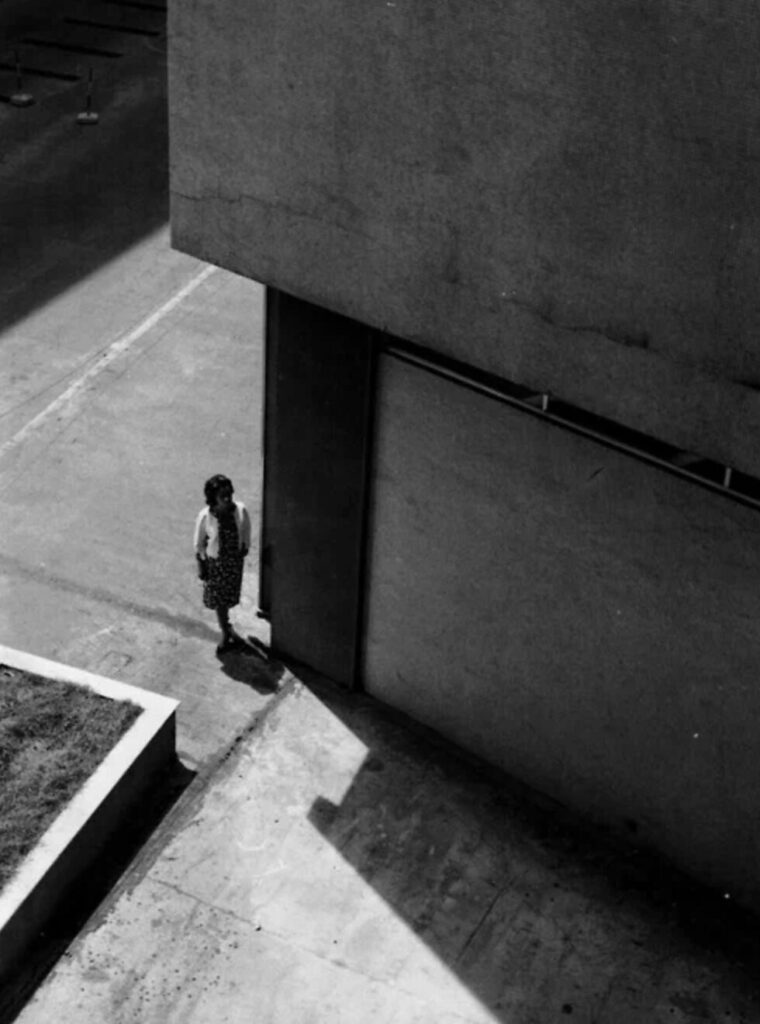
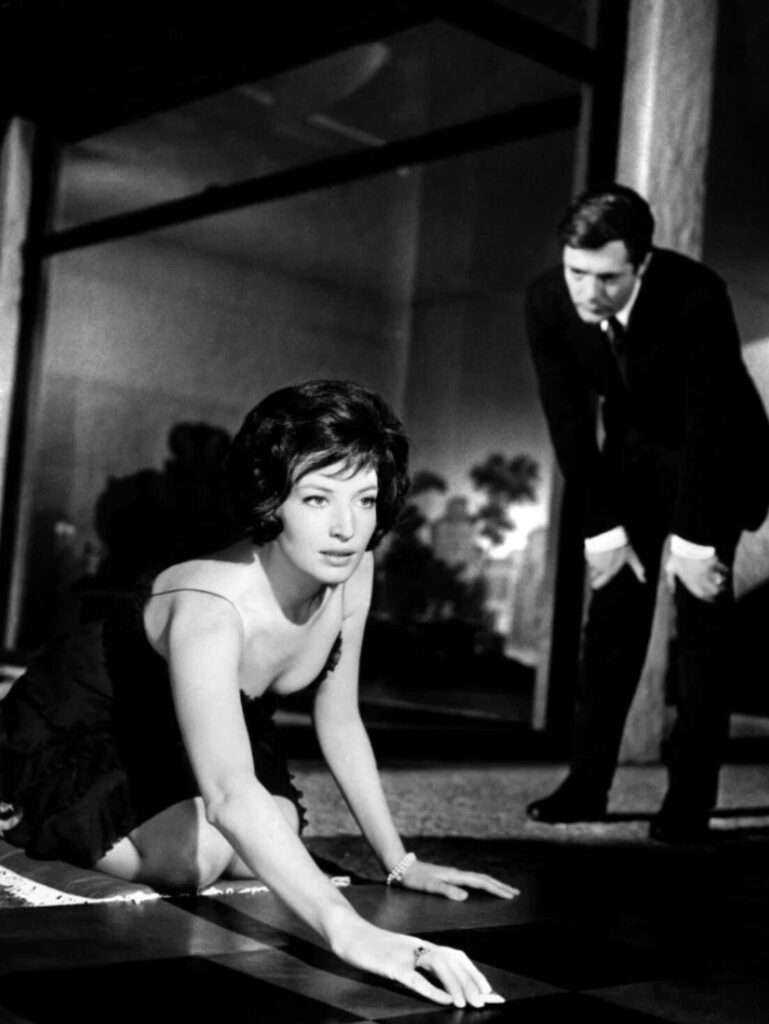
There is no conventional plot in "La Notte." Instead, there are remarks thrown aside, not expecting a response, not implying that the interlocutor is even capable of hearing them. Long silent shots. Corners of Milanese buildings enclosing the hero somewhere in the first third of the screen. Clean surfaces without texture. The rhyme of Monica Vitti's timid angular melancholy, Jeanne Moreau's devout grace, and Marcello Mastroianni's somnambulistic plasticity. The director eliminates words, deprives the characters of the possibility of dialogue, revealing disunity. He enhances physicality without allowing prolonged physical contact. Giovanni and Lidia are always confined, but always alone: in the frame of lacquered openings, layers of concrete and asphalt, the density of the night air.
But Antonioni did not invent alienation; he borrowed and transformed this tradition, one of the most striking examples of which is the work of the existentialists and their forefathers. Kafka's hero is expelled from the colorful world by the absurdity of nonsense. He simply does not fit the very fabric, like a velvet patch on satin. Sartre constructs alienation within the person himself; he does not strive to fit into the framework of everyday life, suffering more from internal difference than from rejection. Dostoevsky's society splits entirely, distancing all characters from each other.
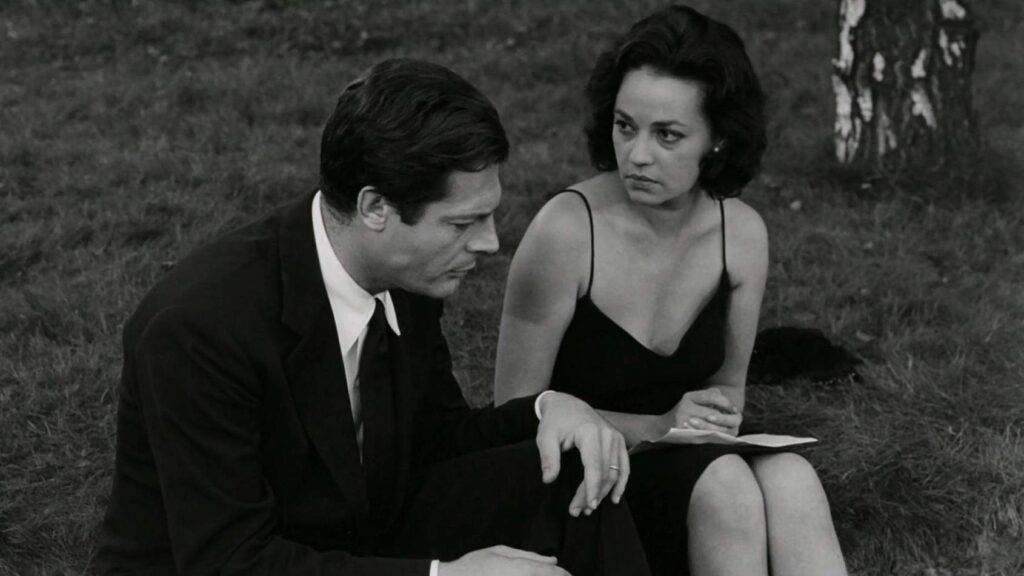
The loneliness of "La Notte" is a natural, innate trait of every person. Its root twists inside, and the impossibility of closeness—physical, spiritual—is the foundation of personality. It is this irrevocability that forms the tragedy, since each character possesses a sketch of individuality that separates them from the external world, from the other. This contour, the extent of the physical shell, the curves of selective memory, fragile perception—these are the necessary boundaries for life. For life in solitude.
Even sixty years later, the background pain that filled "La Notte" has not only remained relevant. It has intensified: we do not need to look into each other's eyes to not understand; we do not need to move our lips to throw unheard phrases; we do not need to peer into the empty eye of another's reflection in the glass, as the characters did—for this, there is now the black mirror.
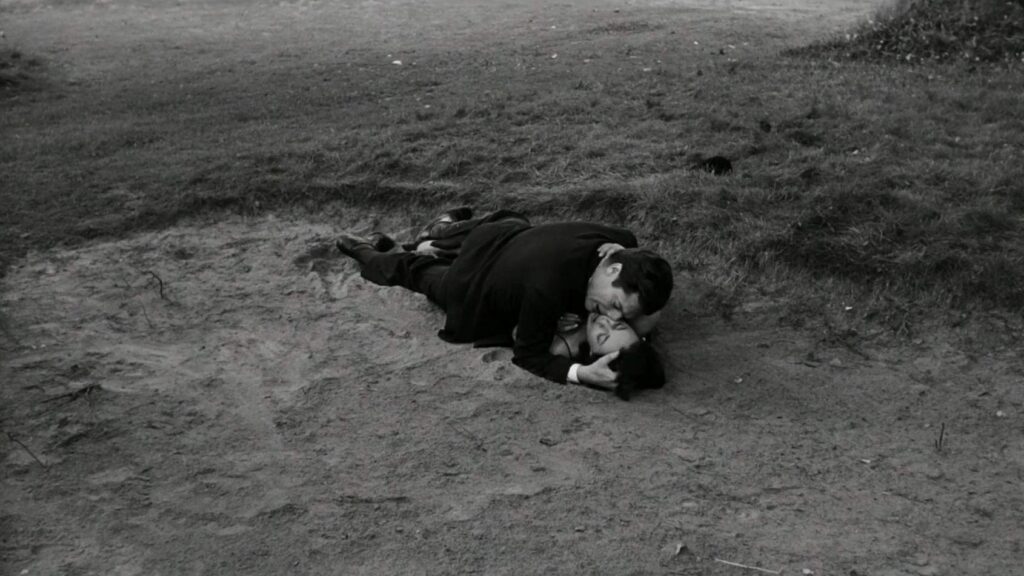
Antonioni leaves no chance. When the gloss and madness of the night dissolve into the pre-dawn grayness, Lidia and Giovanni try to break the barrier. But they cannot do it either spiritually—Giovanni does not recognize his youthful, sweet letter to his beloved—or physically—their broken embraces in the sand multiply the suffering.
"La Notte" models in the relationship of the spouses a fundamental impossibility of closeness, soldered into human nature. But what should be natural turns into tragedy, as it is exacerbated by the decor of the modern world, with its pace and doubly emphasized individualism. No piercing spiritual nakedness can erase the contour separating the characters from each other, expressed in terms of a half-sleep of one bohemian night in the early 1960s in Milan.
Comments
0No comments yet.
Sign in to join the discussion.