

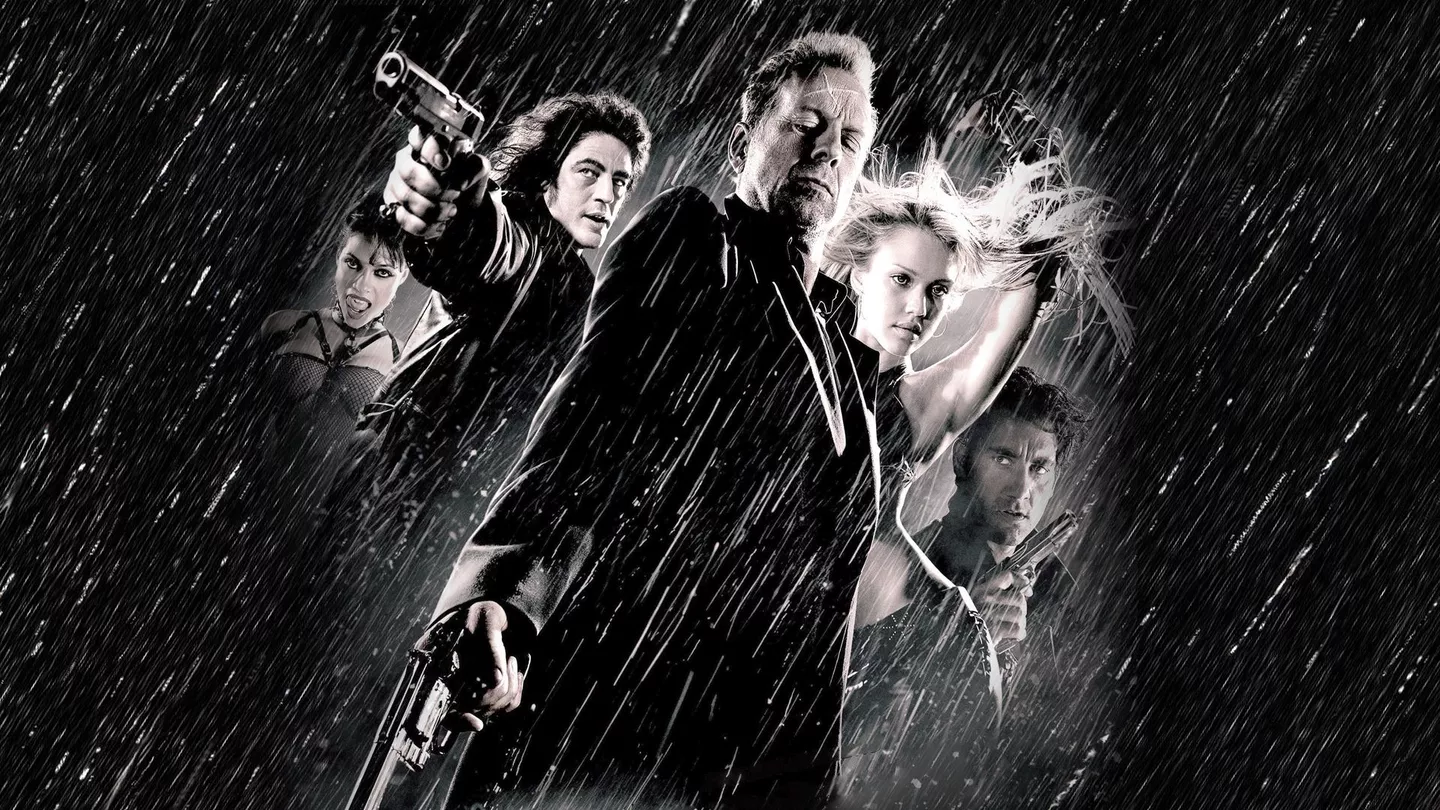
Sin City celebrates its 20th anniversary in 2025. We recall the cult film by Robert Rodriguez and Frank Miller, its uniqueness and impact on the industry.
Twenty years ago, in 2005, cinema stepped into a visual revolution when Sin City hit the screens. The directorial tandem of Robert Rodriguez and the original comic creator Frank Miller (with the participation of “special guest director” Quentin Tarantino) literally transferred the neo-noir aesthetic of black-and-white drawings with precise splashes of bright colors onto film. Today, looking at how Sin City has aged gracefully and still looks impressive, one can’t help but want to dive into the behind-the-scenes of this bold project, recall the iconic images, and assess the film’s impact on the industry.
Origins and Creation
By the early 2000s, Frank Miller was already a cult figure in the world of graphic novels: known for his work on Batman: The Dark Knight Returns and 300, he created fierce, atmospheric stories filled with the dark romance of the streets and charismatic, often insane heroes. Sin City was his long-time passion project: a series of novellas where darkness was not just a backdrop but a living environment and a symbol of a decaying society.
Robert Rodriguez, who came up with the idea to film Sin City, admitted that he did not want to make an ordinary “comic book adaptation”:
I said: I’m not going to adapt Sin City, I’m going to translate it into the language of cinema. Just take what’s already on the comic pages and put it on screen.
And this approach worked: the audience saw a film where every scene looks like a living illustration.
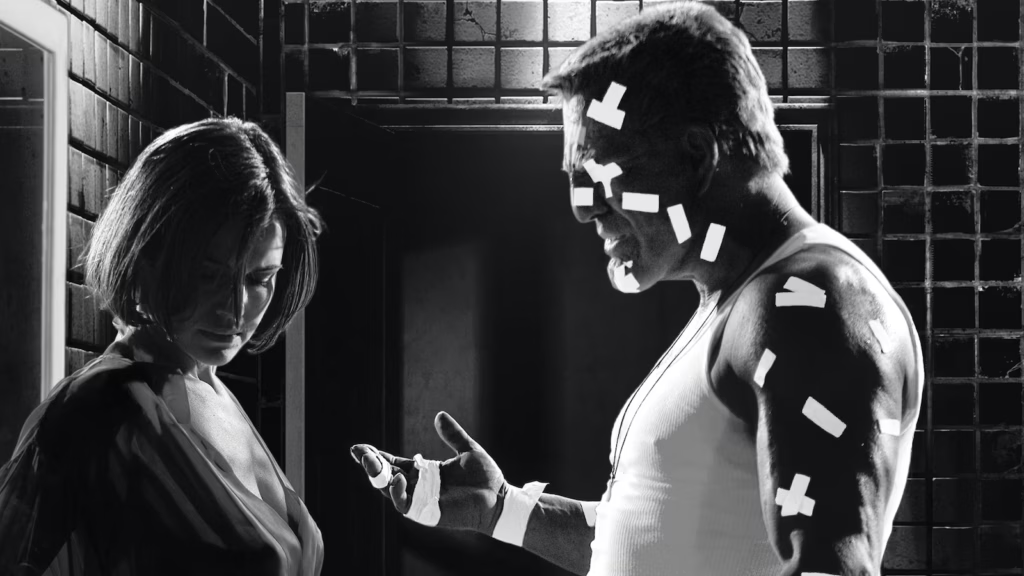
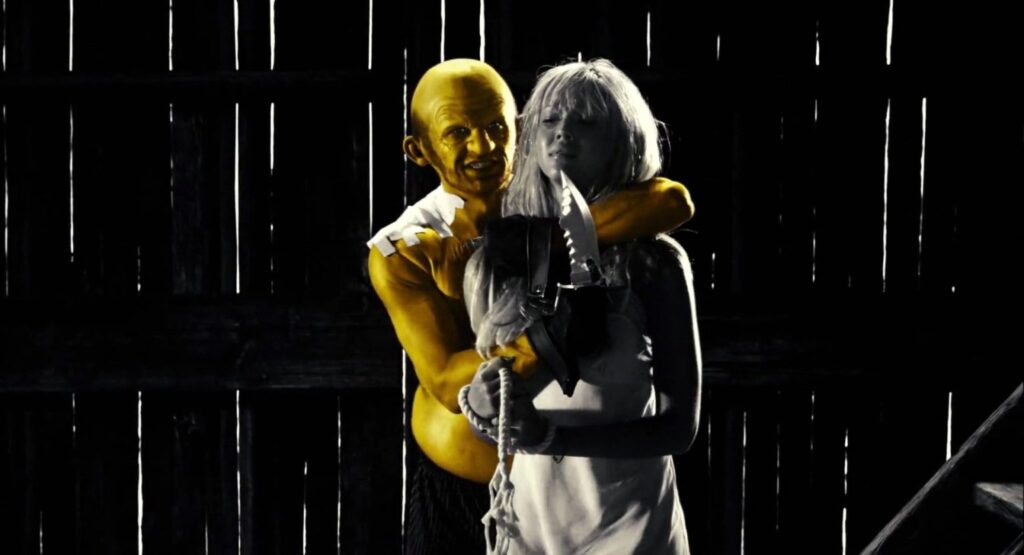
To achieve the hyper-stylized and almost monochrome effect, the film was shot primarily on green screen, with minimal real sets. This allowed for a contrasting palette (black-and-white with splashes of red, yellow, and blue), inspired by Miller’s original drawings.
Cast and Characters
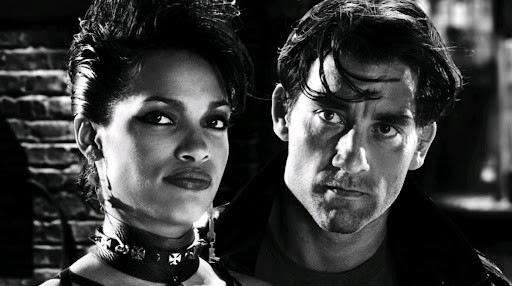
The participation of top stars only fueled interest. Mickey Rourke (Marv), Bruce Willis (Hartigan), Clive Owen (Dwight), Jessica Alba (Nancy), Benicio del Toro (Jackie Boy), Rosario Dawson (Gail), Elijah Wood (Kevin), Rutger Hauer (Roark), Brittany Murphy (Shellie), and others created a vivid gallery of charismatic characters—each with a baggage of trauma, passions, and, of course, sins.
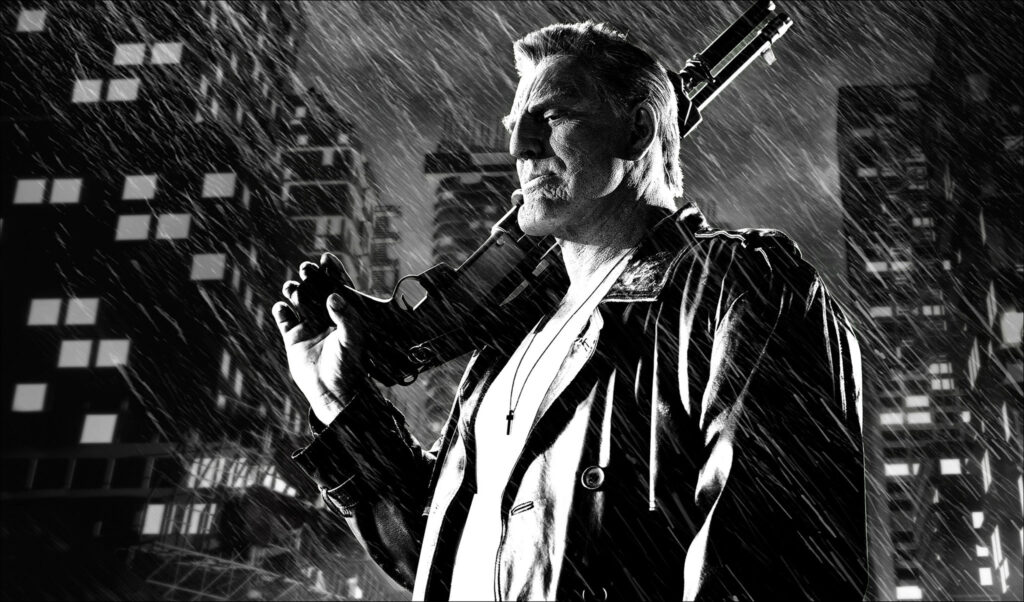
The role of the thug Marv became virtually a reincarnation of the “brutal romantic” Mickey Rourke. The actor himself admitted that he slipped into the character surprisingly easily:
Marv is just a misunderstood thug with a big heart. One of those whom the city broke, but he keeps fighting to the end.
And he added that the heavy makeup was not a hindrance:
I couldn’t have done it without the makeup. It immediately gave me the feeling that I was Marv.
Jessica Alba admitted in an interview that she was most worried about the dancing: she feared the audience would see that she was not a professional dancer. And she shared how the directors helped her overcome her inhibitions:
I don’t undress in movies. I just don’t do it. Maybe I lose some roles because of it, but I have too many internal hang-ups. Robert and Frank understood that and focused on the plasticity, gestures, and emotions of my character.
As we remember, the scene turned out effective and memorable, one of the film’s calling cards.
Bruce Willis (Hartigan), already accustomed to roles of tough cops and stern heroes, gladly agreed to collaborate:
It was a real thrill to see how close the film was to the comic. It was like we brought the drawings to life, one to one.
Willis noted that before filming, he studied the original graphic novels to feel the “noir” atmosphere and Hartigan’s internal monologues.
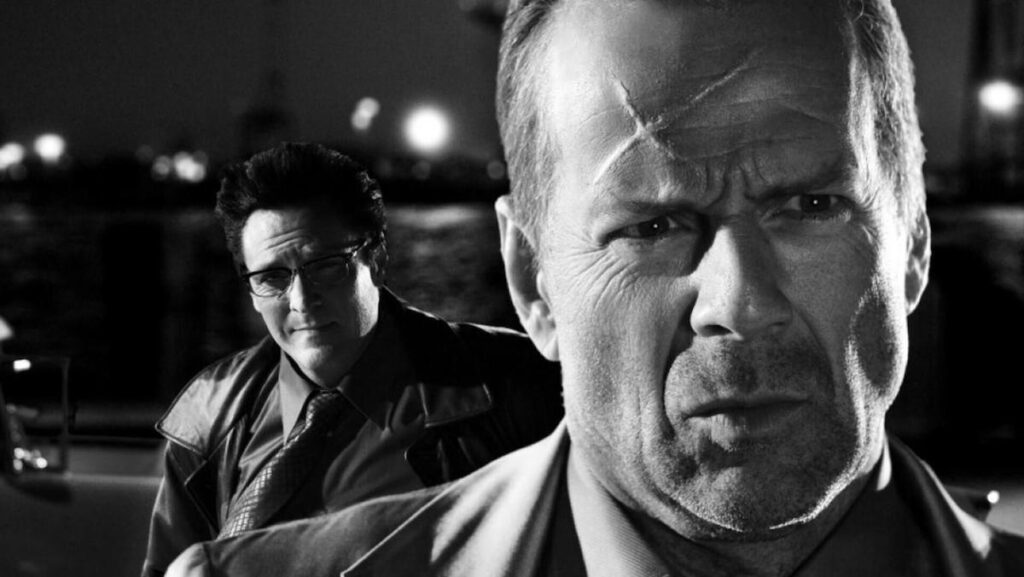
For added effect, Robert Rodriguez invited Quentin Tarantino as a “guest director” to stage one of the scenes (the famous episode with Benicio del Toro in the car). Tarantino said that Sin City was a “digital experiment” for him, as he usually remains committed to classic 35mm film methods:
I was interested in working on a digital set, since I usually shoot on film. Robert invited me for one episode, and I enjoyed it, like stepping into the comic itself.
Behind the Scenes: Pixels Instead of Sets
One of the main features of Sin City is total computer processing. Almost the entire film was shot on a green screen, where all necessary details—from the shabby bar walls to blood splatters—were added in post-production. Only a few items were “real” (cars, a couple of chairs, and a bar counter); the rest was computer-generated. This technology, inspired by work on Spy Kids (where Rodriguez experimented with a virtual set), transferred the graphic novel style to the screen almost verbatim.
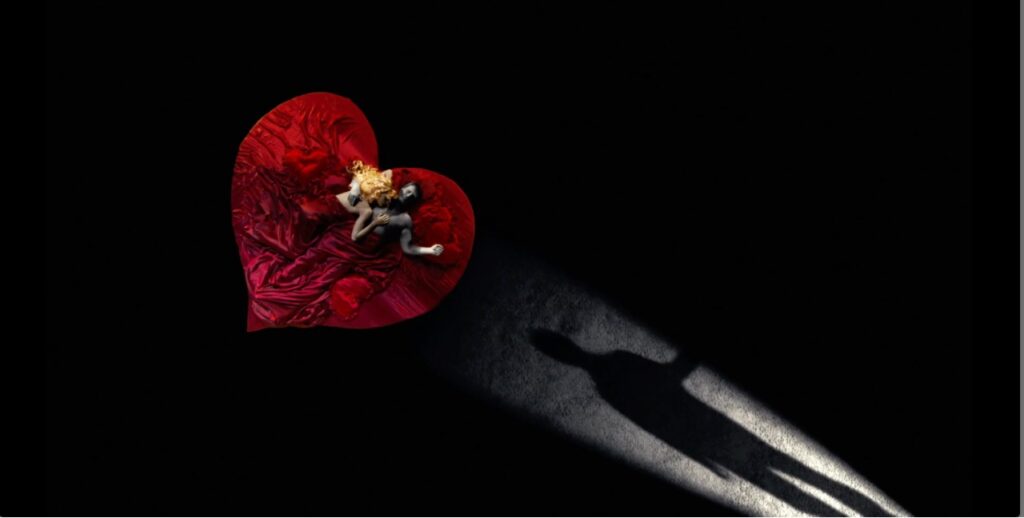
At one point, Frank Miller himself remarked that it “seems impossible that all this was shot in one room.” At the same time, he felt “like a kid in a candy store” seeing his drawings come to life frame by frame:
This is the first time I see my comic literally come to life on screen. This is not an adaptation—it’s a transfer of my pages onto film.
Cultural Resonance and Legacy
The success of Sin City was immediate. With a budget of $40 million, the film grossed $158.7 million worldwide. The dark neo-noir also received much praise from film critics worldwide and currently holds a 76% rating on the review aggregator site Rotten Tomatoes based on 257 reviews.
Sin City won numerous awards: Mickey Rourke won the Saturn Award, the Critics' Choice Award, and the Chicago Film Critics Association Award for his brutal, uncompromising performance. The film also competed for the Palme d'Or at the 2005 Cannes Film Festival, where Rodriguez received the main technical prize for innovative visual effects.
Stylish, atmospheric, and uncompromising, the film combined images of classic film noir (corrupt cops, femme fatales, night bars, streets shimmering in moonlight) with a narrative style considered “hard-boiled” yet mesmerizing. It demonstrated how to literally transfer the aesthetic of a graphic novel to cinema without losing either the ideas or the original charm.
Film critic Richard Roeper said of the film:
Sin City is that rare case where you see something so visually new and sharp on screen that you can’t look away, even if it sometimes shocks you.
Manohla Dargis of The New York Times noted that Sin City is “a radical experiment, largely thanks to which subsequent comic book adaptations became bolder in their use of color, shadow, and grotesquerie.”
Many critics noted that after Sin City, new trends emerged in Hollywood for presenting comics on screen. While earlier creators tried to adapt the style of the paper version to the film format, Rodriguez and Miller flipped this logic, declaring: “We’ll leave the graphic novel as is, and let cinema adapt to us.”
It is no coincidence that this same idea was evident in other comic book projects (including 300, which later received a similar visual DNA), as emphasized by the director:
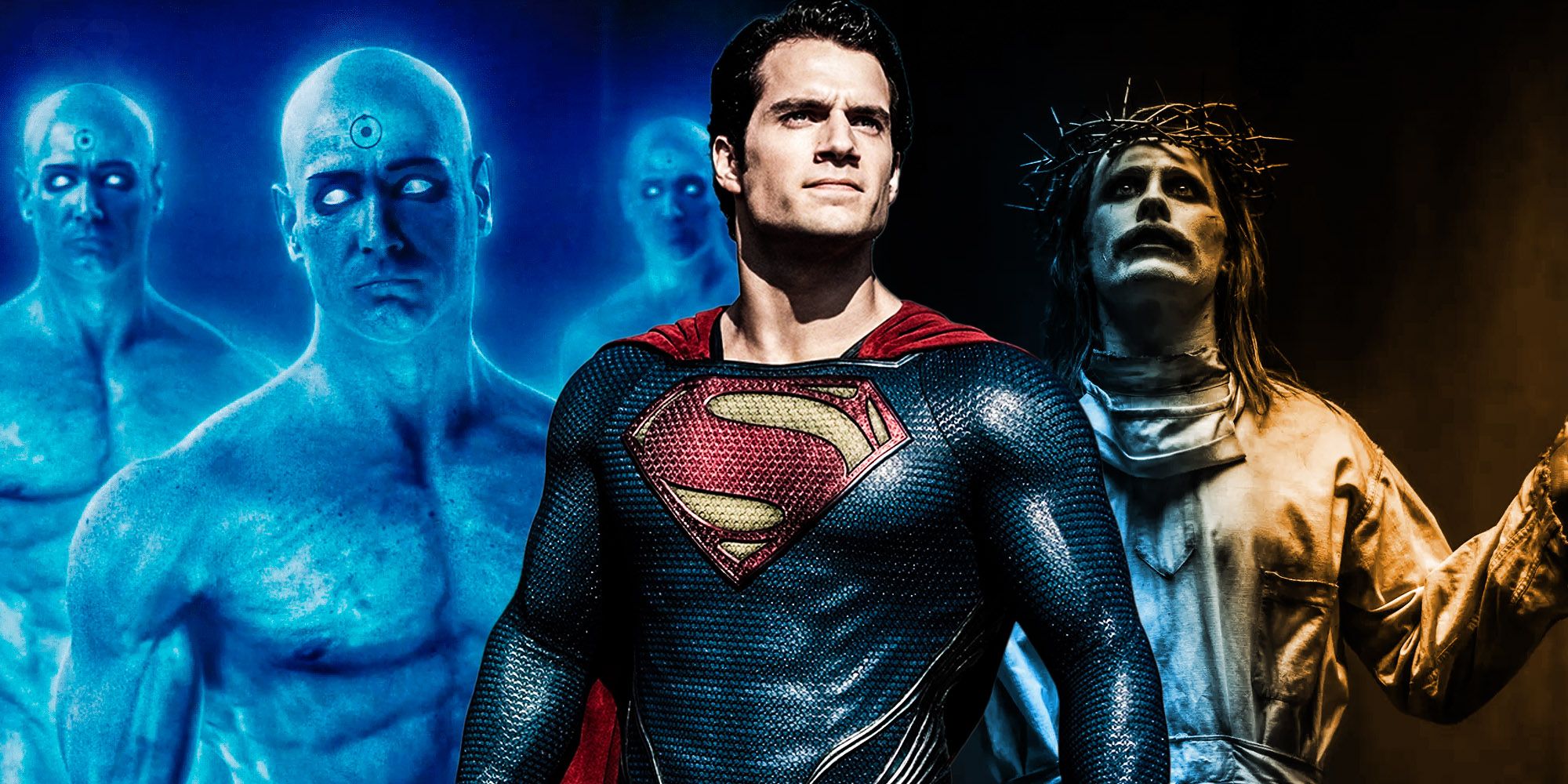
The editorial team of the project 'After Credits' decided to compile our top Zack Snyder films, ranking them from worst to best.
Open material
The success of Sin City showed that audiences are ready for a style that almost literally replicates the graphic novel. Robert (Rodriguez) and Frank (Miller) did what everyone had only talked about before: they transferred the comic pages to the screen.
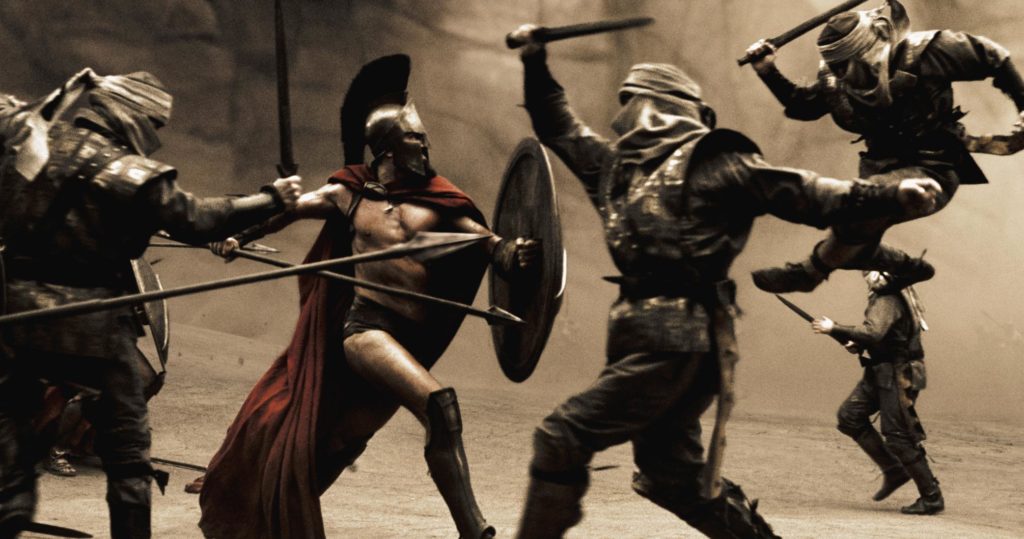
Snyder clarified that as a big fan of Miller, it was important for him to preserve the “spirit” of the original drawings, and Sin City was a clear example of how to do it as closely as possible.
How the Sequel Turned Out
Almost ten years after the original (in 2014), a sequel was released—Sin City: A Dame to Kill For.
Despite the return of most key creators, including Rodriguez, Miller, and several actors, the sequel did not achieve the resounding success of the first part—neither financially nor in press reviews.
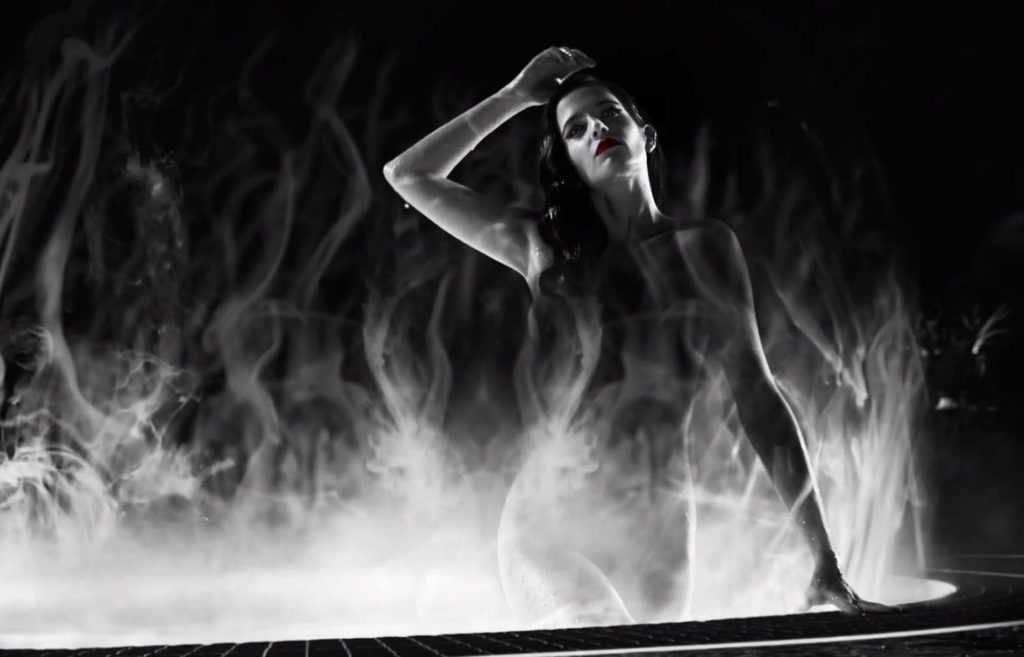
However, for fans of the original, it was still an opportunity to once again immerse themselves in the atmosphere of a mad city where love and death dance to the accompaniment of a hoarse saxophone. And the beautiful Eva Green seemed born for this aesthetic.
20 Years Later
In 2025, Sin City turns 20, and it remains a symbol of a bold cinematic experiment that has stood the test of time. Rewatching the film, you notice it doesn’t look dated—its artificial black-and-white world still impresses with contrast and energy.
The film has forever entered history as an example of how, if directors have audacity and stubbornness in the best sense, and the creator of the source material has intransigence and faith in his own vision, something special can be born. Sin City gave audiences and the film industry a lesson: be true to the spirit of the original and don’t be afraid to experiment, even if you have to build an entire world inside a computer studio.
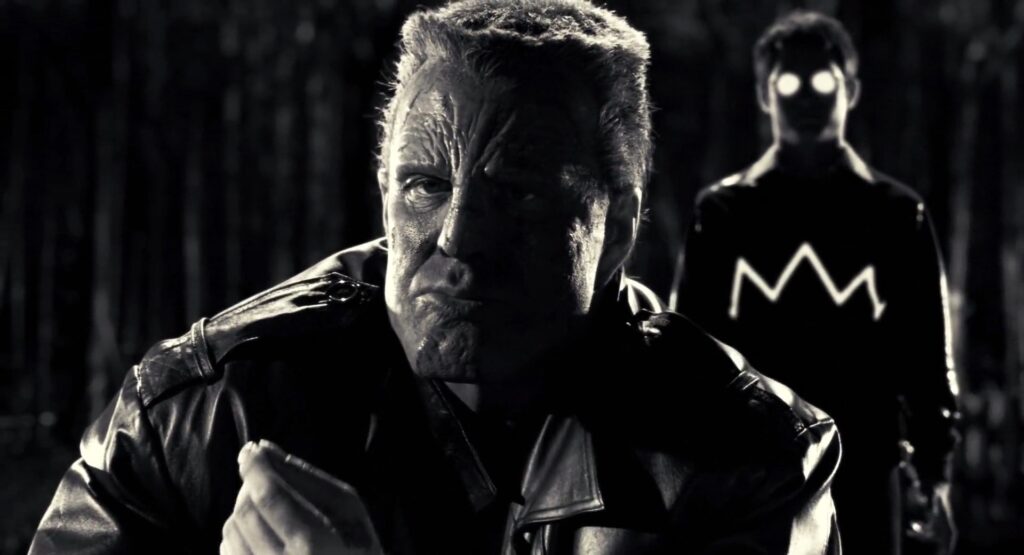
“It feels like you’re watching a living graphic novel—the same one you held in your hands. This is a rare case where we didn’t lose anything, only gained,” Frank Miller himself characterized the result in an interview.
Twenty years later, Sin City remains a magnificent reminder of how black-and-white stories can sometimes be deeper and brighter than “colored” blockbusters. And the fact that it still looks fresh speaks to the film’s genuine uniqueness—while the darkly sarcastic streets of Basin City continue to live somewhere beyond reality, luring new and old fans to immerse themselves in the endless night of Sin City.
Comments
0No comments yet.
Sign in to join the discussion.