

Sci-fi films will be made as long as people dream, fear, and fantasize about the future. Space, apocalypse, epidemics, natural disasters, zombies, and much more — science fiction in cinema explores a wide range of topics. In this article, we examine...
Cinema always mirrors the anxieties and worries of society, expressing its concerns and reactions to the events of a particular era. Films and series encompass a wide range of human experiences and thoughts. The sci-fi genre is no exception, and it is most often associated with predictions of a future that holds the fear of the unknown.
Once, people were frightened by the unexplored expanses of space, the potential of the technological revolution that brought us the internet, and, of course, nuclear energy. The middle and especially the end of the 20th century were rich in significant historical events. In one of our previous articles, we discussed the development of sci-fi in different eras. But what is happening with the genre in the 21st century, when scientific discoveries, although they occur, no longer evoke such a strong reaction from people?
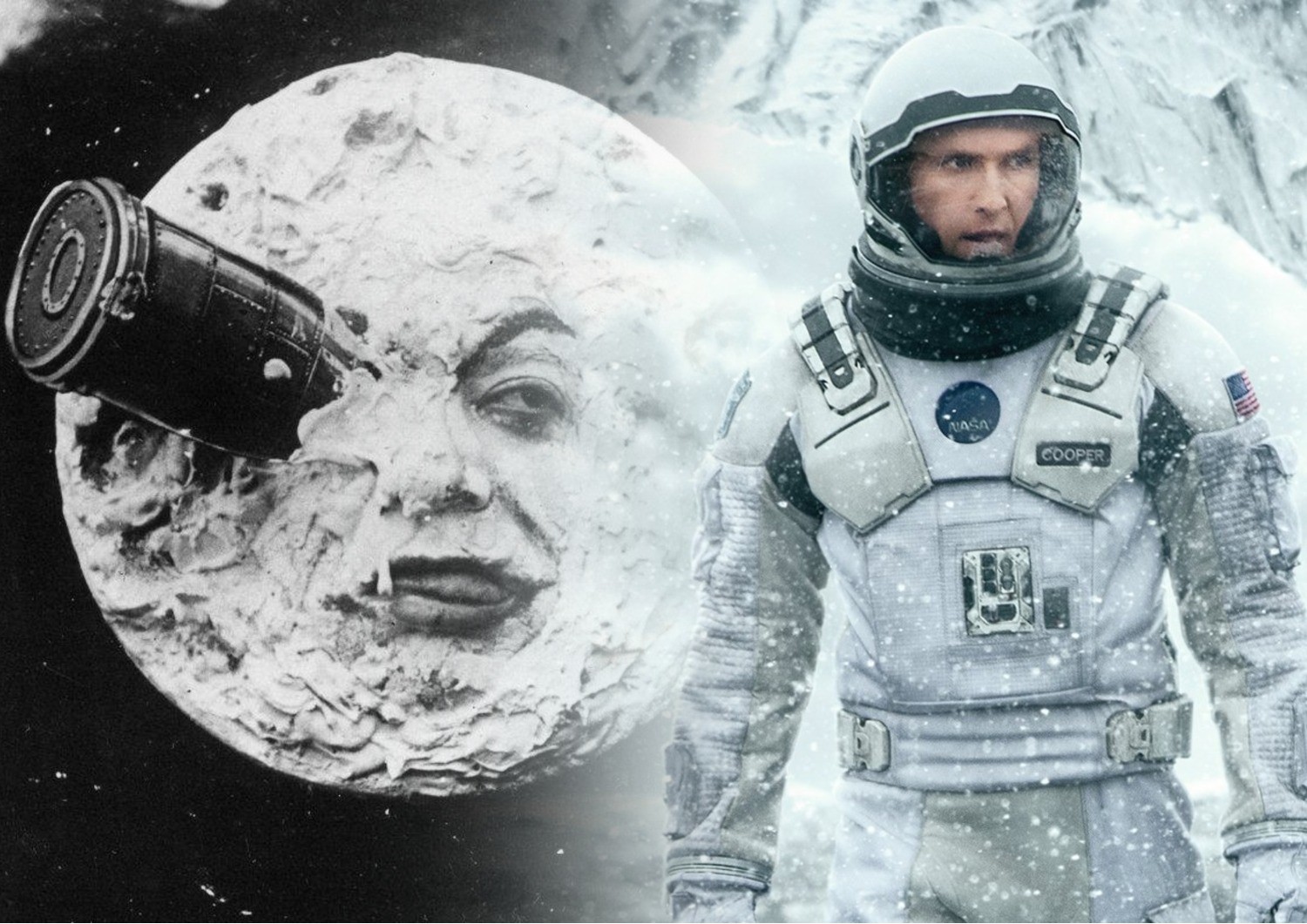
Science fiction is one of the most diverse film genres, and observing its long-term evolution can reveal some extremely interesting trends.
Open materialIn this article, the author (and a big sci-fi fan) will examine what ideas are currently stirring the minds of directors and screenwriters in the sci-fi genre. Many of these themes have long become distinctive features of this genre and have become trends. It is important to note upfront that this article focuses specifically on science fiction and everything related to it, without touching on fantasy, which is also formally categorized as sci-fi. Therefore, when the term sci-fi is used in the text, it will be used specifically in the sense of science fiction.
This article only covers Western sci-fi; the development of the genre in Soviet and Russian cinema is not described here.
Exploring the Cosmos
Currently, scientists are actively discussing the destruction of our planet (due to the Sun, climate change, cosmic cycles, humans, etc.), and this topic is picked up by dreamers like Elon Musk or Jeff Bezos. They call for investing in the study of possible planets for relocation. As for Mars, they are already talking specifically: we need to find water and some bacteria as proof of life, and then start terraforming, that is, restructuring the planet to resemble Earth-like living conditions.
In general, space films are made mainly for two reasons:
- the desire to fantasize about what lies in the depths of the vast and unknown
- the fear of the end of Earth (which will come, even if it affects other generations)
Therefore, filmmakers actively speculate on "how it will be" under different circumstances. And in each story, there are their own difficulties on the way to the goal, consequences, tragedies, which are dissected in different scenarios with varying degrees of enthusiasm.
Conquering/Exploring/Searching for Other Worlds
So far, this theme is quite convincingly handled by the authors of the fictional series "For All Mankind" from Apple TV+. But the very best project on the theme of humanity's relocation to Mars is MARS from National Geographic. It is half-documentary, half-fictional. It features a storyline with a team of specialists conquering the Red Planet, and also includes interview segments where real scientists discuss how it will actually be and what is already prepared for human relocation.
Moving away from Mars, stories about other planets, galaxies, and worlds are more about fantasy, and moreover, limited by human thinking. The idea of other worlds is primarily based on earthly experience (which is why aliens are very similar to humans), so in these stories we read a lot that is familiar from our life outside the window. For example, the series "Lost in Space."
P.S. "The Martian", by the way, is also a good example, even if not the freshest film. The author of the novel, Andy Weir, worked with scientists at NASA for several years and researched all the details to make the hero's survival on Mars as realistic as possible.
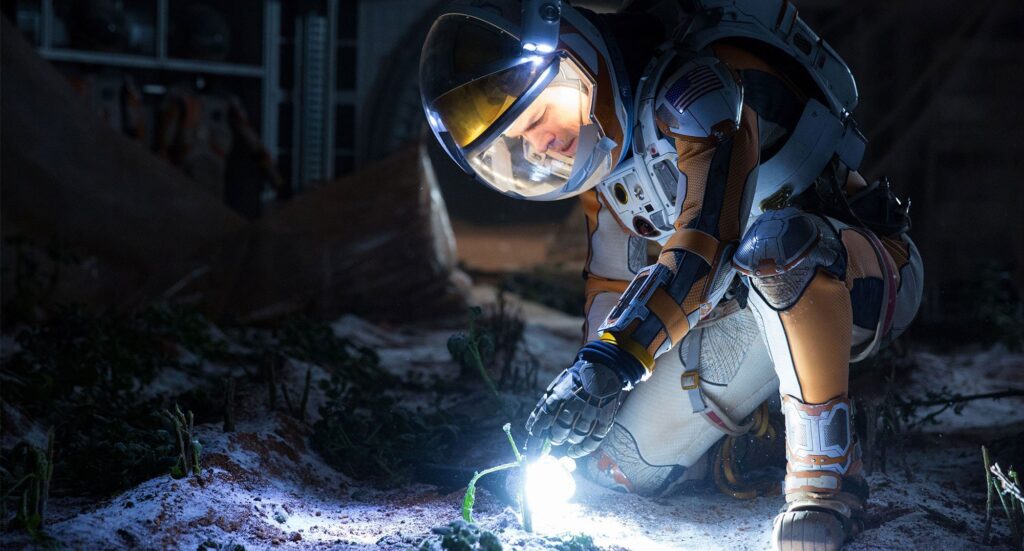
There are also series "Away" and "The First", which tell about that period of life when people are preparing to say goodbye to Earth, their loved ones, and go off to who knows where. It's not so much about fantasies of space exploration and saving humanity, but about the anxieties and experiences that people will face during the preparation for the most important farewell of their lives. Little is said about this, although it is also an important topic.
Space Travel (as a complement to the previous topic)
One of the "pressure" levers of this idea is the fear of the inevitable death of Earth and the desire to survive. The second is natural curiosity. The main difference is that the focus here is not on the story of colonization or the problems during migration to another planet after landing.
In stories that involve space adventures, the plot develops precisely during the journey:
- the path to the "new Eden" where everyone will be happy ("The Ark", "Avenue 5", "Another Life", "Battlestar Galactica", the older film "Sunshine")
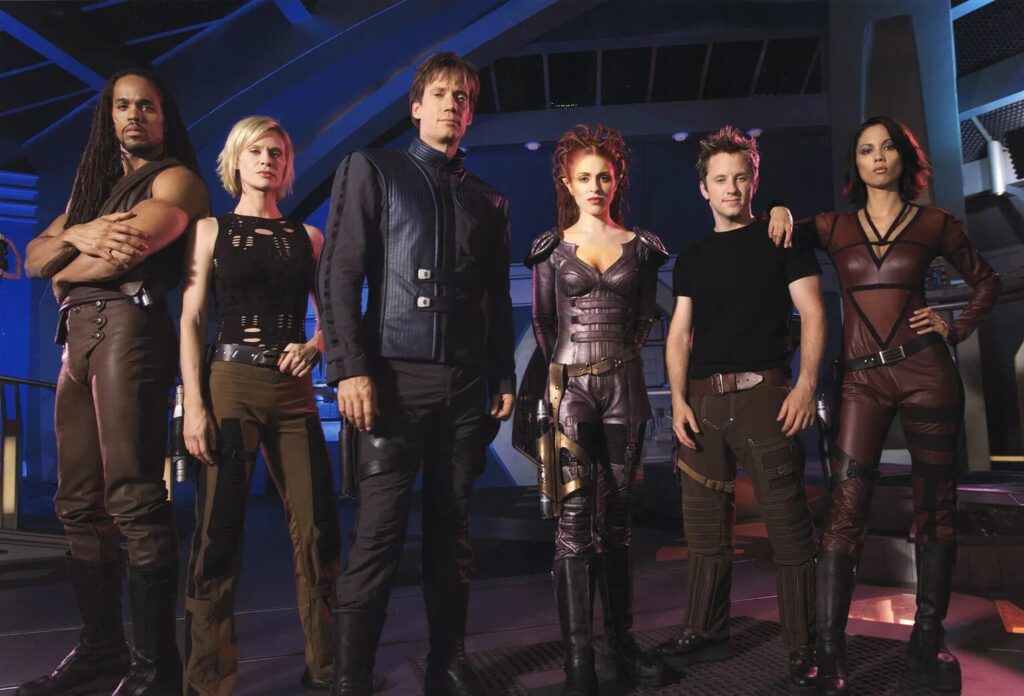
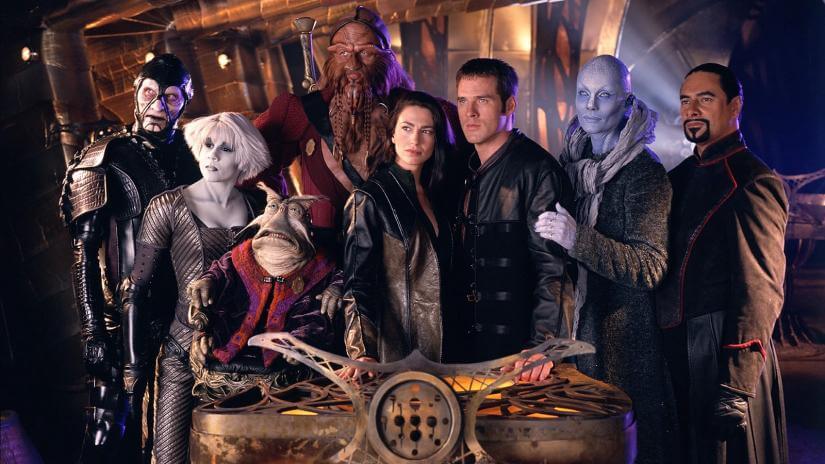
- journeys for the sake of exploring space after settling other worlds ("The Orville", and from older ones — "Star Trek", "Firefly", "Andromeda", "Lexx", "Killjoys")
Survival in Space
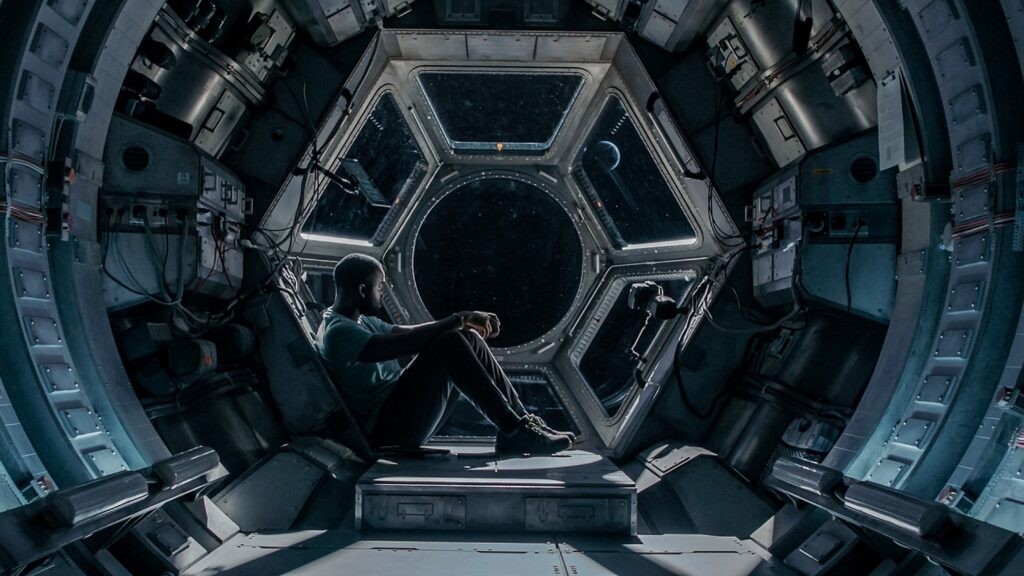
In general, this theme fits into the part about space travel, but here there is not always that better world on the horizon. Sometimes it is more like wandering in the dark in search of answers to personal dramas. Such were, for example, the films "The Companion" with Anna Kendrick, "Ad Astra", "The Midnight Sky", "The Cloverfield Paradox", "Space Sweepers". From series — "Voyager Generation", "Origin", "Into the Night", "Moonhaven", "Lighthouse 23".
Although there are also familiar stories simply about survival in the style of "Gravity" or "Apollo 13". For example, the Korean film "The Moon" from 2023 is just a good old action film about how difficult it is to survive in the airless vacuum of space. The new film "Spaceman" with Adam Sandler is interesting, where the story begins as a story of confrontation between space and man, then transitions into a "survival" format, and then a monster is also woven into it.
Various Scientific Collisions Involving Space
This can include both crazy and sensible stories, and they don't necessarily have to go beyond our planet. Roland Emmerich's "Moonfall" fits perfectly: the only satellite of our planet goes off orbit and heads towards Earth. The long-running series "Stargate" can also be loosely included here.
From new releases, "Constellation" from Apple TV+ and "3 Body Problem" come to mind. I also include "Invasion" here, although there is almost no science in it, but the arc with the Japanese analogue of NASA is unsettling.
There is also a rather old and dearly beloved sci-fi series Farscape. Perhaps it tried to cover as many space themes as possible. But the series started with the idea of a scientific collision that led the hero to another universe.
Future Other Worlds (Moving Closer to Space Opera)
In such projects, large-scale events occur, confrontations are not one vs one, but group/nation vs group/nation, and, of course, the life of a planet/nation/all of humanity is at stake. All this happens somewhere in an alternative world or several thousand years into the future.
Thinking about the future, we continue to drag into it ideas that the desire for conflict and the inability to compromise are part of human nature. Therefore, most often we see a full-scale confrontation between good and evil in the style of "Star Wars," which in a sense launched this trend in cinema. Although George Lucas borrowed many ideas from Frank Herbert's "Dune." This subgenre has been actively used and continues to be used, as it is universal for commenting on everything that is happening in our real world.
From recent works — "Foundation" (based on Isaac Asimov's novels), Zack Snyder's epic "Rebel Moon" (Snyder has a love for "bigger and even bigger" with biblical motifs), HALO (individualism was not forgotten either). Earlier, "The Expanse" was popular, starting as a political thriller-detective but going into some depths far from logic.
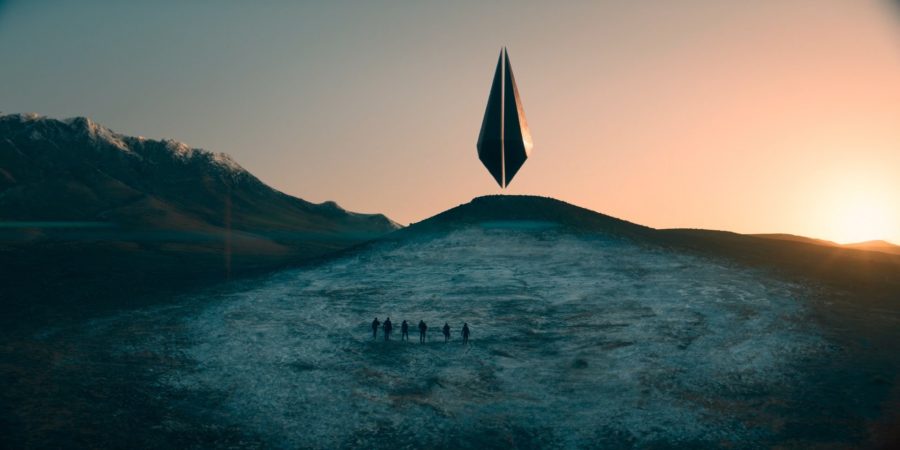
It seems to me that films and series about space are extremely difficult to clearly divide by theme, since the theme of space itself touches on several ideas at once, most often they are adjacent and flow from one another. Such projects include AI, post-apocalypse, monsters, travel through hyperspace, self-discovery, good and evil, survival, etc. And essentially, the fears and thoughts that are poured onto the screen do not change over the years.
Although sci-fi is commonly considered a genre for escaping reality, it is in many ways a means of satire and criticism of reality. Space cinema is a good way to express one's opinion about what is happening in the world. As a projection on the theme "if you don't stop, it will be like this." And sometimes such films and series give hope, showing that a better world is possible, but here is what needs to be done. The main thing in space projects is that space itself is not just a background, but one of the players that can either help you or eat you without choking.
Is the Zombie Apocalypse Still in Fashion?
Zombies in cinema have many forms. They appear in films of different genres: sci-fi, horror, comedy, rom-com, action. And each time it is not just for show.
How Did It All Start with Zombies?
First of all, it must be said that zombies are always about mass fears that unite many of us and spread like a virus in the collective consciousness. Or a critique of something societal. In cinema, the history of zombies began with racial discrimination and slavery in the USA. At first, they were simply a metaphor for the possessed among the black population.
The first film "White Zombie" is precisely about African-American zombies who were cursed with voodoo dolls. In a sense, the birth of this idea was influenced by folklore from Haiti. Hence the connection of zombies to the fear of becoming/being a slave after death (among the black population). As a result, zombies became a metaphor for racial discrimination. This also gave rise to fear among white people — the fear of a black uprising.
What Else Do Zombies Represent?
- fear of diseases and infections (zombies personify contagion and show the process of infection, changes in the body) ("Resident Evil", "28 Days Later")
- fear of old age
- fear of globalization
- fear of death, decay
- fear of mass destruction
- fear of loss of control, suppression of reason in favor of mindless desire
- hence the related fear of brainwashing ("Get Out")
- fear of cannibalism (that you will be eaten or that you will become a fan of human flesh)
- fear of boring everyday life (you become a zombie when you don't distinguish between days and just exist in the flow)
- fear of physical limitations of the body (attitude towards our corporeality), when the body is perceived as the main part of our identity (so loss of bodily integrity = loss of identity)
- fear of the afterlife, that is, fear of what awaits us on the other side
- fear of the world outside the home ("The Walking Dead")
- fear of human errors that can lead to disasters (nuclear war, bioengineering)
- fear of unwillingness to live, loss of meaning in life
- critique of speechlessness and herd instinct
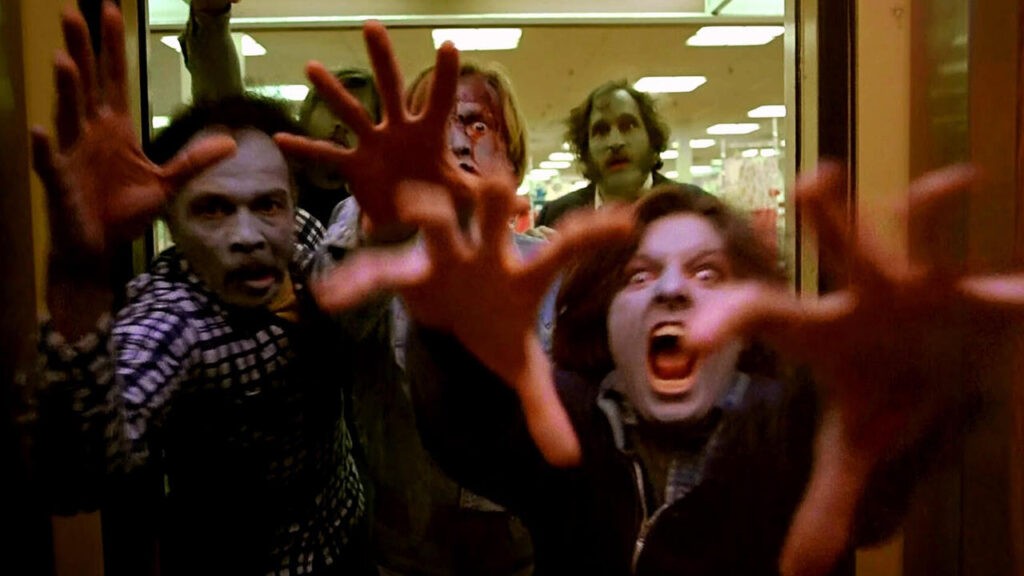
- critique of consumer society (the virus of consumerism) ("Dawn of the Dead")
- critique of capitalism and hooking people on things (+ rejection of personal attachments)
- critique of immigration problems in the world
What else can be said about zombie movies?
Films about the walking dead are often about the conflict between science, ethics, and compassion. We try to cure them, think about who to consider them (non-humans or still former neighbors-friends), and try to feel something if we have to cut off the head of one of them. It's about the struggle for survival and the laws of evolution, which are like the laws of the jungle: either you or you. It's the collision of the living and the dead on different levels.
Zombies especially frighten us because they are in a constant process of dying — they decompose and lose themselves before our eyes. These endlessly decaying corpses have absorbed so many fears, experiences, and human insecurities that they have become one of the most vivid metaphors illustrating the end of the world.
By the way, the Pentagon has compiled an official classification of zombies, dividing them into slow and fast, pathogenic, radiation, black magic, space, vegetarian, etc. The document is called CONOP 8888. And it also prescribes how to survive in the event of a zombie apocalypse.
P.S. By the way, you can find zombie films on our website
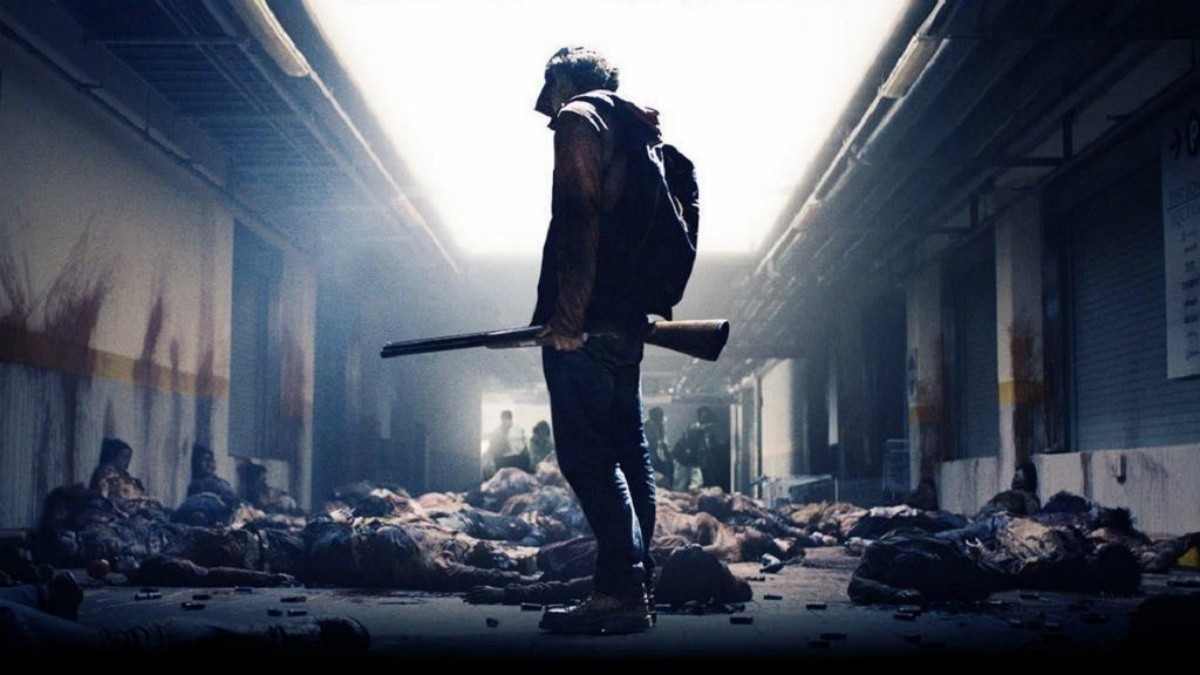
In honor of the new wave of projects in the universe of "The Walking Dead" and on the eve of Halloween, we present you a concise guide to zombie films.
Open materialA brief guide to zombie movies
In honor of the new wave of projects in the universe of "The Walking Dead" and on the eve of Halloween, we present you a concise guide to zombie films.
Open materialWill Robots Enslave Us?
Films and series about robots are one of the popular categories in sci-fi. Usually, robots in cinema appear in the context of:
- human vs AI
- "do androids dream of electric sheep?", that is, whether they have a soul and other human traits
- robots, cyborgs, synthetic humans and other modifications when man plays god
There is another subtext — class inequality. With various monsters and mystical creatures, this is perceived more easily than in plots with robots. But often robots are shown as objects needed only to satisfy certain needs.
Where is this idea well reflected?
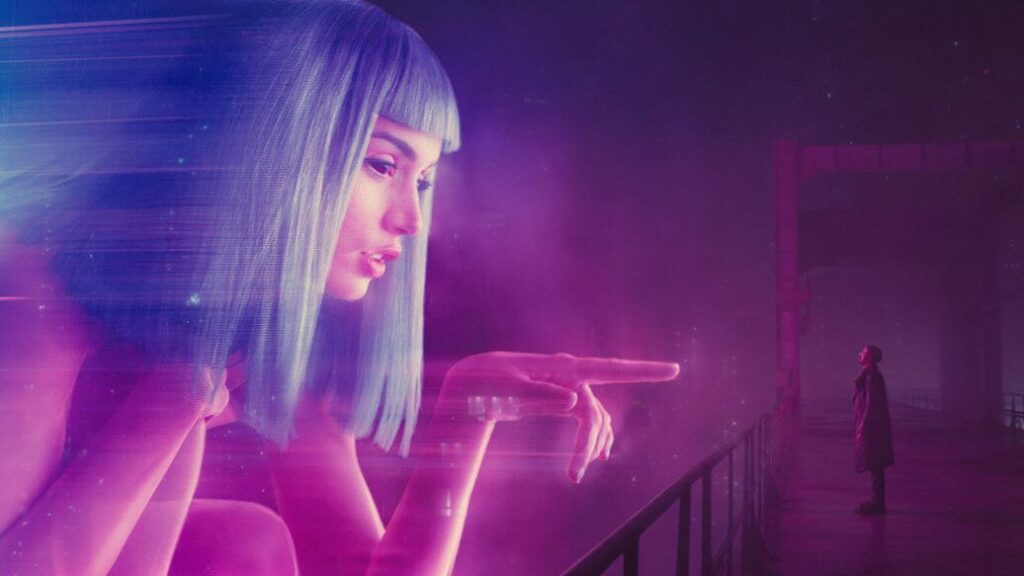
- "Blade Runner"
- "I, Robot"
- "Battlestar Galactica"
- "Westworld"
That is, in many films and series, the very revolt of the machines, which became popular in the masses after James Cameron's "Terminators," is caused not by AI becoming arrogant, but by a sense of injustice. The machines simply did not want to be service staff anymore (which says more about their humanity than about imperialist ambitions). Moreover, the idea of class inequality always goes hand in hand with the creation of robots that are as human-like as possible. So that we can understand their feelings.
In this regard, for example, "Ex Machina" feels fresh because there is almost no connotation that robot = service character. Yes, the cyborg is kept locked up and experimented on, but it is considered not as a slave, but as a valuable source of knowledge. And the Voight-Kampff test is used there not for dividing into "us" and "them" (as in "Blade Runner," for example), but for determining the development possibilities of the "machine."
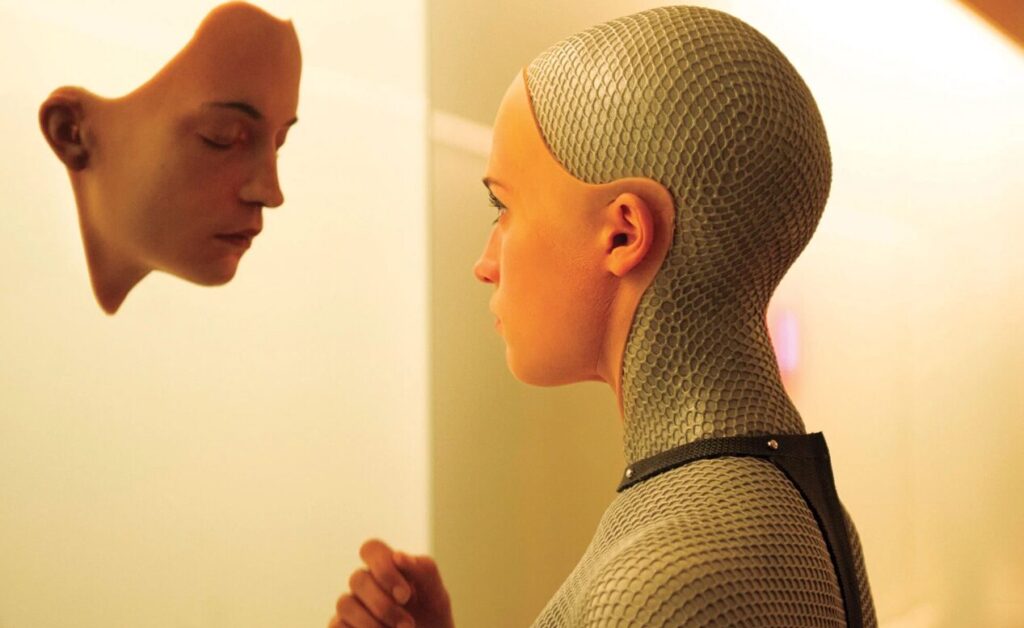
P.S. If you dig even deeper, robots first appeared in culture precisely in the context of class injustice. The term "robot" appeared in the Czech play "R.U.R." (1920). And the word itself is of Czech origin: its roots come from the word "robota," which means hard labor, drudgery.
Time and Space Travel
How are things with films in the time travel subgenre? Although this topic is not as relevant in mass culture now as it was in the 90s and early 2000s, some projects are still being released. Now time travel is not only to the past but also to the future. And it is also closely connected with space travel, which has given rise to a wild trend of creating those very multiverses.
In the early and mid-2000s, there were enough films about trying to correct mistakes in the past to prevent large-scale disasters. In many ways, this trend was probably justified by the tragedy of September 11.
- "Timecrimes"
- "The Time Trap"
- "Looper"
- "Source Code"
Before that, time travel served more as a way to sort out one's life, relationships with loved ones, save love — in general, something more personal without pretensions to saving the world/city/country.
In the last few years, both trends can be observed in time travel films: scale and personal. Films like "The Adam Project" and most of Marvel's superheroics (and even the revival of the Bill & Ted franchise with Keanu Reeves) talk about saving the world, and time travel becomes one of the ways to achieve this goal. And the revived and updated "Quantum Leap" is also essentially about this.
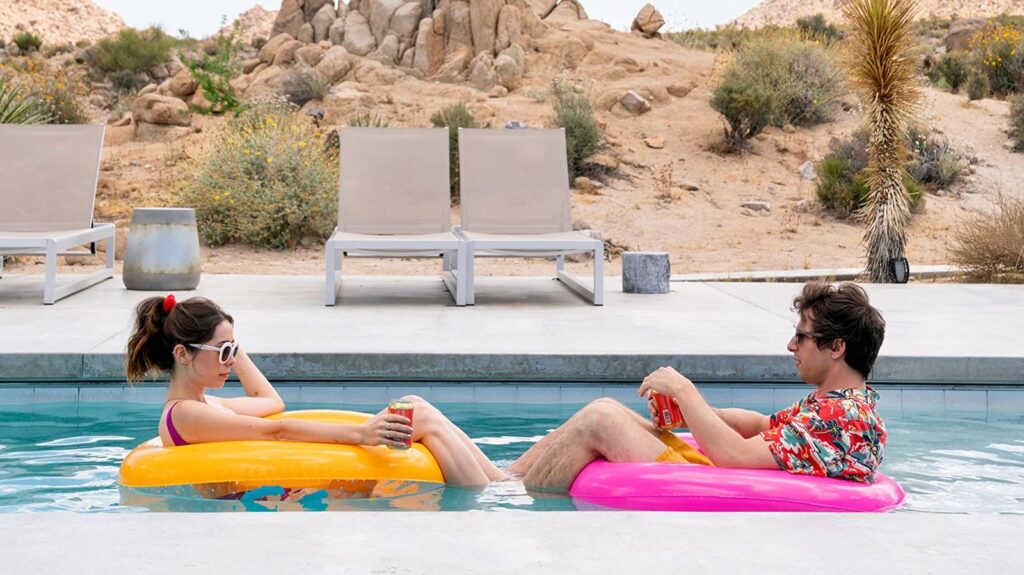
Another group of time travel projects is dedicated to solving more personal problems:
- "Plan B"
- "57 Seconds"
- "Palm Springs"
- "The Shift"
- "Totally Killer"
And separately from them, those projects have branched off where time travel is used to solve not just personal problems, but specifically love affairs. Apparently, the audience actively loves them (rom-coms will always be in trend, because everyone loves beautiful love stories), so there are plenty of them. Here are some examples:
- The series remake of "The Time Traveler's Wife"
- "The Space Between Us"
- "Time Freak"
- "When We First Met"
It is also interesting that such interest in playing with time and space inspired Apple in 2024 to release two series on the topic of quantum physics and Schrödinger's cat — "Constellation" and "Dark Matter". There, multiverses are shown from a more scientific side.
P.S. I have a suspicion that in the near future we may again see a surge of time travel films with the idea of saving the world. After all, current events do not allow us to relax and think only about love.
What Kind of Apocalypse Is in Fashion Now?
The theme of the apocalypse in culture has been troubling people for many centuries. Earlier, people expressed their ideas and thoughts on this topic with a brush or pen/typewriter. Cinema became another space where this topic can be discussed, and quite colorfully and interestingly. Therefore, I have compiled a small cross-section for each era, starting from the 1970s, to understand how this subgenre developed.
The apocalypse in cinema has always been a popular topic. Perhaps, in terms of popularity, it is on par with rom-coms: we are always happy to see a beautiful love story / we always think about the end of the world. However, at different times, the end of the world occurred for different reasons.
1970s
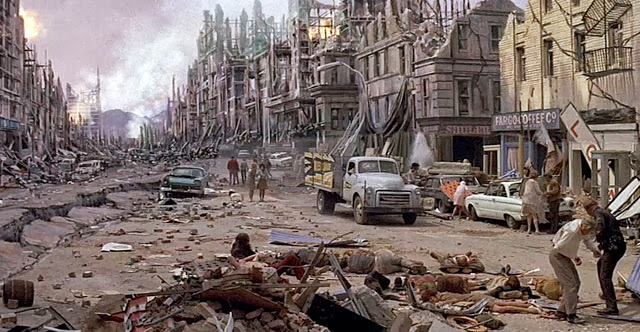
In the 1970s, the end of the world looked more local: there were rather disaster films. That is, not the entire planet was destroyed, but, for example, a country or a city, or maybe even the life of a specific group of people (often it was all because of the people themselves). In general, these films were classified as horror, just without demons, ghosts, and other genre elements.
- "Airport" (1970)
- "The Poseidon Adventure" (1972)
- "Earthquake" (1974)
- "The Towering Inferno" (1974)
- "Submersion of Japan" (1973)
1980s
The theme of the apocalypse began to branch out, several directions appeared at once, which would then be in the top one by one (and some would even merge): climatic, zombie, scientific, and a bit of civilizational.
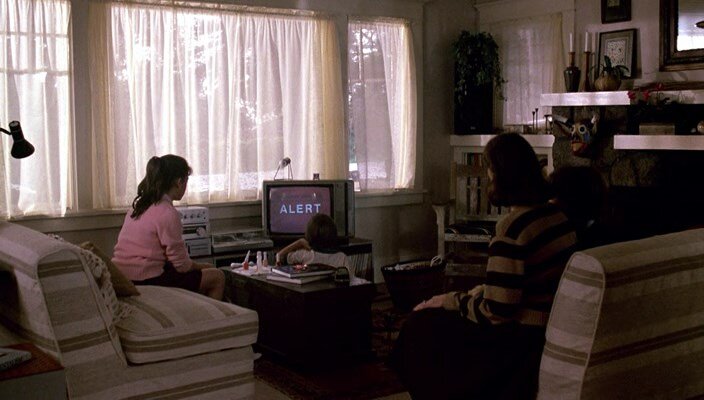
But the scientific one, namely the nuclear apocalypse, was clearly gaining rating. This is not surprising, because the Cold War was still ongoing, the buildup of nuclear weapons, and there were wild fantasies about nuclear winter.
- "Threads" (1984)
- "Letters from a Dead Man" (1986)
- "The Day After" (1983)
- "O-bi, O-ba: The End of Civilization" (1985)
- "Testament" (1983)
- "Jagger's Salute" (1989)
"Mad Max" was a reaction to local social problems in Australia, which ultimately also led to ideas of the end of the world and post-apocalypse. In some ways, it is echoed by "The Quiet Earth" (1985) and "The Spirit of the Air and the Cloud Gremlins" (1987).
1990s
This is the triumph of the suddenly climatic apocalypse, while the nuclear one fades into the background. Before the beginning of the 21st century, there was a strong anxiety about the state of the Earth as a result of active human activity: scientists around the world began to analyze the state of the planet, comparing it with indicators from the 19th and 20th centuries, and published disappointing conclusions.
- "Six-String Samurai" (1998)
- "Waterworld" (1995)
- "Seconds Apart" (1992)
- "Escape from L.A." (1996)
In addition, in the 90s, a boom in alien films began. Many of them had the idea of the end of the world from an alien invasion. This happened against the backdrop of increased interest in Area 51, humanoids, and conspiracy theories.
The forerunners of this trend were films like "Close Encounters of the Third Kind" (1977), "E.T." (1982) by Steven Spielberg, and "The Abyss" (1989) by Cameron. And perhaps the main flagship (albeit television) for many years was the series "The X-Files," which launched in 1993.
- "Independence Day" (1996)
- "The Faculty" (1998)
- "Mars Attacks!" (1996)
- "Men in Black" (1997)
- "Contact" (1997)
Films about the end of the world due to AI are not very prominent, the effect of "The Terminator" began to fade, only the Wachowskis stirred up the audience with their "The Matrix." And the first ideas about the end of the world due to viruses appear — "12 Monkeys."

2000s
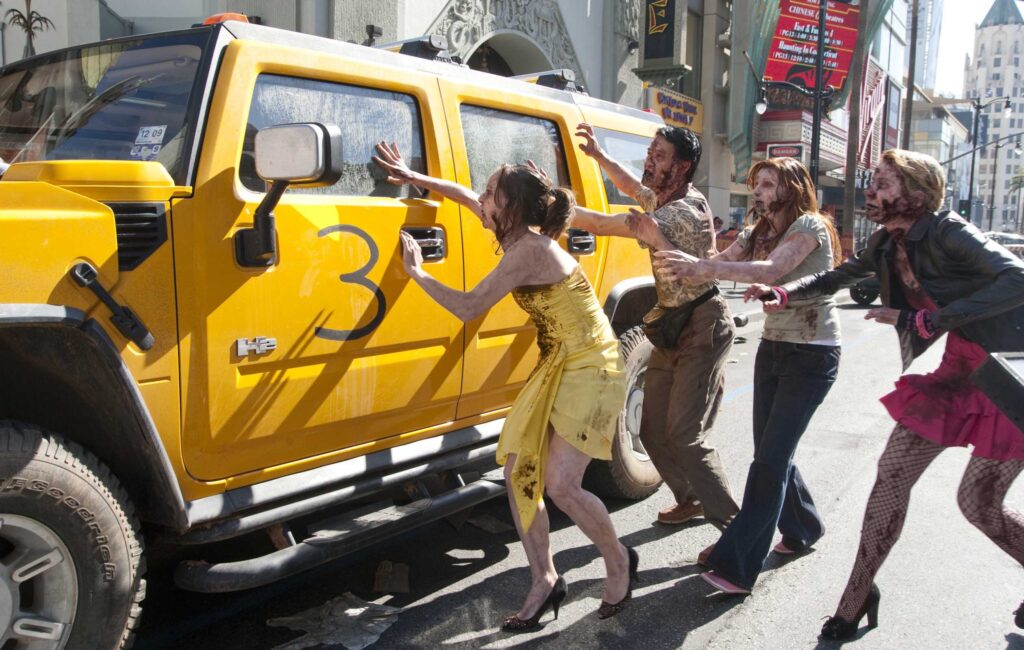
Finally, the 21st century arrives. The biggest concern is biohazard, and as a result, the zombie apocalypse. That is, viruses and various deadly diseases that often not only destroy but turn a person into a zombie. The cherry on top of this collection was "Contagion" from 2011, Steven Soderbergh essentially jumped on the last train of the virus era, predicting (according to some) the development of the coronavirus epidemic.
In general, this trend is understandable: in those years, there were many rumors in American society about laboratories where experiments were conducted on people and supposedly viruses were developed to destroy entire countries. All this began with the tragedy of September 11, after which the US launched attacks on Afghanistan, Pakistan, and Iraq in search of those responsible, and rumors of brutal torture emerged.
- "Resident Evil 1-2-3-4" (2002, 2004, 2007, 2010)
- "Zombieland" (2009)
- "28 Days Later" (2002)
- "I Am Legend" (2007)
- "Dawn of the Dead" (2004)
- "28 Weeks Later" (2007)
- "Land of the Dead" (2005)
Somewhere among these films, the film "The Road" with thoughts about climate change sneaked in. At the same time, Roland Emmerich did not lose faith in natural disasters, making "The Day After Tomorrow" and "2012" within a decade.
And do not forget about alien invasion films:
- "District 9" (2009)
- "War of the Worlds" (2005)
- "Cloverfield" (2008).
But objectively, the 2000s were the time of viruses and zombies.
2010s
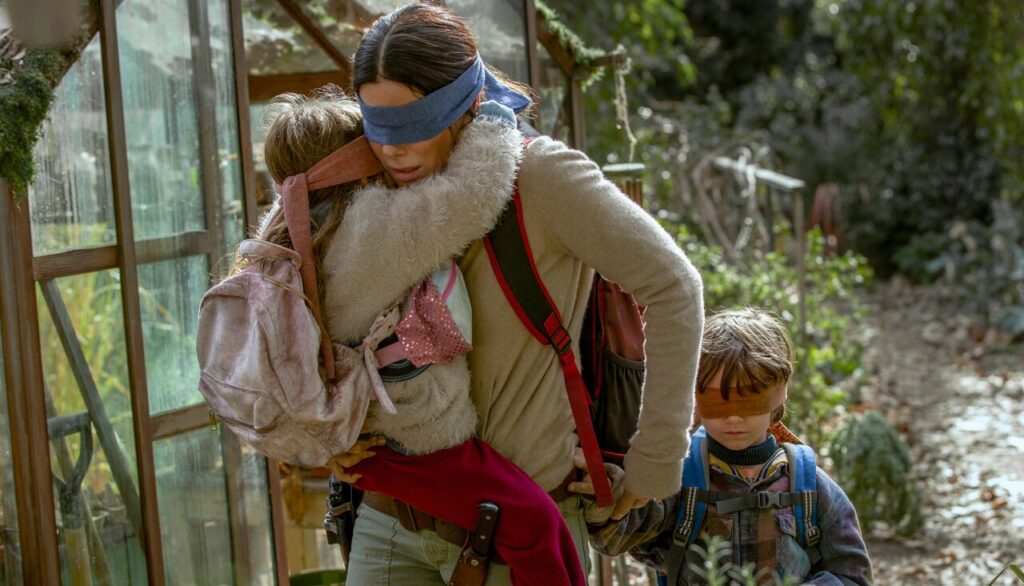
In the 2010s, the apocalypse becomes a place of attraction for various fears: here are climate, various monsters, the dominance of evolved apes, George Miller, and occasionally zombies (their flagship was the series "The Walking Dead", launched in 2010).
- "Mad Max: Fury Road" (2015)
- "Dawn of the Planet of the Apes" (2014)
- "War for the Planet of the Apes" (2017)
- "A Quiet Place" (2018)
- "Snowpiercer" (2013)
- "Warm Bodies" (2013)
- "Turbo Kid" (2015)
- "The Girl with All the Gifts" (2016)
- "Light of My Life" (2019)
- "Zombieland: Double Tap" (2019)
- "The Burden" (2017)
- "It Comes at Night" (2017)
- "The Book of Eli" (2010)
- "Bird Box" (2018)
- "Monsters" (2010)
2020s
So we have arrived in the 2020s. And we see that the theme of the apocalypse is quite cyclical, like the history with which the end of the world is closely connected. When various cataclysms and tragedies occur in the world, creative people begin to fantasize about how it will all end.
- The climate crisis has again become one of the themes; from 2020 to 2024, the series "Silo", "Extrapolations", "Voyager Generation", "Into the Night", the reboot of "Snowpiercer", "The Ark" (albeit unsuccessful) were released.
- AI is also still of interest: "Westworld" (which ended not so long ago), "Raised by Wolves", "Devs", "Lighthouse 23", "3 Body Problem".
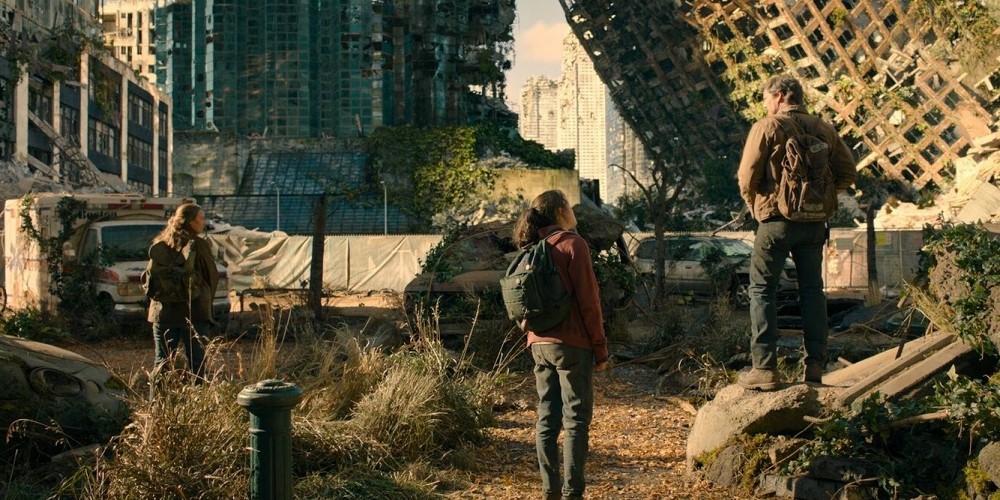
- The virus does not sleep: "The Stand" (based on Stephen King), the revival of the "28 Days Later" franchise, "The Last of Us".
- Catastrophes of planetary scale: both natural ("Moonfall", "Carol & the End of the World") and scientific (Fallout).
- Interest in crises of civilization has revived: "The Last of Us" (already mentioned), "The Regime".
In the 2020s, it cannot be said that any one theme has become the most trendy. But on the other hand, only four years have passed, and we have six years of new projects ahead. Given how the situation in the world is developing, we may expect both an increase in interest in scientific apocalypse and civilizational apocalypse. Or perhaps filmmakers will come up with something new by mixing several themes and creating a joint hybrid.
What Is Happening with Sci-Fi in the Last Few Years?
Let's briefly try to understand the state of the genre in the last few years and which themes are particularly popular in cinema now.
▪️ The zombie theme is stepping down from the pedestal after the bright boom of the 2010s. In addition, the unsuccessful reboots of "Resident Evil" in film format ("Resident Evil: Welcome to Raccoon City") and the series from Netflix have dampened the enthusiasm of filmmakers.
Although AMC is trying to believe in the best and continues to expand the universe of "The Walking Dead" (although it seemed that this dog was already dead).
▪️ What about time travel? They are also of little interest now. From recent ones, we can recall the decent series "The Time Traveler's Wife", the unconventional "The Shift", and the comedy horror "Totally Killer".
▪️ Interest in AI is actively reviving, but not in the context of human vs AI confrontation, but rather as improvement and assistance to humans. What can we recall? From films — "I'm Your Man", "The AI Love You", "The Superiority Illusion", "The Capsule Generation" and "Upgrade". Also, artificial intelligence was discussed in the series "Made for Love", "Devs", "Upload", "Mrs. Davis", "Lighthouse 23" and HALO.
But the confrontation between AI and humans is still present: in the 2023 Oscar nominee "The Creator", in "Atlas" from Netflix, in the auteur film "My Creator", and in the recently concluded "Westworld".
▪️ The theme of life in a post-apocalypse is experiencing a rebirth — series "The Last of Us" and the new Fallout, "Furiosa", Apple's "Silo", "The Peripheral", "Station Eleven" and even the climatic "Extrapolations". And let's not forget the main fan of this subgenre — Roland Emmerich, who persistently releases disaster films that put humanity on the brink of apocalypse.
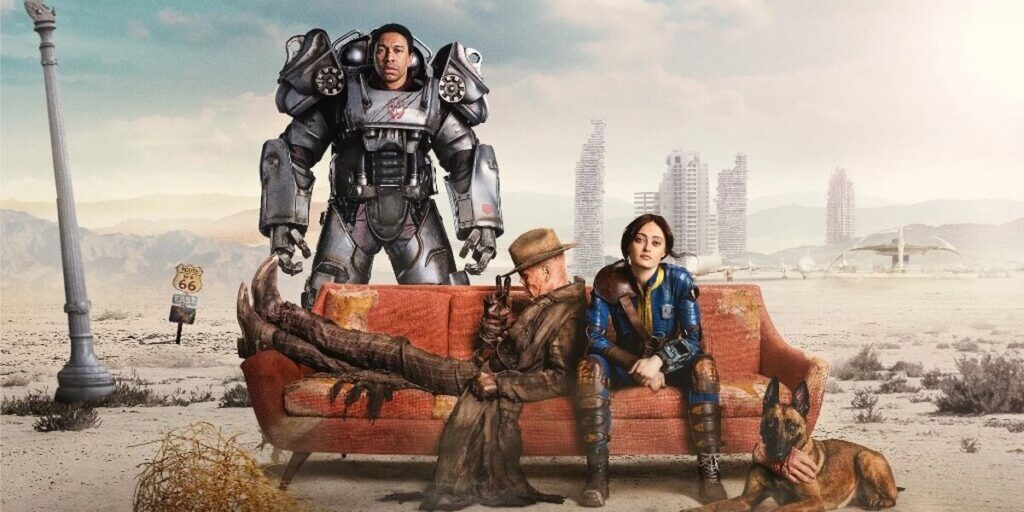
▪️ The theme of space is slightly losing popularity but is still in the top, and in various forms: not only purely scientific but also fantastical. Close to reality, near-scientific — "For All Mankind" (alternative world history), "3 Body Problem" (not only space), the new series "Constellation". Fantasies about other worlds — "Rebel Moon", HALO, "The Orville", "Foundation".
Although in this subgenre, not everyone and not always is lucky:
"The Ark" was weak and unoriginal, the daring "Avenue 5" did not justify financial investments, although it pleased viewers, there is also the vague "Invasion" (although it is being renewed) and the retro-futuristic and boring "Hello Tomorrow!".
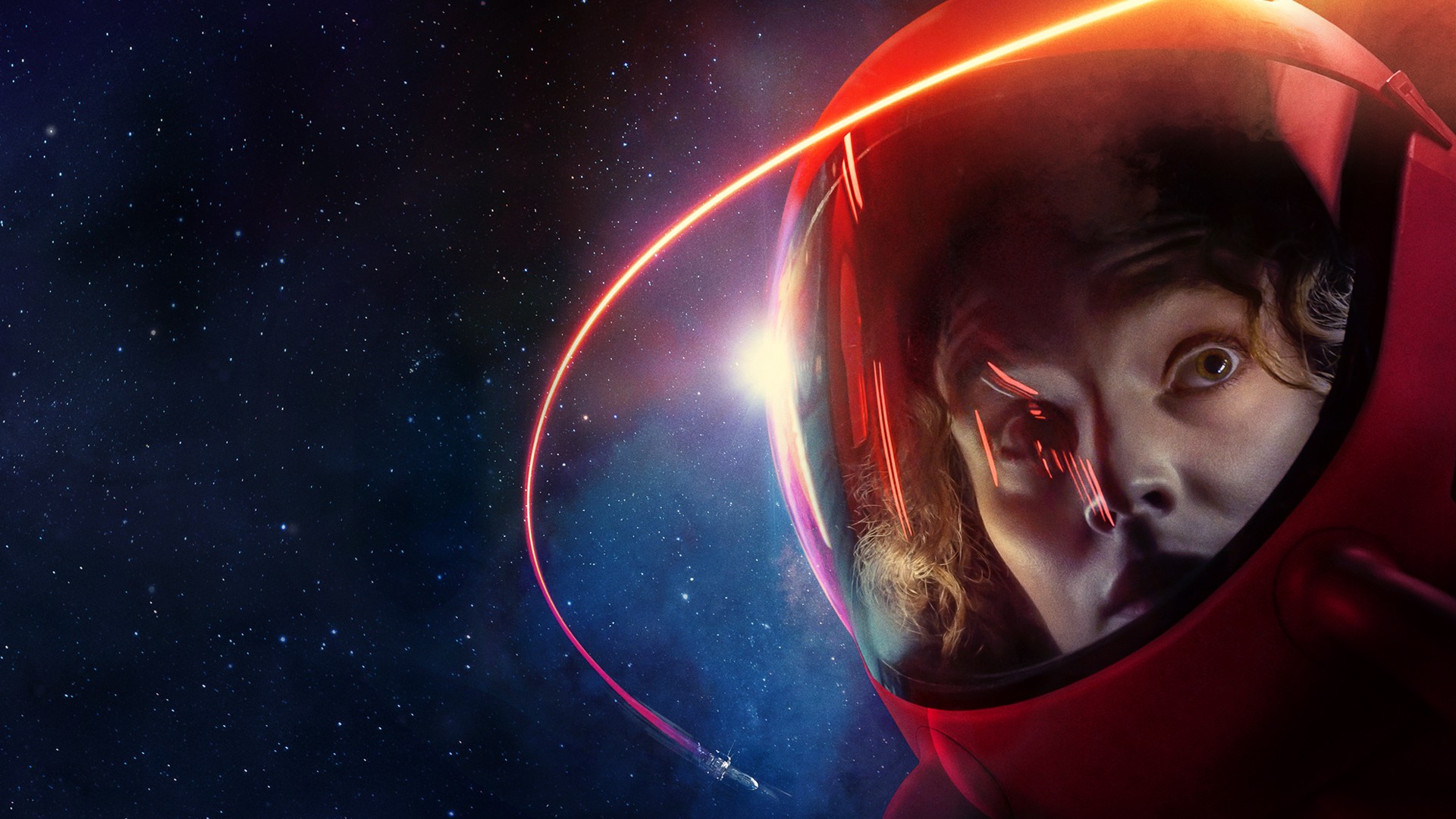
Interest in the theme of lost in space, learning to survive in harsh conditions, does not fade either in literature or cinema. This year, another series was released on the SyFy channel...
Open materialPlus, often in projects about AI or post-apocalypse, there is also something about space, but without strong emphasis.
▪️ Monsters as a subgenre have begun to return to screens more often, and recently interest in Godzilla has actively increased (why would that be). "Godzilla Minus One", the series "Monarch: Legacy of Monsters" and another blockbuster about Kong and Godzilla are just projects from 2023-2024. (By the way, we have a huge and detailed guide to the Godzilla universe).
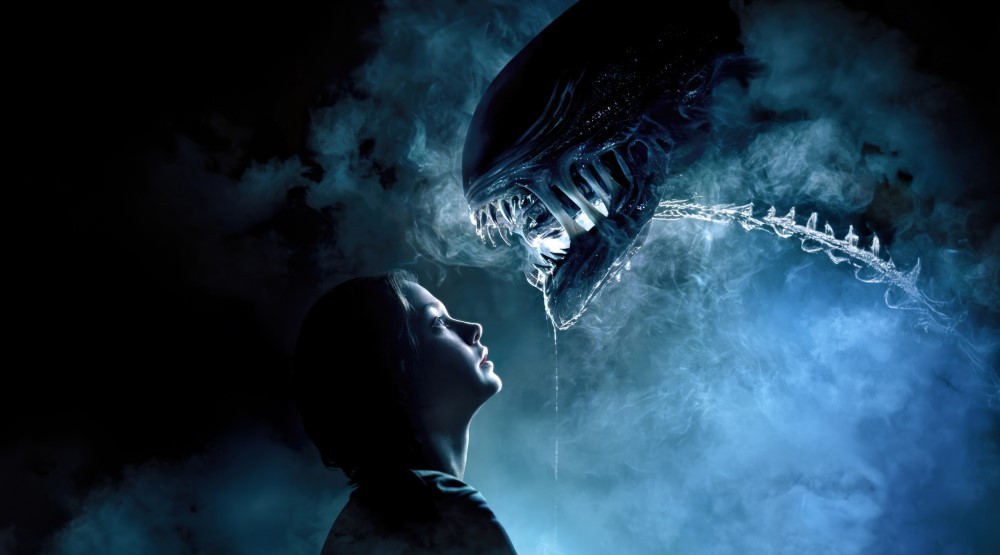
But perhaps the main hope of the monster subgenre in 2024 is "Alien: Romulus" (which is also about space).

"Alien: Romulus" is a real gift and attraction for all fans of the franchise. The film successfully combines nostalgia and modern horror elements, creating a tense and atmospheric...
Open material▪️ What else can be said? Cinema does not forget about vampires and werewolves, although the general boom has already passed and is unlikely to return. Yes, this is more often attributed to pure fantasy, but it is also in the zone of experiments on humans, so the theme falls into both camps. From recent projects, for example, the series "Wolf Pack" attempted to somehow duplicate "Teen Wolf" and similar projects, but alas, unsuccessfully.
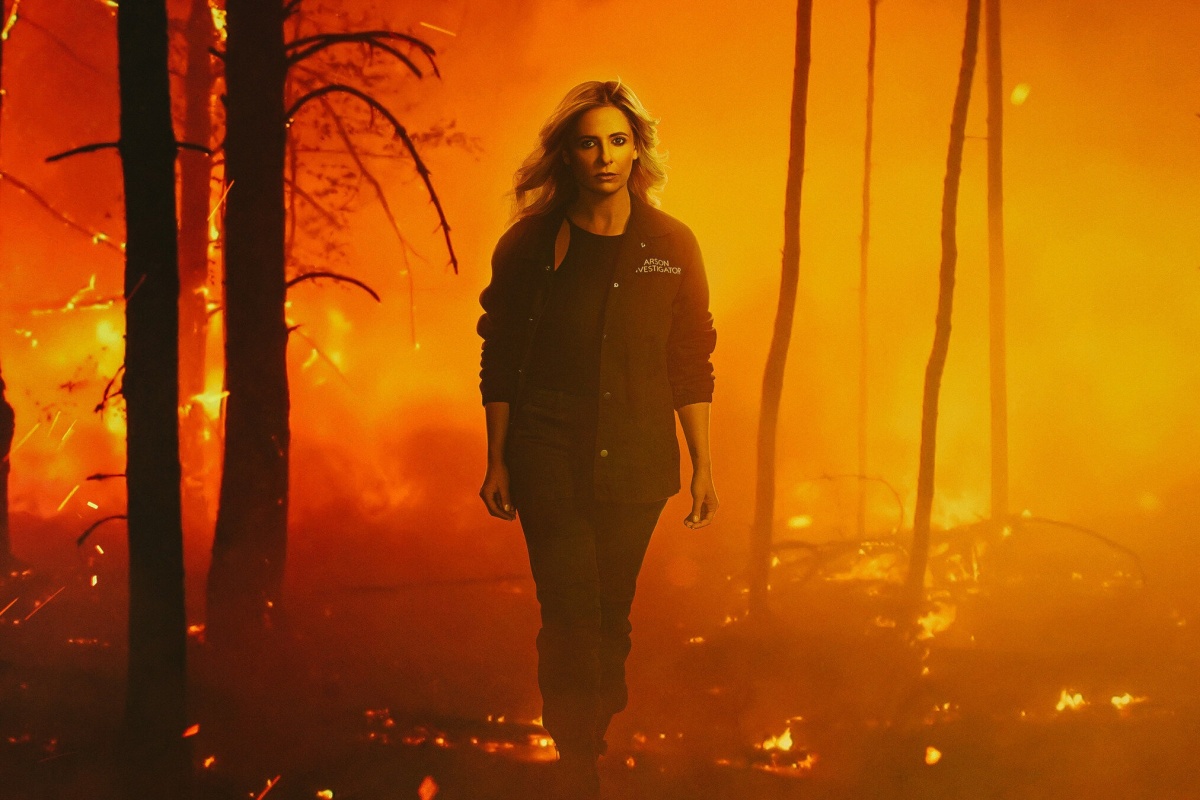
The series "Supernatural" ended three years ago, a new Buffy is not even on the horizon, and the number of superhero projects makes your eyes dazzle. Nevertheless, children are still...
Open materialBut with bloodsuckers, they are trying to work in a less conservative format. This year, "Humanist Vampire Seeking Consenting Suicidal Person" was released, last year "The Count" by Pablo Larraín and the comedy "Renfield" were released. And in 2022, the horror "Blood" tried to talk about vampirism through the prism of a family drama. From the boring ones were "Fangs of the Night" and "Day Shift", all from Netflix, so nothing surprising.
A film with the promising title "Humanist Vampire Seeking Consenting Suicidal Person" is being released. Fully meeting expectations, it does nothing else particularly. And it doesn't need to...
Open material▪️ There is also "Severance", which is difficult to attribute to any of these genres. And the series "The Power" about women endowed with superpowers (but this is not about superheroes).
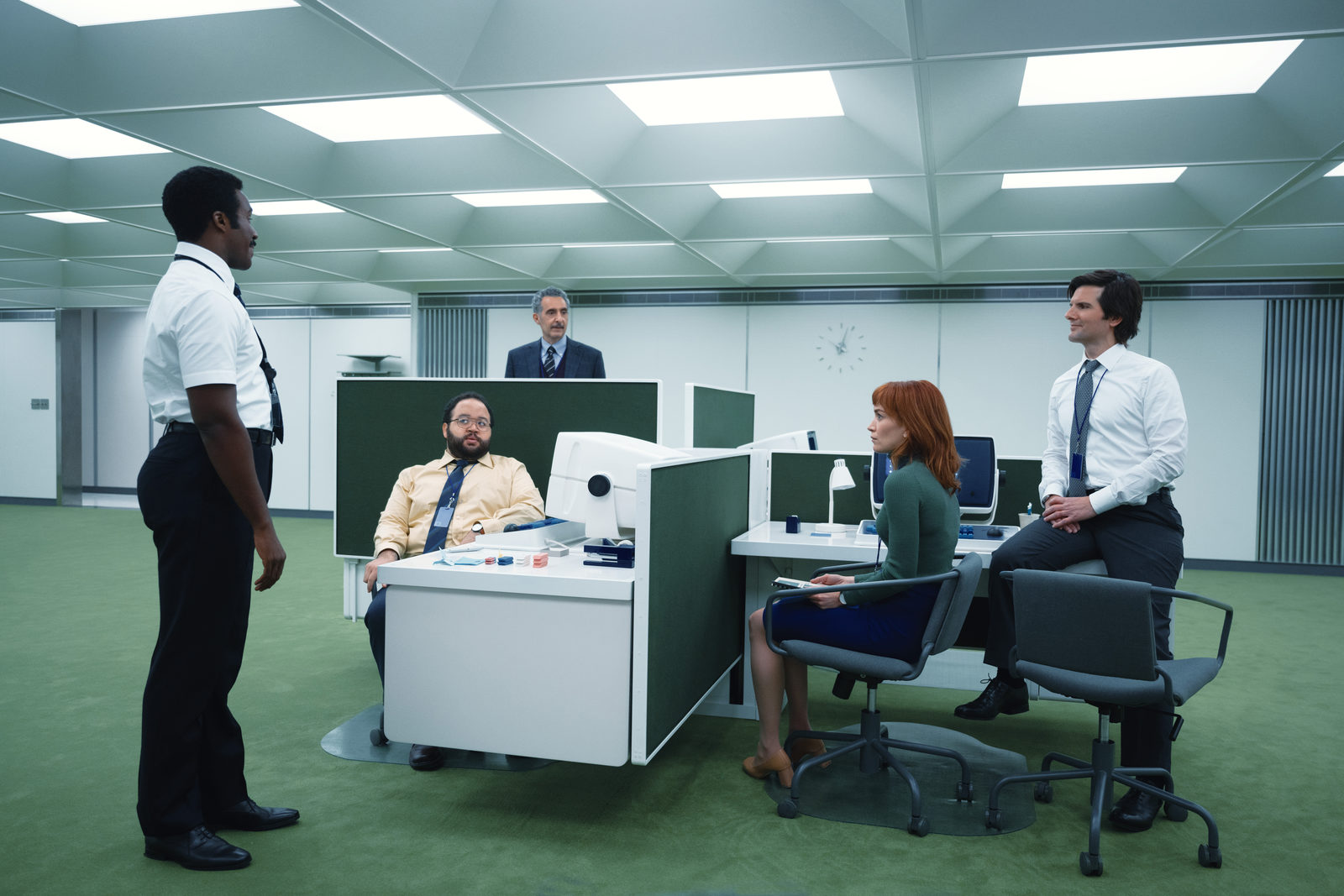
People fight burnout in different ways: some learn meditation, some take up sports, and some simply quit. But Apple TV showed that there is another way...
Open material▪️ Separately, it is worth noting that Apple TV+ has been the leader in quality sci-fi for at least a couple of years. The streaming service regularly releases beautiful large-scale projects and takes on the most ambitious goals, for example, the adaptation of William Gibson's "Neuromancer". It seems that the management of the streaming service consists of dreamers who could not get into NASA but really want to touch the world of the future.
Bonus: Zombie Horrors, But Without Zombies
Most often, in horror films, zombies are used in all their cannibalistic and toothy glory. Although this does not prevent reading metaphors about consumer society or fear of epidemics, nuclear disasters, etc. But zombie cinema also masquerades as other genres. And John Carpenter was one of the masters of this approach.
- "Assault on Precinct 13": works on the formula of George Romero's "Night of the Living Dead", but in the style of an urban western.
- "The Fog": works with zombification, but not of the dead, but of ghosts (and towards the end they even have rotting flesh).
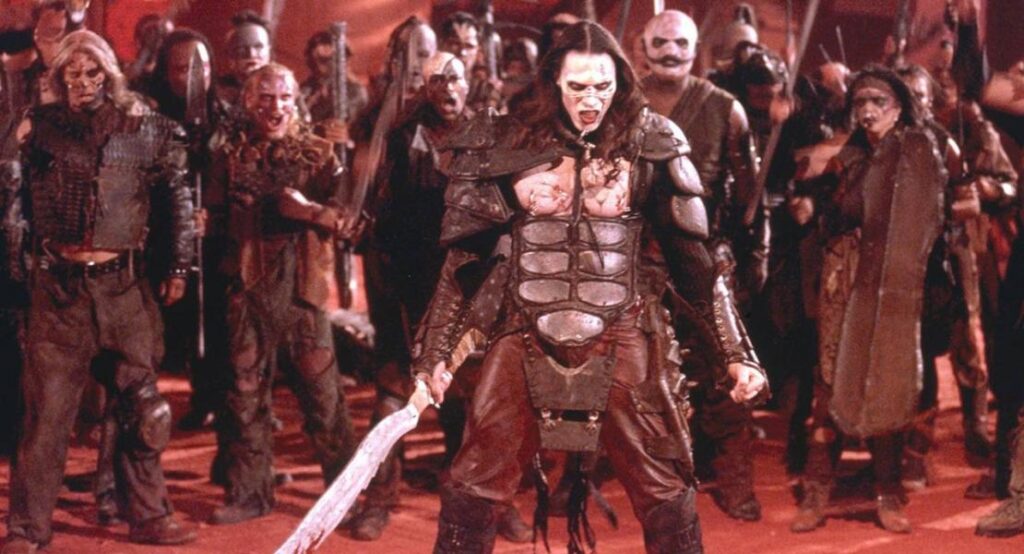
- "Ghosts of Mars": crazed people possessed by evil spirits, who are already dead in spirit, and their only goal is to kill other people.
- "In the Mouth of Madness": mass culture as a way of zombification, when in the end you haven't become a cannibal yet, but you already want to kill others.
- "They Live": advertising as a way of zombification, but here there are also political subtexts that seem to be more important.
- "Prince of Darkness": zombification through an obvious method — infection.
In addition to John Carpenter, other directors have also discussed the influence of information on humans and more. For example, in Danny Boyle's "28 Days Later", the monkeys were driven mad by a virus + cruel visual images that were shown to them non-stop. And then the metaphor of "zombification" of people (but no longer by information) through the desire for cruelty and the decay of moral guidelines is read.
In "The Ring", information affects people through watching a deadly videotape. In David Cronenberg's "Videodrome", the unhealthy dependence of a person on television is criticized, and how TV reprograms human consciousness.
In "Suspiria", there is also a motif of zombification, but through the desire to find "one's own" (and so we end up in a sect disguised as a dance troupe). Essentially, "Midsommar" and "The Wicker Man" are also about zombification through faith, and the victims are people suffering from loneliness, loss of loved ones, who are looking for kindred spirits.
Afterword: What to Expect in Global Sci-Fi
What to expect in the future? Perhaps, reflecting on how sci-fi will develop in the coming years is one of the most attractive activities if you want to be a bit of a futurologist or oracle, to use the terminology of "The Matrix." Judging by world events, we may expect a strong rise in interest in global sci-fi in the following themes:
- post-apocalypse (restoring the world after its destruction by humans)
- colonization of planets, space travel and various monsters (when the world is on the brink, man looks to the sky)
- alternative history and time travel (when the world is on the brink, one wants to go back to the past and fix everything)
In addition, after the success of "Oppenheimer" and against the backdrop of current events, it seems to me that interest may arise in biopics about scientists, politicians, and other historical figures whose decisions determine the fate of the world. Or about journalists and photographers who record all sorts of man-made horrors. But this is no longer the territory of sci-fi.
Science fiction in cinema is largely a projection of the consciousness of people living in a particular era, and partly their predictions for the future. The future can be bright, or it can be dark. Soon we will see which way the balance will tip, and this will become an indicator of moods in the global consciousness. In any case, the authors of films and series in this genre will continue to talk about what is happening in the world now and what to expect or fear in the future. In this regard, sci-fi will act like horror — as a barometer of public consciousness, speaking about people and their era.
Comments
0No comments yet.