
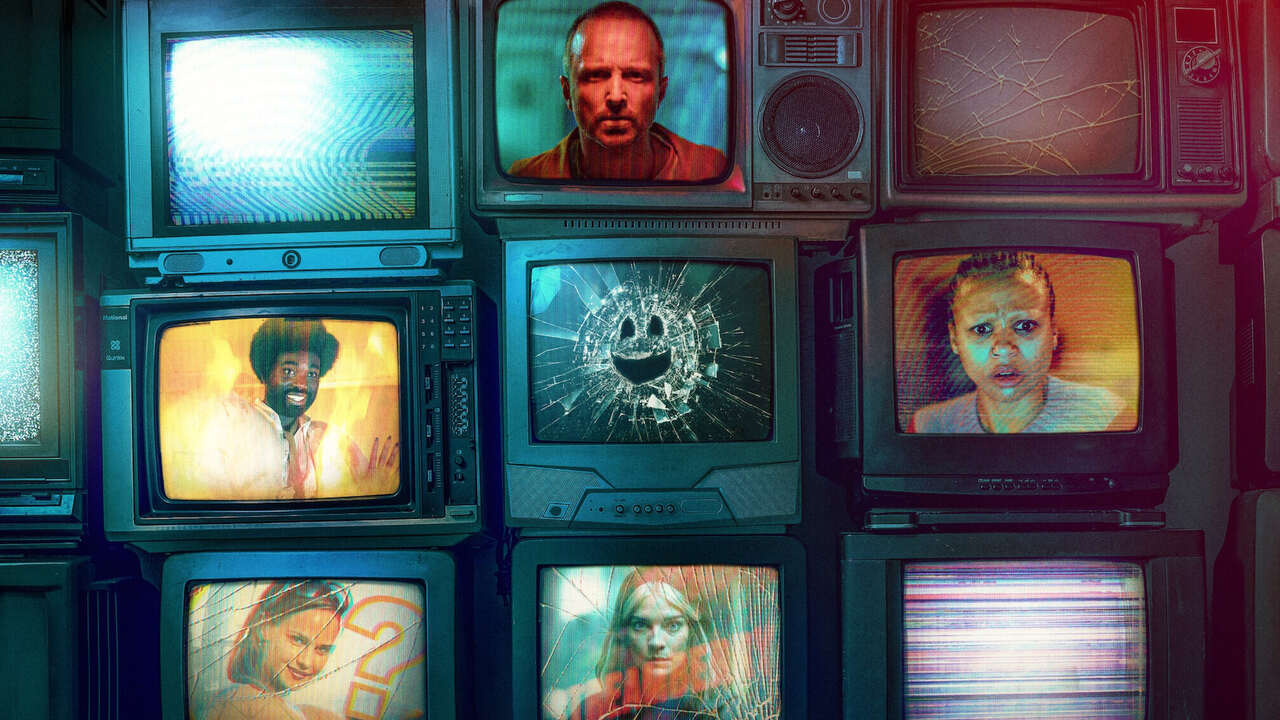
On June 15, a new season of the famous anthology created by Charlie Brooker was released on Netflix. 'Black Mirror' started as a set of sci-fi stories about technology and people, but in 2023, this was completely forgotten.
The first season of the series 'Black Mirror' premiered in 2011 (12 years ago!) on Channel 4 and captivated audiences and critics with its daring and socially acute episodes. The show's creator Charlie Brooker named the anthology after the black screens of smartphones, monitors, and televisions in which viewers see their reflections every day. Technology has deeply penetrated people's lives, so the series tried to show the results of humanity's obsession with gadgets.
In 2015, after the release of two seasons and a Christmas special, Netflix acquired the rights to the anthology for $40 million. The streaming service expected that the already established brand would become one of the bright jewels in its media library, but whether Charlie Brooker gradually ran out of steam or the 'tudum' service ruined everything, by season 5, 'Black Mirror' had significantly lost quality.
Over 12 years, many stars like Bryce Dallas Howard or Jesse Plemons have appeared in the anthology's episodes, and season 6 is no exception. However, in the five new episodes of 'Black Mirror,' only one feels recognizable. Let's talk about each separately.
You've Hit the TV Big Time — 'Joan Is Awful' (Episode 1)
What's the plot?: Joan (Annie Murphy) has everything many only dream of: a good job, a caring boyfriend Krish (Avi Nash), and a big cozy house. But at a therapist's appointment, she complains that at work she's caught between management and regular employees, and in her relationship with Krish, she lacks the madness she experienced with her ex, Mac (Rob Delaney). Overall, she doesn't feel like the main character in her own life.
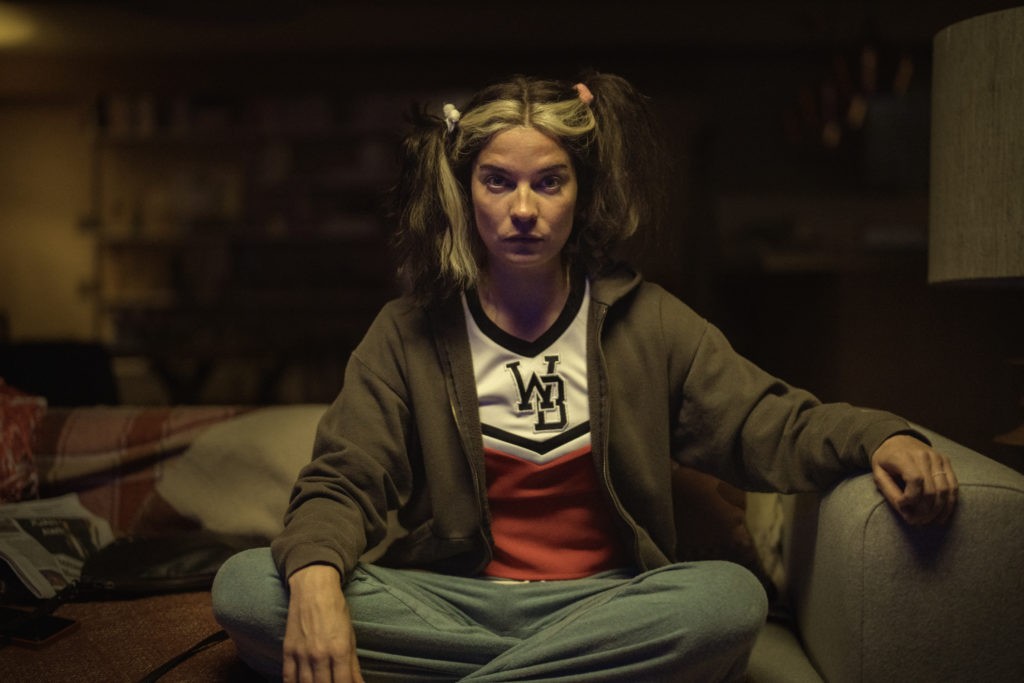
No sooner said than done! That very evening, a series titled 'Joan Is Awful' appears on the Streamberry platform, depicting Joan's life with Salma Hayek in the lead role. Besides Hayek, the show features Himesh Patel (Krish), Ben Barnes (Mac), and Wunmi Mosaku (Joan's lawyer). The plot mirrors her entire past day, portraying the heroine in a less-than-flattering light. The new show draws a huge audience, and Joan's life spirals into disaster. Now she'll definitely feel like the main character.
This is the very episode where the true 'Black Mirror' essence is present, and it's placed first in the season. Here, Charlie Brooker criticizes soulless streaming services, including Netflix, as Streamberry has a similar red logo in the shape of the letter 'S' and the characteristic 'tudum' sound on its intro. True, episodes are released one per day rather than all at once, but you can't copy yourself exactly. The story is built on the fact that few people read the lengthy user agreements. Most just scroll to the bottom and click 'Accept' or 'I Agree,' and the service can write anything there.
Essentially, Netflix released its own anti-advertisement, which looks quite amusing. The episode shows the direction in which neural networks, deepfakes, and CGI technologies in the film industry could develop. It's creepy, but that's why we love 'Black Mirror,' right? Although the streaming service already has a couple of projects that seem to have been conceived in a test tube and made by artificial intelligence with the addition of big names (see 'Red Notice' and ), so the idea is certainly not new.
On July 22, Netflix's library was replenished with another potential hit and, perhaps, the most anticipated streaming film of this summer with world cinema stars in the lead roles. 'The
Open material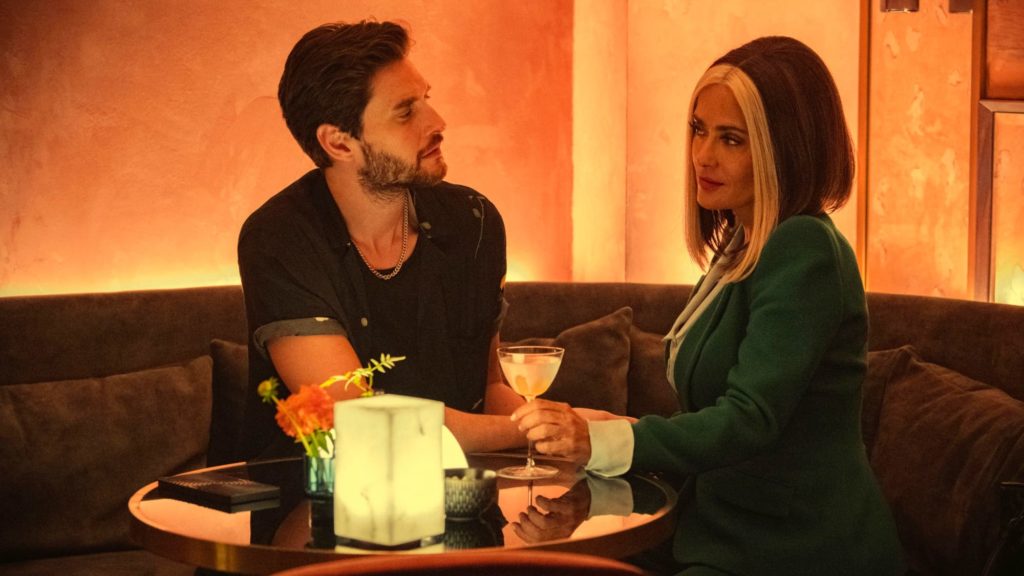
Of course, Netflix wouldn't be Netflix if it didn't stuff the project with agenda. However, there are moments where it's unclear whether the streaming service is trying to self-mock or pile an even bigger agenda on top of its own. If it's the former, it didn't work out well; if the latter, it's pure idiocy. But despite all the shortcomings, the episode turned out very good. First, it's the good old 'Black Mirror,' and second, the episode is genuinely interesting and offers a few thoughts on the theme of techno-paranoia.
P.S. The first episode has scenes during and after the credits, so don't rush to turn it off.
Still Waters Run Deep — 'Loch Henry' (Episode 2)
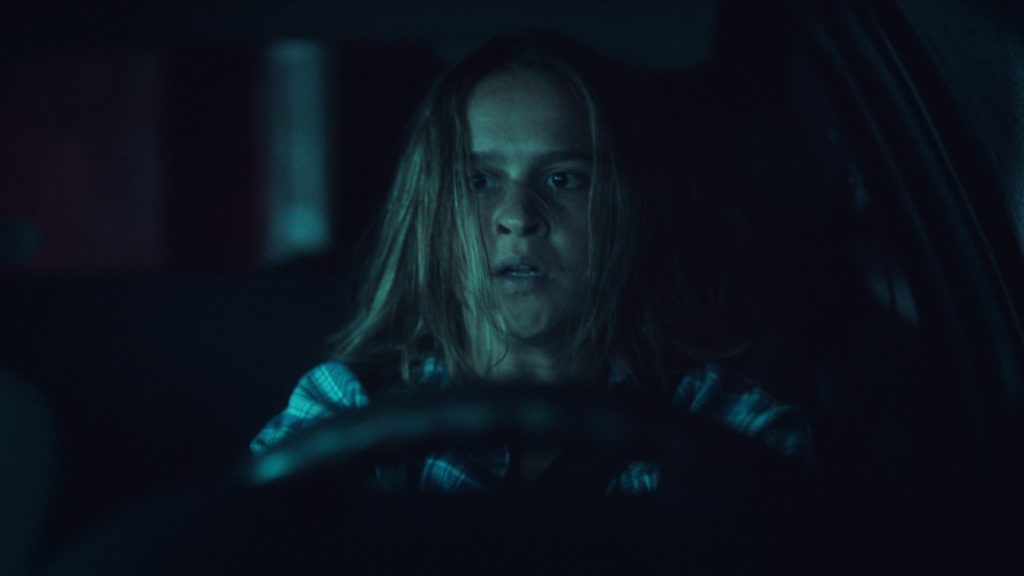
What's the plot?: Film students Davis (Samuel Blenkin) and Pia (Myha'la Herrold) are driving to shoot a documentary about a man protecting some eggs, and on the way, they stop in a remote Scottish village where Davis grew up. Here, Davis introduces Pia to his mother (Monica Dolan) and childhood friend Stuart (Daniel Portman).
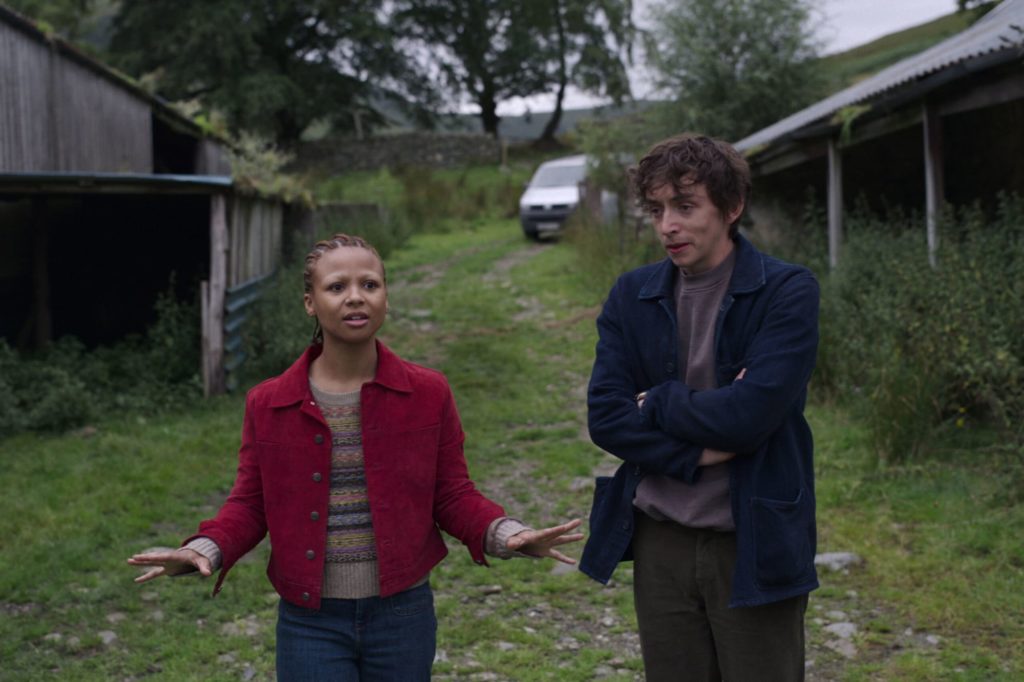
The village looks deserted, which surprises Pia, given the surrounding beauty. Logically, tourists should be flocking, but everything becomes clear when Stuart and Davis tell her a horrific story that happened in these parts. After the revelation of a brutal murder, people stopped coming. The student is so captivated by the story that she convinces Davis to change the film's subject and make a documentary about this very psychopathic killer. Such work should help these wonderful places become popular again and also bring the students fame. However, they have no idea how drastically the filming will change their lives.
I'd like to set the record straight right away: Loch Henry is not the nickname of some downtrodden character, but the name of the settlement where the episode takes place. There are loonies in the episode, but none of them are named Henry.
The second episode turned out quite interesting and creepy, but technology plays absolutely no role in it. 'Loch Henry' is conceived as a detective thriller that only slightly mocks the same online platforms (the students' documentary is released by the already familiar Streamberry, which, by the way, also features other projects released under the 'Black Mirror' brand, such as the interactive film 'Bandersnatch').
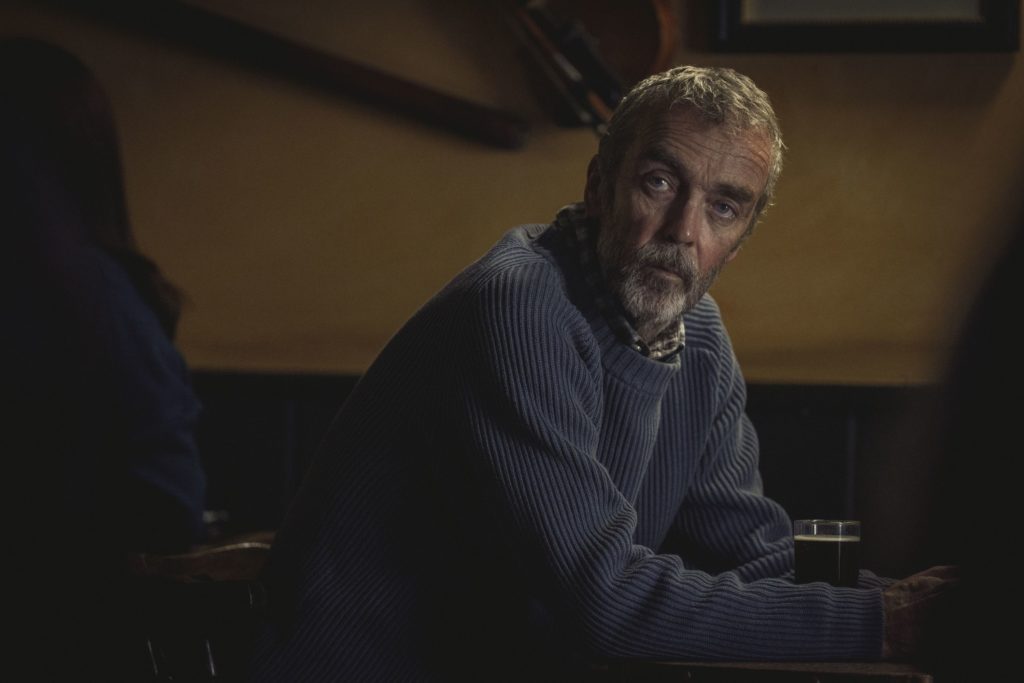
The episode raises the eternal question that every director eventually faces: 'What kind of film do I want to make? Mainstream and commercially successful, or personal and auteur, something that primarily excites me?' Lucky are those who manage to find a balance in their projects, but often one has to choose, and that choice doesn't always favor them.
'Loch Henry' is undoubtedly an excellent thriller, but it's hardly what viewers expect when they turn on the famous 'Black Mirror.' Although, of course, the interesting plot and Daniel Portman's comedic role, who steals all the attention whenever he appears on screen, are very appealing. Still, here the creators moved away from the classic concept towards exploring human feelings and relationships. It turned out well, but it's too early to celebrate.
Breaking Bad — 'Beyond the Sea' (Episode 3)
What's the plot?: In an alternate 1960s, two astronauts, Cliff (Aaron Paul) and David (Josh Hartnett), traverse the cosmos on a six-year mission. However, in their free time, they have the ability to return to Earth by transferring their consciousness into the bodies of clones waiting at home.
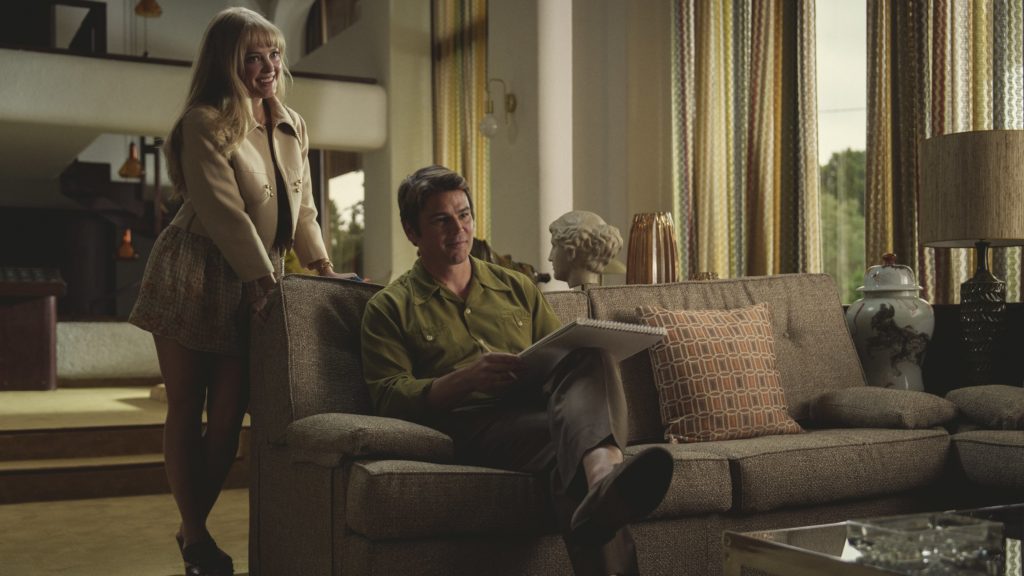
Two years of the odyssey are already behind them, and nothing foreshadows trouble until David suddenly faces a terrible tragedy. A group of hippie cultists (a clear nod to Charles Manson) breaks into the astronaut's home and kills his wife and children, simultaneously destroying Robo-David. Overwhelmed by grief, the man begins to slowly go mad aboard the spaceship, so Cliff and his wife Lana (Kate Mara) decide that it wouldn't hurt David to visit Earth again. As a result, the partners begin sharing one avatar between them, which clearly won't lead to anything good.
'Black Mirror' has always been able to surprise, so episodes often won viewers over with their plots. 'Beyond the Sea' may not be a typical episode about techno-paranoia, but within the framework of season 6, it's perhaps the best story. A tragic retro-futuristic tale that can easily be watched as a standalone film (the runtime is a full 80 minutes), even by those completely unfamiliar with the anthology.
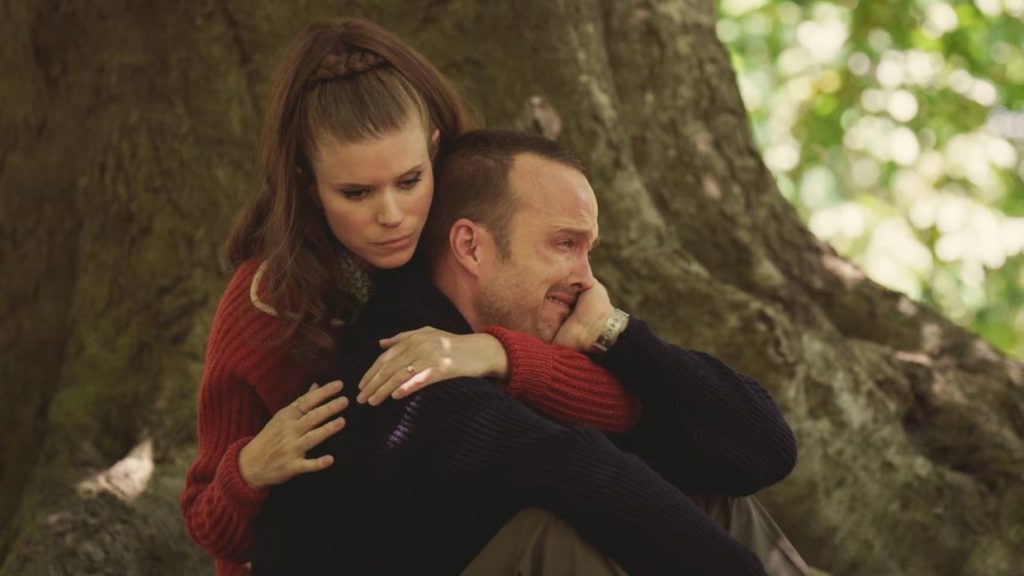
The acting work of Paul and Hartnett deserves any praise. The duo has excellent chemistry, which adds extra drama to the episode. Of course, it's unclear why the action is set in the 60s and what exactly Charlie Brooker is criticizing here, but the episode turned out very strong. It becomes obvious that the show has grown tired of its original concept and is trying to experiment with genres, but the question arises of how appropriate this is when the anthology's leitmotif has long been established and audience expectations are at the level of techno-apocalypse.
You've Been Leaked. Find Yourself in the Public... — 'Mazey Day' (Episode 4)
What's the plot?: Bo (Zazie Beetz) works as a paparazzo in mid-2000s Los Angeles (evidenced by her surprise at the compactness of an iPod Shuffle). After the suicide of an actor due to the publication of provocative photos, she decides to leave the profession. But circumstances force Bo to return, as the first person to get photos of actress Mazey Day (Clara Rugaard) will receive a fee of $30,000. The thing is, Mazey, while filming in the Czech Republic, hit a person while under the influence of drugs, fled the scene (and then the country), and also suffers from mental disorders after the incident. Her photos in such a state are worth their weight in gold for paparazzi.
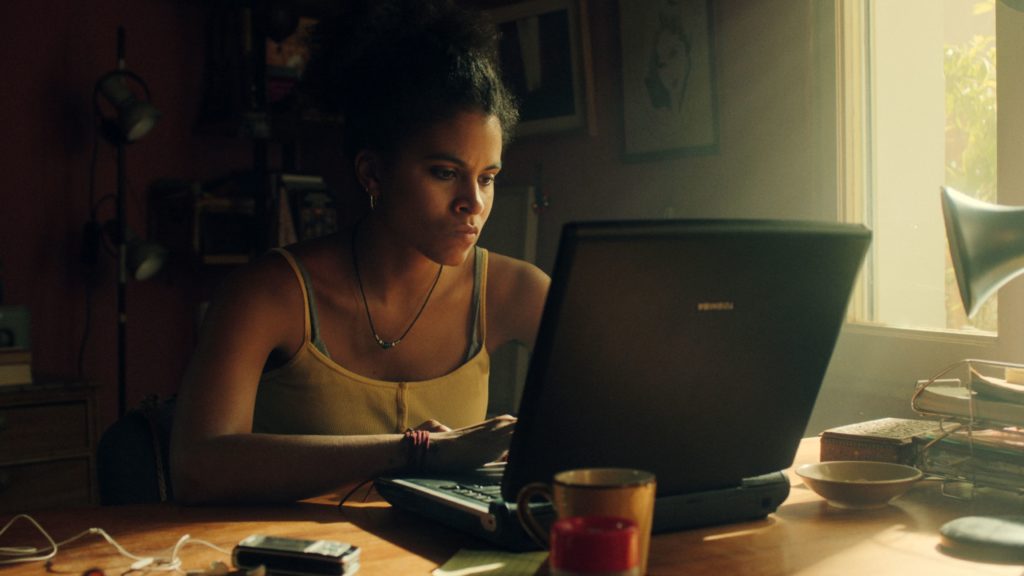
If the previous three episodes are worthy of praise, even if not all fit into the classic 'Black Mirror,' then the fourth episode is simply a terrible exploitation of the famous brand. It's quite difficult to talk about 'Mazey Day' without spoilers, but for context, the main twist is a device more suited to the series 'Guillermo del Toro's Cabinet of Curiosities' than to the famous anthology about people and technology.
Not only does the action again unfold in the past, but the show also steps into the realm of mysticism. Where did the gadgets go? Why is the series in 2023 criticizing paparazzi? And why did Charlie Brooker encroach on the territory of 'Supernatural'? There is no answer to any of these questions. As it turns out, the awful one wasn't Joan at all, but 'Mazey Day,' because the episode is pure deception. It looks as if the original concept of the show has outlived its usefulness, and the creators decided to squeeze every last profit out of the naming, so they stuffed everything they could find into the new season. And if in the second and third episodes they managed to distract attention with a good story, excellent actors, and solid direction, the fourth episode is bad in itself, and not even Zazie Beetz can save it.
'Mazey Day' feels like the level of season 5. 'Black Mirror' no longer reflects reality because it has been torn away from it, turning more into a Mirror of Erised. As a result, the title of 'Worst (and not in a mystical sense) Episode of the Season' goes to the fourth episode. One can only hope that in the future, mistakes will be taken into account and we won't see such banal, irrelevant, and toothless stories in the anthology again.
Good Omens — 'Demon 79' (Episode 5)
What's the plot?: In Britain in 1979, Nida (Anjana Vasan) works in a shoe store. One day during her lunch break in the basement, where she was moved due to 'too smelly food,' she activates an artifact that summons a demon into our world. Initially terrifying, but later taking the form of a member of Boney M, the demon Gaap (Paapa Essiedu) tells Nida that she must kill three people in three days to prevent the apocalypse.
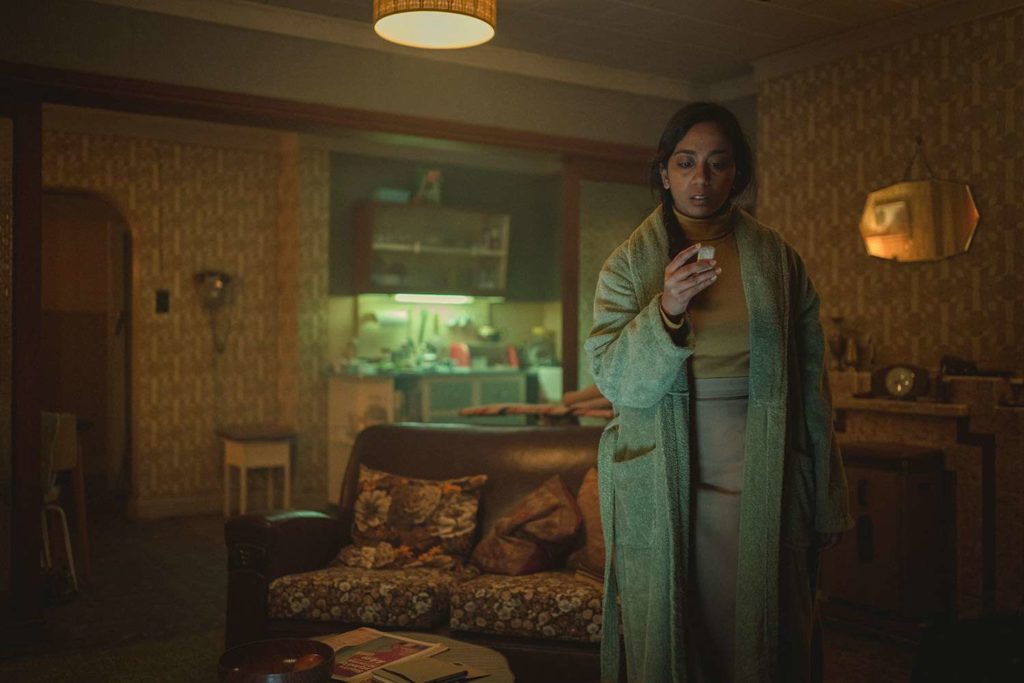
As they say, started off well, ended poorly. 'Black Mirror' and demons. Who would have thought a few years ago that the famous anthology would come to this? We expect in the next season that a friendly family buys a huge house for a pittance because a tragedy occurred there. The children happily choose rooms, but on the first night, it turns out the mansion is haunted by ghosts, and the family still continues to live there, deciding to fight the supernatural forces. This future, apparently, awaits the show.
Incidentally, the episode was released with the title 'Red Mirror.' The thing is, Charlie Brooker had the idea of making the new season a retro-style spin-off, but apparently, the creator considered that tying his new ideas to an already established brand would be a more profitable venture, which is why the new 'Black Mirror' doesn't look like what everyone is used to. Perhaps in the future, the series will be 'repainted' in a different color, but for now, this idea looks very dubious.
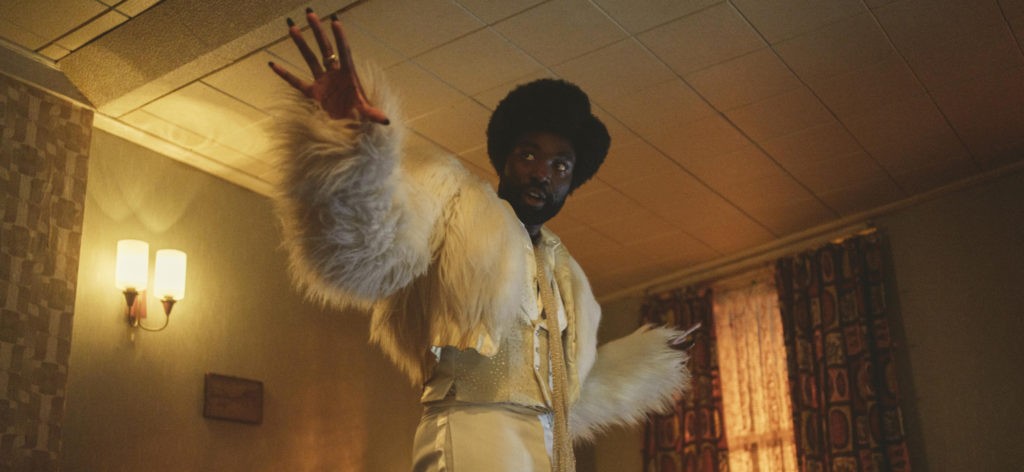
The episode turned out somewhat weak, though relevant. The threat of nuclear war, so 'popular' in modern society, is shown through the prism of the past. At least here, the shift of action back in time is clearly explained. But overall, the episode hardly grabs you and loses to the first three in almost every aspect. So it turns out that half of the season was very successful, while the other left a slight aftertaste of disappointment (even within the framework of it not being classic 'Black Mirror').
So What's the Verdict?
Season 6 of the show turned out quite controversial. There are both successful episodes and captivating stories, as well as outright poor attempts to venture into horror. It's not yet clear what awaits 'Black Mirror' next, but one thing is certain. The new stories are clearly a step up from the outright terrible fifth season. It's better to watch quality thrillers and retro-futurism than same-sex sex through a fighting game.
Although, of course, I want to say that specifically as 'Black Mirror,' the season turned out rather unsuccessful, as the project forgot its original concept. Let Charlie Brooker say as much as he wants that the series is primarily not about future technologies, but about the person who ruins everything, and that the show shouldn't be an almanac of terrible technologies that keep appearing (like NFTs). Still, fans fell in love with it for what it was originally intended to be, and even the title references gadgets. So if we judge the show by its recent seasons, the only person ruining everything is Charlie Brooker himself.
Comments
0No comments yet.
Sign in to join the discussion.