

'The Mandalorian' used to be praised, and now, after the new season, it's criticized. About why the uneven third season is an interesting and unexpected step forward for a series that hasn't lost, no matter what anyone says, its charm – in our review...
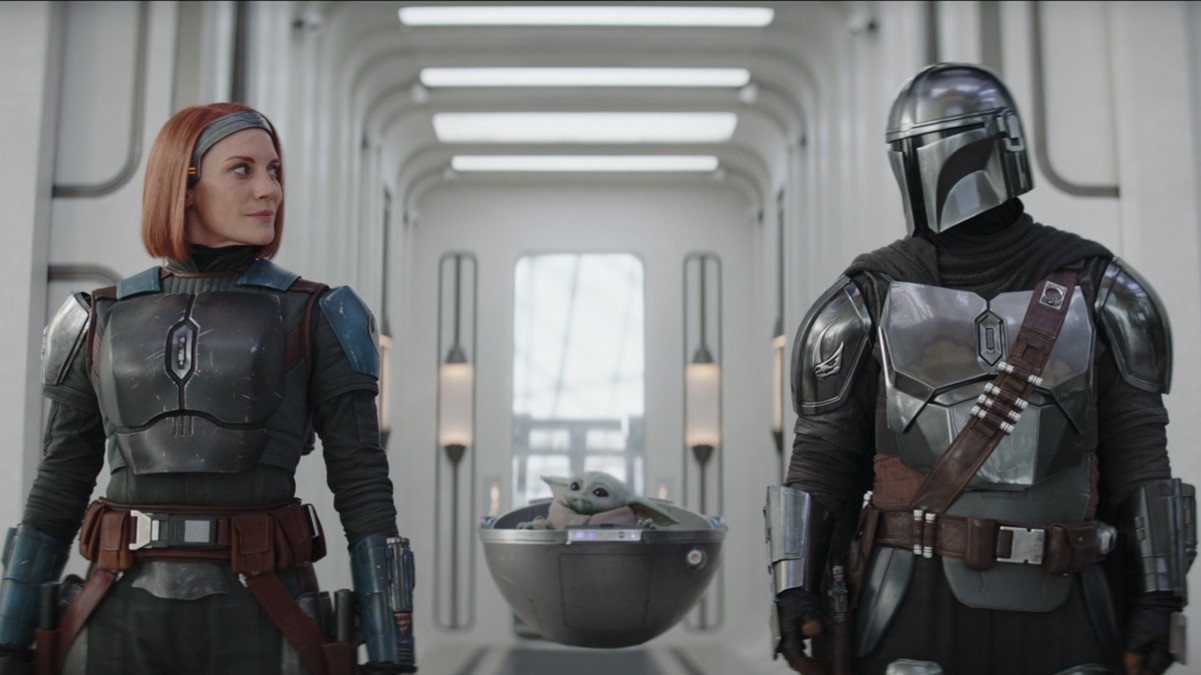
Din Djarin (Pedro Pascal) has reunited with the kid and now wants to reunite with his clan, from which he was expelled for removing his helmet. To atone for his sins, Din needs to bathe in the waters of Mandalore, which, like the waters of abandoned cities, destroyed planets, and ancient caves, conceal much. Out of the kindness of his heart, Din is helped by Bo-Katan Kryze (Katee Sackhoff), the former ruler of Mandalore, who has benefited from renouncing her claims to power – actress Sackhoff was given a hairstyle that suits her, and her character was allowed to be a noble and interesting figure with sad eyes. When she saves Din for the third time in an episode on an abandoned planet, it becomes generally clear that the series' focus has shifted somewhat – this season is no longer about Din and his child, but about something more global.
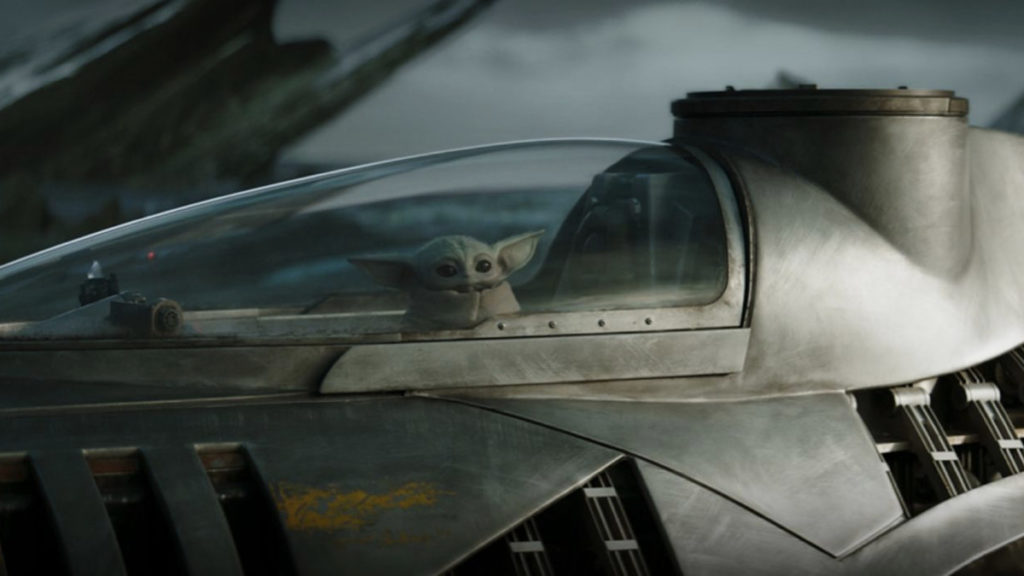
This is not a small story about small people, as the first season was, nor a small story about big people, as the second was (in it, the quest to return the kid to the Jedi involved heroes of the caliber of Boba Fett and Luke Skywalker). The third season is more of a big story about small people, whose individual lives get somewhat lost against the backdrop of galactic politics. At the same time, the development of some characters in the third season is quite unprecedented.
Over eight episodes, Bo-Katan changes a lot, ceasing to seek power and uniting people around her not by force or even the Darksaber (whose fate this season is quite interesting and, it seems, could not have been otherwise), but by personal heroism. Her relationship with Din is a particular joy. The long-standing episode character Dr. Pershing finally reveals himself, turning out to be a decent person in bad circumstances. Even Paz Vizsla changes, whose main trait was, as commonly thought, immutability.
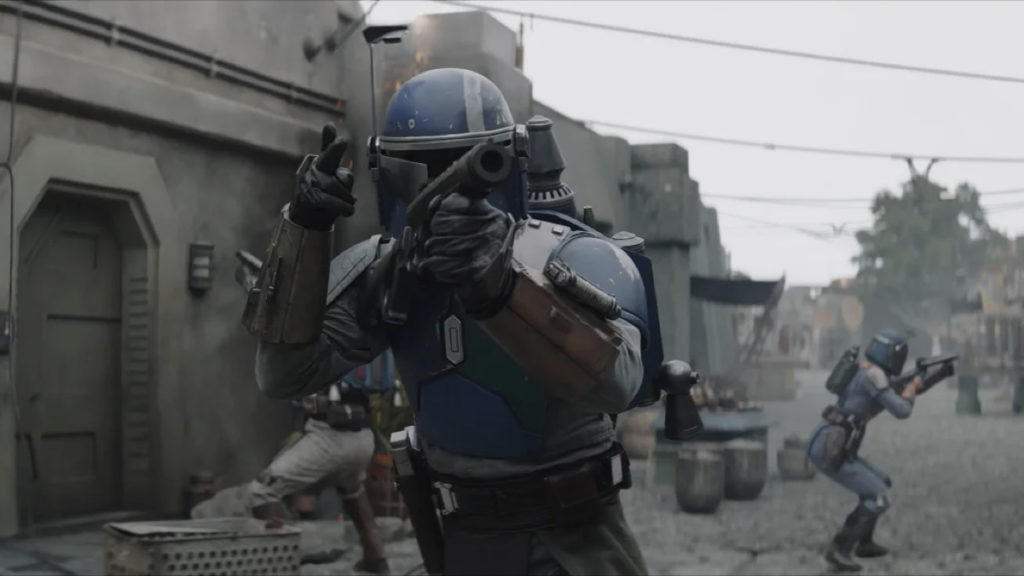
But all these storylines and fates are woven into a more global story about an attempt to rebuild the world after war. The galaxy, liberated from the Empire, turned out to be not so much a space for new life as its – the Empire's – rotting corpse. The season's important motif of poisoned and uninhabitable soil (Mandalore, Coruscant) is not so much about the difficulties of agronomy as it is about the fact that the past does not disappear, that it cannot be gotten rid of by simply forgetting.
The return of Mandalore, the formation of the First Order, the reasons for the fall of the New Republic, the survival of independent planets in a war-torn galaxy – and these are only part of the themes touched upon in the third season. It's hard not to notice that the scale of what the authors (Jon Favreau and Dave Filoni) want to say in eight short episodes makes some of their points rather sketchy: the preparation for the liberation of Mandalore, for example, took significantly less time than it deserved, and the First Order was dealt with in just a couple of scenes. The monster-of-the-week episodes that made the first season so enjoyable have almost disappeared – only the detective storyline in the ancient polis, directed by the project's best director, Bryce Dallas Howard, turned out that way.
Droids and people in search of a second chance, Mandalorians in search of happiness, Christopher Lloyd in search of historical justice. All about this and why in the sixth episode of 'The Mandalorian
Open material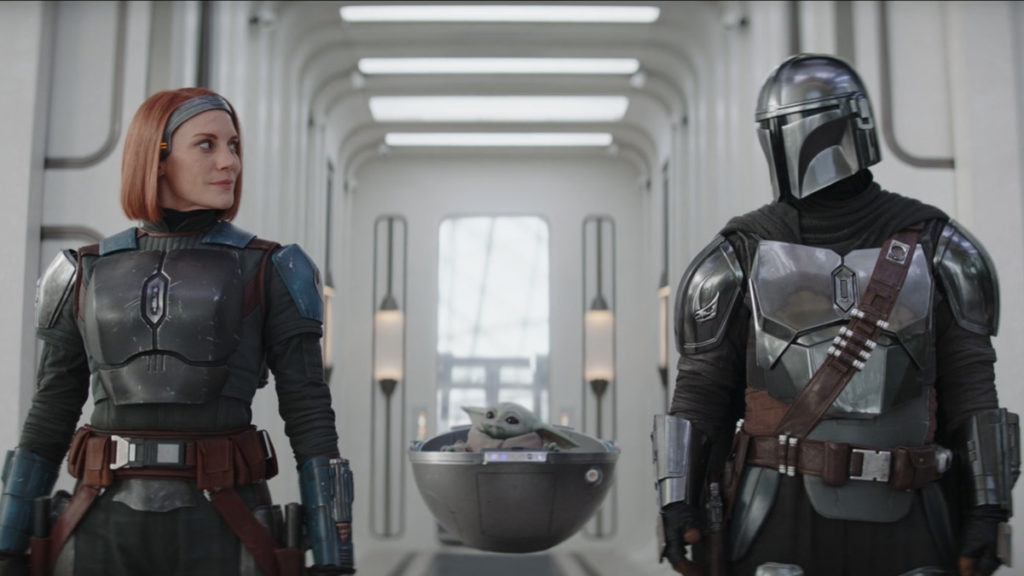
But in 'Star Wars', important political and philosophical plots have always been like the second sun over Tatooine – it's joyful without them, and it's easy not to notice, but in unexpected remarks, in vanishing, barely appearing symbolism, in a surprisingly accurate understanding of how totalitarianism works, lies the special charm of a galaxy far, far away. This is what separates it from 'Star Trek', for example, and makes it especially relevant in times not even the most suitable for science fiction.
The faraway galaxy in the third season appears unexpectedly close – not only because the entire storyline of the Mandalorians' return to their homeland is a loose retelling of the book 'Exodus', but also because 'The Mandalorian' here focuses not on the obvious confrontation between good and evil, but on what poisons good from within, on those processes that turn initially good communities into bad ones. Freedom does not yet die under thunderous applause, as in 'Revenge of the Sith', but preparations for it are underway.
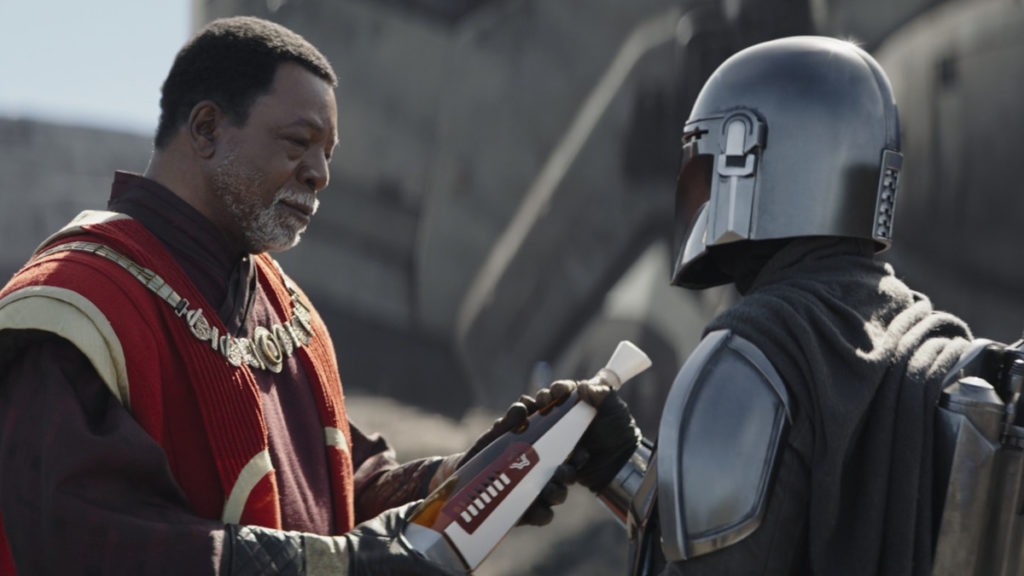
The Mandalorians have been on the brink of survival for the last 30 years because they cannot agree; they are destroyed not by external enemies, but by internal strife. The New Republic, built by the rebels from the original trilogy, has been in crisis since its inception. And not because Imperial remnant spies infiltrated it, but because freedom lost to bureaucracy. Indifference, apathy, an attempt to establish justice without trial, and a willingness to sacrifice others' lives for one's own goals – no First Order was really needed for such a structure to collapse. This is a bold and unexpectedly anarchist (in the spirit of 'Andor') political thought.
At the same time, 'The Mandalorian' is, of course, bigger than its political plots. And the story of how the New Republic repeated the mistakes of the Old fits into a larger overarching narrative. The series began as a dashing attempt to combine the plot of the eighth film of the 'Zatoichi' franchise (where a blind samurai guarded someone else's child) with the canons of the Western (a lone gunslinger, plots from Eastwood and Wayne classics), but by the third season it has become both more serious and more ambiguous, and (although all Russian-language criticism seems to disagree) more interesting. The inventive action, frequent formulaic dialogues, and filler episodes (incidentally, successful ones – the fourth episode is quite remarkable) are still in place, but to this set has been added that melancholy that distinguishes the best 'Star Wars' from the ordinary.
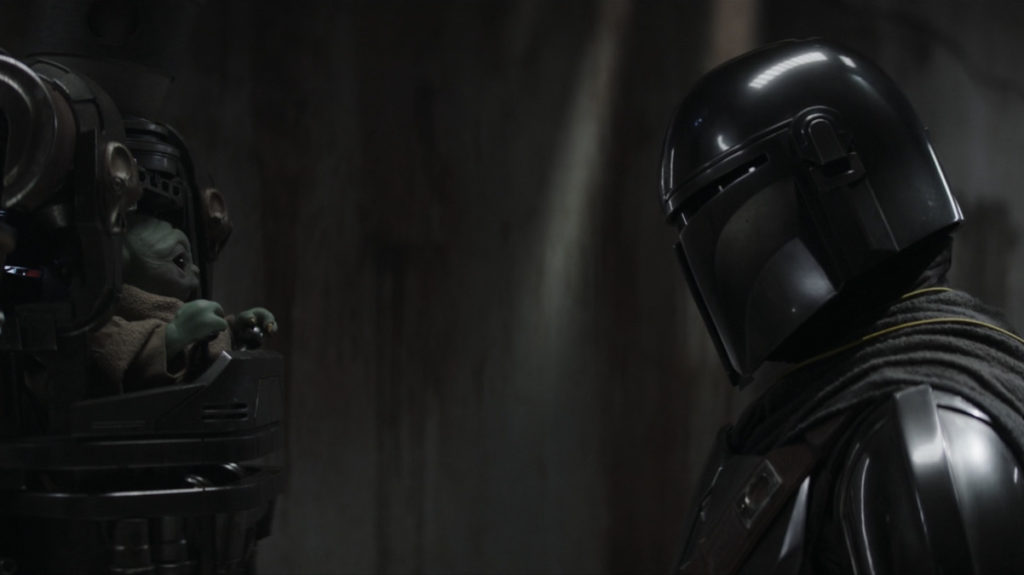
It was this melancholy, not chroma key, that painted (there are, it feels, about three shots on live locations) 'Revenge of the Sith' on green screens – a film about a Republic whose fate no one particularly thought about while it existed, and about which no one thought either when it was gone. The same longing permeates 'The Empire Strikes Back' – a rather sad film, actually, about how to escape from the Empire on the fastest starship, starting with defeat and ending with it. The same melancholic striving for freedom is the subject of '', a rare modern series about people who value ideals more than life.
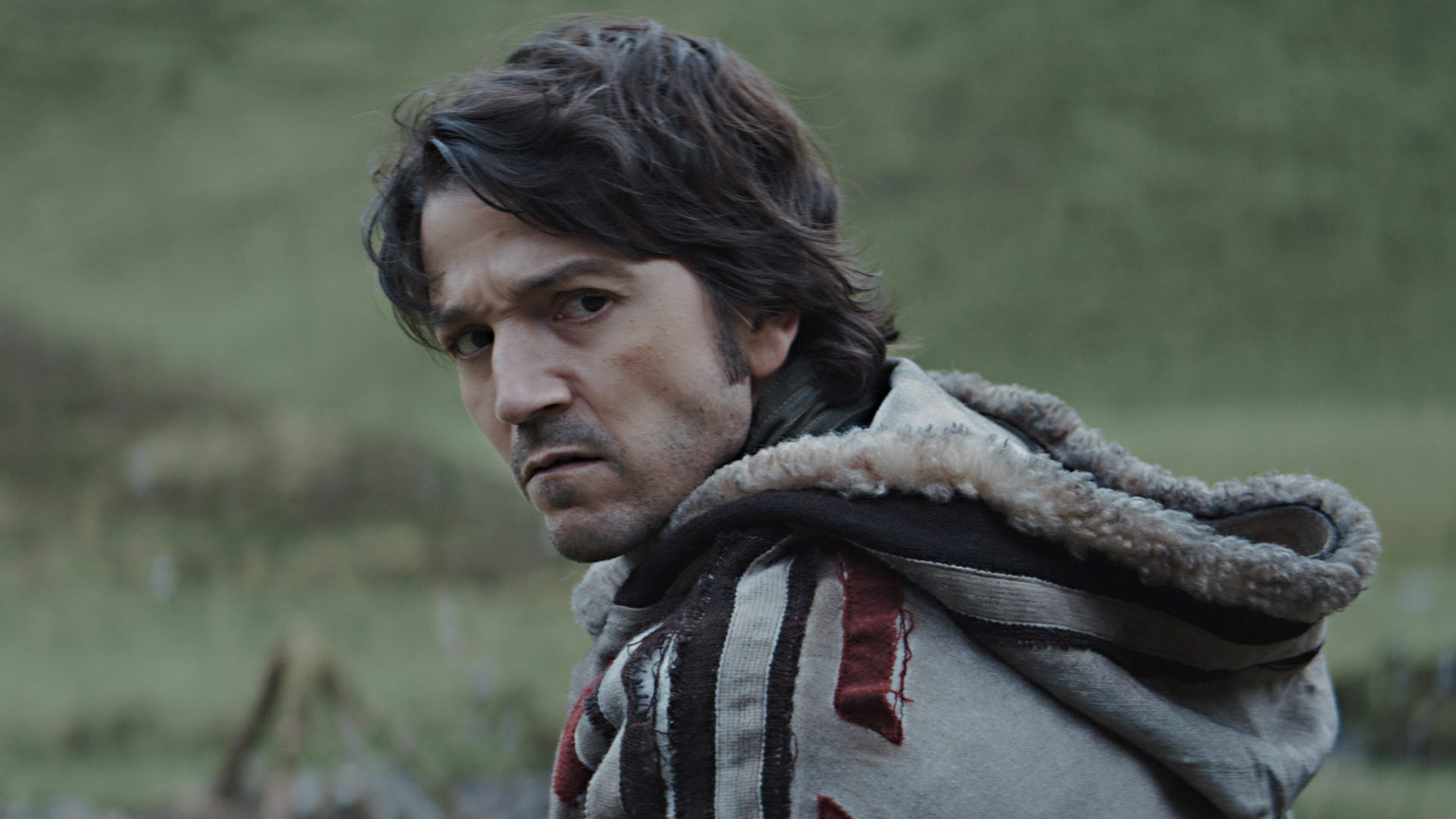
The first season of 'Andor' has ended. We watched this series, beloved by critics and not too popular with viewers, closely and tell you why it is a great show and the best 'St
Open material'The Mandalorian' – often previously seeming more an aesthetic joy than an ethical one – in 2023 unexpectedly grew up along with its cutest hero, the kid Grogu. Just as the kid in the seventh episode (the best of the season) began to communicate with the world in a stilted, mechanical, and alien voice, so the series – even borrowing techniques and leaving words unsaid – began to haltingly and also sometimes somewhat mechanically say something to the world not about Mandalorians and not about the Empire, and not even about fatherhood in space, but about this very world itself.
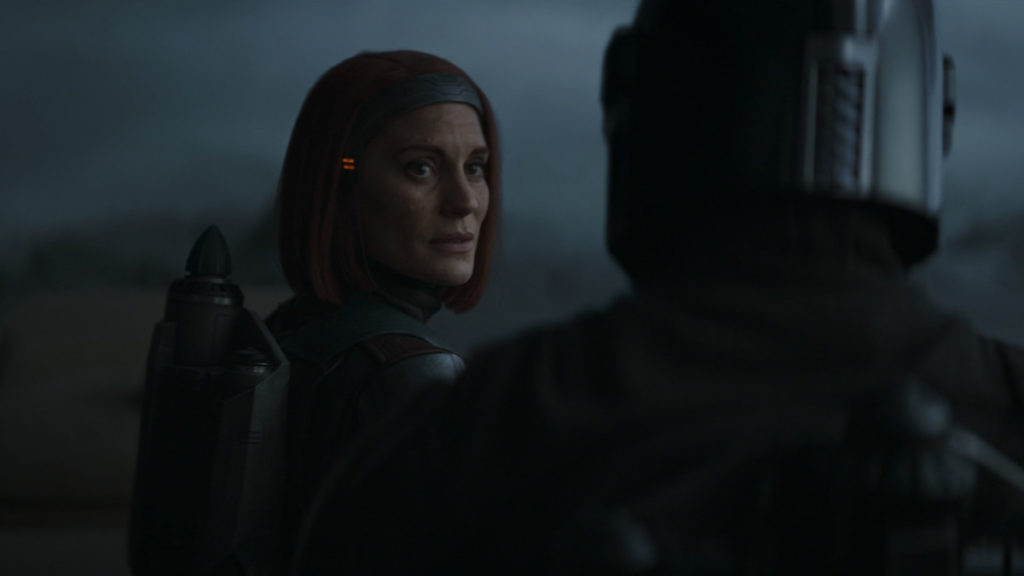
Din Djarin, Bo-Katan, Dr. Pershing, IG-11, Greef Karga (Carl Weathers), former Imperials, former revolutionaries – under the weight of their own mistakes, in the third season they are not so much walking as crawling along new routes of their own lives, which should have been better but turned out as always. Trying to correct old mistakes, they make new ones, and using a second chance turns out to be more difficult than the first. But it is still possible: it definitely works for Bo-Katan, it could have worked for Pershing, it worked out fun for Jack Black (one of the best cameos). And the main idea of the season, it seems, is that despite the fact that our mistakes are sometimes significantly bigger than us, hope for happiness, victory, and redemption still exists. Even if it is no longer as new as one might wish.
Comments
0No comments yet.
Sign in to join the discussion.