
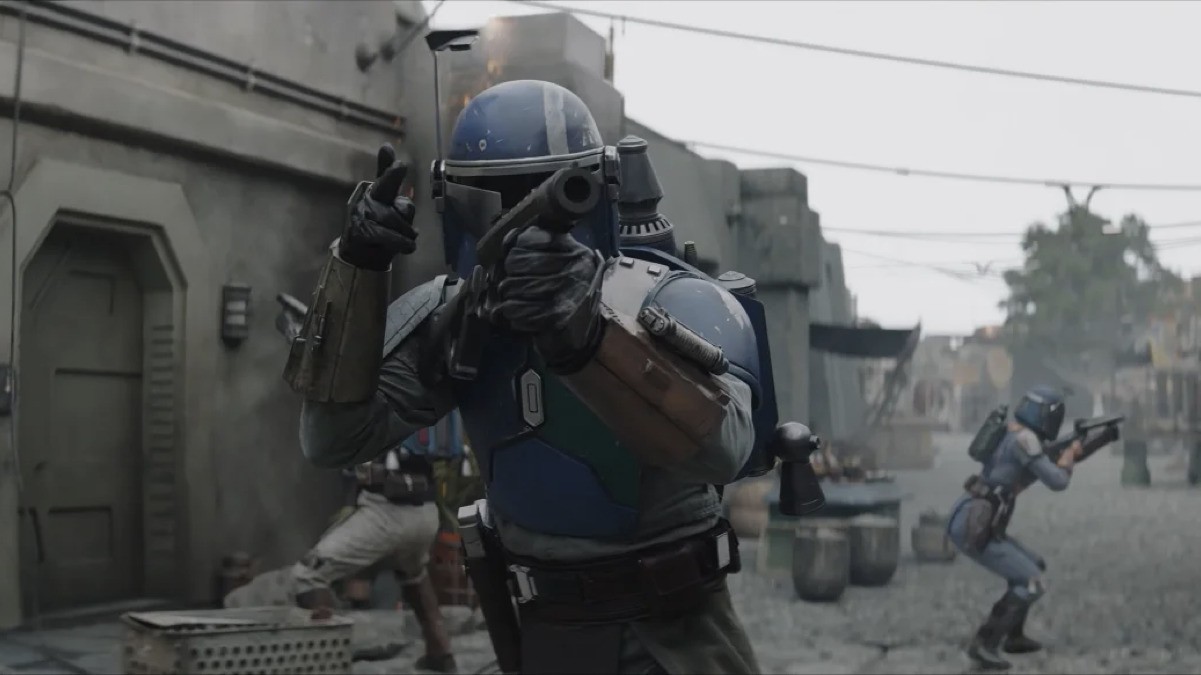
Space pirates, siege of a trading town, uselessness of the state. About these and some other interesting things – in our slightly belated recap of the new episode of 'The Mandalorian'.
After a somewhat filler fourth episode and before the sixth episode, which will apparently open new horizons for us, lies the fifth episode, where the adventurism of old 'Star Wars' combines with the sad frankness of the series: the state won't help anyone, you'll have to defend your freedom yourself.
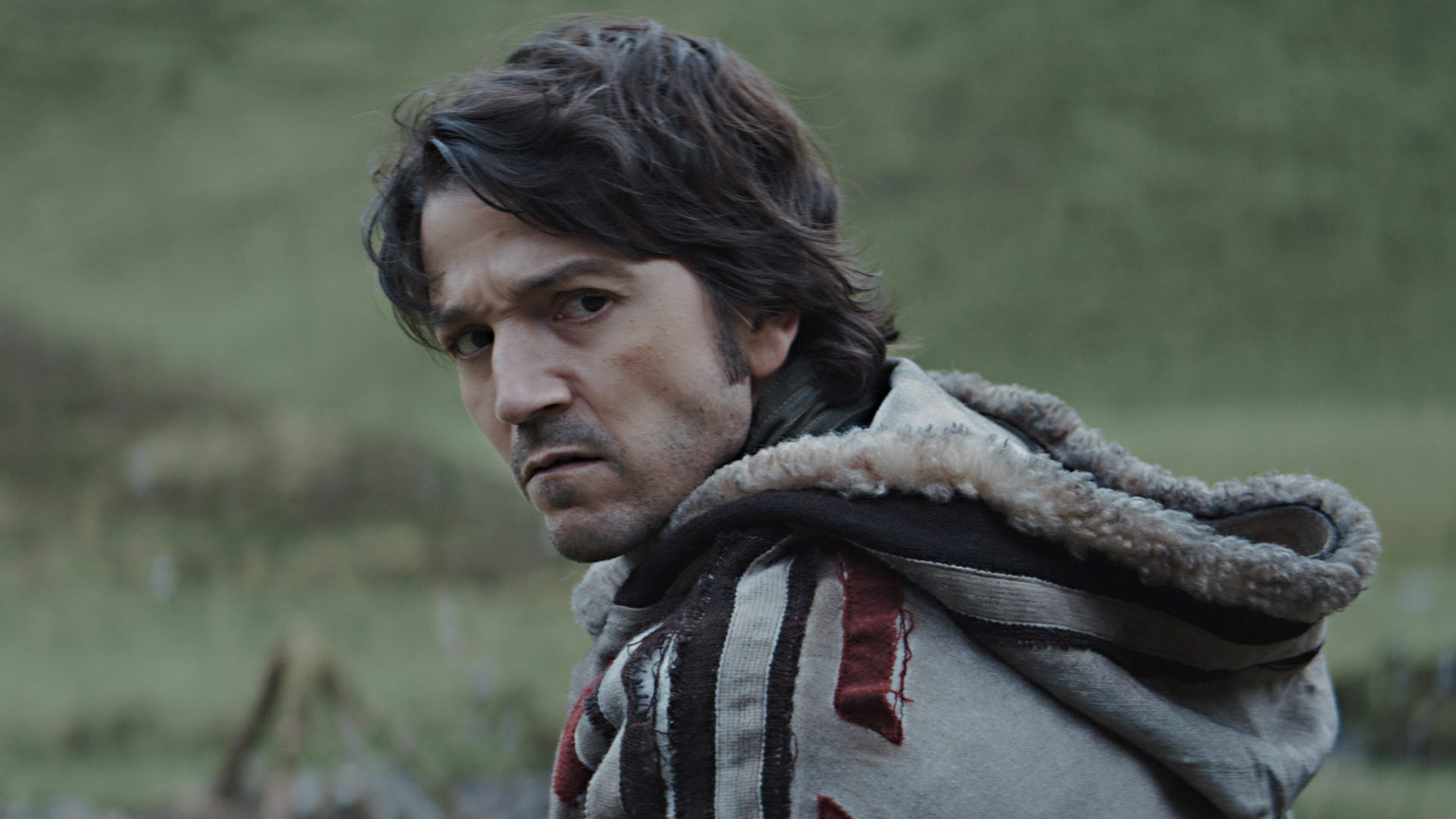
The first season of 'Andor' has ended. We watched this series, beloved by critics and not too popular with viewers, carefully and tell you why it's a great show and the best 'St
Open materialPrevious recaps:

Warning: spoilers for the 5th episode of 'The Mandalorian' below
The fifth episode is dedicated to two parallel storylines: the bureaucracy of the New Republic and the heroism of ordinary people. The pirates, led by King Gorian Shard, who appeared in the first episode and then disappeared, returned and bombed Nevarro. Greef Karga (Carl Weathers) tried to negotiate with the bandits and, with despair in his voice, threatened them that the New Republic would come and restore order, but it was obvious to both him and them: no one would come and no one would help.
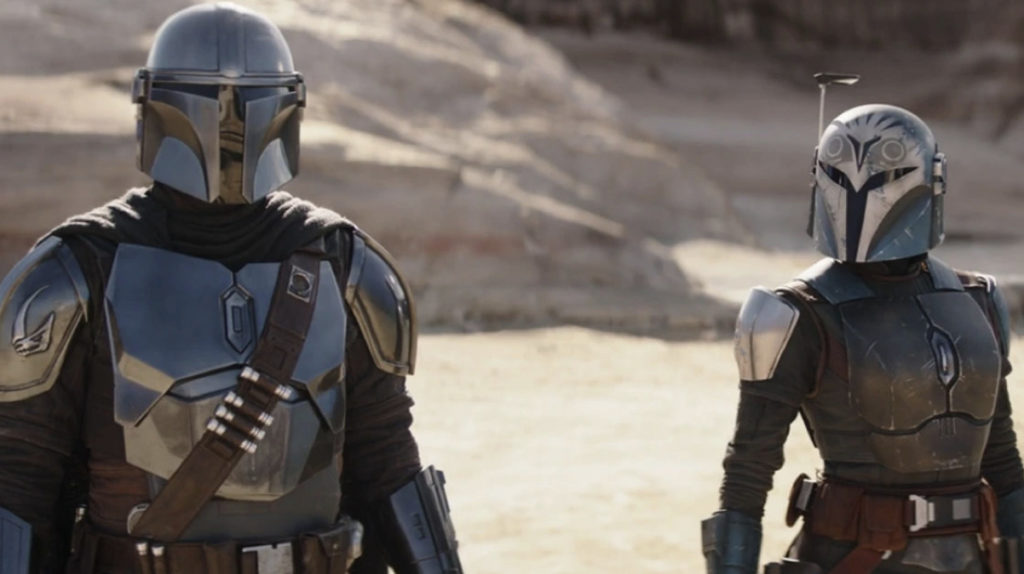
Karga leads his people into the desert and tries to comfort them with the same words: the former rebels won't abandon us in trouble. Not everyone believes. And there is an opinion that the non-believers are right – at the nearby Republic base, Captain Teva (Paul Sun-Hyung Lee from season two) receives Karga's plea for help and wants to fly to the rescue with a squadron, but cannot without permission from central command. He goes to Coruscant, where Colonel Tuttle, a bureaucratic type, tells Teva that there are no personnel, and besides, Nevarro hasn't signed the convention to join the New Republic, so let them survive as they wish.
In the latter thesis, he is especially supported by our acquaintance from (Katy M O'Brian), who, having dealt with Dr. Pershing, received an appointment to the military administration. Teva does not trust the former Imperial employee, and although overall we are for the possibility of a second chance, here he is right as never before.

Forced psychiatry, amnesty for war criminals, ghosts of the past, signs of the future. All this – in the new episode of 'The Mandalorian'.
Open material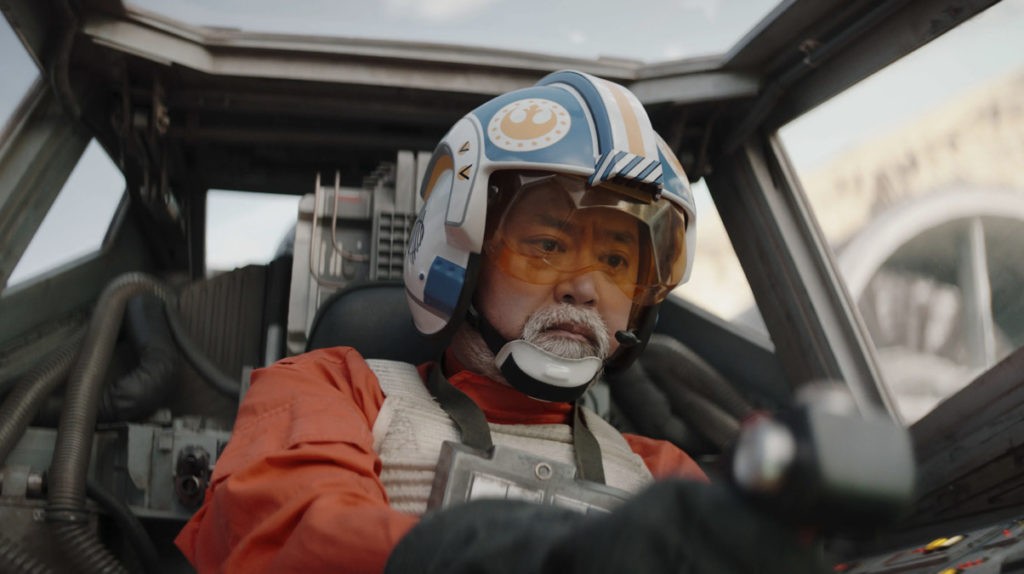
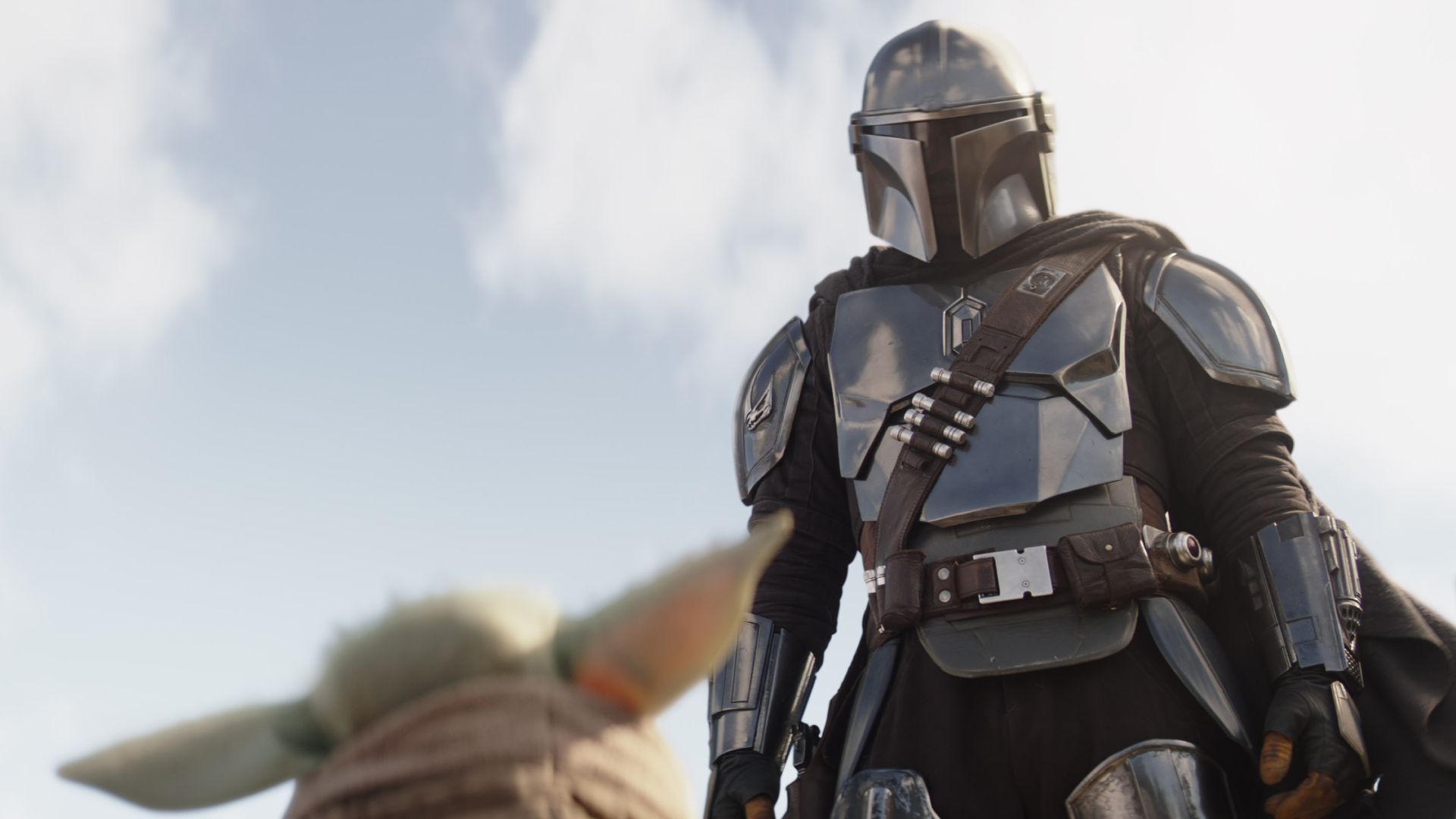
Disillusioned with bureaucracy, Captain Teva turns to another force capable of protecting Nevarro. He finds the Mandalorian camp, navigating (unexpectedly, even a surprise) using data from R5-D4, a hero of the rebellion, as it turns out. The Mandalorians are not happy to see a Republic military officer; Paz Vizsla (typically friendly) tells him to leave, but Din Djarin (Pedro Pascal, who is surprisingly absent for a title role in this episode) agrees to hear the guest out upon learning that it concerns Karga.
Teva appeals to Din's friendly feelings and is right. Already at night, Djarin speaks before his clan (the procedure of public speech itself is interesting – direct democracy) and asks them to help Karga, in whose fight with his people in the first season many Mandalorians died defending Din. Djarin's rhetorical figures (and the promise of a land plot on Nevarro where they can all settle together and build communism) impress, but not everyone, and Vizsla's vote turns out to be decisive.
Vizsla reflects on how many more Mandalorians will die defending others' interests and lives, upholding others' freedom, without ever seeming to get their own. He remembers the fallen, looks at the survivors, and unexpectedly calls for following Din – yes, many will die, and there will be no monuments or eternal glory for them, but isn't that, after all, the Way? After all, being a Mandalorian is clearly not sitting in a cave, prolonging life and delaying old age. In short, there are more than seven samurai this time, and Kurosawa would be proud of Jon Favreau (the plot, needless to say, references 'Seven Samurai', but defending a foreign settlement is a common trope; choose your reference to taste).
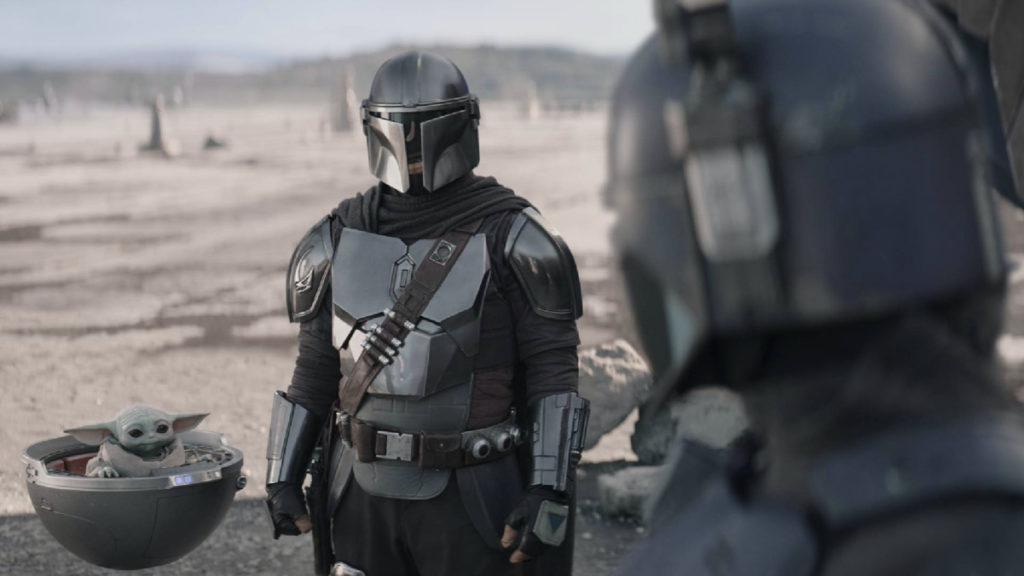
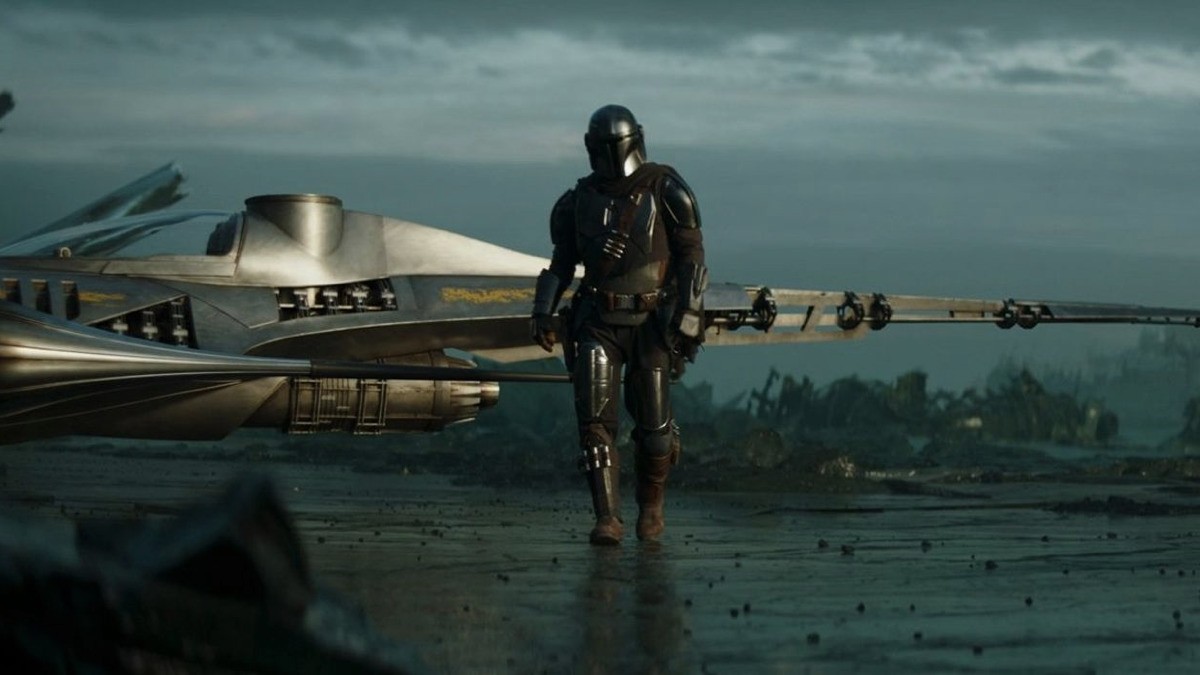
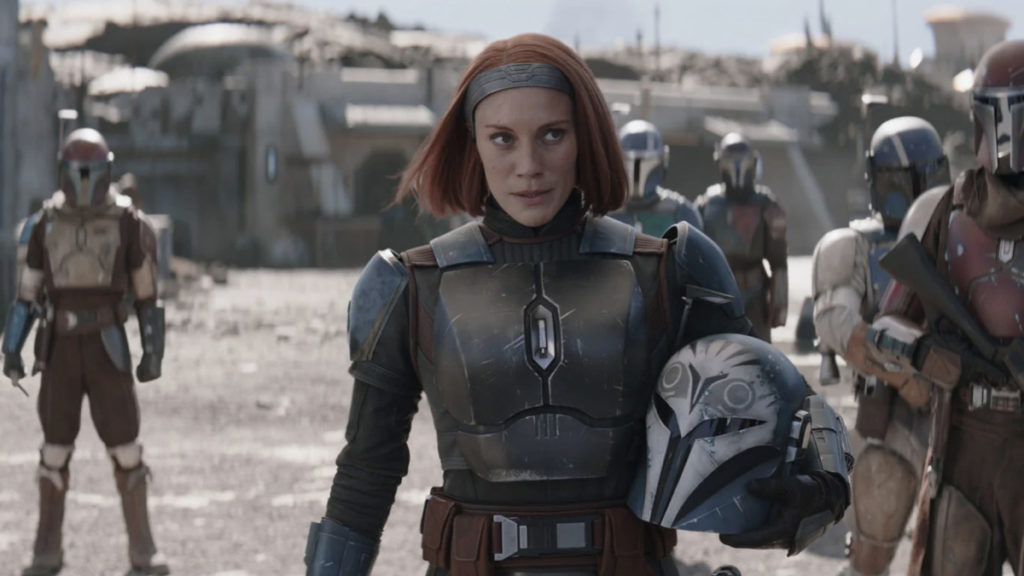
The Mandalorians are skilled and dangerous warriors, but there aren't too many of them, so Bo-Katan (Katee Sackhoff) devises a strategy to fight the superior enemy (and, surprisingly, everyone follows it). According to the plan, two assault teams of Mandalorians drop from Bo-Katan's ship, while Din on his fighter draws the attention of the pirate cruiser and squadron to himself. Once the landing force is deployed, Bo-Katan joins Din, and together they destroy the cruiser while the ground teams clear the city. In principle, that's exactly what happens: Din and Bo-Katan have no problems at all.
The Mandalorians led by Paz Vizsla do have some minor difficulties – a fight in an open space surrounded and under fire from a laser cannon, which, by the way, recalls a similar scene in the great western 'The Wild Bunch' (we highly recommend this film to everyone) – but the fighters emerge more or less intact from all the scrapes, not least because the Armorer arrived in time from the rear and neutralized the artillery with her hammer. Since the episode is dedicated to the superiority of private military and security companies over the regular army (of the New Republic), this scene looks even somewhat ominous.
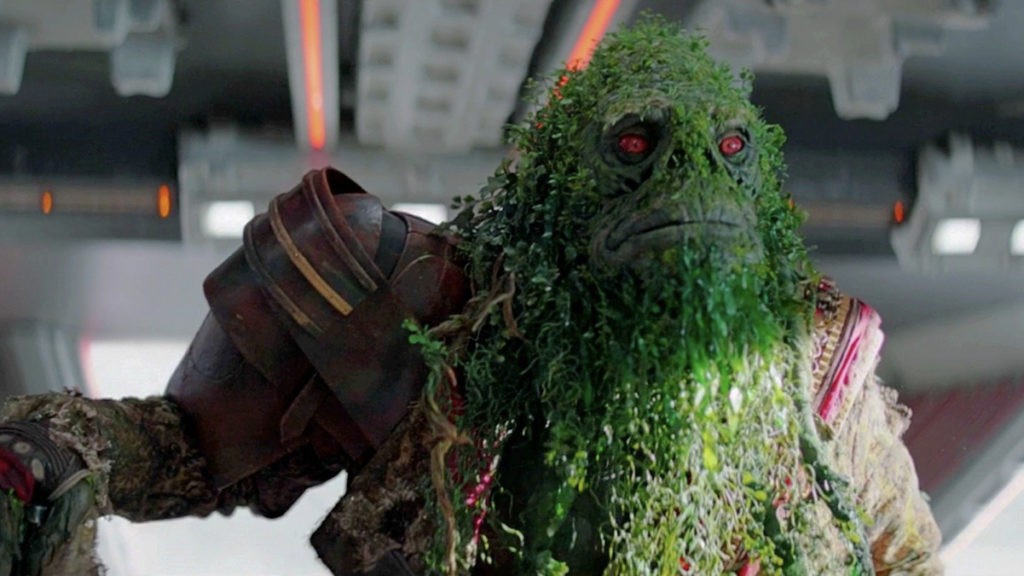
Greef Karga leads the people into the city at the very end of the battle and finishes off the last pirate. In his touching speech, he thanks the Mandalorians and gives them ownership of considerable lands, judging by the faces of the residents. Everyone cheers the heroes of the day. The heroes themselves, however, seem modestly unsure what to do in response to such jubilation.
At the end of the episode, the Armorer summons Bo-Katan and asks her to remove her helmet. Initially refusing, Bo-Katan obeys and receives an interesting task. The Armorer, it seems, has been testing her all this time and, seeing in Bo-Katan a worthy Mandalorian, an experienced warrior, and a good strategist (a recurring motif of the last two episodes), calls on her to go and gather the tribes and clans into which their once great people have fragmented. Bo-Katan is both a princess and a respected warrior; she has authority among those who remove their helmets, but has also earned it in their small sect, and no one is better suited to unite the Mandalorians. But is it possible? Apparently, we'll find out.
The fate of Moff Gideon, whose mentions run through the entire season, remains a mystery. Captain Teva also recalled him, seeing in the pirates' boldness and impunity a sign of a strong shadow organization. The captain believes that Gideon escaped and organized a pirate underground, and the final shots of the season – Teva stumbling upon the wreckage of a Republic shuttle that was transporting the Imperial leader – only confirm this theory. And at the same time, they provide fodder for new ones: beskar is clearly visible at the crash site, meaning Mandalorians are somehow involved.
Impressions
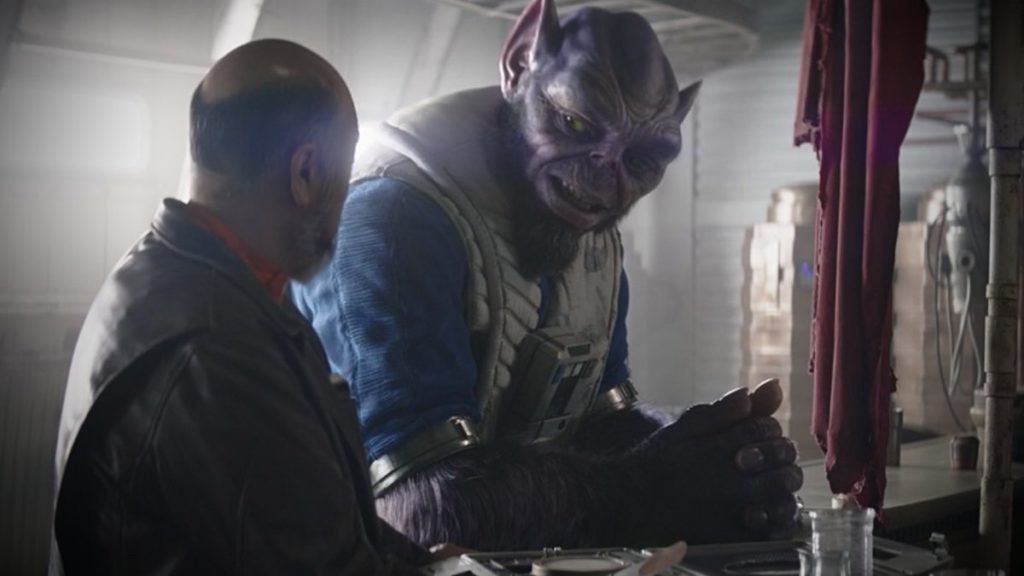
Let's start with the cameo: in this episode, it was unexpected and not obvious, but nice. In the bar with Captain Teva, we were shown Zeb Orrelios, whom, of course, all viewers of the animated series 'Star Wars Rebels' remember. We didn't realize we needed this, but knowing that the former rebel continued to defend freedom in the galaxy is, in its own way, pleasant.
The whole pirate plot, it must be said, is somewhat silly – Gorian Shard remains a strange parody of a villain from 'Pirates of the Caribbean', and his formidable cruiser was destroyed by just two pilots, albeit experienced ones. At the same time, watching the 'Star Wars' universe finally feature interesting shootouts – both pirates and Mandalorians can shoot, unlike stormtroopers – and generally have a blast, is still a great joy. The main plot, meanwhile, has barely moved, and only towards the end.
Now about politics: we mentioned the series 'Andor' at the beginning of the article not just because we want to shout about that show from every corner, but also because 'The Mandalorian' has unexpectedly become similar to it. Yes, the political commentary here is, of course, in a light format, but never before, it seems, has the New Republic appeared so useless, mired in bureaucracy, and essentially a corrupt form of governance.
This is not a reason to support the First Order, but rather a reason to think: does the galaxy need this universality at all? Is it necessary to forcibly unite under one rather flimsy roof planets, peoples, federal subjects – call them what you will – that might be fine separately? The Old Republic fell not only because of Sidious's intrigues, but also because the institutional selection of its officials was built on the principle of 'take the worst from each planet' (see the prequel trilogy and the animated anthology 'Tales of the Jedi'). The Separatists, with whom, recall, the Clone Wars were fought, had their own quite weighty arguments for leaving the Republic (this was detailed in the animated series 'The Clone Wars'), but the large state refused to recognize the planets' right to self-determination.
Then came the Empire, whose borders ended where space ended, and under it, it was bad not only for the poorest but for everyone (about centralization, decay, and the downsides of a totalitarian state, that's exactly what is filmed). But historical experience, as happens, alas, too often, taught no one anything, and here again is the Republic, again centralized bureaucracy, again the state spoils people's lives in the name of the common good.
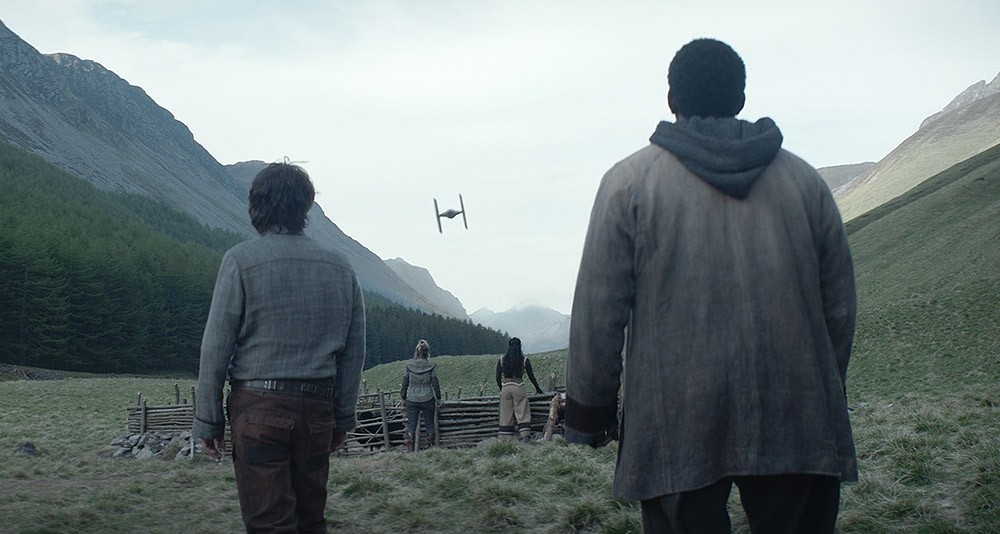
Rebels argue, millennials argue with boomers, ex-cons compare tattoos. And yes, all this is 'Star Wars' and the series 'Andor'.
Open material
Comments
0No comments yet.
Sign in to join the discussion.