
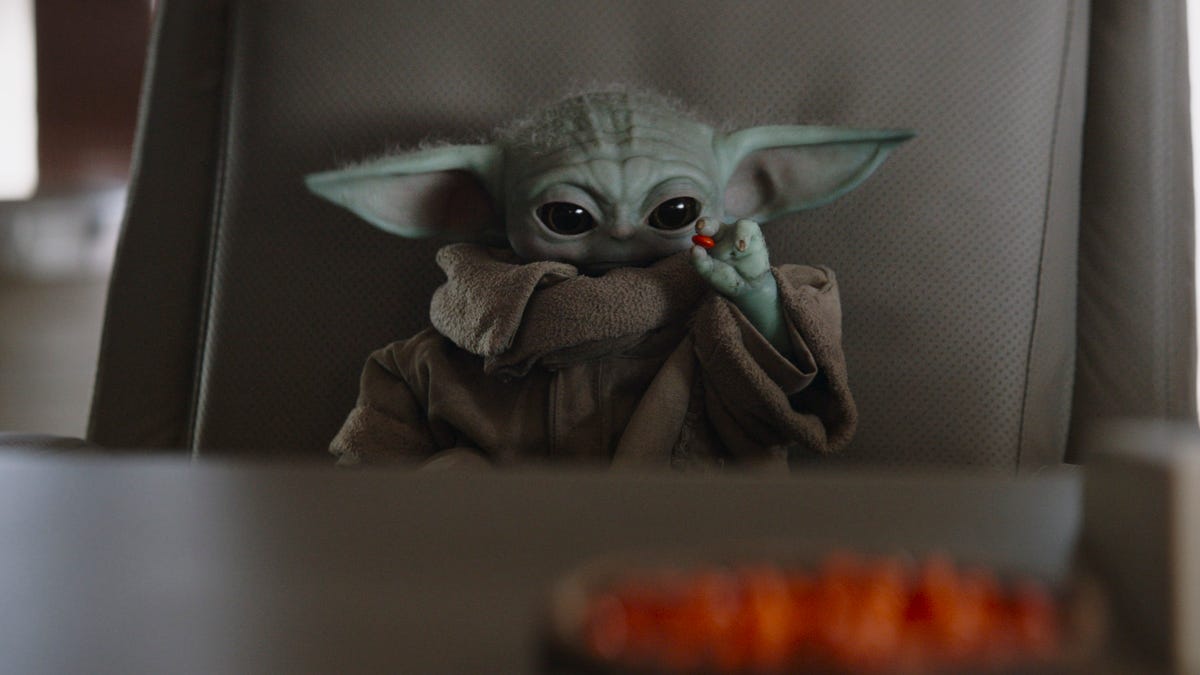
Space pirates, water treatments, Mandalorians vs. a giant alligator – all in the recap of the new episode of The Mandalorian.
Two and a half years later, The Mandalorian has returned to the small screen. The first episode of the new season can hardly be called shocking, but it does what it needs to – it gives the Mandalorian new worries and promises us new joys.
Warning: spoilers ahead for The Mandalorian Season 3, Episode 1
The Mandalorian Armorer melts beskar, forging a small helmet and, it seems, a cup. She steps outside with her colleagues – from a spacious cave to a small hidden beach, where the rest of the clan (surprisingly many) and a dark-haired boy await. One might suspect this boy is a young Din Djarin – the scene feels so much like a flashback. Standing in the water, the boy seems ready for a baptism but begins reciting an ancient oath in a Roman style, repeating after the Armorer (who is also the clan leader).
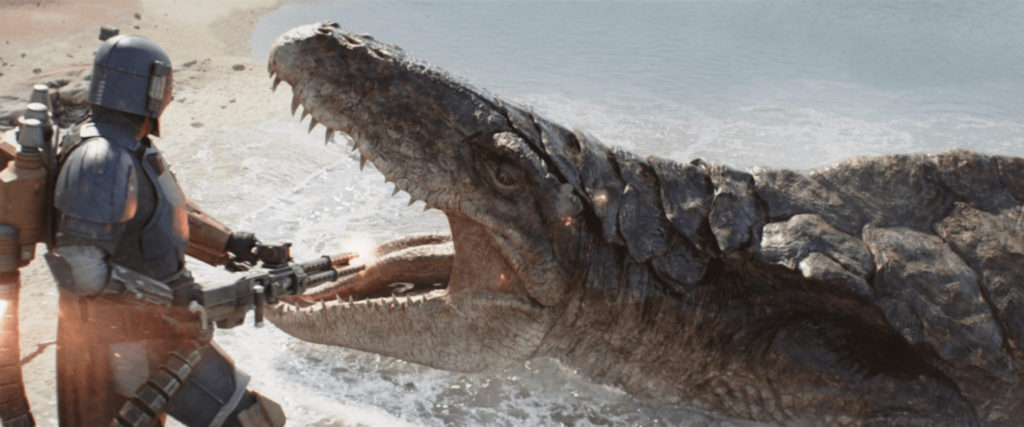
At the worst possible moment, a giant alligator emerges from the water – a mix of Godzilla and the water monster at the entrance to Moria in the first Lord of the Rings. It's too late to avoid disturbing the water, and the Mandalorians, seemingly unfazed, start, as they say, blasting away. A slightly drawn-out but lively (grenades, machine guns, the Armorer with her hammer!) fight with the monster doesn't go entirely in the Mandalorians' favor, but then Din Djarin arrives (so it wasn't a flashback after all, and we were hoping!) and shoots the alligator with the laser cannons of his starship. Once again, battles in Star Wars prove the strategic necessity of air support, and we're generally happy about it.
As it turns out, Din Djarin didn't come just for the fight and not alone, but with Grogu (for those who missed it: in The Book of Boba Fett, Pedro Pascal reunited with the kid, largely due to young Skywalker's pedagogical inadequacy). The Mandalorian's purpose is to find out how he can atone for his transgression against the clan – voluntarily removing his helmet in someone's presence (see Season 2, Episodes 7 and 8).
The Armorer says he must bathe in the sacred waters beneath the sacred mines on the planet Mandalore, but that's impossible because Mandalore is poisoned, the mines are destroyed, and there is no hope. Djarin shows her a stone with inscriptions in a crystal and says there is hope, so he will do it and return to the tribe (the Armorer sounds pleased). The logical chain may not be the most obvious, but the hero's quest for the next few episodes is clear: reach Mandalore and bathe in the underground lake.
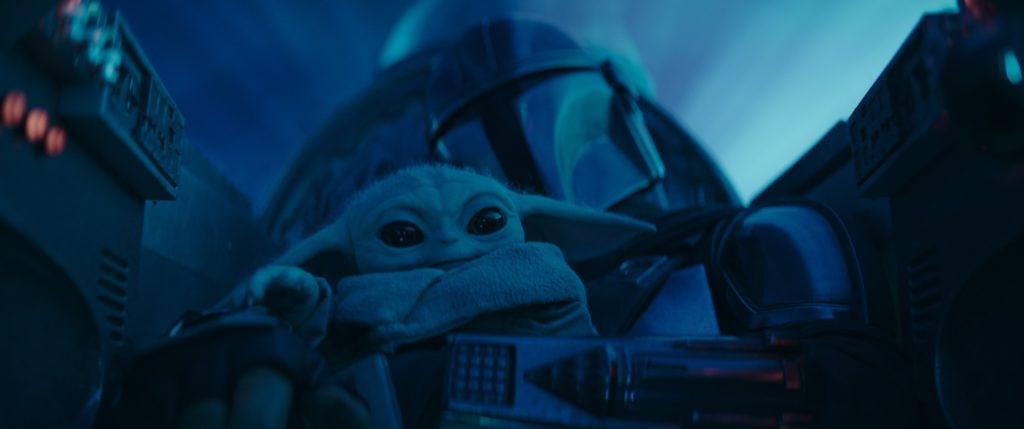
In the next shot, the Mandalorian sleeps in hyperspace while Grogu looks around and notices giant space whales swimming nearby. We've seen them before in Rebels, and since they are tied to the fate of the missing Jedi Ezra Bridger, we'll likely encounter them again in the upcoming Ahsoka, but Grogu sees these creatures for the first time and climbs from his pod into the Mandalorian's arms. Pedro Pascal hugs the kid, and we remember why we watch this show.
Din arrives on the planet Nevarro, where it all began, only to find that its former frontier romance – the cantina, the ruin, the heavily armed bounty hunters – has been replaced by the cozy bustle of a trading town. The Mandalorian and the kid walk down a busy street – with merchants, droids slicing fruit, animals in trees (in this analog of a petting zoo, somehow relatives of Jabba the Hutt's pet) – and stop at a statue of IG-11 (the droid voiced by Taika Waititi who saved everyone in the Season 1 finale, now immortalized in stone).
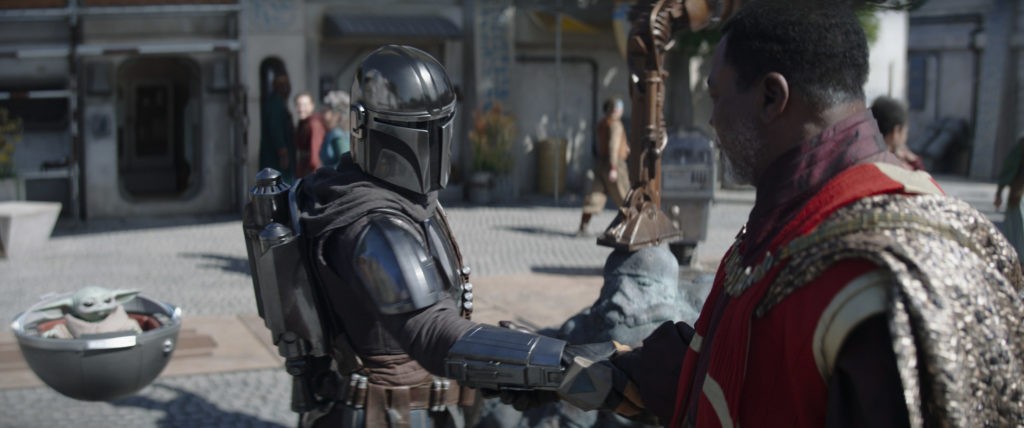
Coming toward Djarin and Grogu is the High Magistrate of Nevarro himself, our old friend Greef Karga (Carl Weathers, a bit grayer but charisma like new), once the head of the local Bounty Hunters' Guild. Under his wise leadership, apparently, this backwater has turned into a thriving town at the crossroads of trade routes, and independent of the New Republic.
Karga is glad to see his old friend and makes him two offers within ten minutes of screen time. The first – to settle down, become a local feudal lord, and live with the kid, putting away his blaster forever (a path the same Pascal's character takes in the neighboring series The Last of Us) – they don't have time to discuss before a droid secretary runs in and reports unrest.
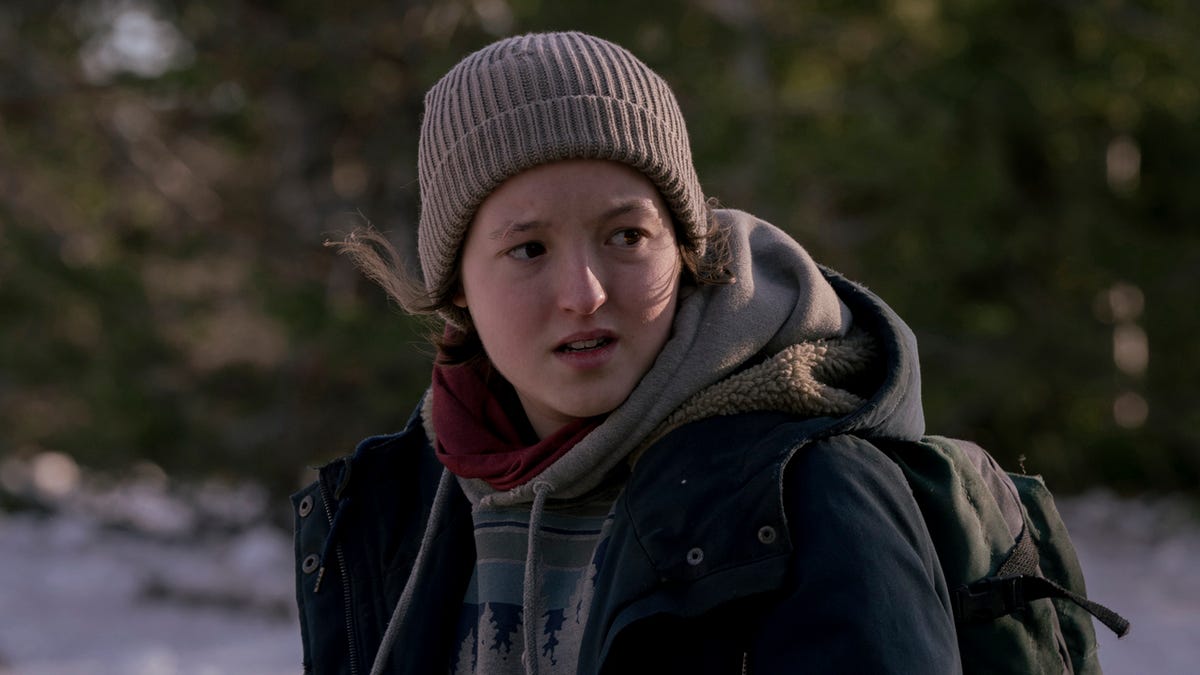
Building communism, snowdrifts, cowboys, sheep on the moon – we recap the sixth episode of The Last of Us.
Open materialStepping outside, Karga and the Mandalorian encounter a band of pirates (space pirates!) who, out of old habit, barge into a school thinking it's a bar. They've come to collect a tax (protection money, obviously) from the magistrate for the pirate king Gorian Shard. Greef Karga shows respect to the pirate king and suggests the outlaws discuss things in his office, but they're clearly in the mood for a good fight and tell the magistrate he's gone soft, reminding him of his past misdeeds (in Season 1, Karga was an antagonist in one episode). But no, Weathers' character is in great shape and disarms the squad leader in a short duel straight out of a classic western. He and Din quickly deal with the rest, letting the leader go to report to his captain.
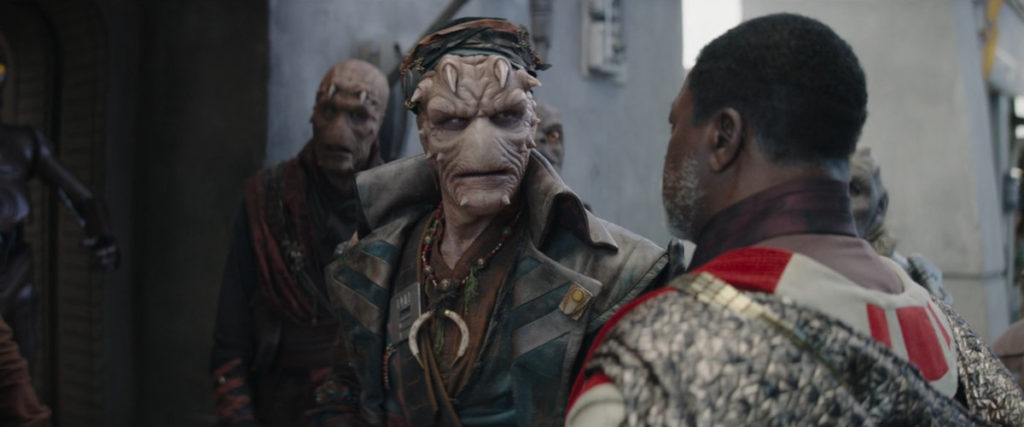
In light of what happened, Karga makes the Mandalorian a second offer: to become the town marshal. Since Cara Dune joined the New Republic (and Moff Gideon, whom she delivered there, went to a war crimes tribunal), the position is vacant, but the town needs a lawman – the pirates clearly won't be dropping by for the last time, and besides. But Pascal's hero didn't come to settle his life (though the offer is tempting, no doubt), but to find a comrade.
The thing is, to survive in the toxic environment of bombed-out Mandalore, Djarin needs a droid, but as we remember, he doesn't like droids, so he decides to resurrect the only one he ever liked – IG-11. However, IG's key parts are now part of his own statue. The monument is dismantled, Din 'revives' the droid, but its protocols are scrambled – it's no longer the nanny it was by the end of Season 1, but the killer it was at the very beginning. After dealing with the aggressive assassin droid chassis (a funny scene), the heroes carry its now even more battered remains to professionals.
The professionals (members of a race familiar to us from The Rise of Skywalker) can fix the droid, but they need a memory card, and they're no longer made for this model. The quest updates, and now the Mandalorian must find a rare part somewhere. He leaves the planet.
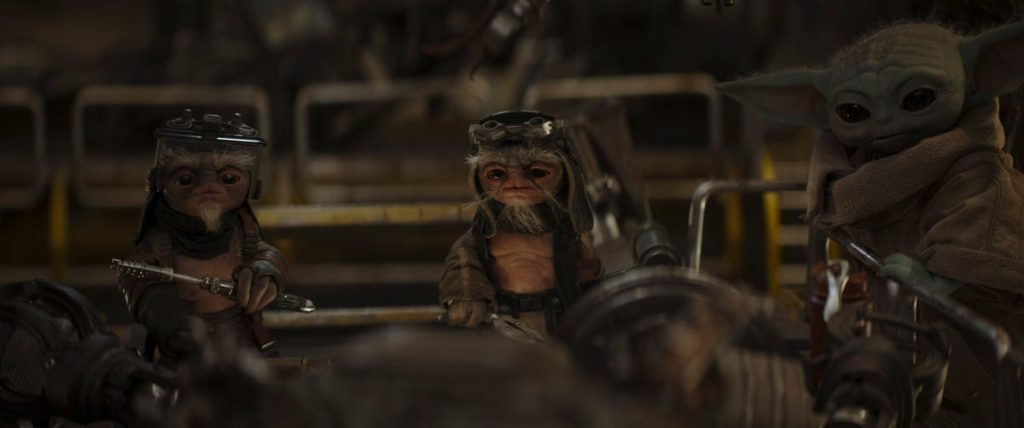
While they're still in orbit, Djarin teaches the kid space navigation, saying that not only weapon skills but also the ability to chart a course through the galaxy is one of the most important Mandalorian skills. This touching father-son moment is interrupted by space pirates seeking revenge. In a beautiful starship duel, Din ends up behind the pirates and shoots them down (reminiscent of Jango Fett's standoff with Obi-Wan in Attack of the Clones, where Fett pulls roughly the same trick), but runs straight into the cruiser of the pirate king Gorian Shard (who looks like a makeup artist from Pirates of the Caribbean was let out of the basement). He offers the Mandalorian to surrender, but our hero tells the kid, 'Never trust a pirate,' and jumps into hyperspace.
Din and Grogu arrive at one of Mandalore's moons and land near an impressive but gloomy castle surrounded by water. The Mandalorian enters an empty throne room, where under stone arches and once-formidable banners sits Bo-Katan Kryze (Katee Sackhoff). Djarin offers his services in conquering Mandalore, but it turns out that after the Darksaber ended up with him instead of Bo-Katan, her vassals abandoned her and scattered across the galaxy, returning to lives as killers and mercenaries. Bo-Katan's crusade ended before it even began.
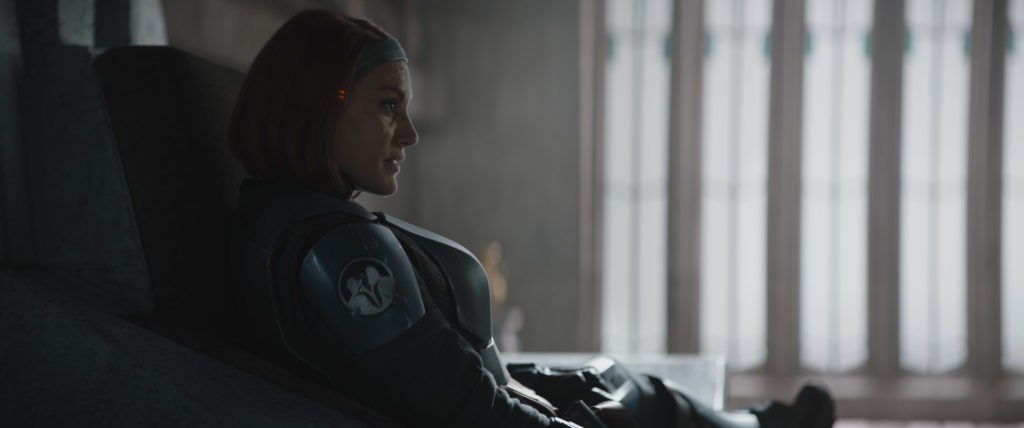
The aristocrat and would-be ruler of the Mandalorian people blames not even Djarin (though his possession of the Darksaber complicated her task) but his clan – the Children of the Watch. She says that such clans – radical extremists, religious fanatics – split their people even in the days of their home planet's prosperity, leading to Mandalore's fall (interestingly, Kryze herself was a member of one such sect – Death Watch. Is she also speaking of her own guilt?). Whether true or not, Djarin seems not to argue. After finding out where the mines and sacred waters are, the Mandalorian leaves, leaving the woman alone.
Impressions
Although this is just a prologue and nothing much happens in the episode, it lays down some obviously key lines for the season: the Mandalorian's attempts to return to the clan; a potential global storyline about the Mandalorian people reclaiming their homeland; and possibly Djarin's confrontation with the pirates. The most gripping storyline is, of course, the second – the tragedy of a people, the processing of historical trauma, Mandalore as a space Israel. In this context, the contrast is intriguing: the thriving trade hub of Nevarro versus the empty castle of hereditary aristocracy on Mandalore's moon. The rise, so to speak, of the third estate and the decline of knight-samurai. Not Seven Samurai (where the main contrast is also between the decline of samurai and the future rise of the village), of course, but there's something to it.
However, the storyline with Djarin and his exile from the clan for removing his helmet is also quite interesting. This story has serious potential depth – the hero's development over the previous two seasons consisted of his moving away from fanatical adherence to traditions, understanding that there are different Mandalorians: Boba Fett, a clone of his father, a man without a clan; and Bo-Katan, a Mandalorian by birth, a leader of her people, but one who calmly removes her helmet.
Will Djarin continue to serve a rather sectarian cult, or will he trade, so to speak, Jehovah's Witnesses for Catholics (and the conflict is roughly the same – between a sect and the mainstream)? Will he follow traditions or seek something new? Will he rethink his life? And does it need rethinking? It's clear that The Mandalorian is not a religious drama, but Star Wars is not always afraid of complex themes (the rise of evil in Revenge of the Sith, totalitarianism and...), and Favreau and company have a chance to show courage too.
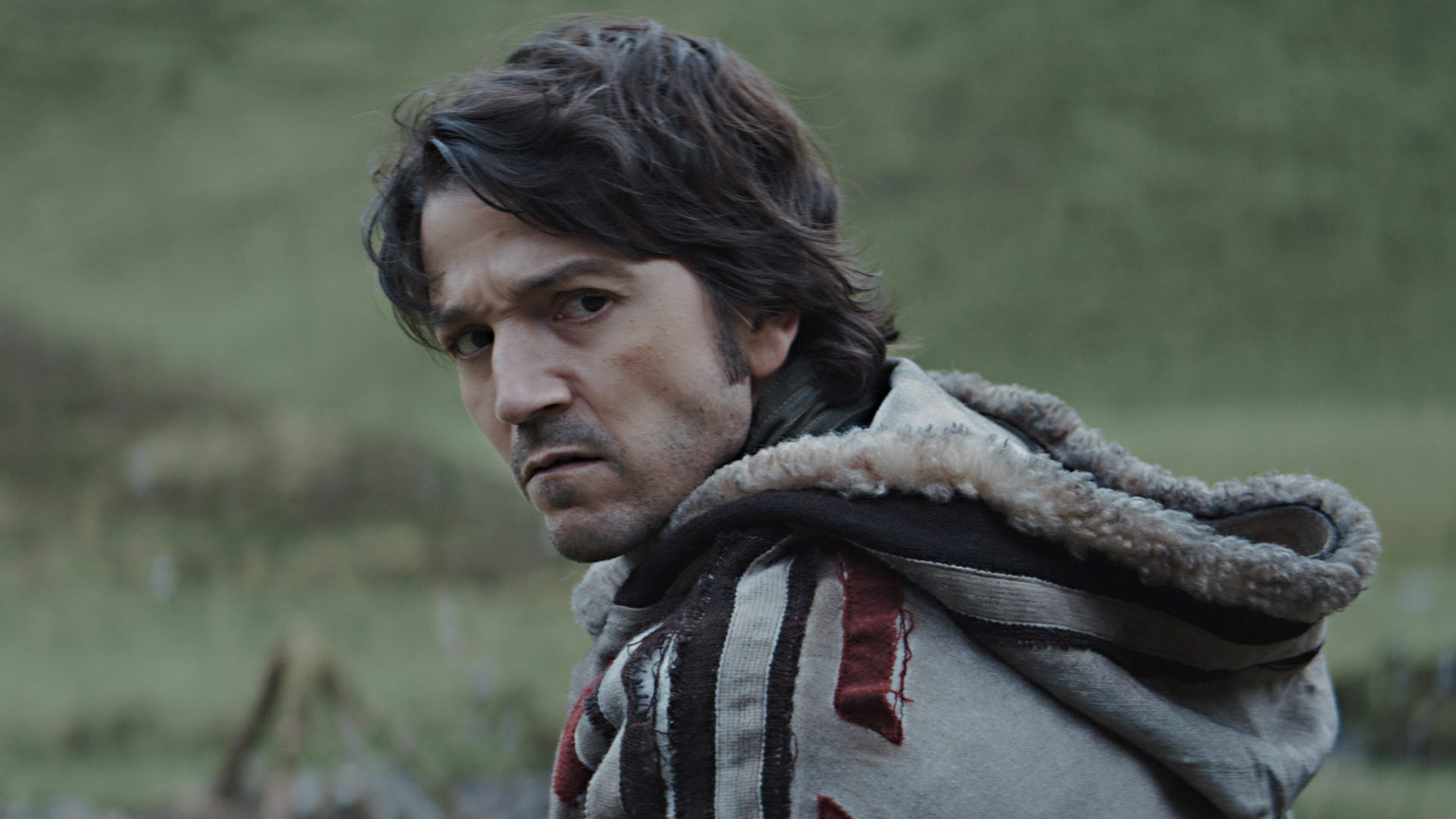
The first season of Andor has ended. We watched this series, beloved by critics and not too popular with viewers, closely and tell you why it's a great show and the best Star
Open materialFrom a genre perspective, it's all the same wonderful entertainment: space pirates, screen legend Carl Weathers, Pedro Pascal's voice, Baby Yoda's ears – in short, part of the recaps will be written with nostalgic tears striking the keyboard.
Comments
0No comments yet.