
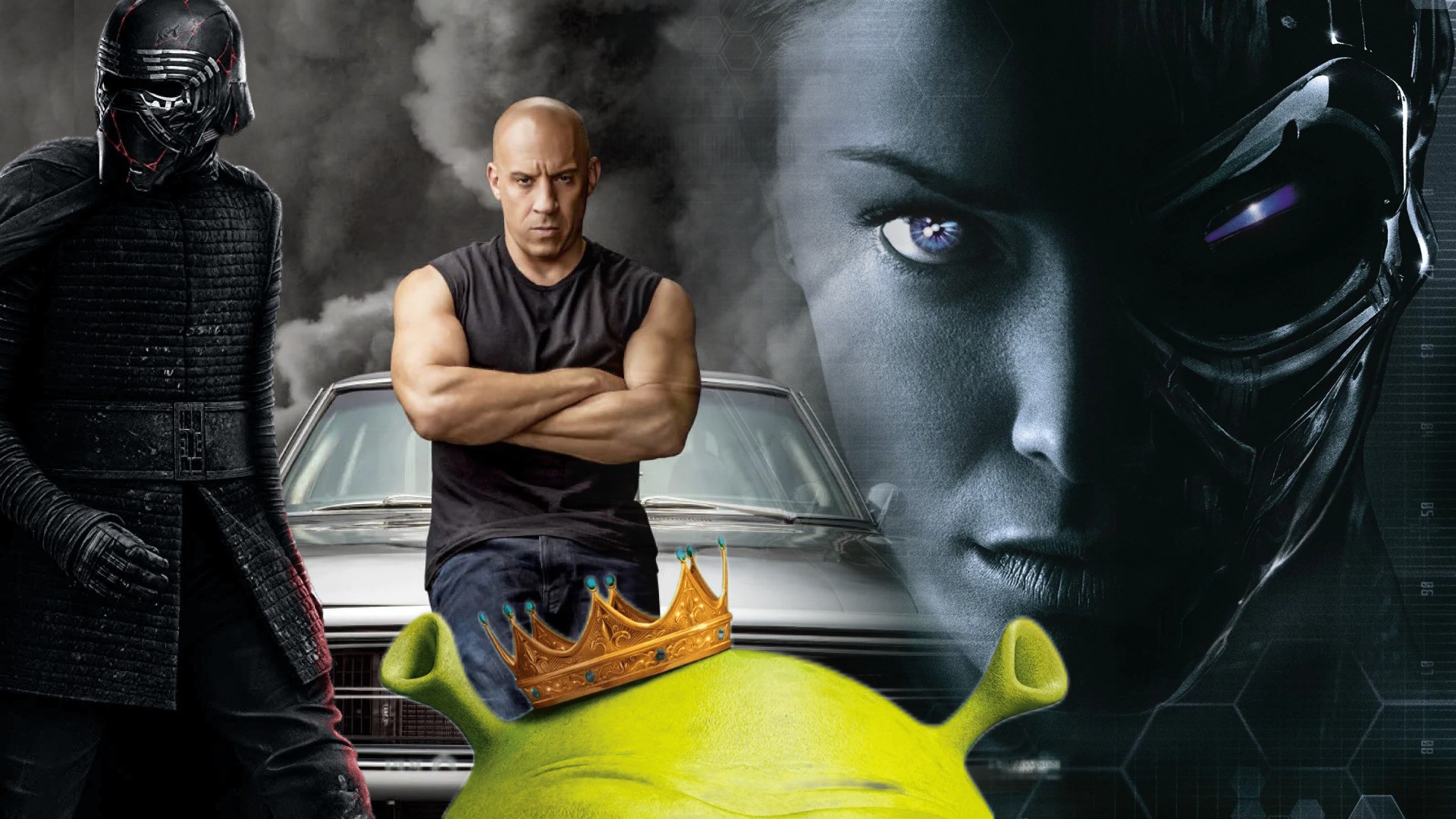
Some films ruined the potential of a franchise, others became the final point in a series – we've gathered for you failed films in well-known and popular movie series.
Failed films in franchises become such for various reasons. Some want to make money off a famous name and don't put in the effort to maintain the standard set by predecessors. Others go overboard with experiments and stray far from what made the originals beloved. In this article, we've gathered 15 examples of how not to make a sequel. Even if it features long-loved characters or a concept that audiences adore.
Indiana Jones and the Kingdom of the Crystal Skull (2008, Indiana Jones franchise)
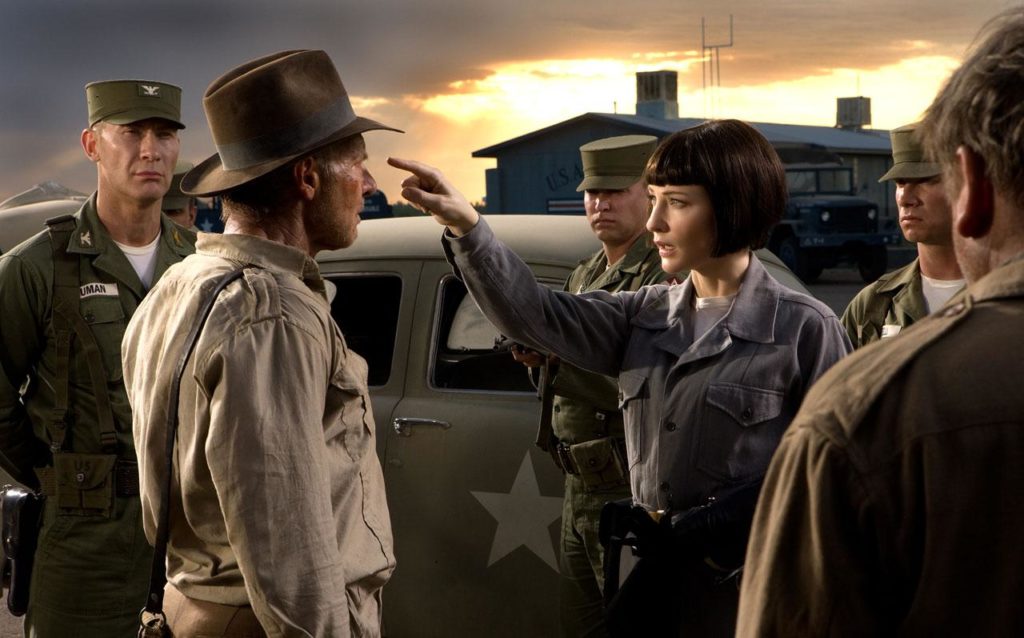
Do you feel that raspy scream rising from your throat: "They destroyed Indy!"? That ridiculous scene of surviving a nuclear explosion in a refrigerator. I was bursting with displeasure at that moment. They took the hero of my childhood, the invincible, ever-grinning-in-the-face-of-death-and-Nazis Dr. Henry Walton (Indiana) Jones Jr., shoved him into a damn steel box, dragged him through the air for a good mile, and dumped him on the ground like a sack of potatoes. To hell with the refrigerator: they shoved him into this terrible sequel, into the same trough as Shia LaBeouf – that neurotic weirdo from "Transformers"!
Then the world's outrage over the fourth installment of the legendary franchise was very vividly, in the spirit of New Hollywood realism, broadcast by Matt Stone and Trey Parker in the 8th episode of the 12th season. The world, however, gave "Crystal Skull" nearly $800 million in box office – as much as the two previous films of the franchise combined. But the aftertaste remained. Why?
Indy got old, Indy gained weight, his ironic snark turned into pensioner grumbling. The Nazis were replaced by "evil Russians," Soviet soldiers led by Cate Blanchett with a melancholy hairstyle and, for some reason, a rapier. And in place of Short Round came the perpetually nervous Shia LaBeouf. Well, you get it.
Chases, shootouts, effectively unrealistic fights, and the Terrible Mystery with the Artifact remained in place. As did the ending, on which the heroes' actions throughout the film have no impact. Indy again defeats enemies, finds old love and new responsibilities. The institute again gets no antiquities.
I look back and really try to remember what made the fourth installment of the archaeologist-adventurer's adventures so infuriating. And it seems I can't. The film is almost no different from its predecessors – not better, not worse (except perhaps the first part, which, simply by birthright, no sequel can surpass). It seems the irritation was something else – nostalgia played a cruel joke, and the Crystal Skull inadvertently showed us a not-so-rosy future. As a certain good fellow (though a pirate) said: "The world remained the same. It's we who have shrunk."
Terminator 3: Rise of the Machines (2003, Terminator franchise)
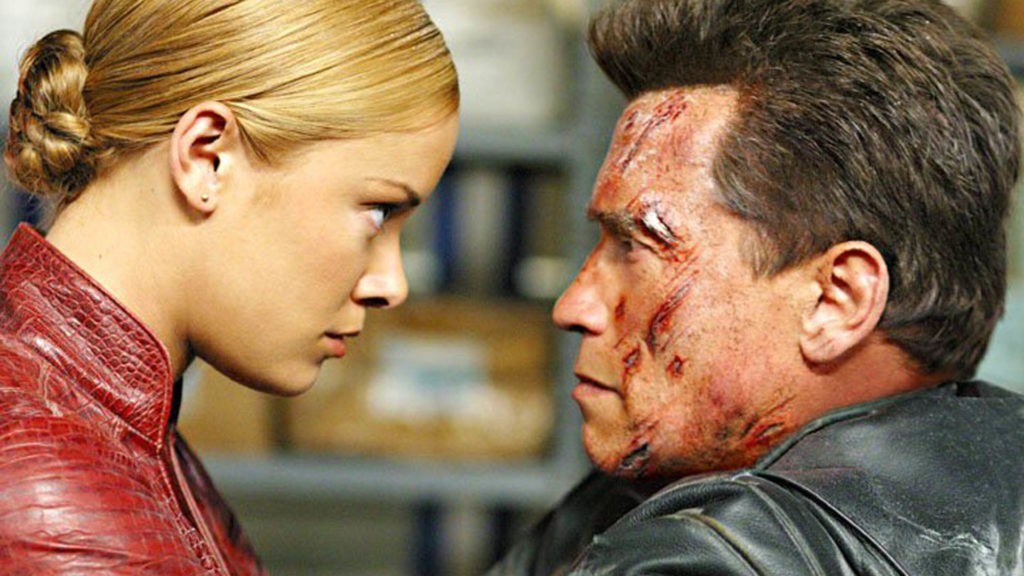
Sarah Connor in the Terminator sequel said that we make our own destiny. The producers of "Terminator 3" disagreed and said: "We want money."
"Terminator 3" is not the worst film in the franchise. And the movie itself is not bad overall, if you remove references to Terminator, fate, and such. It would have been a decent action movie about time travel and evil robots. But belonging to the franchise imposes obligations, which cause "Terminator 3" to collapse like a house of cards. All the morality and dilemma of the previous two parts were destroyed by a bad script and the desire to milk the franchise. After this film, there was only a small glimmer of hope in the form of the fourth film, but the fifth and sixth parts ruined everything.
Perhaps no sequels were needed at all. "Terminator 2" is still one of the best action movies in the world, and it's unlikely that James Cameron himself can top it, even if he takes on a new installment. But we probably won't find out. Although anything is possible, because we make our own destiny.
A Good Day to Die Hard (2013, Die Hard franchise)
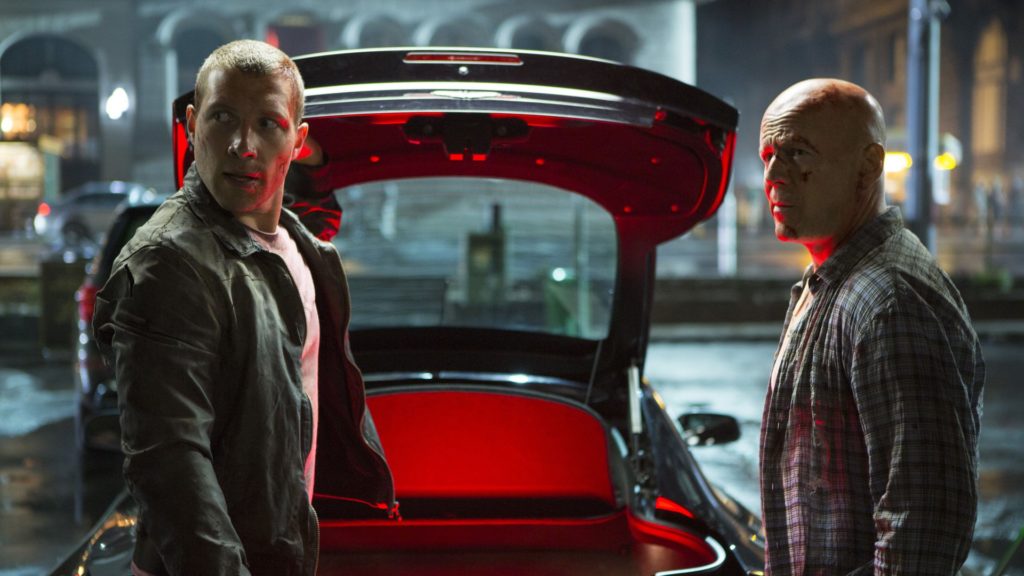
The brainchild of John McTiernan had changed several directors since 1988, even McTiernan himself returned to the franchise, masterfully directing the third "Die Hard." But his example did not resonate with successors. And while "Live Free or Die Hard" turned out more or less decent due to immersing the old-school cop McClane into the new world of cybercrime, the fifth part was outright bad.
A weak script, hurricane action that masked sluggish direction, an inappropriate level of pomposity instead of McClane's hungover, gloomy sarcasm, and Bruce Willis, who reluctantly returned to the role, literally buried the franchise. The film's title – "A Good Day to Die Hard" – turned out to be frighteningly prophetic.
Shrek the Third (2007, Shrek franchise)
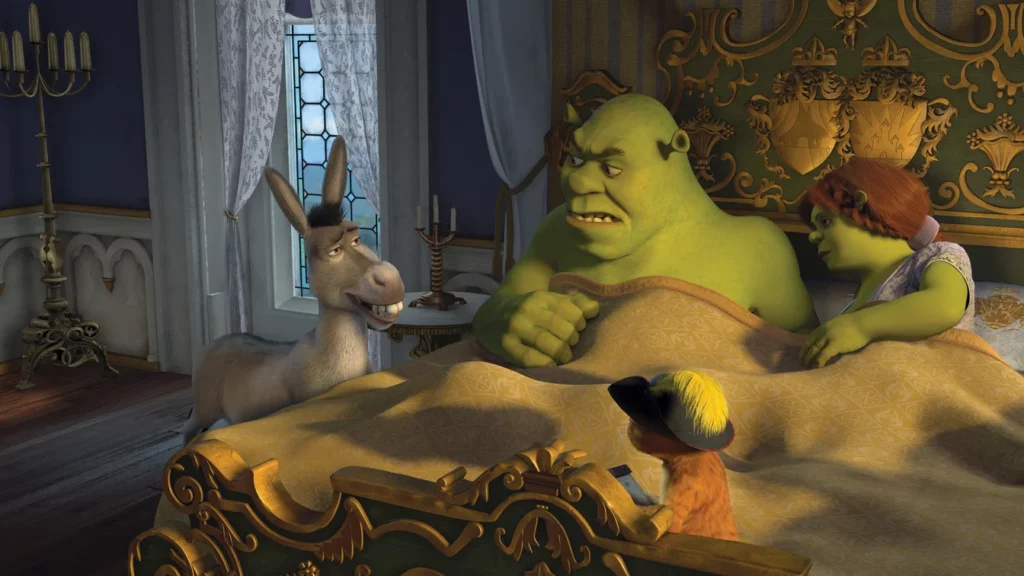
To say that "Shrek" changed the game among animation studios is an understatement. All big conglomerates tried to make their own "Shrek," and few succeeded. The deconstruction of fairy tales, which appeared at the very end of the Disney Renaissance, drove the last nail into the coffin of traditional animated stories. Moreover, many (including some authors of the "After Credits" editorial team) can confidently say that "Shrek 2" in many ways even surpasses the original, offering an interesting moral conflict that has rarely been adapted at all.
That's why "Shrek the Third," which seems to have confused the characters' personalities and buried the image of Prince Charming, is so disappointing. The jokes become flat and uninteresting, Shrek seems replaced, and his relationship with Fiona is given no attention whatsoever. Yes, the animation gets better with each film, but somehow it turned into a deconstruction for the sake of deconstruction – and that has never led to anything good.
Against the backdrop of "Shrek the Third," all the sequels, spin-offs, and short films seem like masterpieces, which slightly diminishes the value of the second film. And that's just... a sad end to a beautiful story.
The Conjuring: The Devil Made Me Do It (2021, The Conjuring franchise)
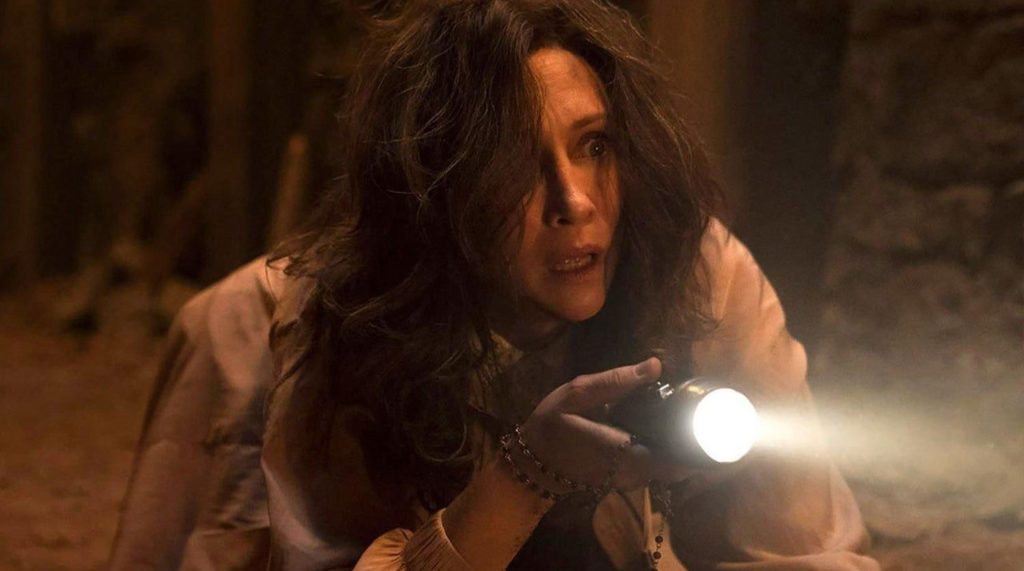
James Wan released "The Conjuring" in 2013 and immediately doomed the film to a sequel: today, the Conjuring universe includes eight films — the original, sequels, spin-offs, prequels to spin-offs, just prequels — their total box office has exceeded $2 billion. However, despite box office success, the horror franchise went off track back in 2018, right after "The Nun," but while spin-offs can be forgiven for plot foolishness, a direct sequel cannot.
"The Conjuring: The Devil Made Me Do It" was released in 2021 by young director Michael Chaves, and it seems his goal was to make a faceless sequel. Don't contradict the producers, don't show individuality, use as many worn-out, albeit tried-and-tested, clichés as possible — done. The jump scares don't scare, the darkness doesn't captivate, the exorcism looks ridiculous and derivative… Remember the legendary ghosts from the earlier films of the cinematic universe. Remember? Ha, in the new "Conjuring" there are no ghosts at all. The concept of "the worst enemy is man" doesn't work here either. It turned out to be some kind of undercooked hybrid. It's a shame.
Pirates of the Caribbean: Dead Men Tell No Tales (2017, Pirates of the Caribbean franchise)
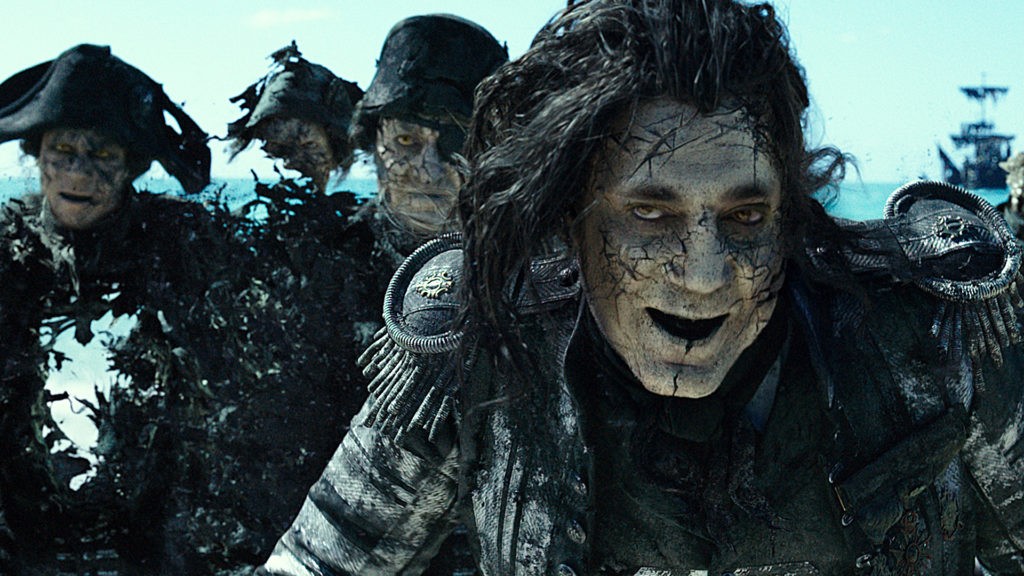
Blatant parasitism on the franchise's popularity led the "Pirates" into the harbor of Plot Holes and Absurdity. Gore Verbinski's trilogy told a magnificent story with vivid characters, but after that, no one managed to look beyond the world's end, so it first drifted to On Stranger Tides, and then the fairy tale ended.
The image of [Captain] Jack Sparrow undoubtedly made audiences fall in love, but without a good script, exploiting him is a dubious idea. And while the fourth part still had a faint whiff of piracy, "Dead Men" ran out of steam and smell of decay. Actors tired of their roles, meaningless return of "old" characters, self-repetition, weak plot. Not even Jack the monkey can carry that.
Step Up: Year of the Dance (2019, Step Up franchise)
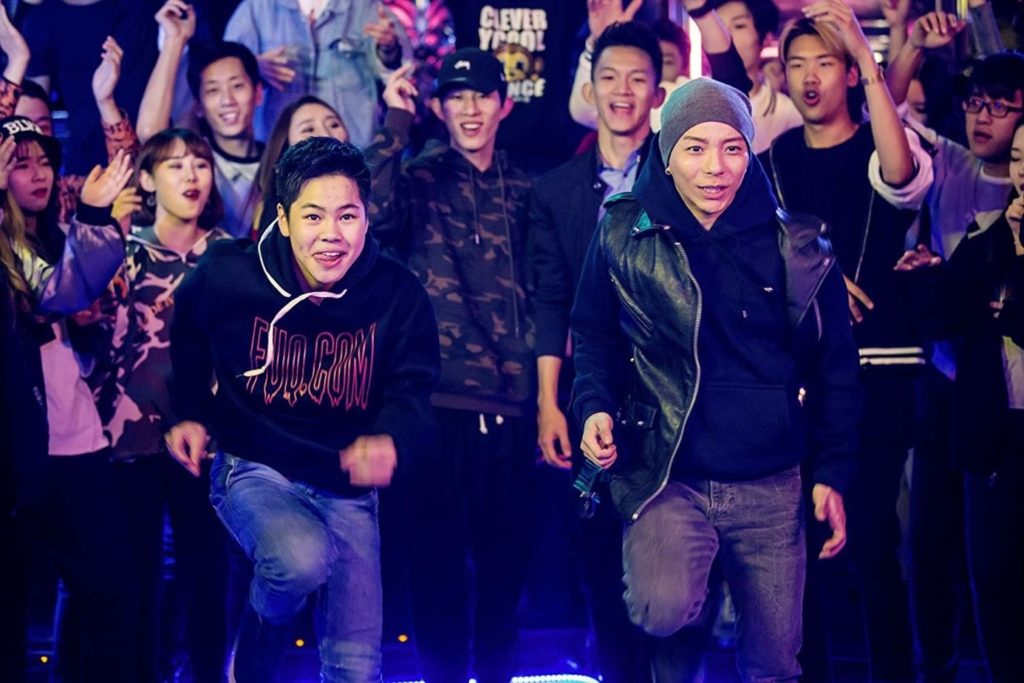
The dance franchise started in 2006 as a film about finding one's place in life, a way of self-expression through art, as a rebellion against existing norms. It was also a statement about problems in American society. The second film partially continued the tradition, but starting from the third, the focus completely shifted to dance as the art of movement and a means of self-expression.
With each new film, the picture became more colorful: choreography and mise-en-scène became more complex, technical tricks and the scale of dance scenes increased. But the plot simplified, eventually reaching a banal confrontation between dance as business (with competition and battles) vs. dance as art. But due to impressive numbers and charismatic characters, the franchise was forgiven a lot. Until the sixth film came out.
"Step Up" in spirit is more of an American franchise (not only because everything happens in the USA). It is dominated by the drive and freedom of street dance (i.e., a mix of R&B, breakdance, and other hip-hop styles that became popular worldwide thanks to America), rebelliousness and protest against traditions, which are largely characteristic of the US mentality. That's why audiences loved this franchise. But none of this is felt in the 6th part, which was moved to China — a completely different reality in spirit and culture.
New Asian heroes, different energy and music, and as a result, this film feels like a changeling, alien and foreign. Bonus: not very strong choreography, dances without scope, and the plot (although it tries to talk about the problems of Chinese society and dance as business) is crumpled and flounders somewhere in the background. The best solution here would have been not to cling to the "Step Up" brand, but to create a separate film, using the advantages of Asian culture and fresh faces of actors.
The Final Destination (2009, Final Destination franchise)
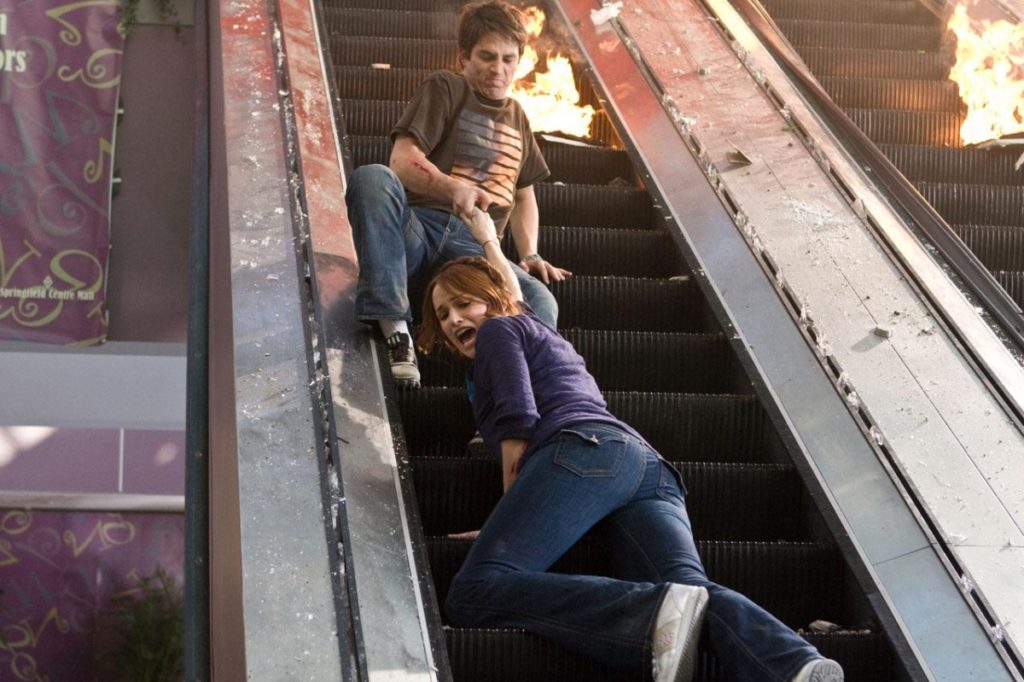
"Final Destination" is a horror franchise where there isn't much blood, but the chills run from the first minute to the last. The concept that you can't escape death makes you jump at every rustle after each film, and sometimes it becomes scary even to enter the bathroom.
But after the bright and memorable third part, something clearly went wrong. It was around this time that every film was trying to try itself in 3D format. Horror movies especially wanted to excel at this. Just imagine: something breaks, pierces bodies, splashes of blood, and you are at the epicenter of it all!
Yes, it's exciting, but for the sake of such an attraction, the creators began to forget about the plot. After all, it was the logical chains of deaths, its unexpected presence that made the trilogy so attractive. Instead, more trash, more blood, and a desire to just forget everything seen as soon as possible.
Ice Age: Adventures of Buck Wild (2022, Ice Age franchise)
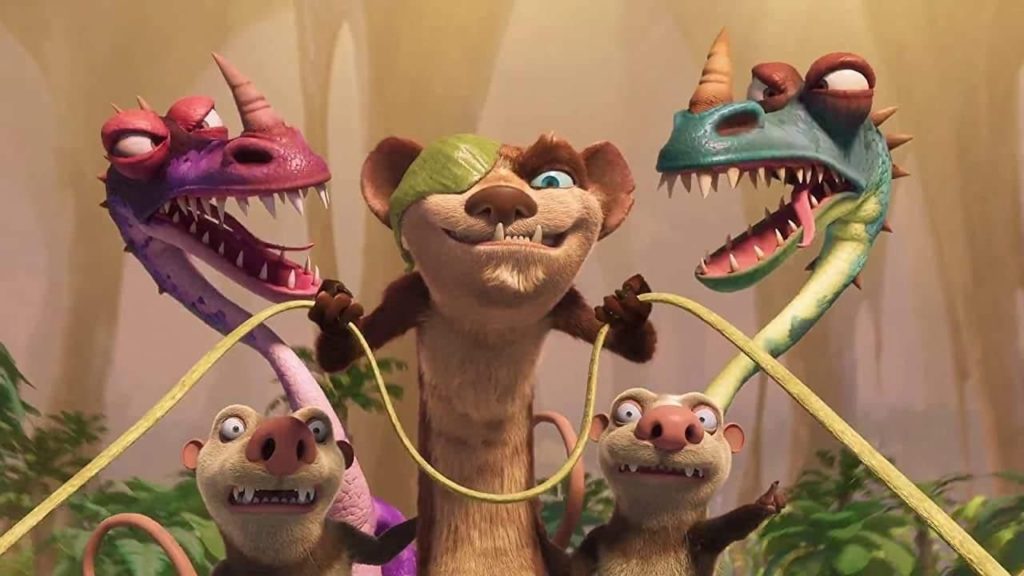
When talking about an unsuccessful continuation of an animated hit, the first thing that comes to mind is last year's "Ice Age: Adventures of Buck Wild." The plot centers on possums Crash and Eddie, who decide to run away from mammoth Ellie and start an independent life. Difficulties arise immediately: having fallen into the Lost World, the animals meet a smart dinosaur Orson, who wants to capture the underground kingdom.
The main argument against the new "Ice Age" is that the beloved characters are practically not involved in the plot. Manny, Sid, Diego wander through the film searching for the pair, and Scrat doesn't appear at all. One can also note the superficial development of new heroes: dinosaur Orson dreams of ruling the world because the strong should dominate the weak, and Buck's girlfriend Zee decides to get involved in an adventure because she can't let go of the loss of loved ones. The comedic part also suffers. Many jokes, aimed more at a young audience, are repeated multiple times, quickly becoming tiresome.
Jason Goes to Hell: The Final Friday (1993, Friday the 13th franchise)
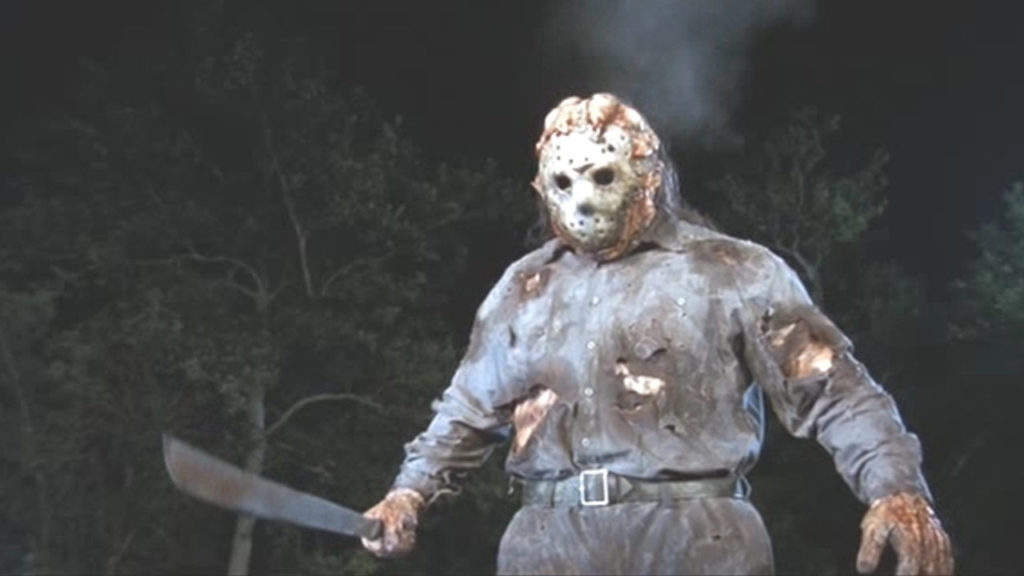
Overall, this is one of the worst films in history. It is objectively quite monstrous both in terms of storytelling and handling of the character Jason, and even in terms of adhering to the slasher canon, which the film at some point completely ceases to resemble, and the franchise canon (some of the most important rules are casually violated).
At the same time, if you have a heart and it beats, so to speak, to the rhythm of Jason's machete strikes – it's impossible not to fall in love with this terrible film. It's Southern Gothic shot in a northern state; a teen slasher with no teens, but featuring a bounty hunter and demon pregnancy, and Jason himself is only needed to awaken old grievances in the residents of a slowly dying town – and once-friendly people are already shooting each other with shotguns. Behind all this, improbably, lies the Necronomicon book. And if you're thinking of Lovecraft – forget it, it's more reminiscent of Mikhail Elizarov.
And perhaps the creepiest thing about this film is that despite the title, it is by no means the last "Friday" – there will be "Jason X" later, and for reasons unknown to anyone, the history of cinema did not end with it.
Jurassic World Dominion (2022, Jurassic Park franchise)
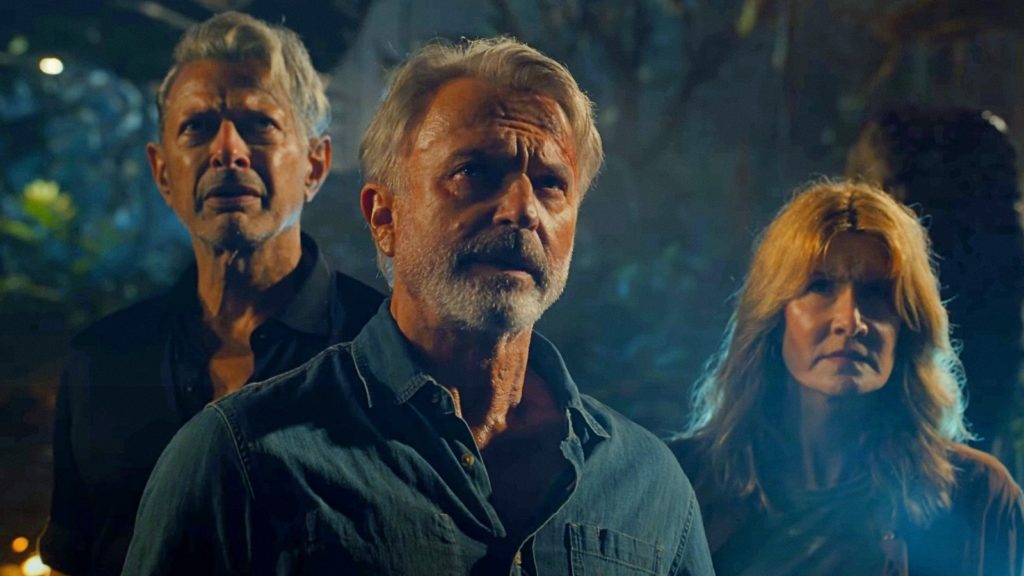
The "Jurassic Park" cinematic universe was famous for resurrected dinosaurs, scientific-ethical dilemmas, and risky adventures of charismatic scientists in the jungle. Revived in 2015 under the name "Jurassic World," the franchise took Steven Spielberg's ideas to a new level: first on an island scale, then on a continental scale. And everyone expected that in 2022, the third part of "World" would be able to properly put an end to the story that began back in 1993. But a miracle did not happen.
Colin Trevorrow managed to forget about exposition, completely changed the rules of the game with dinosaurs, leaving us with questions without answers. The characters change locations so often that by the middle of the film you simply stop trying to figure out the plot inconsistencies due to the oversaturation of locations. Not to mention that dinosaurs were turned almost into a nation, allocated a territory to live (but forgetting about evolutionary laws, adaptation problems, and animal instincts). At the same time, surprisingly, the scaly ones are more like furniture here, they have no value for the plot, and for the heroes they are like "annoying flies" on the way.
And one of the main disappointments that is hard to forgive was the mediocre return of Sam Neill, Laura Dern, and Jeff Goldblum. Trevorrow wanted to play on nostalgia, but ended up ruining both the "old-timers" and the new characters of Chris Pratt and Bryce Dallas Howard. As a result, only the word remains from sci-fi, from dinosaurs – graphics instead of impressive robotic puppets, adventures turned into an incomprehensible mess, and the characters were made hysterical and stupid. And yet, we used to criticize the third part of "Park," which now looks much more solid.
Star Wars: The Rise of Skywalker (2019, Star Wars franchise)
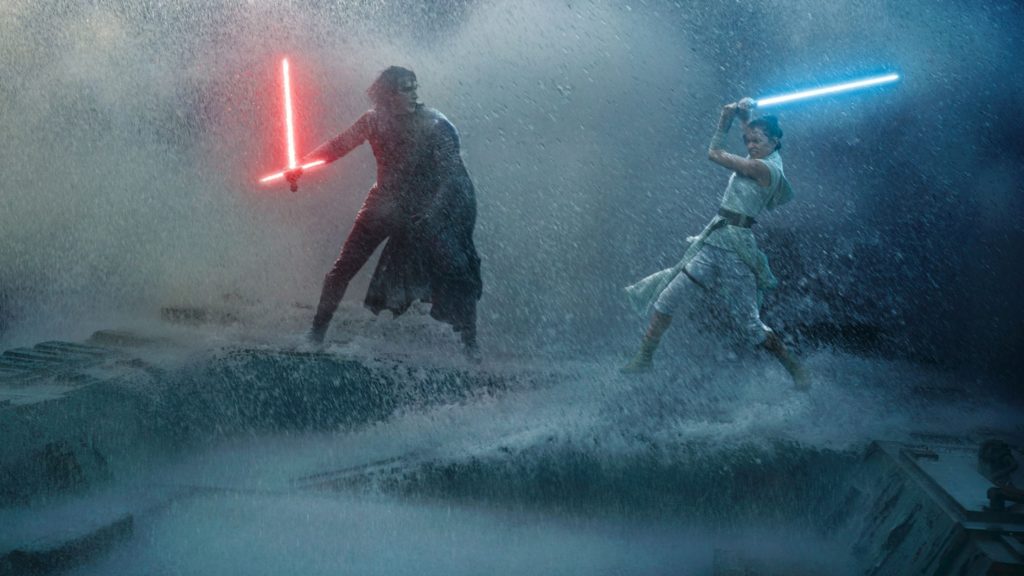
The path of "Star Wars" became thorny as early as the prequel trilogy, but the sequel trilogy surpassed them by a parsec, or even two. First, audiences were given a remake of "A New Hope" with a Mary Sue in the lead role, then Rian Johnson was given a chance, but all his ideas were ruined due to fan service, leading not to a "Rise" but to a "Fall." The resurrected Palpatine, the terrible twist with Rey's lineage, and a lot of cringe. Perhaps that is the way.
The expression about three sons, where the third is a fool, fits "Star Wars" perfectly. Among the trilogies, the fool is the sequels, and within them, it's "The Rise of Skywalker." New characters were disliked by many from the start, and old ones were killed off one per film, making it clear that in a galaxy far, far away on the big screen, there are big problems. Well, it's gratifying that in the serial segment, things are more or less good now. We hope that one day there will be a new rise in theaters as well.
V/H/S: Viral (2014, V/H/S franchise)
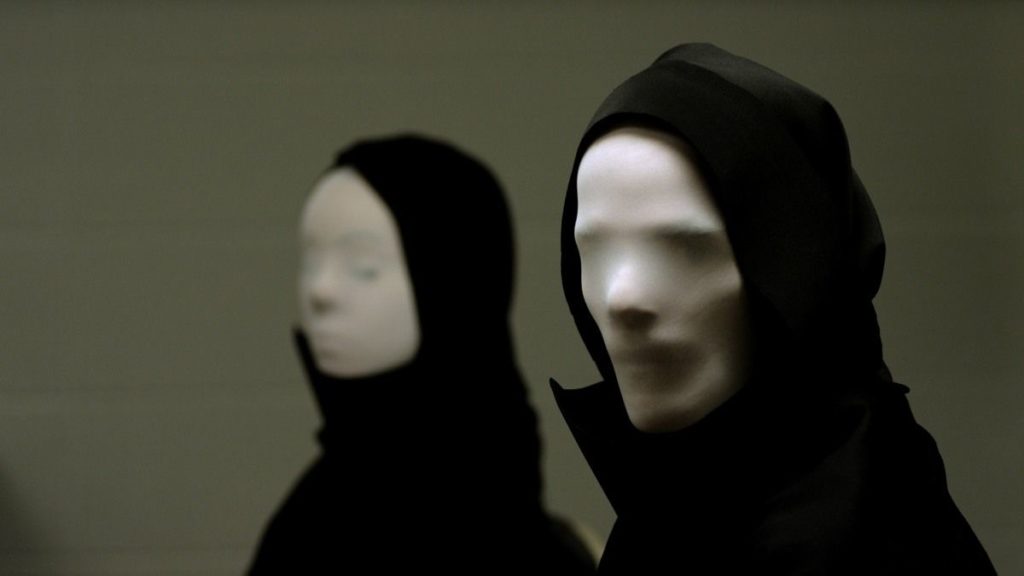
Released in 2012, the anthology of short horror films V/H/S rebooted the tired found footage genre, showing several videotape materials in one film. Together, they formed a single work that allowed seeing something supernatural in everyday life.
The franchise was created by the founders of the horror-themed website Bloody Disgusting. Brad Miska himself conceived and produced the films, and invited young filmmakers to shoot them, giving them complete carte blanche for any idea. By the way, despite impressive box office, the budgets of V/H/S do not exceed half a million dollars.
Today, the V/H/S universe includes five experimental films with dozens of crazy novellas. Many criticize the third part, "V/H/S: Viral" from 2014 — it does sag compared to the others — and praise the nostalgic reboots of the 1990s ("V/H/S/94," "V/H/S/99"), but it's impossible to unequivocally criticize one film or another, because the charm of V/H/S is that there is always something new. Thus, from an experimental platform, V/H/S has turned into perhaps the greatest franchise of modern times, which has managed not to lose its zest. At least for now.
Saw 3D (2010, Saw franchise)
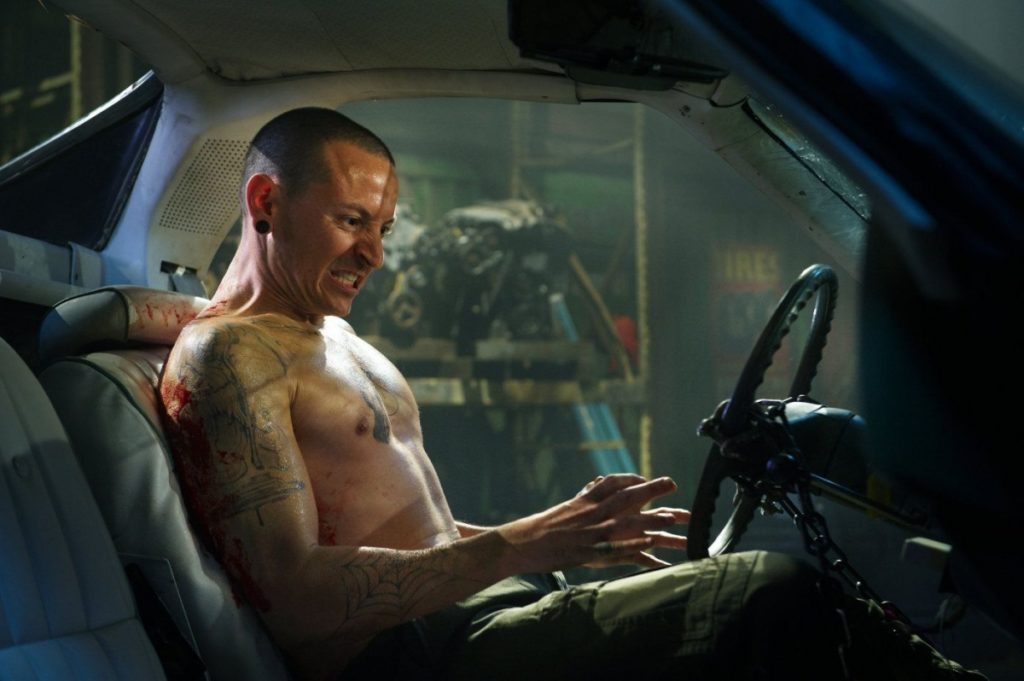
The "Saw" franchise started going downhill after the first film, but still in parts 2 and 3 there were some references to the original idea and inventiveness of the tortures. The completely meaningless meat grinder began with the 4th film and only intensified, up to the 7th. This happened because the slaughter itself came to the forefront, and the once-laid ideas of seeking truth, retribution, and redemption through pain got lost among the twisted guts and mutilated bodies. As for the main maniac, he turned into an immortal and elusive madman, and law enforcement looked dumber with each installment.
The films began to compete in the level of violence. And while the tortures became more sophisticated (though there were failures even with this, as in the 5th part), the plot turned into an increasingly incomprehensible mess. The apotheosis of senseless cruelty and weak story was reached in the 7th part titled "3D" (which also inexplicably featured Linkin Park frontman Chester Bennington).
It was the idea of showing violence on a grand scale and as barbarically as possible, to look impressive in 3D, that became the creators' main mistake. The tortures turned out so disgusting and banal that they caused boredom and a desire to fast-forward (or leave the cinema). If you're going to turn bodily torture into a distinctive feature, it's better to do it inventively. And even the ending, which suddenly references the first film, did not save the seventh part from failure.
F9 (2021, Fast & Furious franchise)
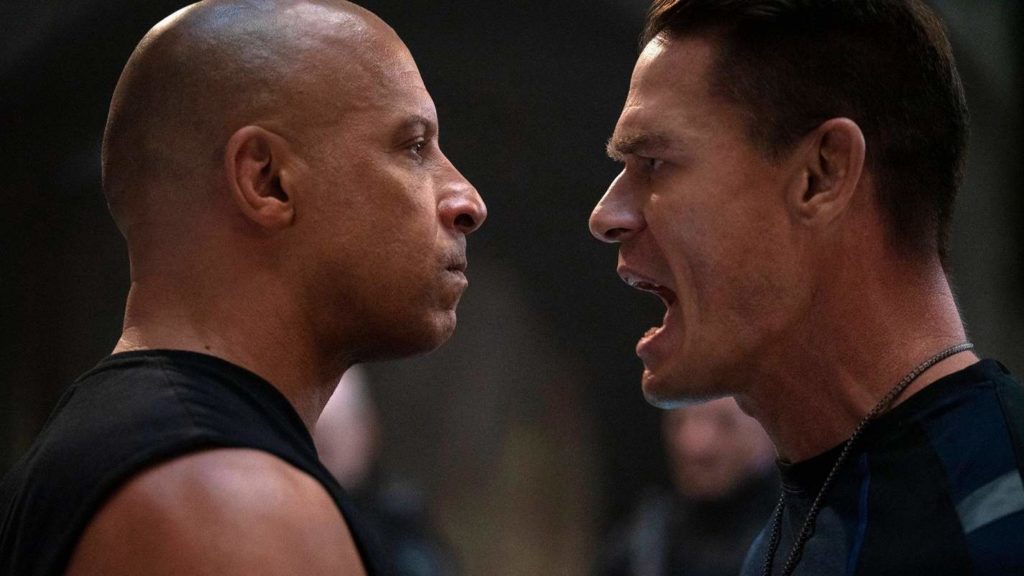
Overall, it's obvious that any film with Vin Diesel is trash for the strong of spirit, and any film with The Rock is great. So, in this "Fast & Furious," there is no Rock. In place of the quick-witted muscleman is John Cena, who plays the younger brother of Vin Diesel's character (if you imagine the size of Cena, you understand – it not only sounds but also looks magnificent), with whom they haven't spoken for many years due to a combination of reasons.
In the ninth part of "Fast & Furious," the heroes go all out, or rather, become the audiovisual embodiment of that common expression. Two friends fly into space in a tuned Pontiac; Dominic Toretto recognizes an enemy on a video recording by the "family cross"; and the eternal chases, which essentially make up the film, acquire a scale not so much biblical as pagan. And the outstanding actors Kurt Russell, Helen Mirren, and Charlize Theron are obviously earning a lot of money – otherwise, their presence is hard to explain.
With all this, "F9" is a surprisingly cohesive work. It's a film about racing with two key themes – Christian forgiveness and the role of family. In the conflict line between Dominic and his brother, these themes converge, and you even want to paste portraits of Vin Diesel and John Cena into a children's Gospel. Actually, everything is heading towards that happening in the 10th part: the fact that Dominic Toretto didn't ask Roman and Tej, who had been in space, if they saw God there, is pure chance, and I'm sure it will be corrected.
Comments
0No comments yet.
Sign in to join the discussion.