
Lenin is a fungus, the Capitol is on fire, Bella Ramsey swears desperately. Recapping the second episode of 'The Last of Us'.
This week, the second episode of 'The Last of Us,' the most popular show right now, was released. We tell you what happened in the new episode and why it's worth watching.
Previous recaps:

Warning: spoilers for Episode 2 of 'The Last of Us' follow below
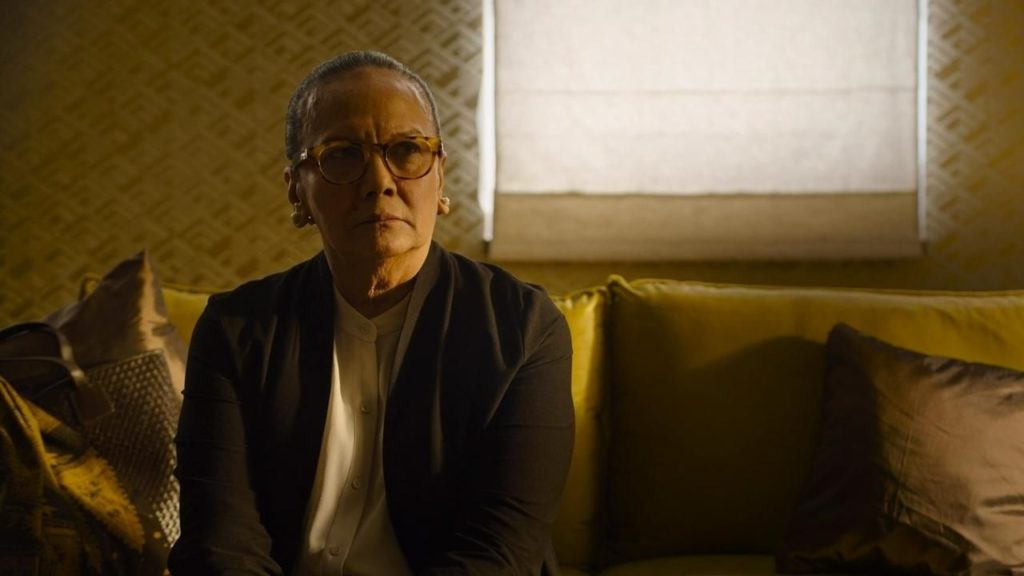
The episode begins with a prologue about events twenty years ago – in Jakarta, police interrupt the lunch of Ratna, a professor of mycology (a fungus researcher), and take her to a secret military base. There, under the supervision of a general, under the weight of whose stars the sky might have fallen, the scientist examines the body of a woman infected with cordyceps. Ratna (Christine Hakim) is horrified, the general is too, humanity is in danger – and when the humane mycologist suggests bombing the city, even the military man flinches. This surprisingly beautiful prologue is essentially needed for only two things: to indirectly confirm the theory that the infection started through flour (the first episode, which due to the amount of baked goods could be mistaken for a cooking show about pastry chefs, hinted at this) and to show the horror of the doom of man and humanity.
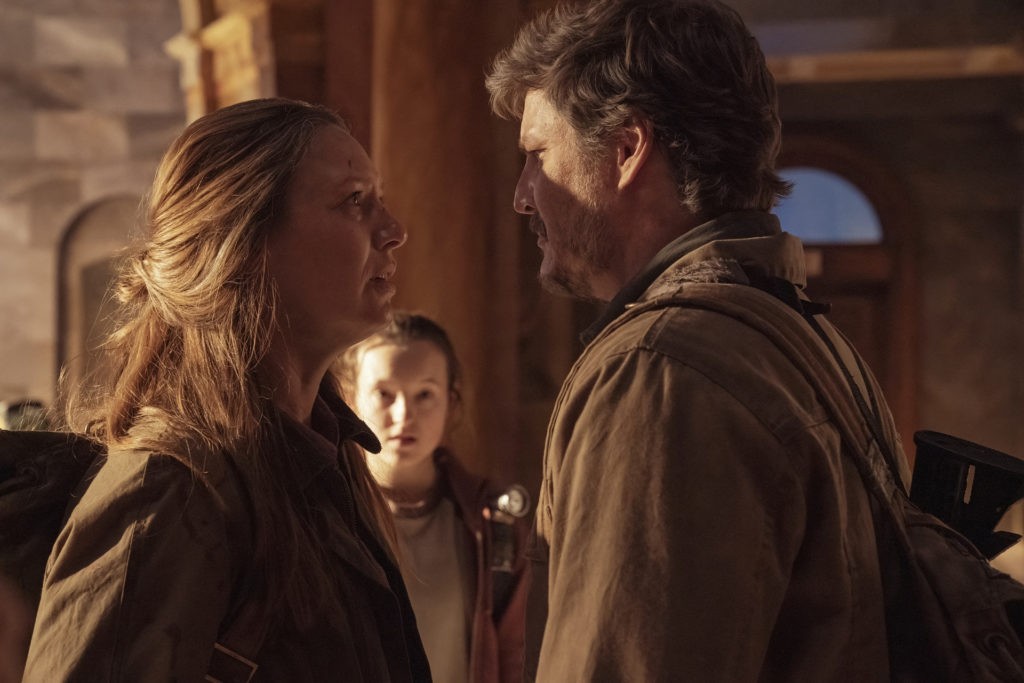
Twenty years later, somewhere in the suburbs of abandoned Boston, Ellie (Bella Ramsey) wakes up, and her morning starts, frankly, not with coffee: Joel's rifle (Pedro Pascal, outstanding) is aimed at the girl, along with some of his hatred for the world. After enduring a cross-examination – who are you? why weren't you killed? why didn't you die? (Ellie, we recall, was bitten by a zombie and still hasn't turned into a fungus) – the girl comes to her senses a bit, and the cynical Joel and his more humane friend Tess (Anna Torv) decide to still take her to the Fireflies' lair. They agree to this, of course, not out of general philanthropy, but because they still need money, and Joel is still looking for a battery – without it, he can't get to his brother.
Deciding which route is best to avoid a slow death, the heroes choose between a hotel and a museum – both potentially have zombies, but the hotel is still calmer, they think. It's not quite like that, of course – after crossing the flooded lobby and finding out that Ellie can't swim and only knows about hotels from books (she was born after the pandemic started), the trio ended up on a cluttered top floor. While Tess crawled through the ruins to open the door, Ellie and Joel had a moment of awkward small talk: he appreciated her knife, she found out he was from Texas.
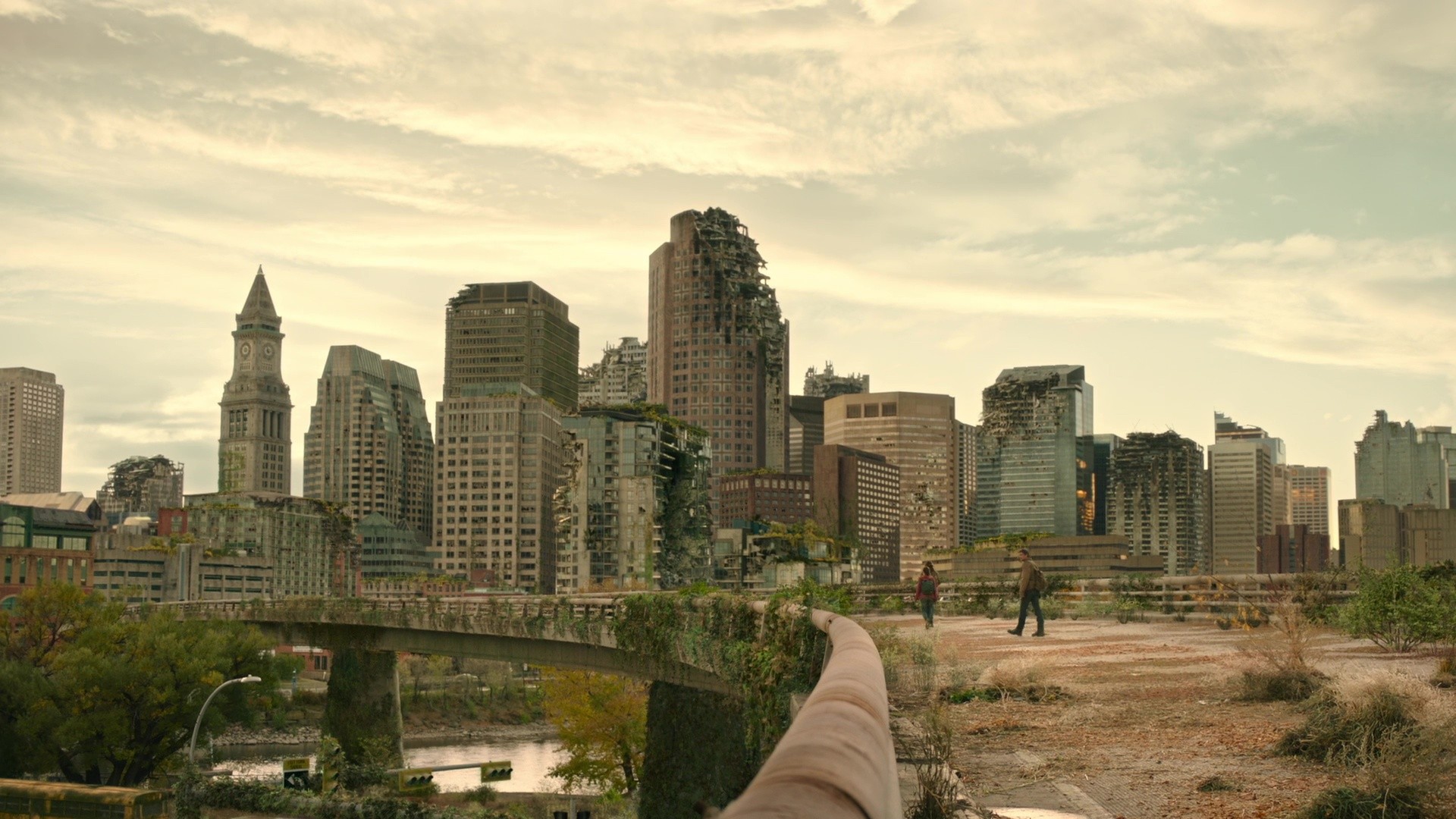
When the door opened and the heroes stepped onto the roof, they saw hundreds of zombie-fungi lying on the street below, ready, of course, to destroy all living things. The way they are shown – from above, when the heroes look at the destroyed city from a height that is not quite a human perspective – is, by the way, perhaps the most amazing thing in the series. In all this dead pastoral – overgrown cars, houses destroyed by trees, people who have become part of the mycelium and part of the landscape – there is a strange, mesmerizing, and sad beauty.
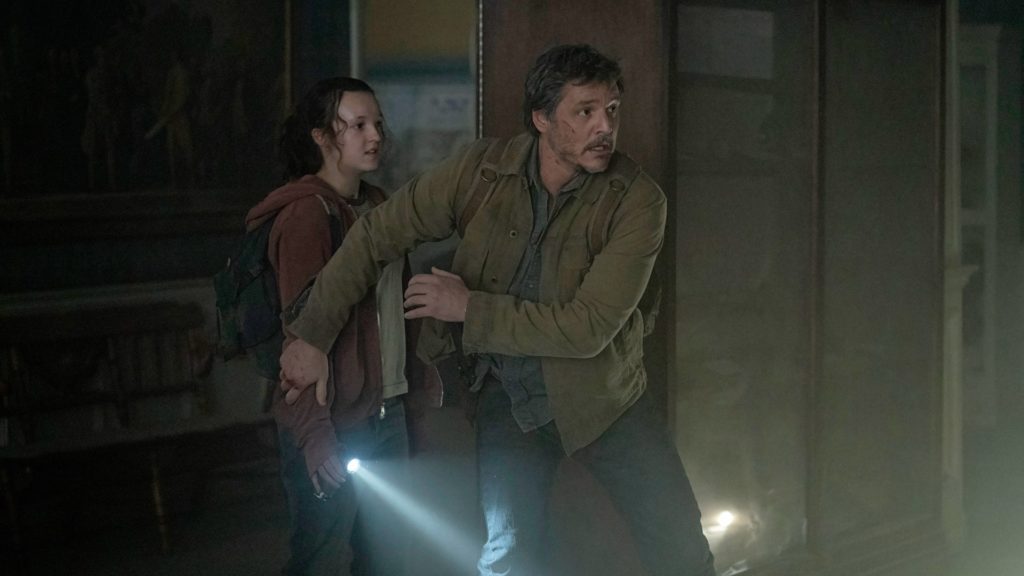
Meanwhile, Ellie undergoes a crash course for young fighters – Tess tells her that all zombies are connected by the mycelium, and if you step on one of them, the others within a radius of several kilometers will feel it (and avenge their comrade). Alas, within a few minutes, this information goes from being interesting to being relevant: taking the second possible route, through the museum, the heroes hoped that the cordyceps had dried up and no longer posed a threat, but soon they saw a very fresh corpse. Trying not to make noise, they made their way to the top floor, where they encountered clickers, blind but hearing everything and very dangerous infected, which even the seasoned Tess and Joel found difficult to resist.
After surviving several creepy episodes and a long, suspense-building fight scene without cuts, we, along with the heroes, finally get out into the air. And the views of apocalyptic Boston are already as welcome as home – honestly, anything is better than zombies in the dark. There is another reason for joy: Ellie is bitten by a zombie again, and again she shows no signs of infection. Tess becomes convinced that the girl is humanity's chance for salvation. Joel, characteristically, is not particularly convinced.
However, upon reaching the Capitol building, the trio realizes that everything was in vain. All the Fireflies are dead – most likely, they shot each other when one of them became infected. At this moment, it turns out (though it's hardly a surprise if you were watching closely) that Tess is also infected and has little time left to live. Before dying, she convinces Joel not to abandon the girl and to take her to some known smugglers, to which he reluctantly agrees.
Their dialogue is interrupted by a zombie, killing which, Joel awakens the entire mycelium we saw earlier. To save him and Ellie, Tess sacrifices herself and blows up the Capitol. Joel and Ellie watch the burning symbol of an irretrievably lost civilization (for some reason, Moscow's mausoleum comes to mind at this moment; if something like that happened here, Lenin would probably be the main fungus), they have a long journey ahead, and we do too, along with them. And in a sense, that can't help but be pleasing.
Impressions
The second episode turned out to be even better than the first – it's an even more cohesive, resourceful, and engaging spectacle. And, of course, 'The Last of Us' is not just a video game adaptation about a zombie apocalypse, but also a strikingly beautiful story, the most beautiful zombie horror possible, if you will.
The camera admires the destroyed Boston; in the abandoned city, what is felt first and foremost is not desolation, but a sad beauty; its bleak landscapes bloom like the vines entwining the forever abandoned cars. Interestingly, it is these quiet, contemplative moments that turned out to be the most successful in the episode. The fights with zombies are well-staged, the finale is competent, the action doesn't sag, and the dialogues are pleasing, but what truly impresses is the pastoral depiction of a world without humans.
And, of course, the actors. They impress too. Pascal has been Father of the Year for three years running, and this is probably the reason the world hasn't been destroyed yet. The second reason – Baby Yoda – is, alas, absent here, but instead, there's the textured Bella Ramsey. One can argue for a long time about how suitable the actress is for this role (for example, in appearance), but she swears excellently, no matter what the haters say. The departed Anna Torv was no less delightful, and her Tess truly came out sensitive and sharp at the same time, so saying goodbye to both the character and the actress is, perhaps, especially regrettable.
Comments
0No comments yet.
Sign in to join the discussion.