
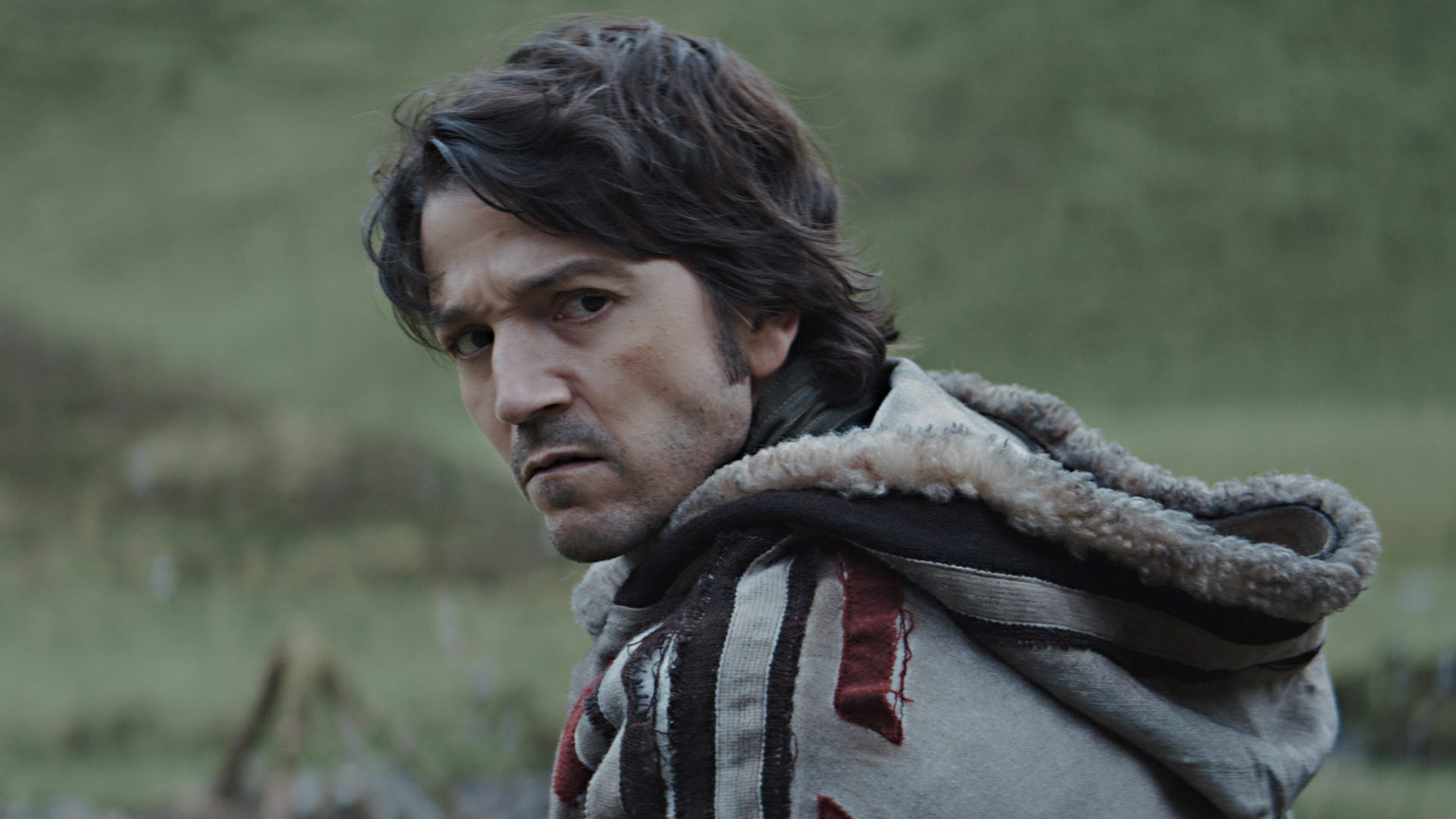
The first season of "Andor" has ended. We carefully watched this series, beloved by critics and not too popular with viewers, and tell you why it is a great show and the best "Star Wars" in almost 20 years.
The action of "Andor" begins five years before the events of "Rogue One" and smoothly leads up to it (a prequel to a prequel!) – the first season ends four years before the shot of the "Death Star," and the second season will probably end with it. The showrunner of the series is Tony Gilroy, a talented screenwriter and a man with a stance; he wrote the first and last episodes, while the middle was handled by his brother and co-author of "House of Cards," and they all managed to bring an unexpectedly grim pathos of proletarian revolution to "Star Wars."
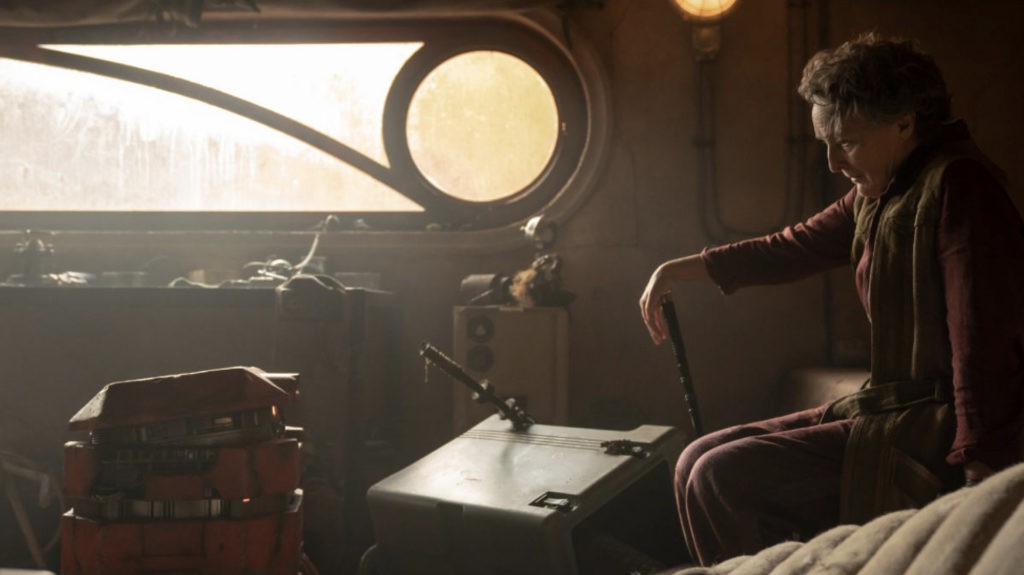
The series begins sadly – Cassian Andor (Diego Luna), a petty criminal and future revolutionary, searches for his sister in a neon-lit brothel. He doesn't find her, kills police officers, flies home, loses everything, and goes on the run. The plot, reminiscent of classic noir and cyberpunk, becomes enriched with cozy details over the first three episodes – a rusty droid looks after Andor's elderly mother Maarva (a sick pensioner dreaming of revolution, an outstanding role by Fiona Shaw), his best friend tries to collect debts from him, and his ex-girlfriend tries to understand him. Cassian is pursued by a ridiculous police officer (Kyle Soller, one of the most intriguing new characters in the franchise), and he is rescued by a gloomy man of Scandinavian appearance, Luthen Rael (Stellan Skarsgård in the role of an ambiguous revolutionary leader). He himself doesn't understand how he gets drawn into world politics, which he had so long and so carefully avoided.
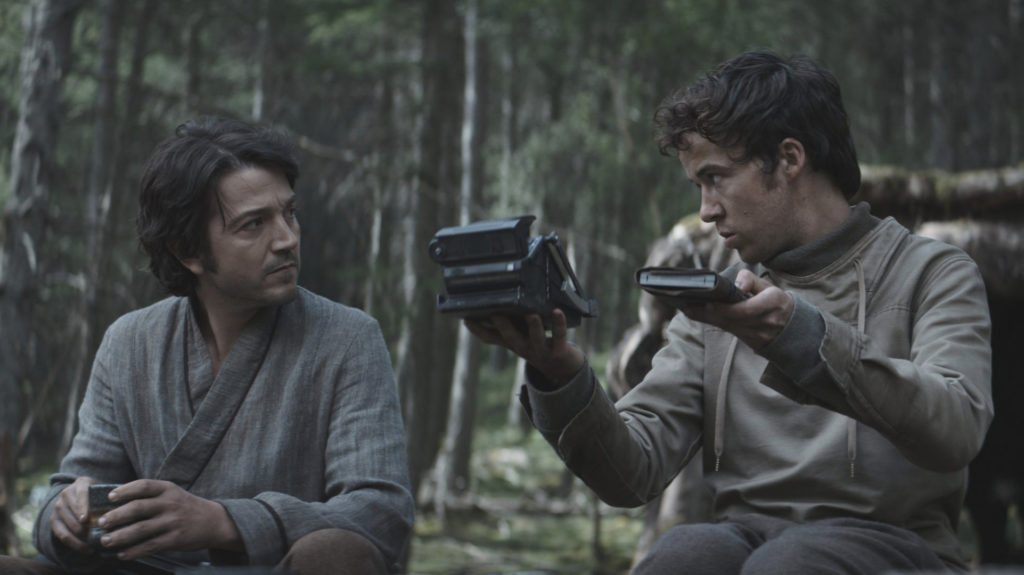
In the following episodes, as part of a not-too-prosperous team of revolutionaries, Andor participates in a robbery of an Imperial outpost on the edge of the world, ends up in court, in prison, in a tight spot, and gets out of everywhere a somewhat different person, and he is still lucky – some don't get out at all. The first half of the season is permeated with the feeling that those who survived were lucky – running away, shooting back, not thinking about tomorrow, the heroes are not so much living as surviving, but they are happy with that. And after the first half, you already want to call "Andor" outstanding and renew it for three seasons at once, but only in the second part does the series acquire, if you will, true greatness, revealing itself in all its sad beauty.
For various reasons, the heroes stop running and begin to quietly suffer, and it is in their melancholic despair that one can see what the show, it seems, was made for. This is not a story about superheroes opposing abstract evil; there are no Sith or Jedi here at all, only ideological rebels dreaming of freedom and not always able to agree with each other.
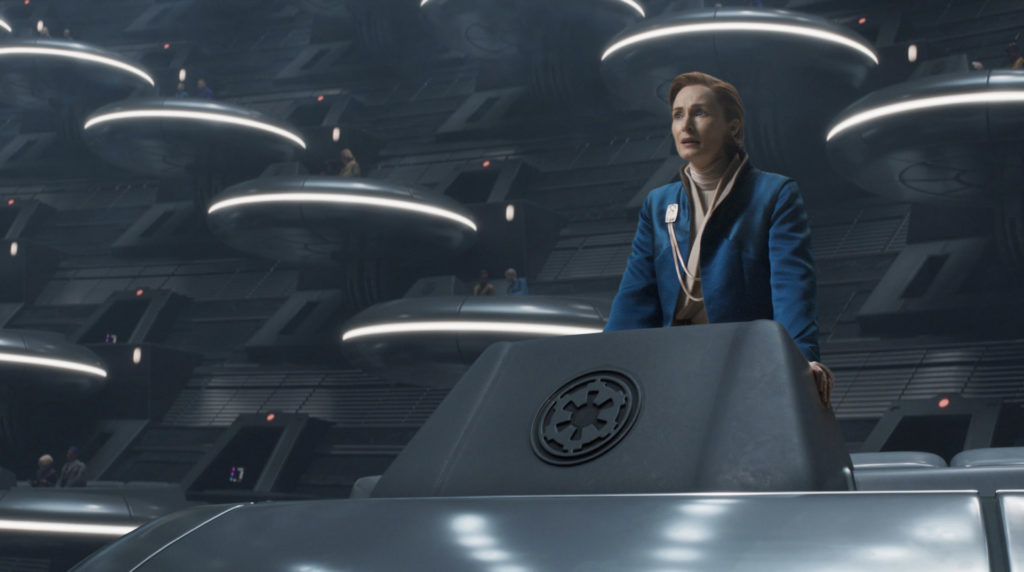
Rael believes that repression will lead to an uprising; the sad Mon Mothma (brilliant Genevieve O'Reilly), who always flickered somewhere in the background of the films, tries to adapt the categorical imperative to a world where categories have blurred, and only one Empire remains of the imperative; and another old acquaintance of ours, Saw Gerrera (Forest Whitaker), thinks about a future where everything is also not so clear-cut. The oppressive gloom of everyday life is not dispelled here by flashes of a lightsaber, and even blasters shoot somehow mutedly. And at some point, watching the horrors of fascism turns out to be much scarier than listening to Darth Vader's breathing.
"Andor" is not entirely about struggle, but about helplessness, about the feeling that nothing can be done and it's not worth trying. Therefore, it is especially sad to watch it in dubbing – during the moments of the heroes' monologues, it may seem that the voices of compatriots are simply reading columns from "Novaya Gazeta," in such a familiar palette is this distant, distant galaxy painted this time. Everything is bad there, there is an emperor, they disperse rallies and do not value human life. The prison scenes resemble camp prose, and outside – Dostoevsky's novels. Not in the sense that God exists, but in the sense that he hasn't shown up anywhere for a long time.
Unlike "The Book of Boba Fett" and "Obi-Wan Kenobi," which from the middle of the season move from words to deeds and trade dialogues for action, "Andor," although it contains many expensive and well-staged scenes of fights, shootouts, and escapes, never truly focuses on them. This is not so much a series as a textbook on political philosophy, in which each of the heroes delivers a monologue in their allotted hour.
Luthen Rael speaks of the horrors of struggle, Maarva Andor speaks of the necessity of resistance (her piercing first and furious second speeches I would like to hang on the wall, not least thanks to Shaw, fragile and decisive at the same time), the anarchist Nemik describes the mechanisms of totalitarianism, and the leader of the prisoners, Kino Loy, speaks of the longing for freedom. A few years ago, all these interesting, undoubtedly, theses from such a motley company might have seemed a waste of time – it was already clear that freedom is better than unfreedom. But it turned out not to be clear to everyone, and right now, nothing seems more important than these speeches.
The revolutionary pathos of "Andor" pleases, and sometimes amazes – it's not so often in series made with capitalists' money that you see real Kropotkinite anarchists (Alex Lawther, a man with the face of an American indie star Diego Luna, which is true in solidarity!), a hard-won critique of colonialism, and a desperate striving for freedom.
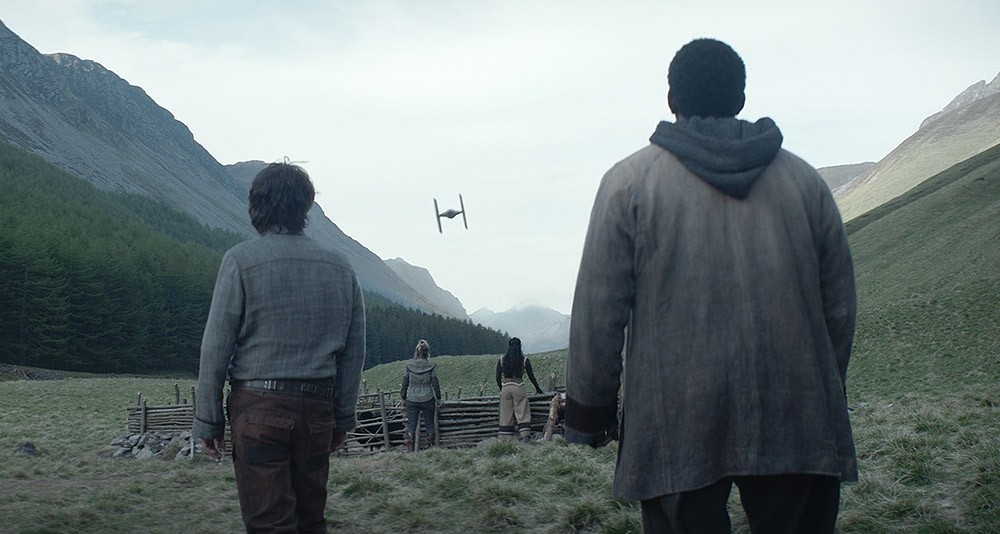
Rebels quarrel, millennials argue with boomers, former prisoners compare tattoos. And yes, all of this is "Star Wars" and the series "Andor."
Open material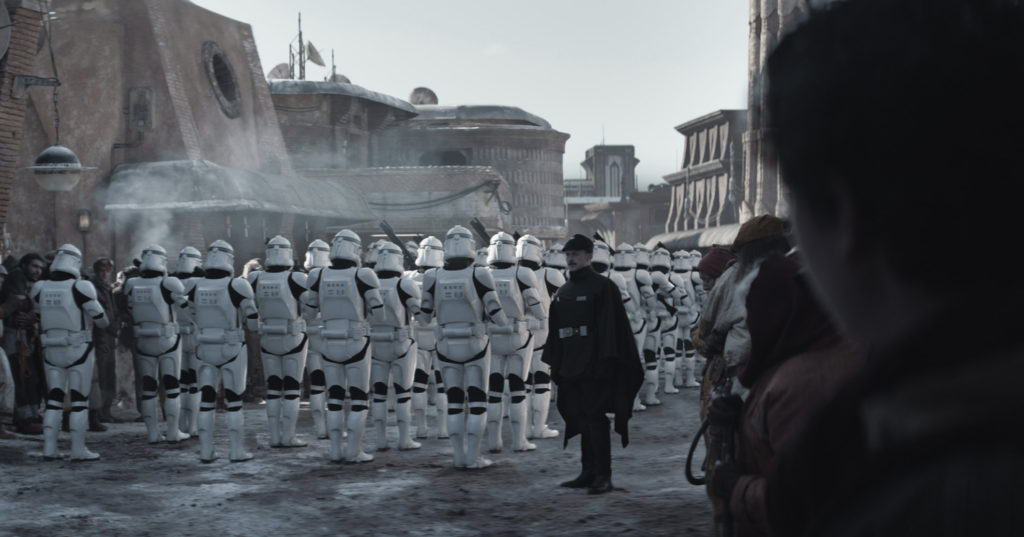
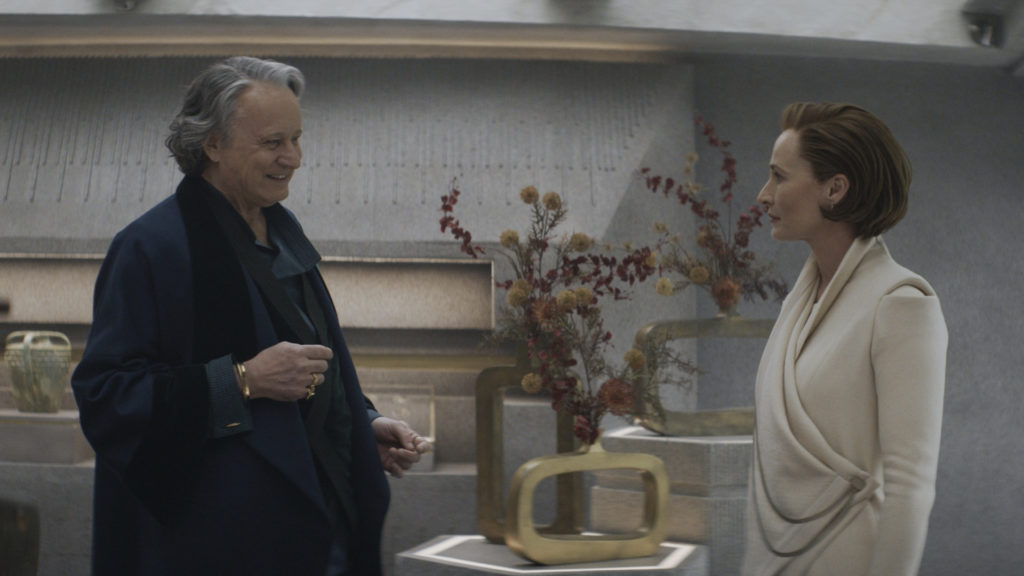
"Andor" does not shy away from an obvious but working symbolic series here: the polygonal nature of the Imperial emblem is reflected in workplaces, in the contours of the prison, in doorways (look closely at the doors in Mon Mothma's apartment) – at some point it seems that the frame of the shot will take the shape of an octagon, and that, of course, would be a gesture. At the same time, on the planet Ferrix, everything happens to the sound of a bell – in the first episode it calls to work, in the last – to revolt. The screenwriters are not shy about parallelism of images either. For example, Andor's mentors are plot-wise dual – Luthen Rael and Kino Loy (Stellan Skarsgård and Andy Serkis, seemingly equal in magnitude) – both advocate for a freedom they will not see.
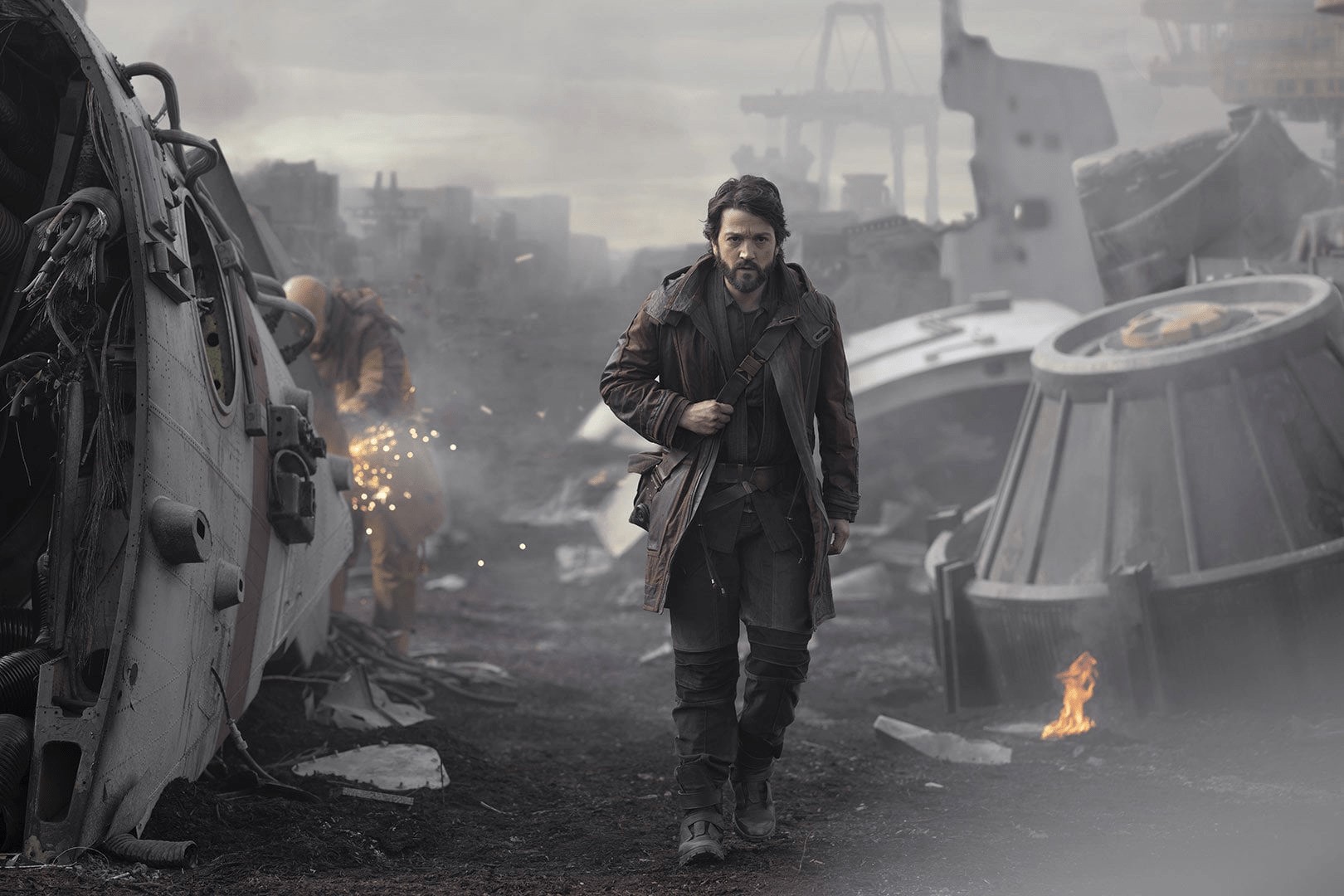
On September 21, the premiere of "Andor," a new series in the "Star Wars" universe, took place. We figure out what was shown to us in three episodes that add up to one and a half hours.
Open materialEternal surveillance, incessant pursuit, endless prison term, a struggle lost in advance – "Andor" shows the cruel world of a totalitarian state: the dead here have no freedom of speech (the funeral in the finale will enter the canon of the best scenes of "Star Wars"), the living have no right to dignity. Escapist landscapes and futuristic interiors, bizarre aliens and their bizarre civilizations ultimately add up to a strangely familiar reality on the verge of half-decay, for which the possibility of happiness, as it seems at some point, is lost forever.
Of course, in America or Great Britain, this show is perceived differently; if it was needed there for educational purposes, it was for the great-grandfathers of today's "Star Wars" fans, but in Russia, if a bell rings so persistently in a series, it's clear that it tolls for you. Perhaps this is not too comforting, but the series cannot be called impenetrably gloomy either. By showing that everything that was was in vain, "Andor" leaves room for hope that better times will come and better people will come, and that in this new world, "Star Wars" will be very much great again.
Comments
0No comments yet.
Sign in to join the discussion.