

Farewell to mother, illusions, and freedom, and other bleak turns in the difficult life of Cassian Andor – we recap the seventh (great!) episode of the spy drama in a galaxy far, far away.
The seventh episode differs from the rest in that it is not included in any story arc (episodes 1-3 are the prologue; 4-6 are the heist), but stands alone. It is simultaneously an epilogue to the sixth episode, as it primarily deals with the consequences of human sins, and the beginning of the second part of the season, which promises to be even more intriguing and dramatic. Although where else could it go – 'Star Wars' hasn't managed to top the seventh episode since 'Revenge of the Sith'.
Previous recaps:

Warning: spoilers for the 7th episode of the series 'Andor' follow
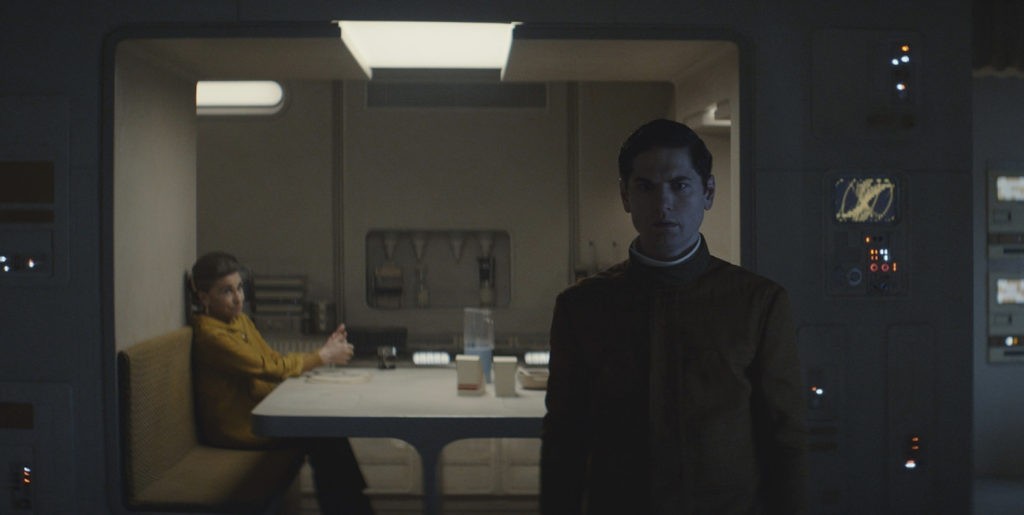
The episode begins with a parallel to the fifth – a sad Syril Karn sadly gazes at an industrial landscape. His mother finally called the well-connected uncle, and now Karn, dreaming of clearing his name and becoming an officer again, has to go for an interview at some information bureau under the Imperial KGB (where another character important to the plot, Lieutenant Dedra Meero, works).
As a quiet protest, Syril wears an indeterminate brown suit with a raised collar – which, according to his mother, symbolizes his lack of self-confidence – but he responds to the vacancy and, naturally, gets the job (in a terribly monotonous office, as if transported into 'Star Wars' from Zamyatin's dreams). Nepotism in the Empire is a well-known thing, and, in general, not only there. Nothing else happens with Karn.
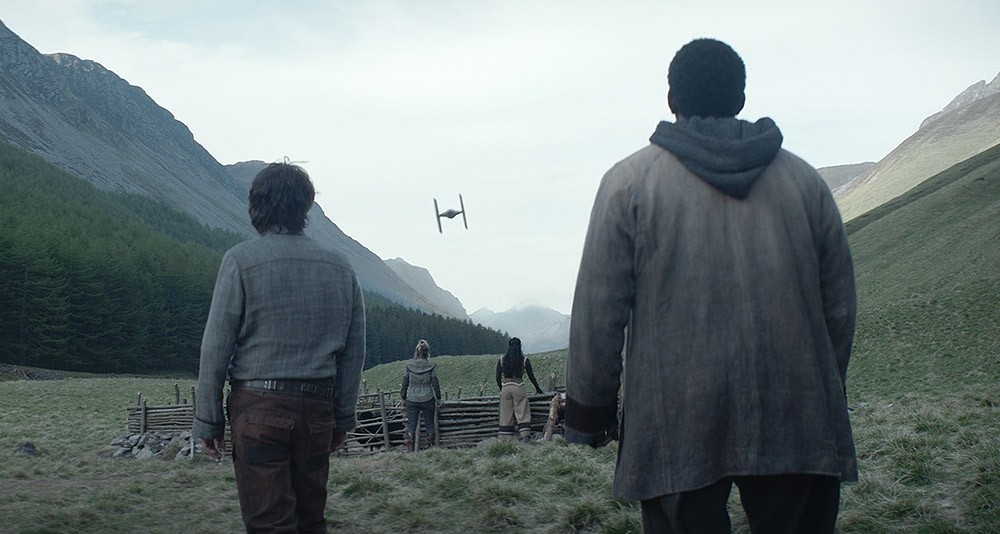
But with the others, all sorts of things happen: the consequences of the heist on Aldhani are revealed in the seventh episode from three perspectives: the Empire's reaction, the rebels' joy and fear, and Andor's confusion.
In the Empire, everyone is seriously embittered by what happened: at an emergency meeting of intelligence officers, Colonel Yularen speaks (if you're a hardcore fan, remember him from the briefing in 'A New Hope' and the 'Clone Wars' animated series, where he was an admiral of the Republic fleet), who resembles Göring and other unsavory characters. He angrily shakes his fist and explains that the question is not whether repressions will be applied in response to such a daring robbery of a military garrison, but how brutal these repressions will be. In addition to monetary fines for planetary systems, total surveillance is planned, penalties for administrative offenses are to be tightened (essentially, even looking in the wrong direction could be criminalized), and, in principle, life will be made very difficult for everyone.
All those gathered – beautiful people in white uniforms – agree with the course of action and have no objections. Only the judicious and somehow excessively, to the point of frenzy, devoted to the cause of Order and Legality, Dedra Meero, believes that repressions will achieve nothing – support for the enemies of the people will only grow. She also believes that the robbery of the garrison is not an economic crime, but primarily a political one, and here one should look not for profit-seekers, but for freedom-lovers. One cannot deny her insight.
Meanwhile, Senator Mon Mothma (Genevieve O'Reilly, if you doubt it, is just as mesmerizing) hurries to Luthen Rael's antique shop with one question – was what happened on Aldhani his doing? A quarrel breaks out between Rael and Mothma: Skarsgård's character understands that the Empire will tighten the screws (is already tightening them), but that's what he needs – the more pressure, the more popular the protest; O'Reilly's character cannot accept this cynical logic – repressions mean suffering for thousands of people, and this is perhaps a disproportionate price for their and Rael's political convictions. Having voiced her objections, the humane Mothma, for the second time in the series, leaves her radical comrade empty-handed: a split is brewing in the ranks of the still-forming rebel alliance.
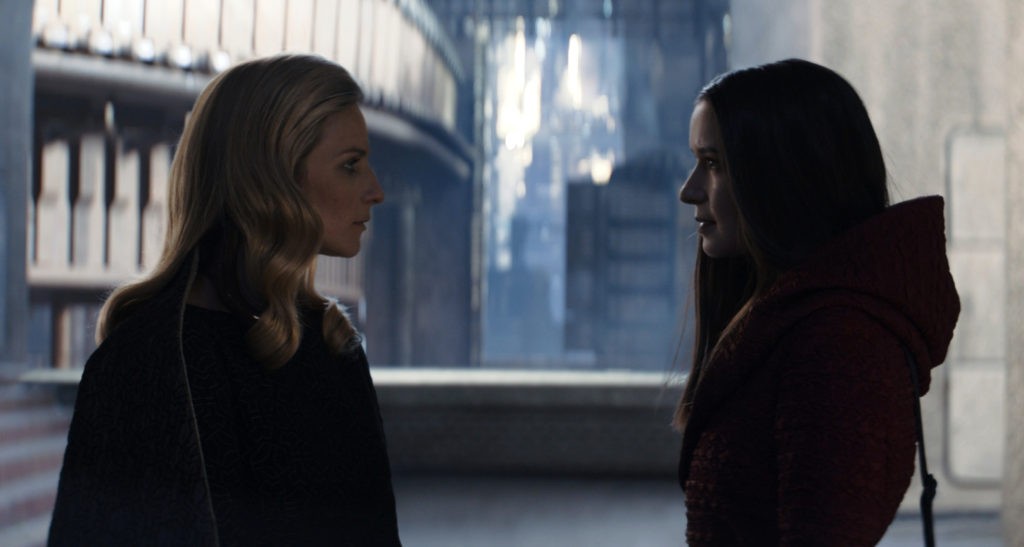
Rael's story in the seventh episode does not end there: he instructs his assistant to give one of their agents a new assignment. That agent turns out to be Vel, who led the heist on Aldhani, and the assignment is to kill Andor, because he knows too much (in particular, Rael's real name). Vel agrees, although with a hint of moral doubt in her eyes.
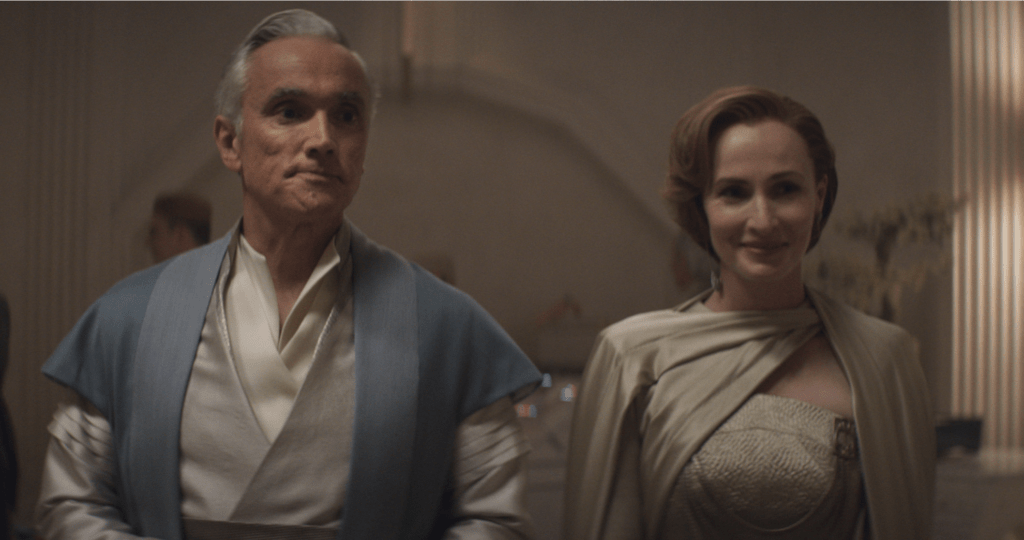
Meanwhile, Mon Mothma throws a party, gathering a significant part of the capital's beau monde and high-ranking Imperial officials. There she meets her childhood friend Tay (Ben Miles) and starts a conversation with him on political topics. Tay does not want to talk to her about such things – he admits that he holds radical political views, and in Mothma, although he values her greatly, he sees a collaborator, a systemic liberal, who, as is known, is worse than a hawk. Then the (unexpectedly) delighted senator admits that all her benevolent indecisiveness and role as a small speck in the eye of Big Brother is nothing more than a mask, necessary to survive and defeat the Empire.
She learned duplicity, Mothma says, from Palpatine (recall, the democratic senator and wise chancellor turned out to be the dark lord and absolute evil in 'Revenge of the Sith'), and has mastered it completely. So Tay should not consider himself a radical; let him rather watch and listen. He watches, listens, and agrees to help his friend. Tay and Mothma are glad they understood each other, but the senator's husband looks at their behind-the-scenes dialogue with some jealousy and leads his wife away to the guests.
On the other side of the barricades, a meeting is held in Imperial Intelligence: Dedra Meero, who secretly gathered confidential information, is accused by a colleague of exceeding her authority. She proves to her boss that she is on the verge of uncovering the rebels, although she did indeed violate the chain of command. The major, a fan of the art of Socratic dialogue, does not scold her, but on the contrary – encourages her. It's nice, of course, that the Empire has such a wonderful work team, but Meero is getting closer to uncovering the conspiracy, so it's all very untimely.
From the world of big politics, the action moves to the world of little people – to the planet Ferrix, where Andor flew to pay off debts, quarrel with his friend Bix, and take his mother somewhere safe. The first two points he succeeded brilliantly: Cassian gives a significant amount of credits to his reliable friend Brasso (Chook Sibtain) and asks him to divide this sum among all creditors, while he himself goes to Bix.
He tells Bix that it was her boyfriend – Timm, who died in the third episode – who turned him in, which is not good. In response, she accuses her former lover (before Timm, nothing criminal) of abandoning everyone, attracting the Empire's attention with his actions (a battalion of stormtroopers is now stationed on the planet), and, in general, hurting her personally by disappearing like that. The argument between Bix and Andor reaches a dead end; he leaves, she stays.
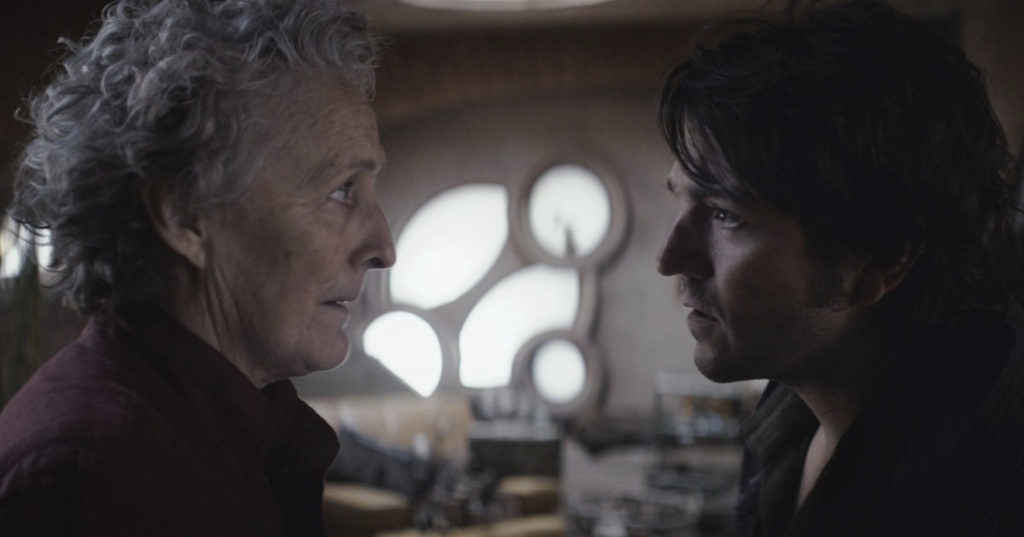
At home, Andor is in for a surprise – Maarva (his adoptive mother, an outstanding role by Fiona Shaw) is not going anywhere from Ferrix. She understands that staying is dangerous, that she will most likely die here; she understands an astonishing amount in general, but she stays anyway. A shocked Andor cannot imagine what could keep a poor and not exactly healthy pensioner in such a dump as Ferrix. 'The Rebellion!', she explains with proud elation.
Having heard about the heist, Maarva realized that the Empire could be fought, and she wants to stay to do so. Andor is horrified, but he can do nothing – he cannot stay, she cannot follow him. As a last resort, Cassian shouts that he will not find peace because he will worry about her. With an amazing mixture of joy and longing in her eyes, Maarva replies: 'That's love. There's nothing you can do about it.' This is not just the most emotional scene of the series so far, but also one of the most sincere and poignant episodes that 'Star Wars' has given us. That's love, and indeed there's nothing you can do about it.
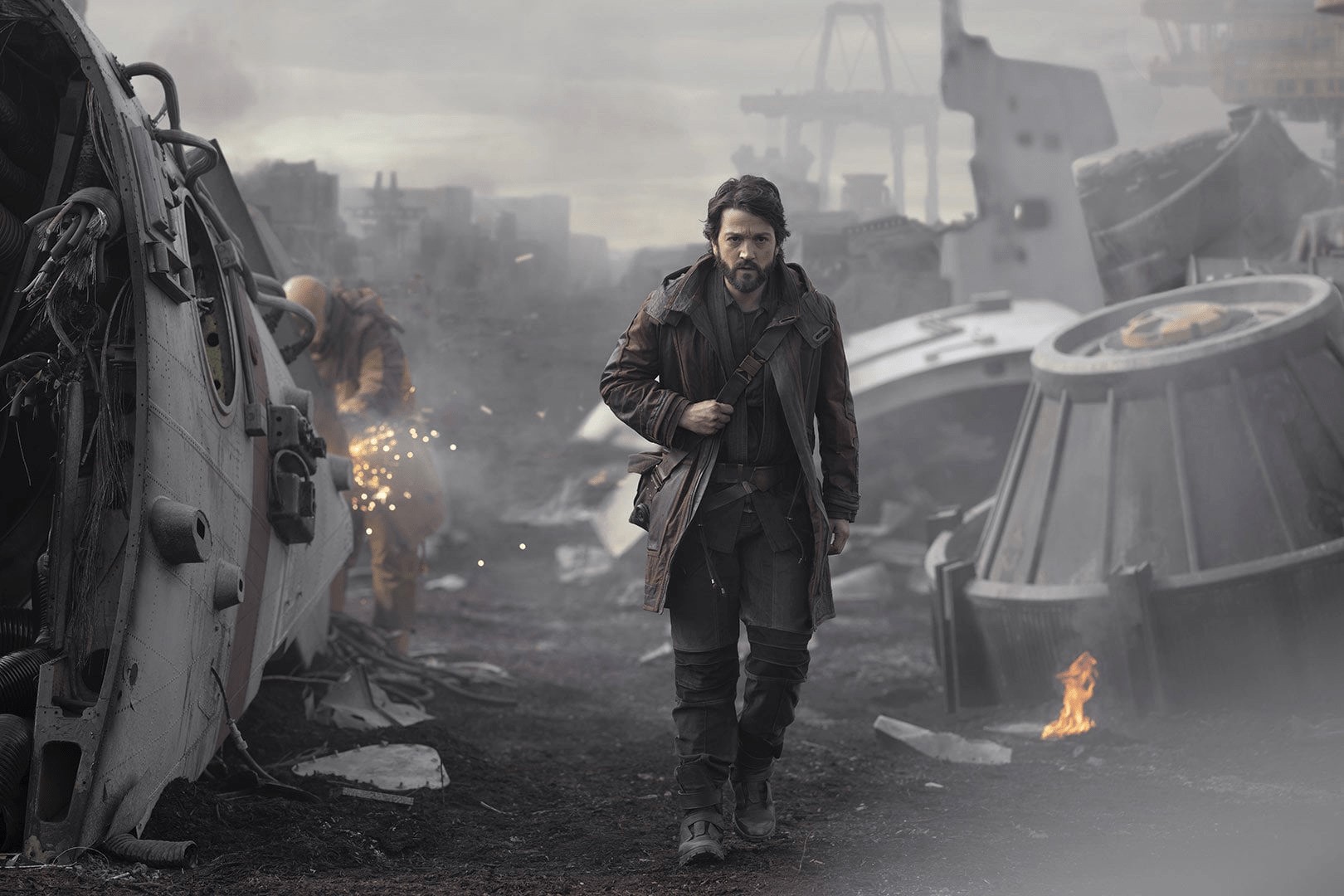
The finale of the episode, laconic and fragmentary, disconcerts almost more: waking up on some planet resembling California, a bored Andor strolls along the beach, sees citizens fleeing from shore troopers (from 'Rogue One'!) and tries to understand what is happening. At that moment, he himself is detained for excessive curiosity – a stormtrooper (Sam Witwer – the voice of Darth Maul and Starkiller) charges him with an administrative offense, and the judge pronounces a sentence – six years in a labor colony. He pronounces it, muttering aside: 'They used to give six months for this.' The series has already talked a lot and with taste about totalitarianism, but it is at this moment that even the youngest viewers should understand why a fair trial and separation of powers are needed. The not-so-young ones too.
How Was It?
'Andor' is a revolutionary series about revolution: it has all the components of an HBO political thriller, while maintaining the characteristic spirit of 'Star Wars'. 'Andor' looks like premium television, sounds like premium television, and even, in general, delights like premium television, but captivates in a way that only a galaxy far, far away can captivate. And this, in general, cannot but warm the hearts of everyone who would like to dress up not as Freddy Krueger for Halloween, but as Darth Vader.
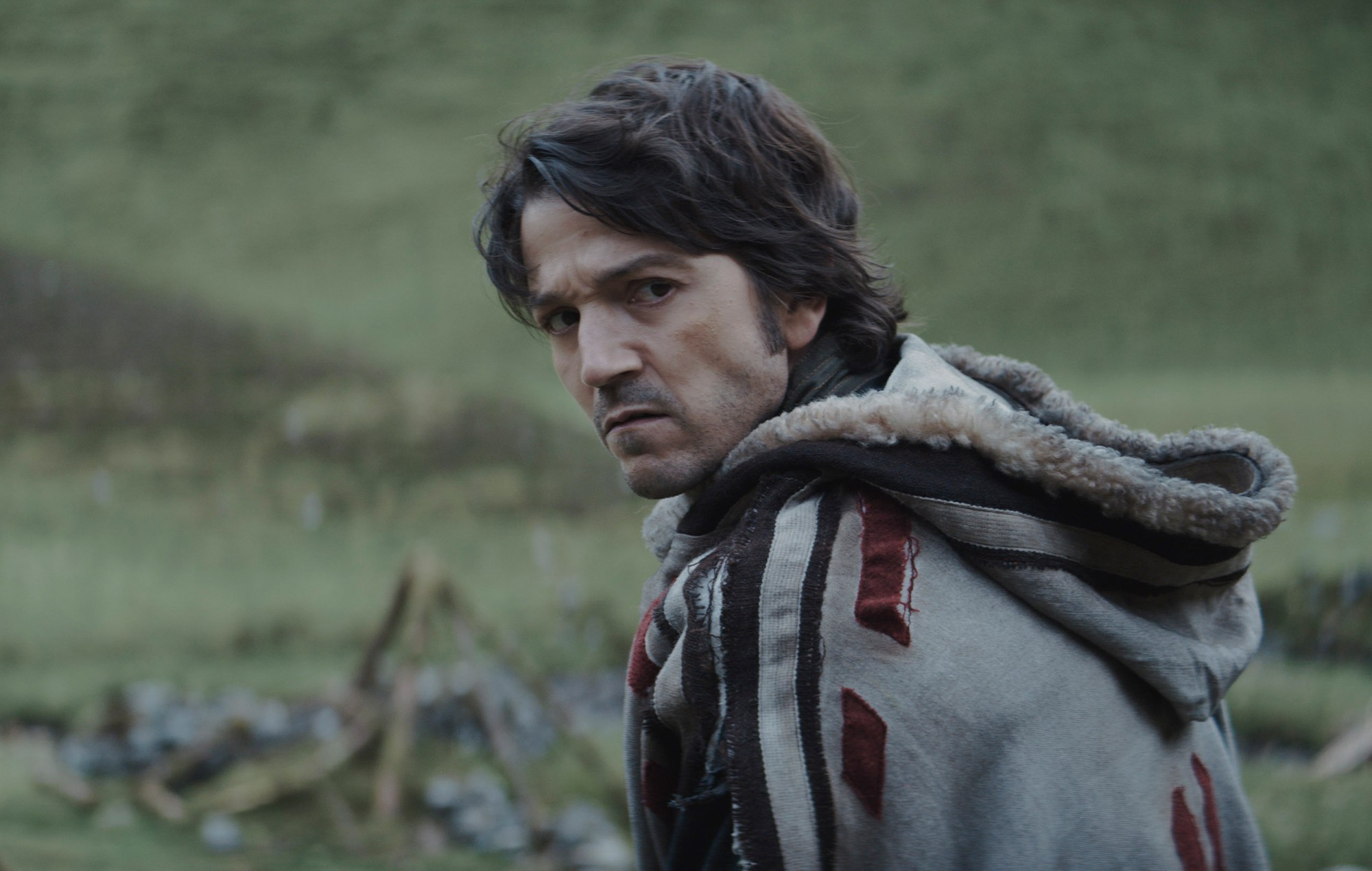
A number of scenes with Cassian remind me of a specific hit by the group 'Krovostok' ('those who owe him – he forgives; and those he owes – he asks for forgiveness'), but with the music of John Williams – at first it surprises, and then somehow surprisingly pleases. Diego Luna generally plays the mixture of nihilist and idealist, criminal and touching person especially beautifully.
But in the context of the episode, Fiona Shaw deserves a special mention. Watching her is a rare pleasure. That combination of fragility and inner strength, inspiration and longing that she shows in Maarva largely through her eyes alone is, of course, a revelation, an outstanding acting performance.
Comments
0No comments yet.
Sign in to join the discussion.