

Sickly Aryan boys, criticism of capitalism, and Stellan Skarsgård in all blue. Recapping the sixth episode of 'Andor'.
In the sixth episode, we finally saw the big heist (done according to all the canons of cinematic big heists), a meteor shower, and all the horrors of colonialism, and 'Andor' cemented its reputation as the best fall series of this year.
Previous recaps:
Warning: below are spoilers for the 6th episode of the series 'Andor'
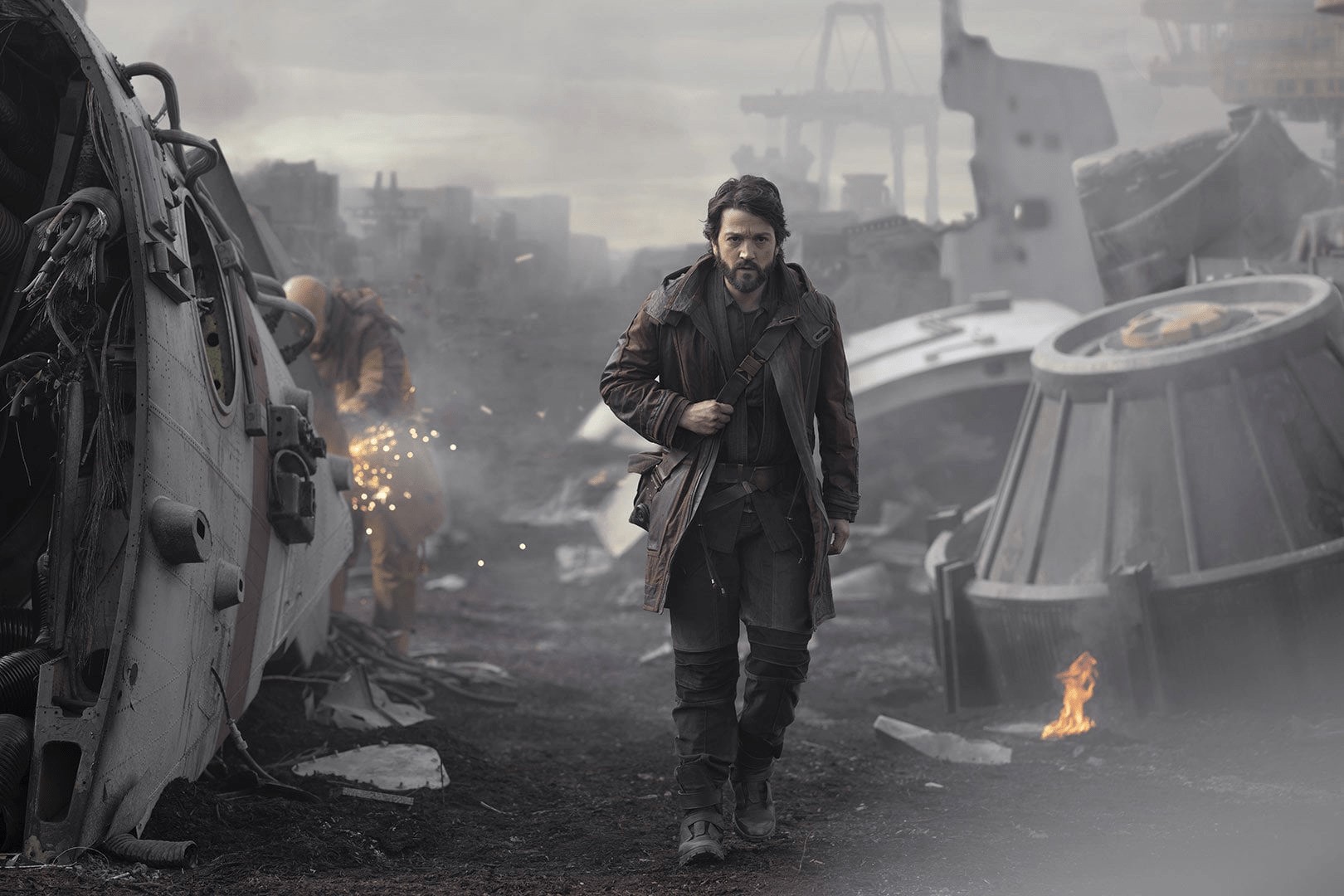
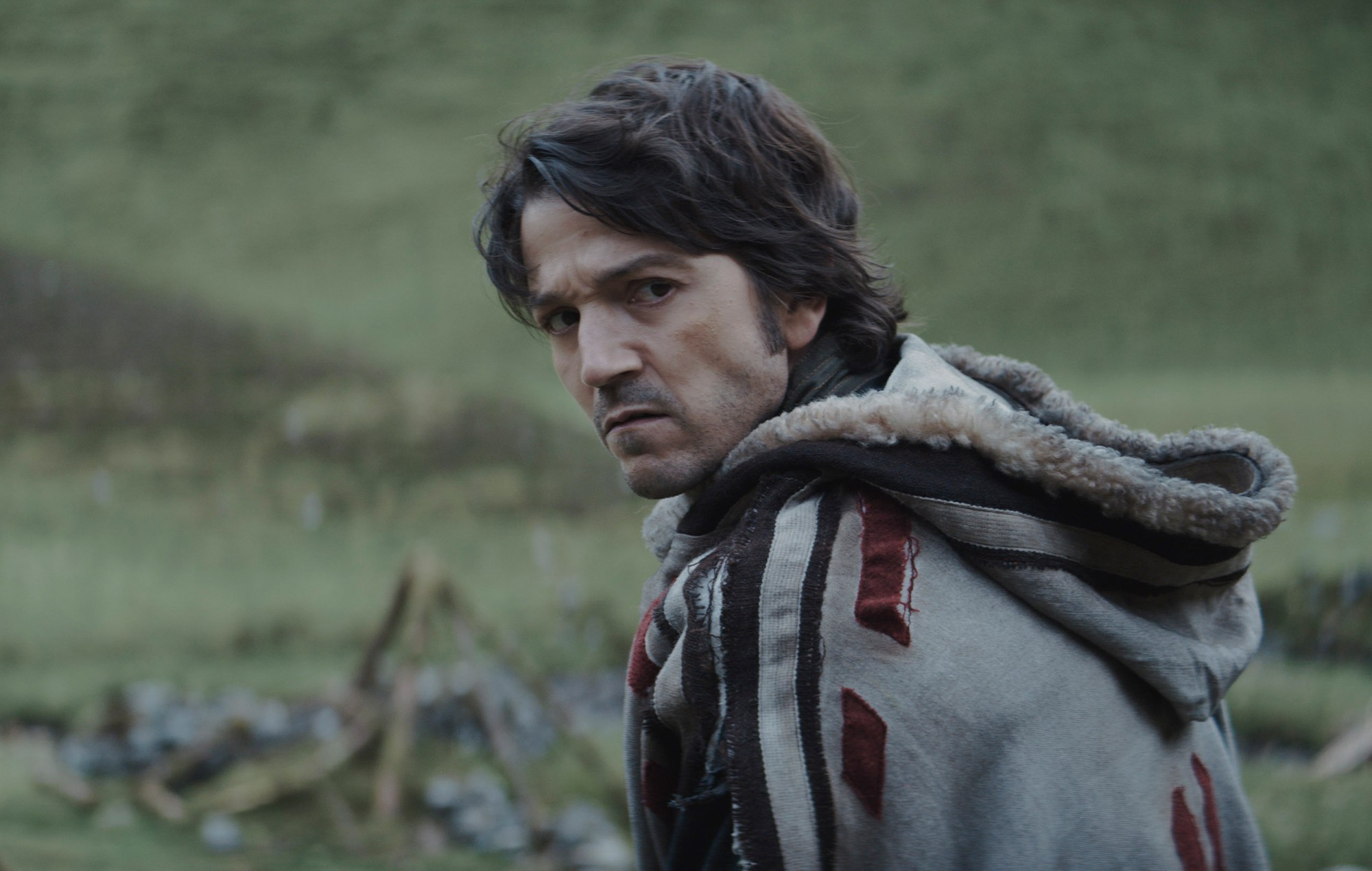
Andor (Diego Luna) and Karis Nemik (Alex Lawther), an idealist anarchist, discuss topical issues of political philosophy: learning that his comrade is a mercenary and with them for money, Nemik didn't sleep all night and wrote a brochure about the role of mercenaries in the war against the Empire. The conclusions are simple - you can use them, but you cannot forget about morality. Andor looks at his comrade with interest, warning: in theory, it all sounds great, but you should never want the Empire to 'finally pay attention to the rebellion of free people' - it will be worse for them, not for the Empire.
Meanwhile, the commandant of the Imperial base on Aldani lectures the visiting colonel (an inspector, essentially) on the basics of enslaving alien planets and destroying local civilizations. The Imperial colonialists do not exactly enjoy each other's company: Commandant Jayhold is disgusted by the wild planet, he wants to impress his superiors and get a promotion; the engineer colonel is frankly bored. Behind Colonialist 1 and Colonialist 2, Lieutenant Gorn, an agent of the rebels who spent seven years on Aldani and obviously does not share the fascist views of his superiors, watches intently.

In the next scene, Lieutenant Gorn tells the commandant what we already know: you can't win the engineer over with small talk. The boss is displeased and asks Gorn about readiness for the upcoming night, which the colonel also came to observe. (At night, as a reminder, a big local holiday will take place - a meteor shower and, accordingly, ritual events.)
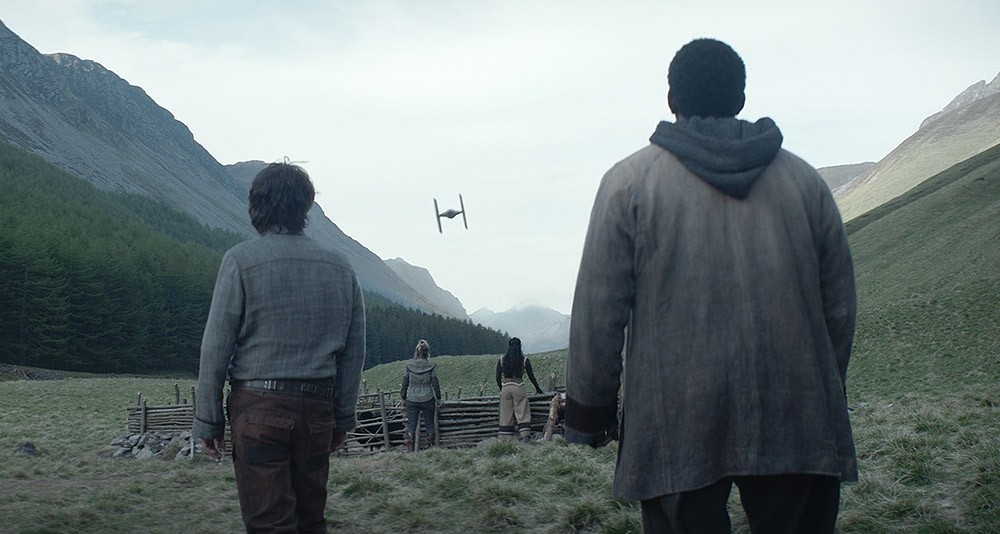
Things are not calm in the rebel camp either: like the commandant, they hope the night goes perfectly, though their ideas of perfection differ. The divided conspirators (Vel with Cinta by the river, the rest on the hill) test radio communication, and engineer Nemik makes their archaic receivers work. When the main detachment sets off, Andor learns that one of the rebels is a former stormtrooper, which is, of course, unexpected. Meanwhile, Vel and Cinta, sitting under the rocks, almost get discovered, but the Imperial patrol doesn't notice them - they are watching the procession of the natives, the Dhanis.
The Dhanis march to the Sacred Valley, where they plan to spend the night. As we are told, their processions once reached fifteen thousand people, but now the old chief (David Hayman, incredibly authentic charisma) managed to gather only sixty - the colonialist policy of the Empire is bearing fruit. In general, the motif of the Empire as a unifying evil that destroys any individuality (including unique cultures) is perhaps not new, but in 'Andor' it blossomed with new colors - it has never been so obvious exactly which books on the history of colonialism the screenplay author read.
In parallel, Commandant Jayhold is preparing for the evening review - everything must go perfectly, the colonel must be satisfied. The victims of the commandant's careerism are his unbuckling belt ('it's broken!', the officer shouts at his wife) and his pale son, who doesn't want to put on a black (!) Imperial shirt and go to the event. The son, it must be said, looks like he stepped out of the film 'The Damned', oh those sickly Aryan boys.
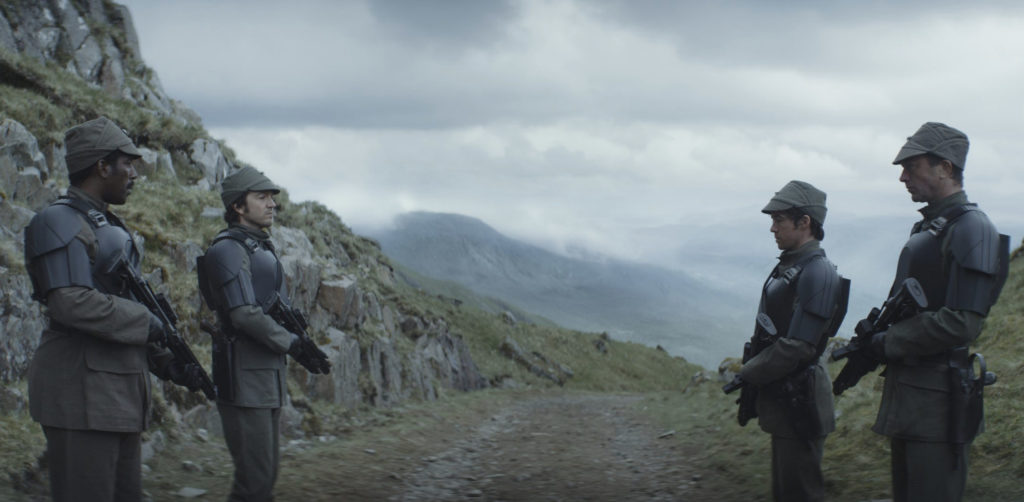
While the Dhanis, led by the chief, march through Imperial territories, we see the heroes, disguised as Imperial soldiers, guarding the passage and talking to Lieutenant Gorn - the rebels need a signal from Vel. Then everything develops rapidly and is difficult to recount: the rebel girls climb onto a bridge, mine it, and Vel contacts the rest of the group.
Small territorial movements precede the beginning of what we have all been preparing for over the last three episodes - the big heist. Like any perfect plan, the rebels' plan almost immediately goes awry - the colonel has to be killed (the man was unlucky, just visiting for the day), the garrison commandant shouts with panic in his voice that he doesn't know the code to the underground vault with the money, and the rebels hold hostage a woman, a child, and technical staff. Cinta (Varada Sethu), the second rebel girl, will sit with them until the end of the episode, and her fate somehow never becomes clear.
Nevertheless, Andor, Gorn, Nemik, and two other comrades, with the commandant at gunpoint, penetrate the underground level of the base. At the same time, cautious Imperial soldiers, sensing something wrong, rush there too. Naturally, they catch up with the rebels just when they have already managed to load a lot of money into the spaceship's hold but haven't yet managed to take off.
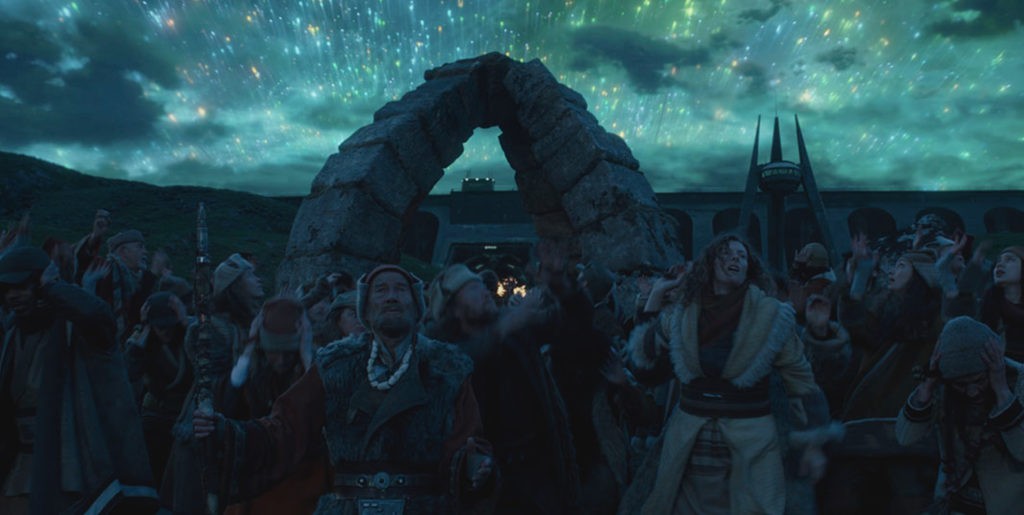
In the ensuing firefight, everyone dies except Andor, Skeen, Vel, and the anarchist Nemik, who is destined for one of the most absurd deaths in 'Star Wars' history - during a hasty takeoff (by the way, a powerful scene), he is crushed by the stolen boxes of money. With a clearly broken spine, he managed to clear a path for Andor through an asteroid field that beautifully ignited over the planet (recall, the heist was planned to coincide with the local pagan festival, when thousands of crystal asteroids ignite in the sky), but by the time they reached the nearest doctor, Nemik had died. Farewell, Nemik, you were the best hero of the Disney era.
While their friend was dying under Vel's care, Andor and Skeen discussed the success of the operation, which, as it turned out, meant very different things to them. Andor was thinking of getting far away with his share (200,000 promised to him by Stellan Skarsgård), while Skeen suggested running away with all the money, splitting it fifty-fifty, and never meeting again. The enraged Andor killed the traitor and, entering the tent, saw Vel and Nemik's body. He handed Vel the kyber crystal (the very one that Luthen Rael had given him as a pledge and which Skeen had noticed in the previous episode) and took the ship and his share. As a farewell, Vel handed him the manifesto that Nemik had written - he wanted his work to go to Andor specifically.
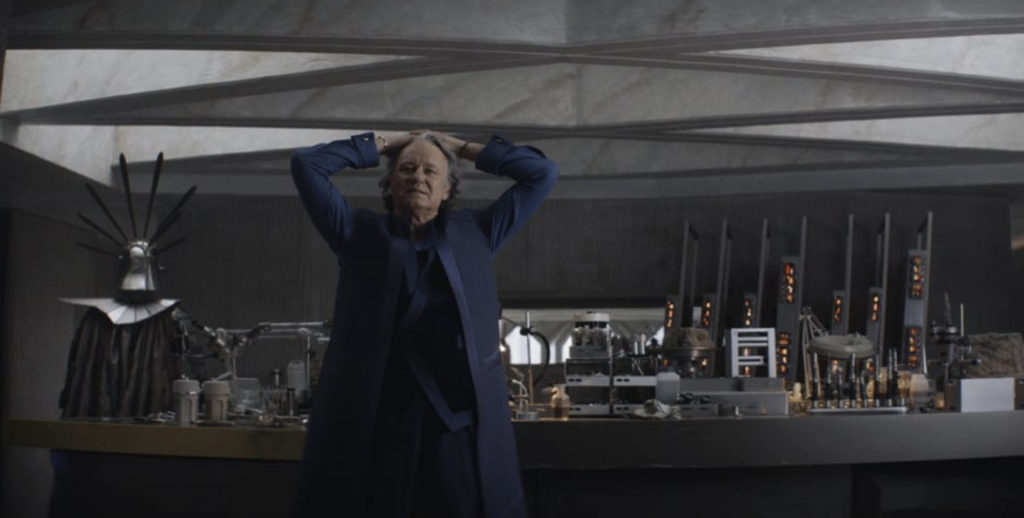
The finale of the episode is unexpectedly laconic and eloquent: during Mon Mothma's routine speech in the Senate, no one is listening to her - the parliamentarians have heard news of the grand heist. Meanwhile, in his workshop, listening to the radio, Luthen Rael laughs - his plan has succeeded.
How was it?
The sixth episode is the most spectacular and, overall, grandiose. The authors remain true to both their unexpected sarcasm and their remarkably accurate moral compass. Imperial colonialists, a touching scene with the manifesto (if Andor reads it, it will be the first evidence in 'SW' history of the influence of political philosophy on political reality), an anarcho-socialist crushed by capitalism - one episode of 'Andor' contains more witty, interesting, amazing, and sad moments than ten episodes of 'House of the Dragon', its closest competitor.
But, of course, the climax of the episode is the rain of luminous crystals, against the backdrop of which Imperial fighters chased the rebel robbers. Firstly, looking at this sky, you immediately understand why the local tribes worship it and why the Empire will inevitably lose. Secondly, this is precisely the ecstatic spectacle for which it is worth watching 'Star Wars' at all. Thanks to its scale, the elegance of the idea, and its utterly unearthly beauty, this scene belongs right next to the best moments of the original trilogy, which, with modest visual means - three ships and a couple of meteors - evokes an almost incomparable feeling of childlike wonder.
It is noteworthy, by the way, that exactly 20 years ago, the best series of autumn was also a story about cosmic revolutionaries - 'Firefly'. In that case, the freedom fighters, however, lost, but here, it seems, they are winning, and this, in general, cannot but please.
Comments
0No comments yet.
Sign in to join the discussion.