
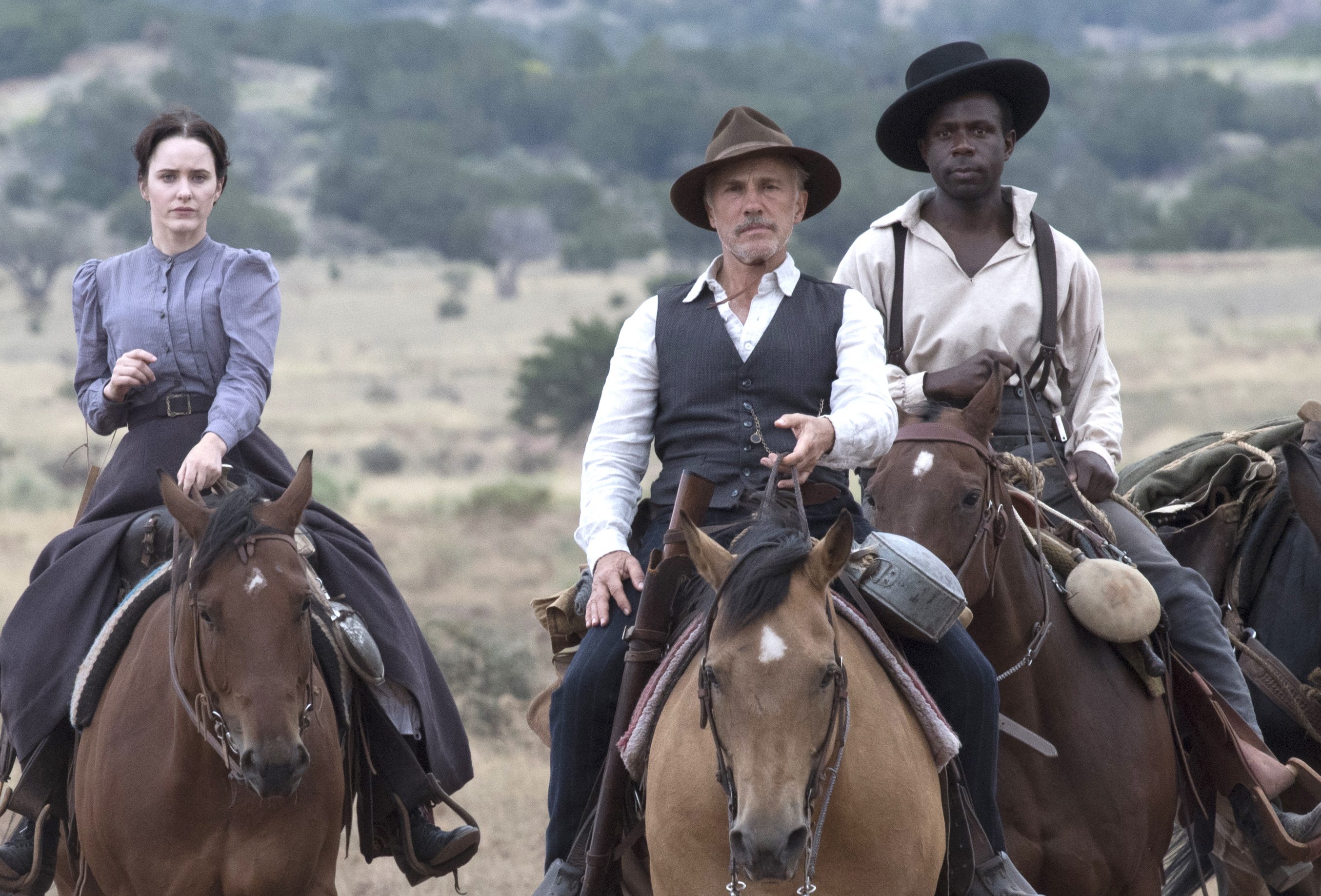
Willem Dafoe shoots cockroaches, the damsel in distress saves herself, all set in Mexico with Christoph Waltz — a new film by genre cinema classic Walter Hill is in theaters. More details about the film in our review.
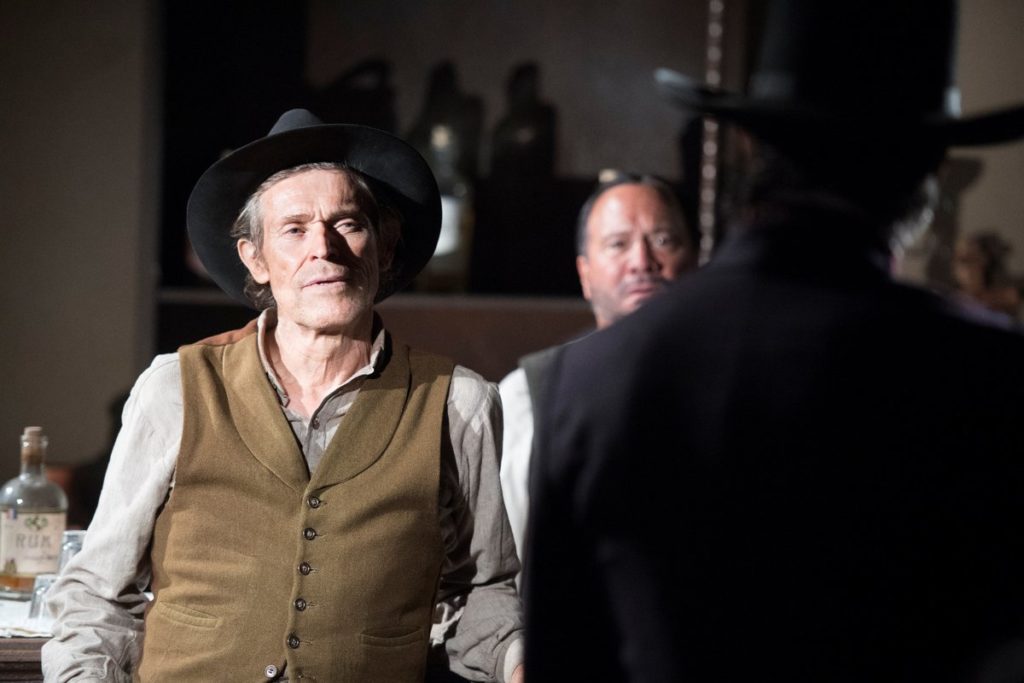
Bounty hunter Max Borland (Christoph Waltz) carries out another job in Albuquerque, near the Mexican border. After settling his affairs, he visits Joe Cribbens (Willem Dafoe) in prison — a criminal, card sharp, and murderer who will soon be released. They exchange pleasantries and hope to stay out of each other's way, though both understand it won't happen.
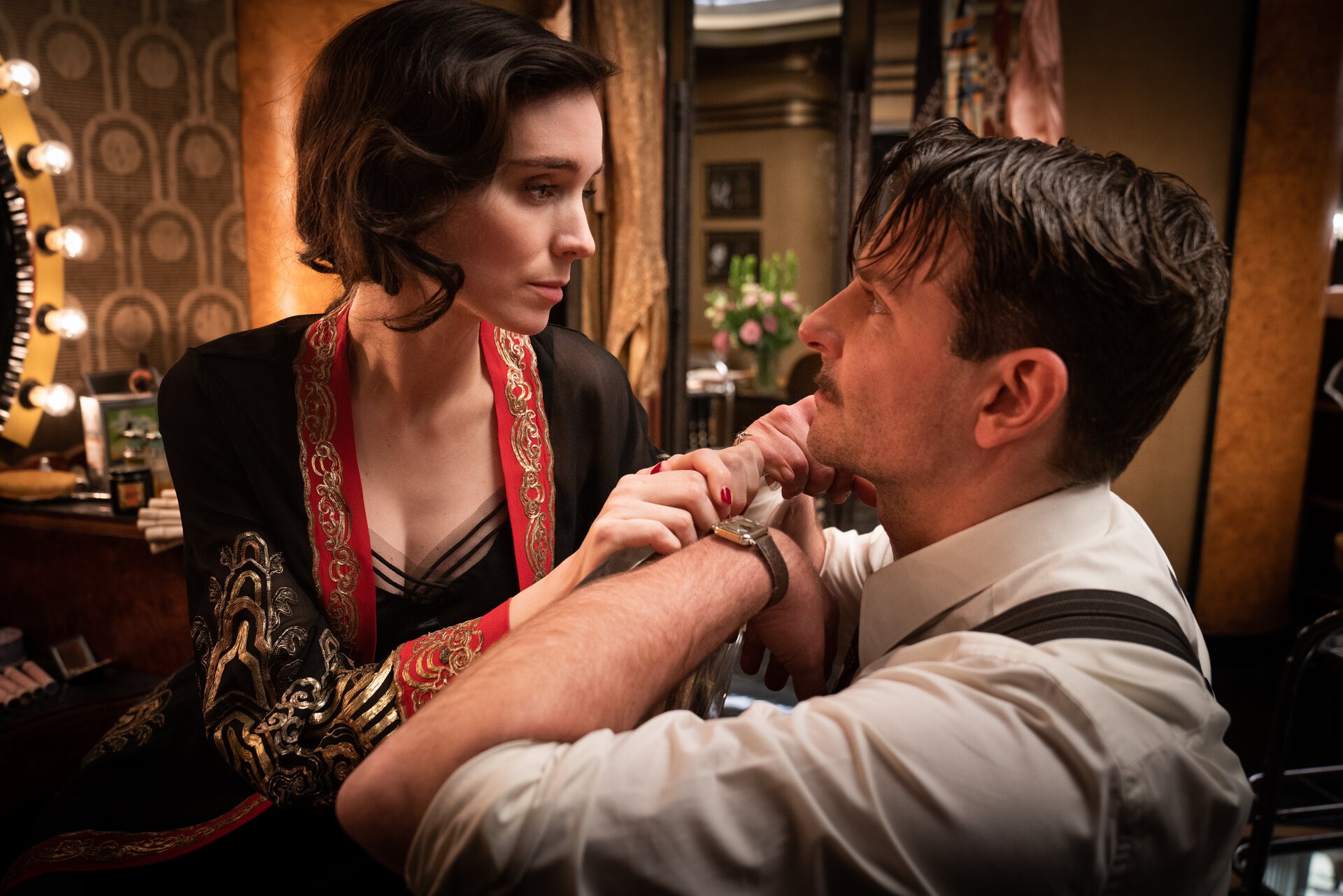
The spectacular 'Nightmare Alley' became another plunge by Guillermo del Toro into a world of fantasies, but not mystical or frightening enough. Mythical creatures are no longer so monstrous, and the film
Open materialLeaning back, Dafoe's character heads to Mexico, but Borland's path leads there too — he is hired by a wealthy businessman and congressional candidate to find his kidnapped wife (Rachel Brosnahan), who was taken to Mexico by a deserter soldier (an African American, a scandal), who now demands a ransom.
Borland takes the job and gets a partner, soldier Alonso Poe, a friend of the deserter who knows where he fled, and who, importantly, is the best marksman in the regiment. Poe tells Borland that Mrs. Rachel Kidd was not kidnapped; she ran away on her own, conspiring with Elijah, whom she taught literacy in her evening school. Both were dissatisfied with their own lives, and deciding to change them, the conspirators fled, and the ransom demand is an easy way to get money to settle in a new place.
All further action in 'Dead for a Dollar' revolves around these three threads — Borland and Poe search for and find the missing Rachel, Rachel herself strives to get away from her husband because he abuses her and uses her as a 'decorative' wife, and Willem Dafoe's character, parallel to the main plot, drinks, smokes, and hates the English somewhere in a nearby Mexican town.
All three subplots converge at some point, but not in the most obvious way — they are connected by a fourth line about a local crime boss who terrorizes the entire area. He wants to kill Borland, Cribbens, and Mrs. Kidd, and they all try to avoid this (and also kill each other). Of course, the ending can be guessed from the fifteenth minute, but that's not too important.
At some point, the action suddenly starts to resemble 'Django Unchained': again Waltz, again his African American protégé, again some campfire tales, but of course, this is a completely different movie. Here, there's no need to save Brunhilde (Django's beloved in Tarantino's film) — she has her own revolver; no need to fear wealthy landowners: the main antagonist of the film is a weak and worthless man; here, no one really needs anything, everyone runs and shoots more out of inertia than necessity.
Here, much is by inertia — Waltz's charisma flickers rather than shines; Brosnahan from 'The Marvelous Mrs. Maisel' has little to play; all these aging cowboys, unrealistic towns — 'Dead for a Dollar' sometimes seems less like a film and more like a mass grave of the genre's hopes and aspirations.
This is deliberately simple, some might even say primitive cinema: the dramaturgy is minimal, the camera barely moves, they shoot rarely, and hit rarely too — in short, not what you expect from a film from the Venice Film Festival (though from the out-of-competition program). Especially if you look at the westerns that previously came from Venice — the wonderful 'The Sisters Brothers' by Audiard, the outstanding 'The Ballad of Buster Scruggs' by the Coens. The Italian festival quite sensitively measures the fading pulse of the great American genre. However, when the initial shock passes, and the b-movie with a festival stamp ceases to seem out of the ordinary, it becomes clear that the Italians, in general, didn't miss the mark.
He simply made a movie from the 50s in our turbulent times (against this backdrop, his own 'The Long Riders', released forty years ago, seems like an innovative film), from the era of Wayne, Gable, Cooper; from times from which we remember John Hawks and John Ford, although back then literally everyone made westerns; in fact, the film is dedicated to one of the hundreds of forgotten masters of the genre — Budd Boetticher. Sepia, sandy-brown tones, longing in Willem Dafoe's eyes — 'Dead for a Dollar' is certainly not a modern action movie; it's a faded Polaroid, beautiful in its ghostliness: it seems to exist, but if you blink too much, everything might vanish: the sets will fall apart, Christoph Waltz will go to the next pavilion to play another villain.
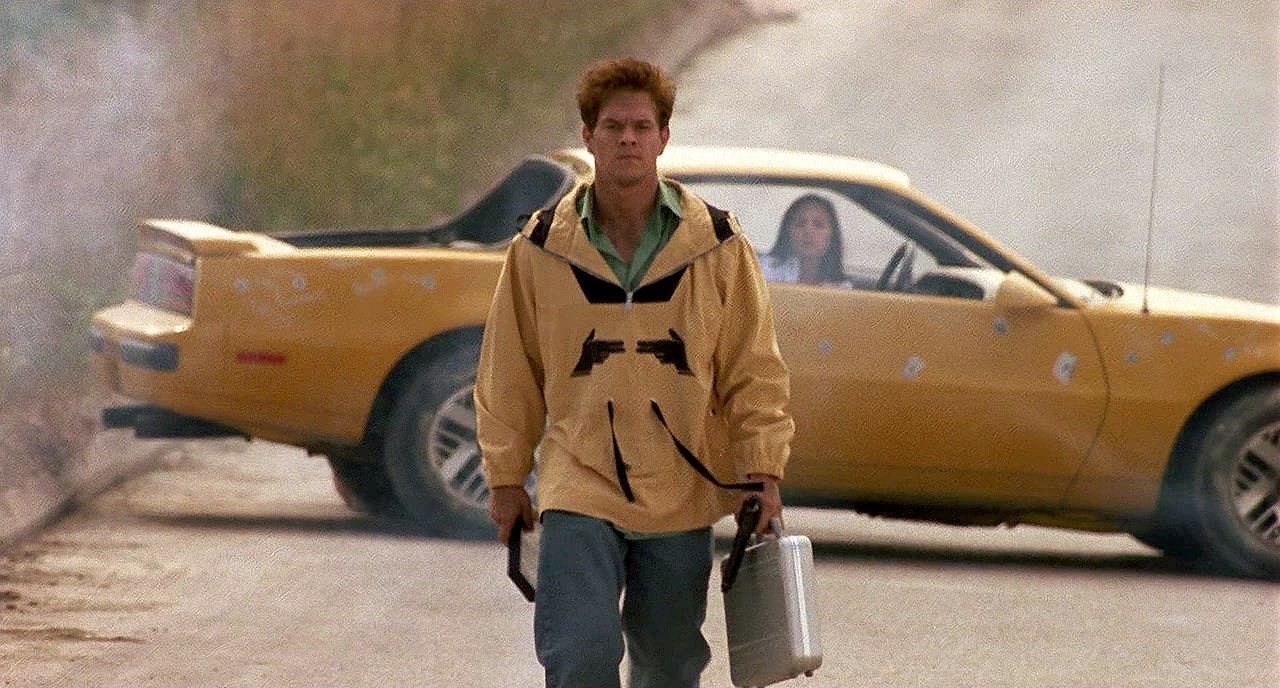
Action films of the 90s are a separate category of cinema, with many blockbusters but even more underrated works.
Open material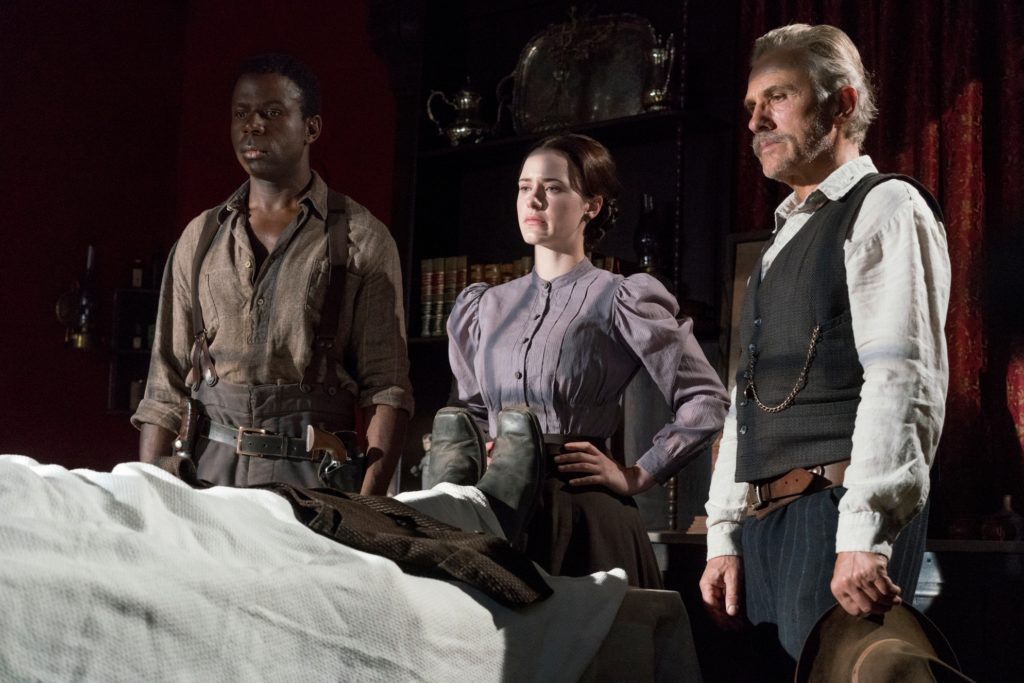
'Dead for a Dollar' is a translucent film about an equally elusive, fading Wild West. It's 1897 — in ten years, the state will finish off the dreamers ('Butch Cassidy and the Sundance Kid' is set in 1908), in fifteen years, the dreams ('The Wild Bunch' is set in 1913) — bounty hunters are still at work, revolvers are still on everyone's belts, but the time of the frontier has already passed. Walter Hill, an ambassador of films about brutal men, known for essentially reviving the western in the 80s and 90s, by 2022 has come to terms with the fact that the world has changed, and that probably says a lot.
This elegiac b-movie is certainly not Hill's best work, but you can, in general, endlessly watch Willem Dafoe outplay everyone at poker, Christoph Waltz shoot bad people, bad people shoot Christoph Waltz — all this is not a necessary spectacle, and it could have been, as many write, better, but life could have been better too, so if your heart beats in the rhythm of a burst from an old Colt — this is for you.
Comments
0No comments yet.
Sign in to join the discussion.