
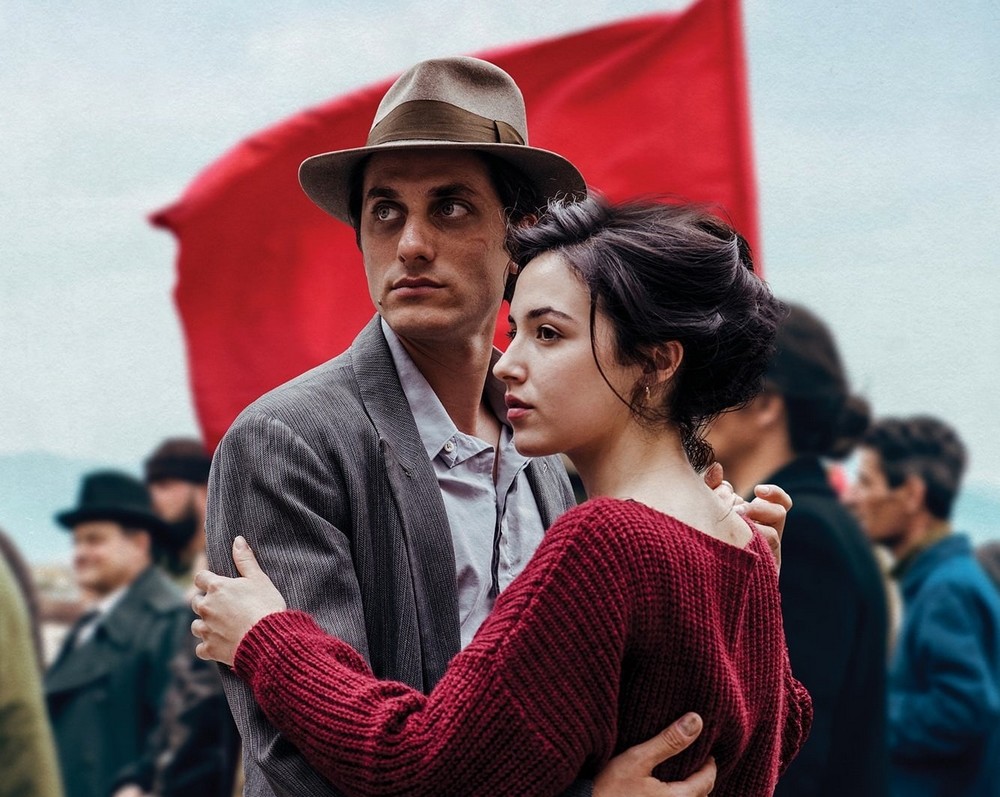
A good adaptation does not always mean that the end result will be a good film. Sometimes a director tries so hard to transfer as much of what is written on paper to the screen that the film collapses like a house of cards, trying to be everything at once. Jack London's Martin Eden is a very ambiguous and undoubtedly outstanding novel. What is the new adaptation like, which will finally reach our theaters on August 26?
Martin Eden, the Original Source
Those who want to start discussing the film right away will have to wait a bit. To understand 'Martin Eden', you need to know the context of its writing and the problems of attempts to adapt it in modern times.
If we look at literary classics, we will find countless examples of how through a book the author conveys his views and beliefs, passively influencing the real world.
Jack London held socialist views, so he endowed his hero with completely opposite, individualistic beliefs, so that his disappointment in the world would have an almost parable-like quality. We must not forget that the novel was completed in 1909, during a period of major trade union movements, and the Red October was not far off.
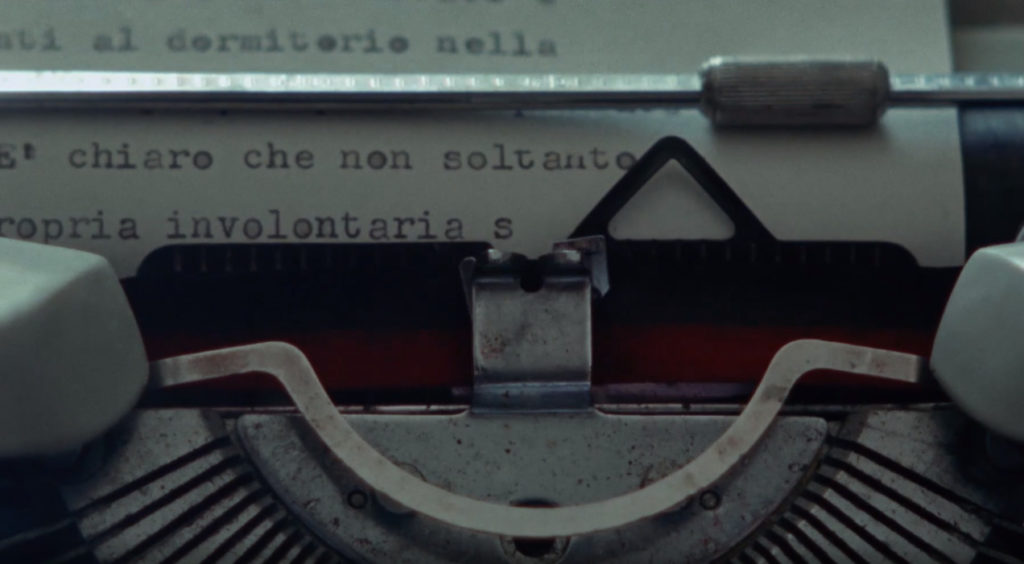
London tried to convey everything that had boiled over in himself and in society through this semi-autobiographical novel.
Now we can proceed to the film.
First Figure, Sentimental
The first half of the film is beautiful. I don't know how else to put it, but Pietro Marcello filmed everything in a way that could easily pass for classic Italian cinema. Beautiful visuals, excellent musical accompaniment (when Salut by Joe Dassin started playing, I almost cried), wonderful acting performances.
I would like to make special mention of Luca Marinelli, who endowed his character with simplicity and charisma, which was so pleasant to watch throughout the entire film. His Martin Eden is both a proletarian and an intellectual, down-to-earth and refined – exactly as he should be.
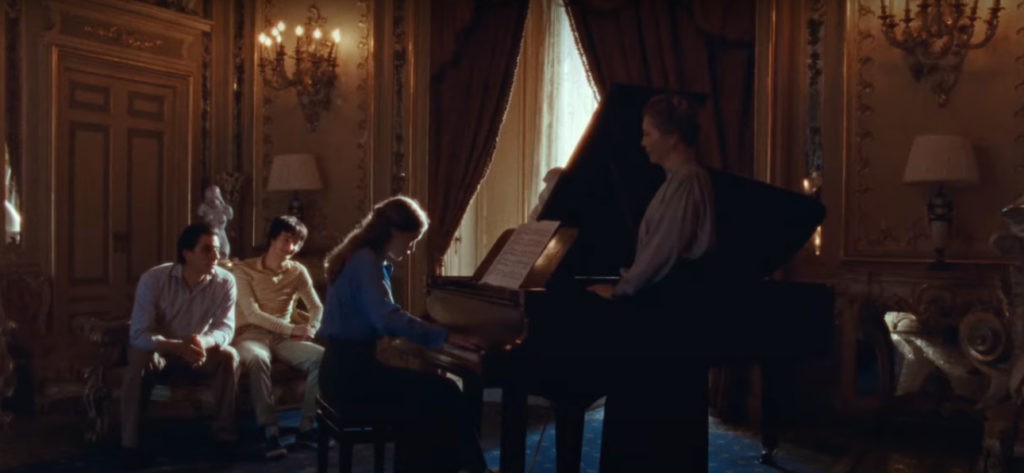
The entire first part is steeped in the sea and ship docks, the paper of old books and coal in the smelter, junk from a second-hand shop and rural fields. Against this backdrop, fragile young love blooms especially brightly and leaves the viewer indifferent.
Second Figure, Political
, it is simply impossible to avoid politics, due to the strong engagement of the film. Forgive me.

Somewhere around the second part, the film's foundation begins to crumble. 'Martin Eden' introduces a political subtext, which it had only hinted at before, and tries to convey it word for word as London did, losing along the way the meaning that London had put into it.
Eden's individualism is shown as the right way of thinking, as a good antithesis to the socialism depicted in the film. The political and philosophical diversity of the novel is presented here only through a small interest group and two debate appearances (one of which Martin himself did not even participate in), and in both cases there were no, absolutely no rebuttals from the opponents of the charismatic protagonist.
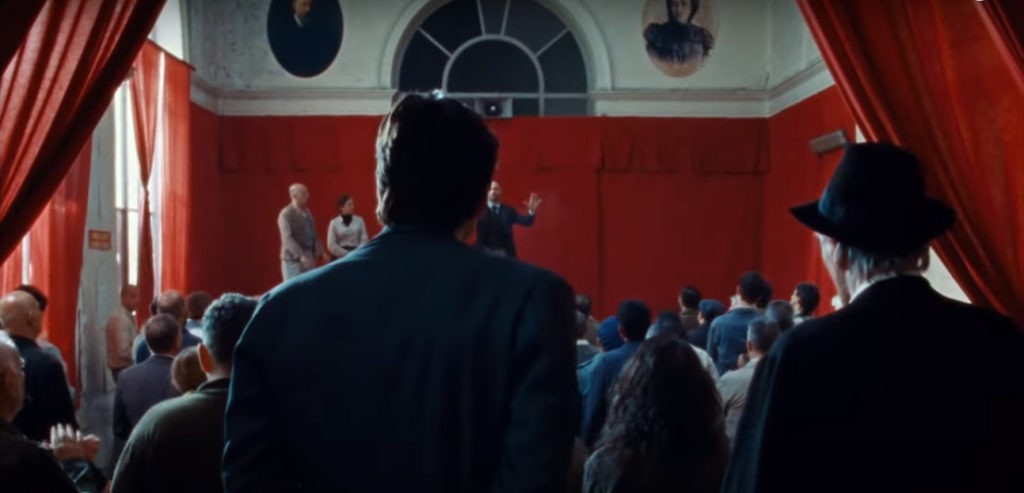
What conclusion can be drawn from this? The director took a source in which the protagonist was close to his spirit and adapted it naively, without attempting to delve into London's deeper idea.
Marcello did not see (or deliberately omitted) the irony with which London describes the reaction of the environment to Eden's individualism, so Martin's discussions about workers as a society of slaves who ignore individuality and must, one way or another, serve the master-individualists, the 'blond beasts', are presented here completely seriously.
In short, a tender and fragile love story turns into a strange and ambiguous political statement.
Third Figure, Conclusive
We have one last question to answer. Is 'Martin Eden' well adapted?
Well, it is quite close to the letter of the original, repeating entire passages from Jack London. It follows the plot outline, only occasionally changing the sequence of certain events to suit the director's vision. It is a bit drawn out, especially towards the end, but that way you can fit more of what happens in the book on screen, right?
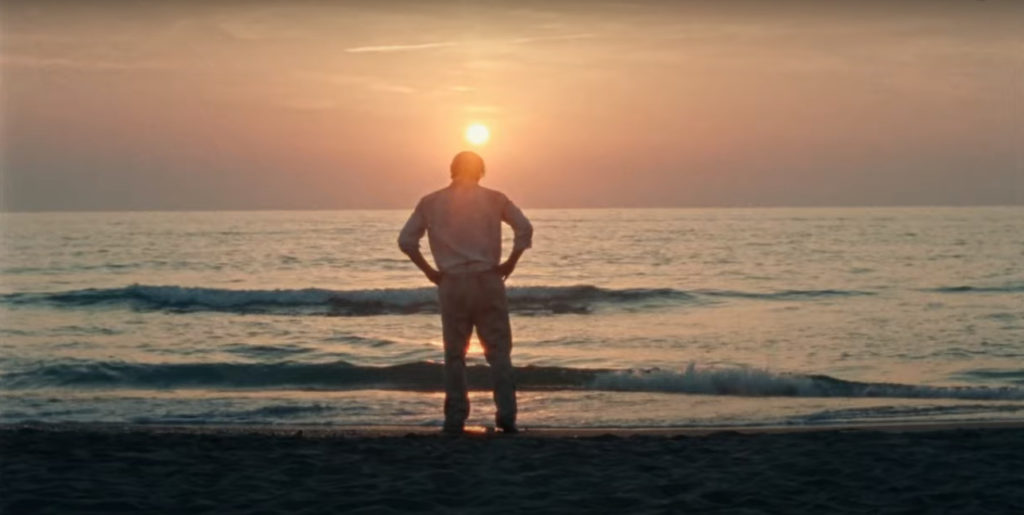
However, adaptations must be able not only to cram as much original text into the script as possible. Especially in such semi-biographical works, one needs to grasp why and in what historical context the novel appeared, who its author was and what his message was.
So 'Martin Eden', a surprisingly beautiful and atmospheric film, with excellent direction, cinematography, acting performances, and a successful soundtrack, becomes exactly a good adaptation, which we highly recommend watching if you love European cinema.
Good. But not great.
Martin Eden in Russian theaters from August 26.
Comments
0No comments yet.
Sign in to join the discussion.