

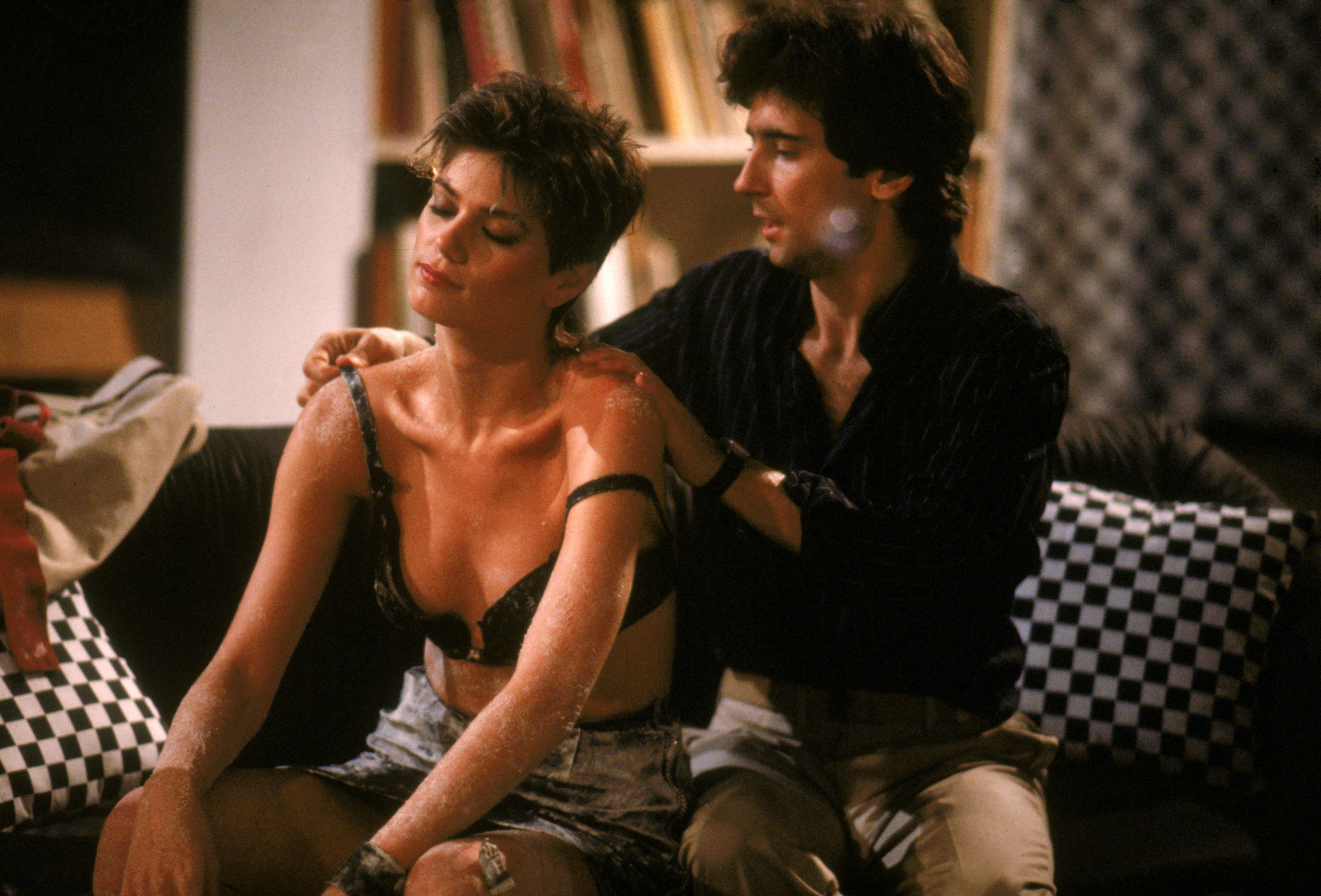
Remembering the amazing, beautiful, and diverse cinema of the 80s and the bright but underappreciated films of that era.
What movies come to mind when you think of 80s cinema? You probably recall titles like The Terminator, Aliens, Back to the Future, and many other cult classics. However, the 1980s saw the release of a huge number of great films, many of which didn't receive the attention they deserved from audiences. Let's fix this oversight and present to you our list of the 10 most underrated movies of the 80s.
Prince of the City (1981)
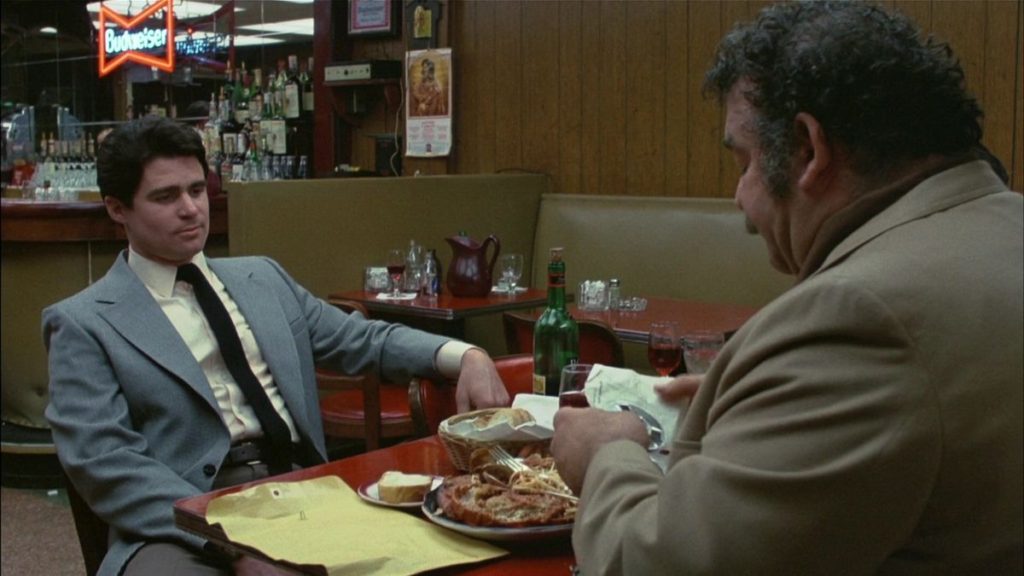
Sidney Lumet directed one of the best police films of the 70s, but he didn't lower his standards in the 80s, helming Prince of the City. This work, like Serpico, raises questions about dirty cops and honest law enforcement officers.
Just imagine how thorough Lumet's approach was in making this film: 126 dialogue scenes and 130 shooting locations. The nearly 3-hour runtime allowed the director to properly tell the complex story of a detective who decides to fight corruption within the police force.
Thief (1981)
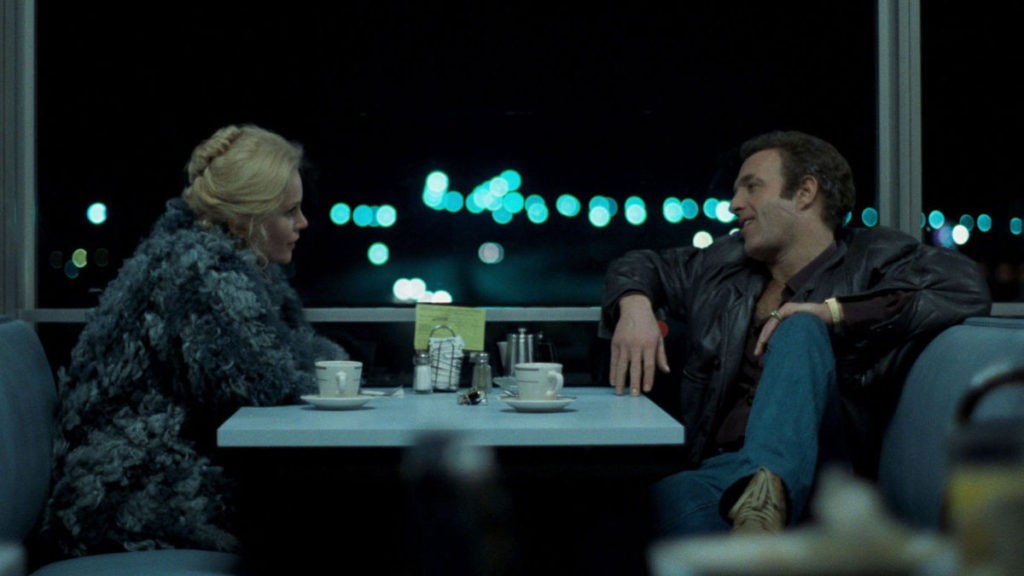
Today, Michael Mann is better known as a producer or director of clunky, old-fashioned action films (see Blackhat), but in the 80s and 90s, he was one of the leading directors of intelligent and gripping cinema. However, not all of his works from those decades received their due share of attention from a wide audience. While everyone has seen Heat, Mann's film Thief is rarely mentioned when discussing his best creations. And that's a shame.
In his debut film, Mann largely predetermined the overall style of many Hollywood films for the next decade. He skillfully used various newfangled filming techniques, never forgetting that the story must center on a strong and charismatic character (played here by James Caan).
The plot follows Caan's character, a seasoned thief who dreams of a normal life. To achieve this, he agrees to a deal with a dangerous mafia boss and takes on a difficult job, even knowing that corrupt cops are hot on his trail.
Thief is a powerful and stylish crime film, echoes of which can be seen in many subsequent movies on similar themes.
Blow Out (1981)
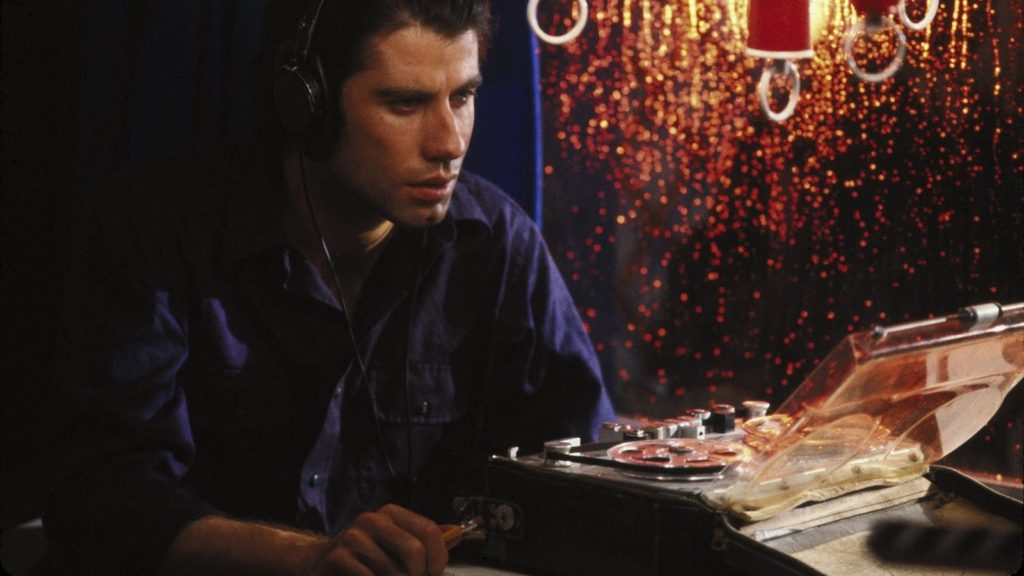
The film Blow Out is not the most notable entry in Brian De Palma's filmography, especially compared to Scarface and The Untouchables. Of course, the film starring John Travolta (arguably his best career role) can hardly be considered a masterpiece, but it undoubtedly deserves more recognition.
The story follows a sound engineer named Jack who works on B-movies. One workday, while recording sounds for a new film, he accidentally witnesses a car accident and then rescues a woman from the sinking car. At the same time, he manages to record a mysterious sound that could serve as evidence of murder, rather than the accident the police believe it to be.
This work can be characterized as typical De Palma cinema — an unpredictable thriller, a mandatory homage to Hitchcock's work, and a spectacular emotional ending. And it's all beautifully shot and even better acted by John Travolta and John Lithgow.
Diner (1982)
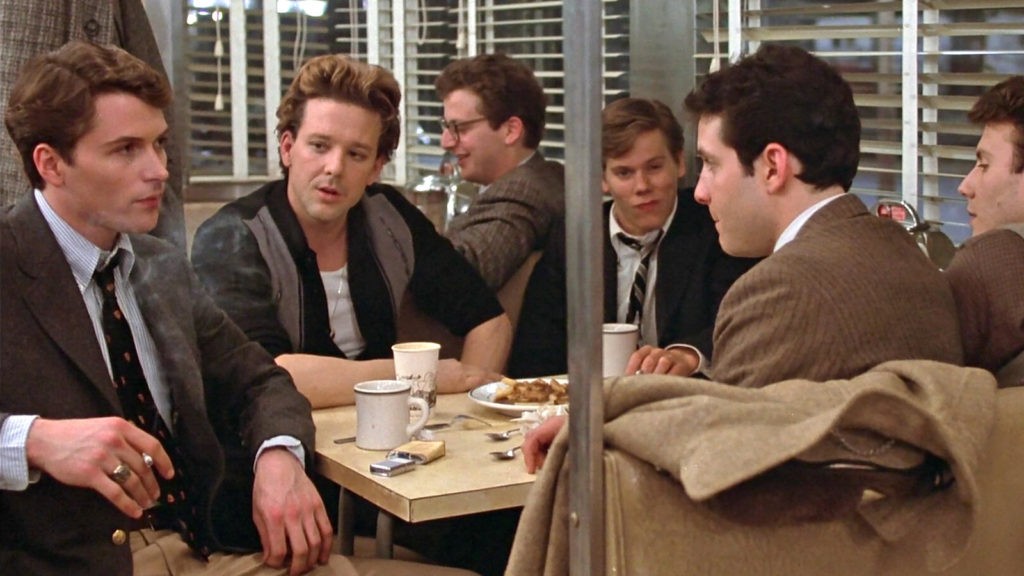
Imagine Daniel Stern, Mickey Rourke, Kevin Bacon, and Steve Guttenberg just goofing around, chatting about nothing and everything all at once. Admit it, you immediately want to see that group, right?
This film by director Barry Levinson belongs to the genre of so-called plotless cinema or slice of life. There is essentially no beginning or end here; it's just a small excerpt from life, filled with humor, life observations, and quite ordinary situations familiar to everyone.
In this film, Levinson managed to capture the moment of transition from a carefree life to adulthood, with its responsibility and lack of former carefreeness. At the same time, watching it evokes a feeling of nostalgia for a bygone era.
The Fourth Man (De vierde man, 1983)
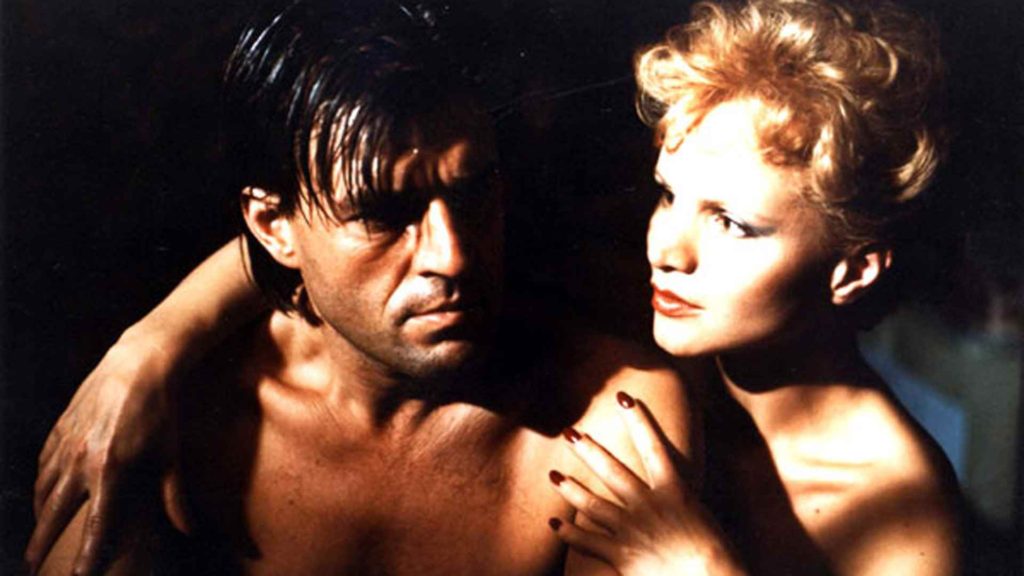
Basic Instinct, Total Recall, RoboCop — all these are cult films that Paul Verhoeven made in Hollywood. However, his Dutch period also includes films deserving of more audience attention. For example, in the 80s, he adapted a novella by Gerard Reve, featuring a protagonist who is a writer, alcoholic, misanthrope, and bisexual, not shying away from seeking God.
The story told by Reve and Verhoeven resembles a terrifying dream in which a fatal blonde sows sex and death everywhere. In a hallucinogenic manner, the director reflects on the power of carnal obsession over the human mind, while also contemplating the power and place of religion in human life.
And no compromises or Hollywood happy endings, only a slow descent into the abyss of madness and an agony similar to that experienced by a spider's victim, immobilized in its web.
After Hours (1985)
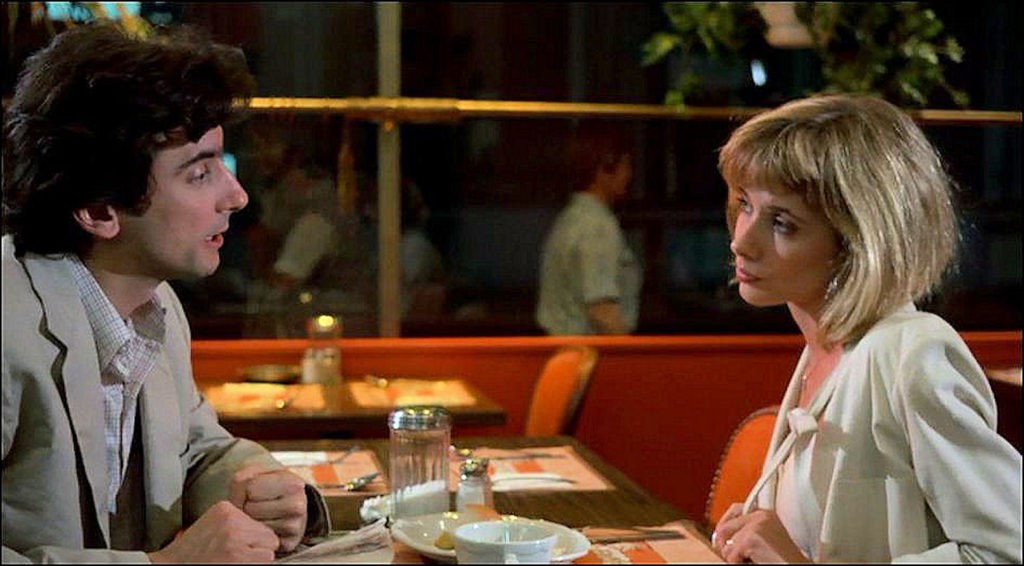
Martin Scorsese is typically spoken of as a master of gangster cinema and a creator of crime thrillers. Few people remember now that in the 80s, the director tried his hand at comedy and did so quite elegantly, as in the film After Hours.
The plot of the film seems simple at first glance — a tired programmer decides to unwind properly after work, but he has no idea where a chance encounter with a beautiful woman in a cafe will lead him.
Scorsese deftly plunges the hero into a kind of labyrinth called New York's Hell's Kitchen, constantly confronting him with the most amazing characters and absurd situations, ultimately building it all up to a true grotesque.
The film was considered a complete box office flop at the time, but Martin Scorsese himself, as a director, managed to win the Best Director award at the Cannes Film Festival.
Near Dark (1987)
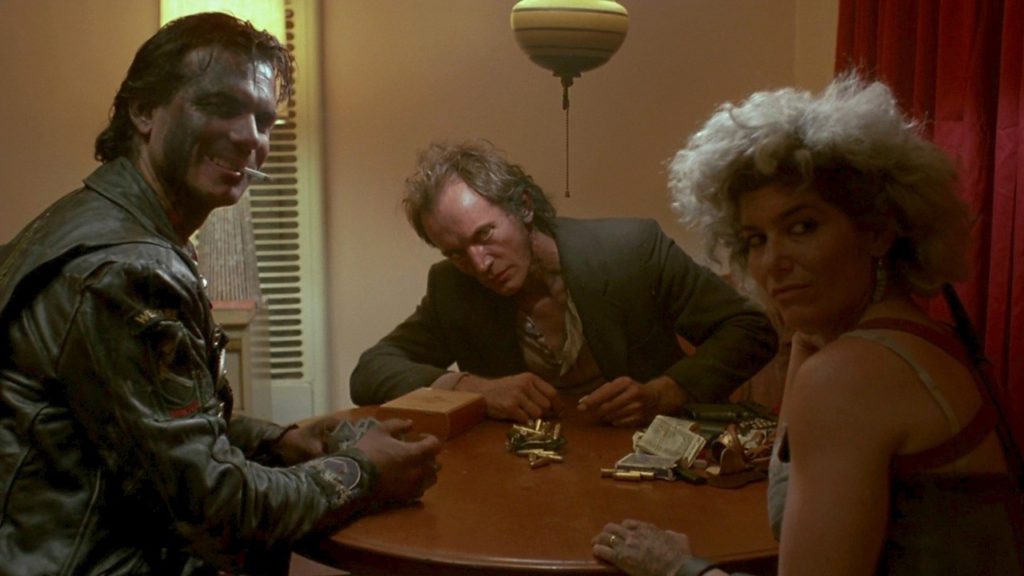
One of the first films by Kathryn Bigelow (Point Break, The Hurt Locker), a vampire movie that could have starred Johnny Depp, a film that elegantly combines the horror and western genres — all this describes Near Dark.
Long before it became fashionable, Bigelow showed a love story between a living person and a vampire, set to the music of Tangerine Dream. At the same time, the film works not only as a sentimental relationship story but also as a bloody and wildly atmospheric horror film, especially in the scenes depicting the rampage of the vampire gang (the ever-supporting Bill Paxton is particularly good in this regard).
Prince of Darkness (1987)
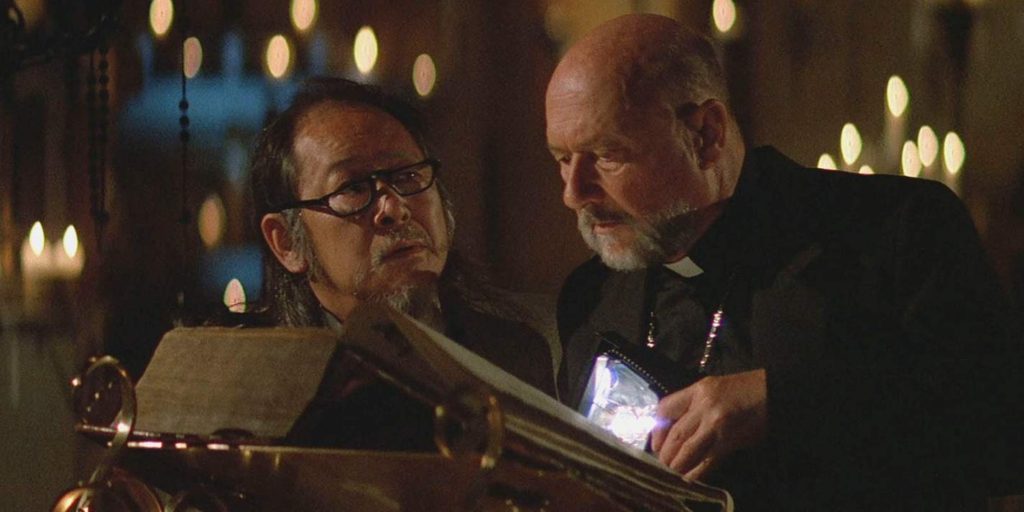
John Carpenter is a director who needs no introduction. His works can be considered a true embodiment of American cinema of that era.
At the center of the plot is a group of scientists who have the opportunity to study a mysterious container over 7 million years old, containing some unknown substance.
The most intriguing aspect of this film is that the author decided to try to combine two seemingly incompatible things in the fight against the supernatural: science and religion. To add tension and a sense of claustrophobia, Carpenter places his characters in a locked church, where real devilry gradually begins to unfold.
The 'Burbs (1989)
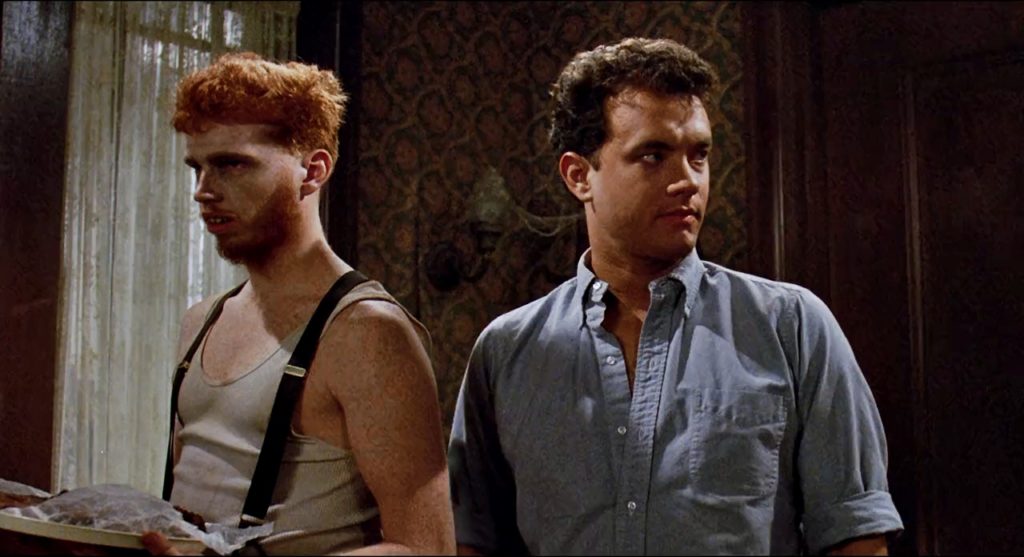
Joe Dante, a specialist in family films, gave the world an extremely interesting comedy film at the end of the 80s called The 'Burbs, starring Tom Hanks.
A new mysterious family named Klopek moves into a quiet suburb. Its members don't talk to any of the neighbors, which generates a lot of rumors. And at night, strange sounds come from their house...
This film has all the ingredients of a good family movie — funny characters played by talented actors, successful humor, and a simple but engaging plot.
The Tall Guy (1989)
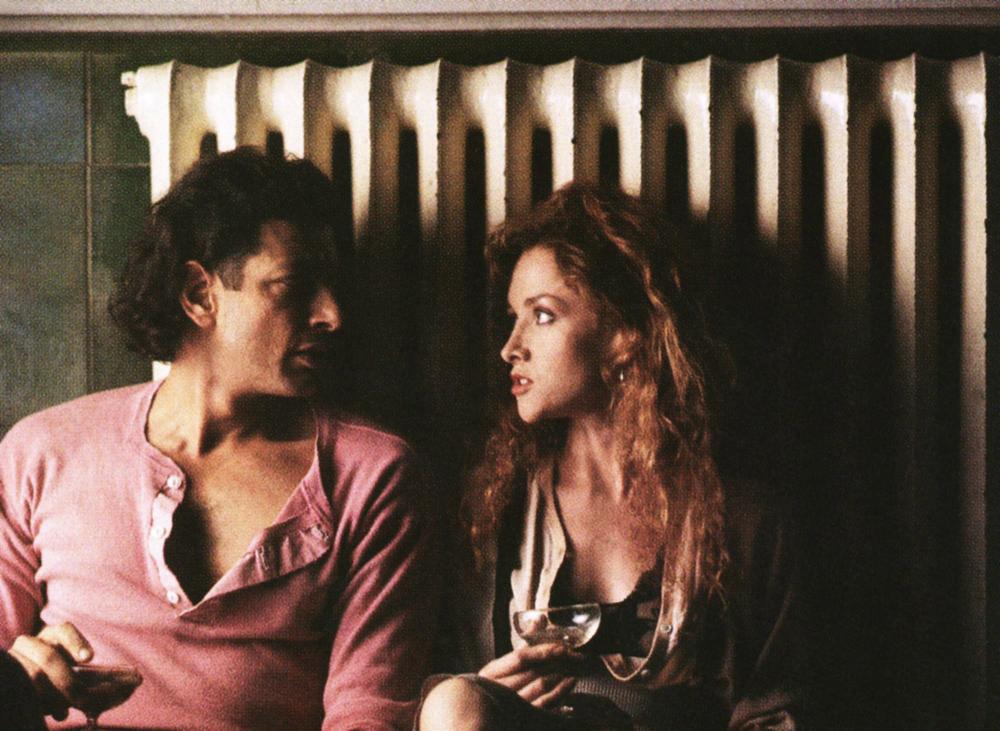
Richard Curtis (Love Actually, About Time) was writing romantic comedies back in the 80s, and he entrusted the story of The Tall Guy to director Mel Smith.
In this film, a struggling actor participates in an absolutely ridiculous play, which allows him to become noticed. The main roles in the project were played by Jeff Goldblum and Emma Thompson, but we mustn't forget about the regular in Curtis's films, Rowan Atkinson.
The Tall Guy is a funny, charming, and romantic comedy that you can watch to relax your soul.
Comments
0No comments yet.
Sign in to join the discussion.