
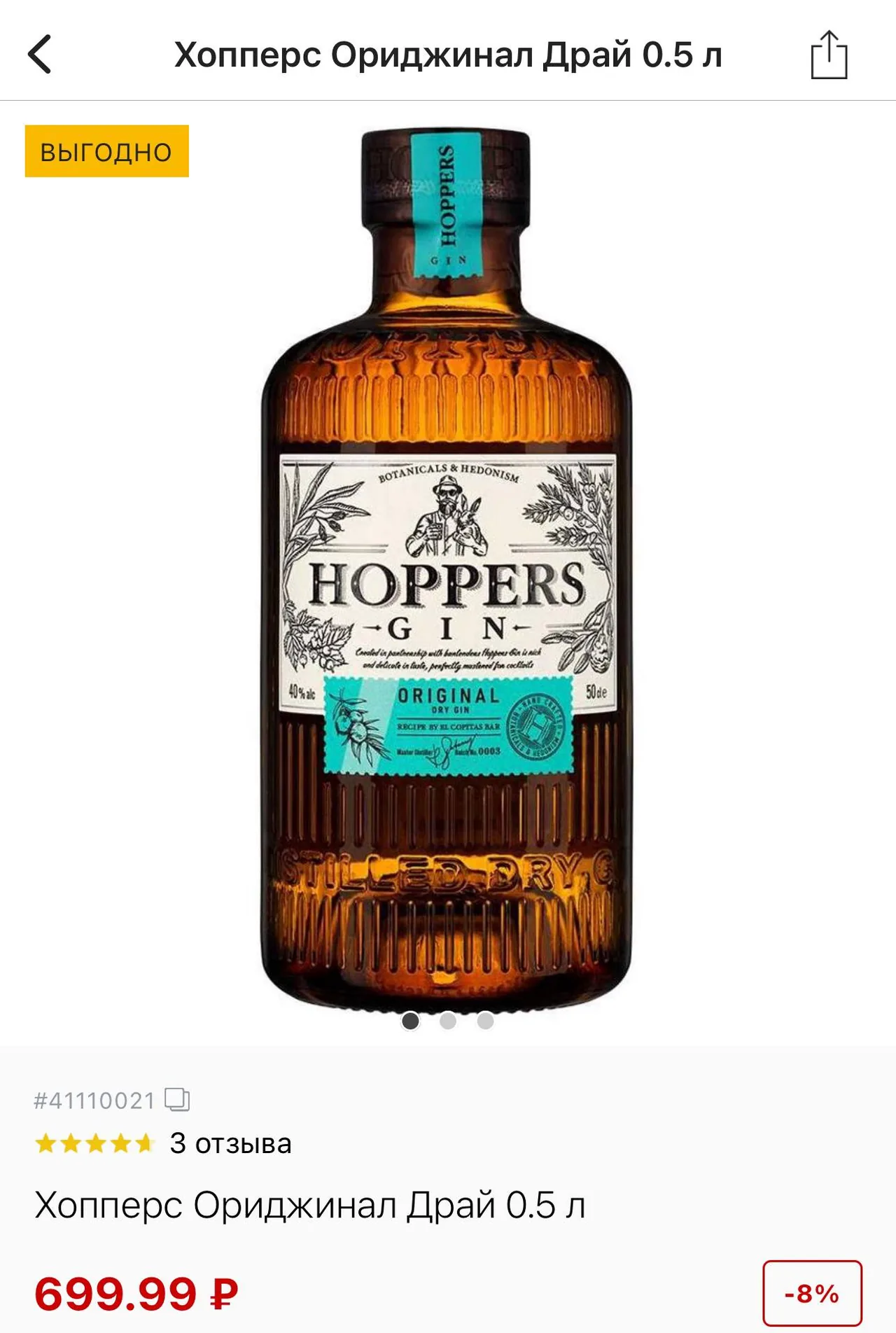
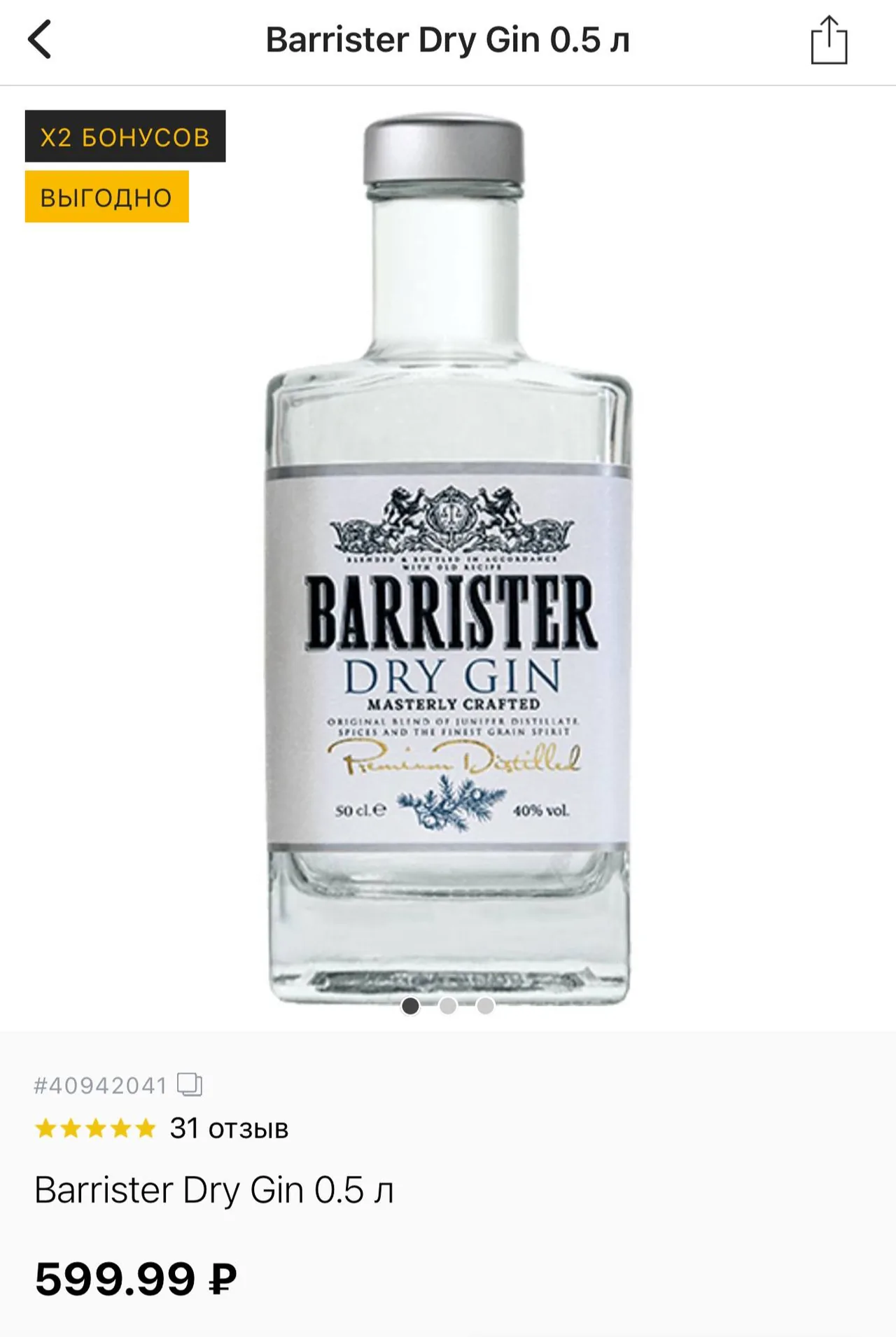
Another factor hindering the development of the wine category in Russia is the uneven fiscal (excise) policy. Wine cannot develop when a bottle of normal basic Russian wine costs the same as a bottle of normal basic gin.
Many buyers still calculate "alcohol per ruble" and that matters to them.
Moreover, this is not only about consumption when people seek a way to "escape," but also about consumption when people look for an accompaniment for evening gatherings with friends and other occasions, while having a budget significantly above the basic level.
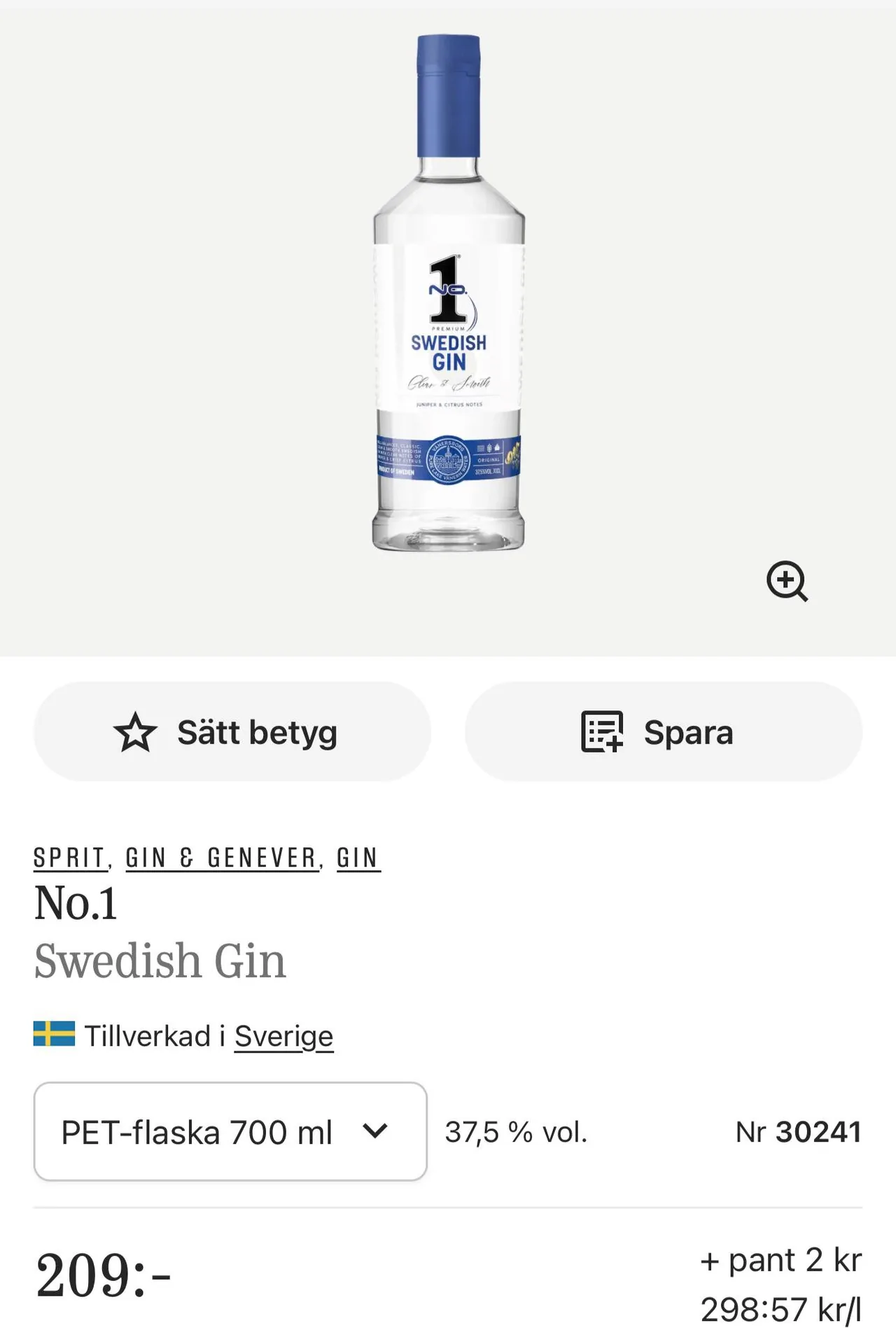
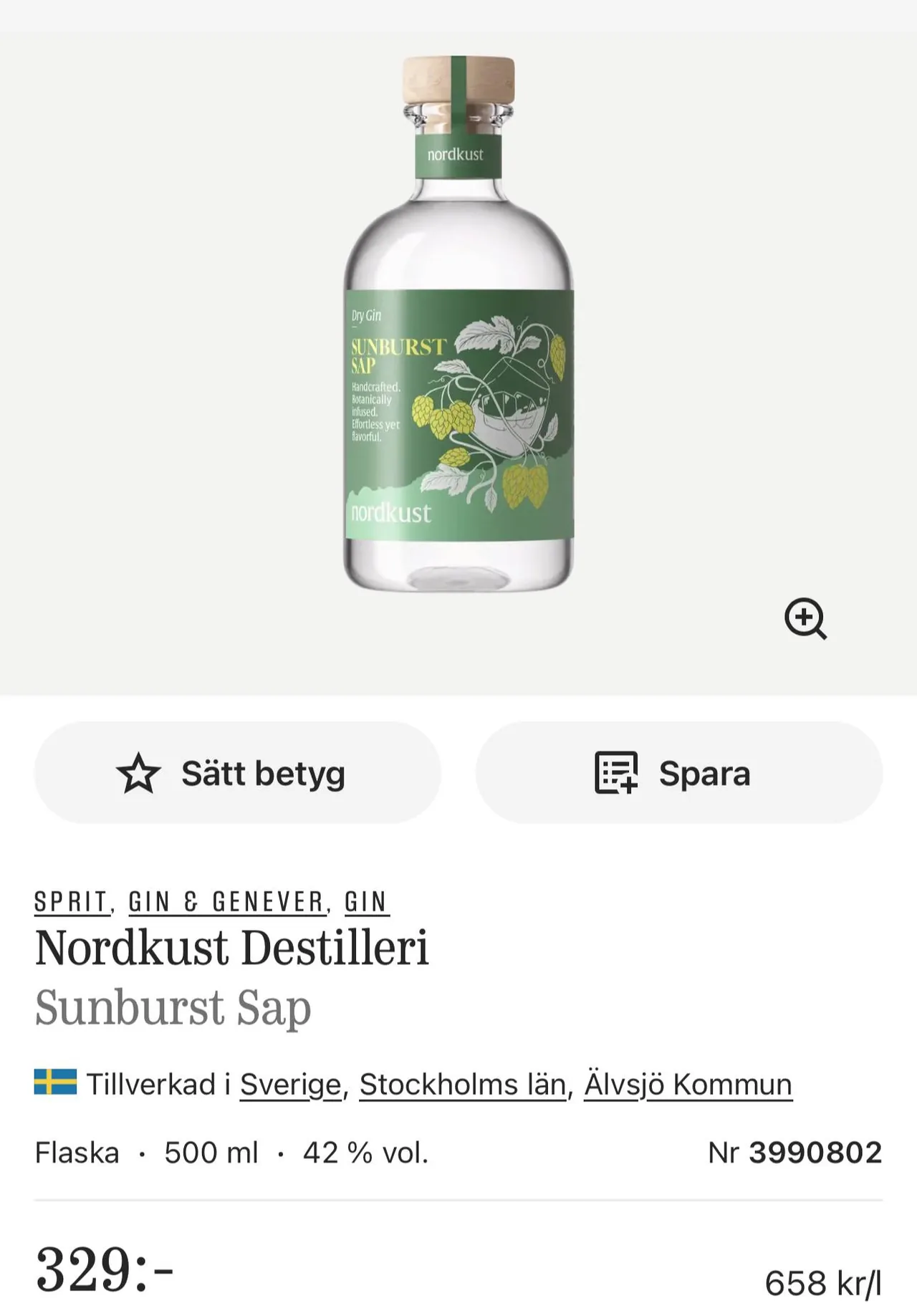
For comparison, in the Swedish state alcohol monopoly Systembolaget, the cheapest bottle of local gin (0.7 L) costs 209 Swedish kronor (1700 rubles), and a gin that can be enjoyed rather than used to numb oneself from the Swedish climate and street news costs from 329 kronor for 0.5 L (2700 rubles).
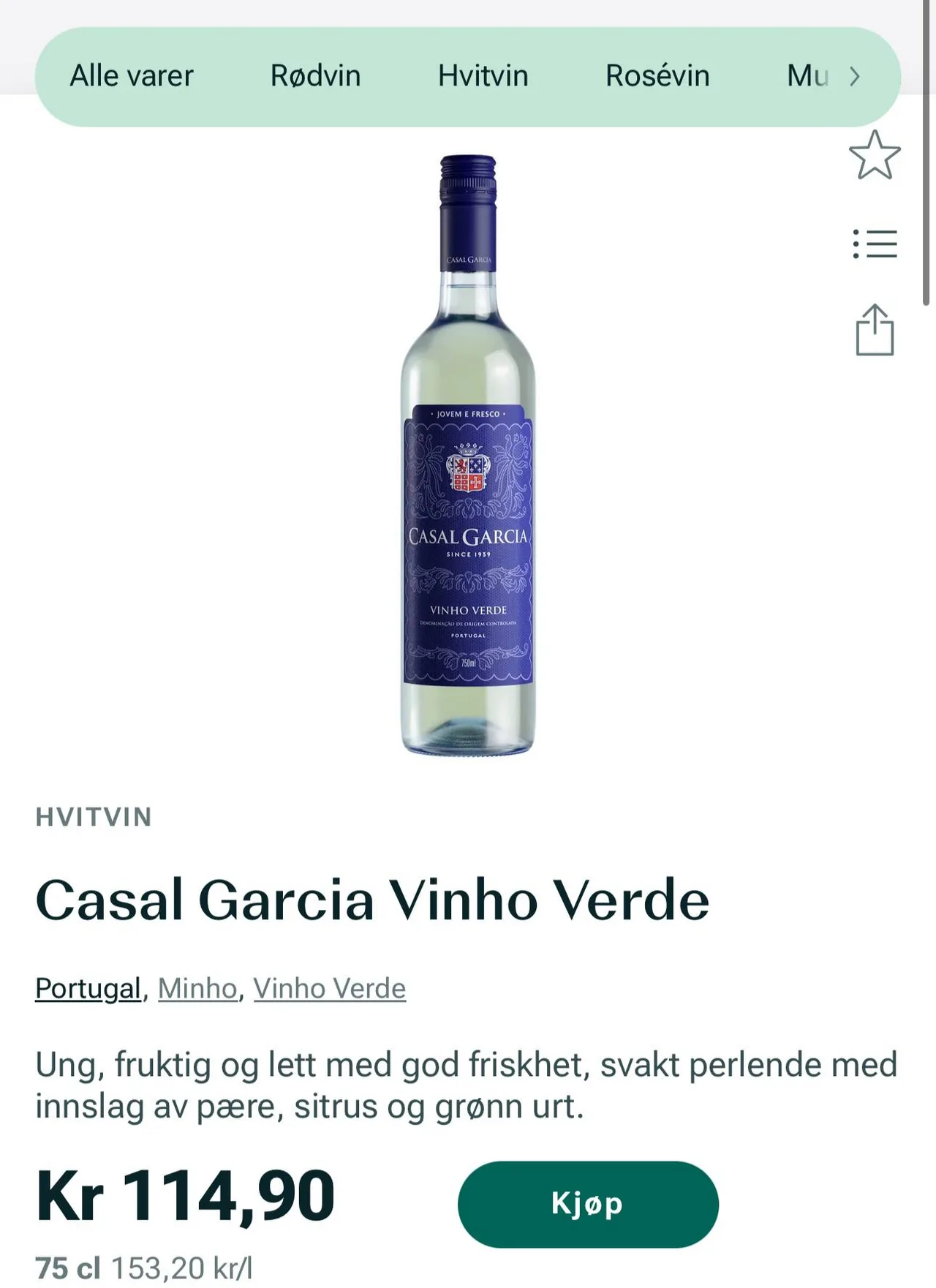
A bottle of decent Vinho Verde, meanwhile, can be yours for 78 kronor (630 rubles), and unlike gin, this is not a local product and involves additional logistics costs.
That is, instead of one bottle of basic gin, you can buy almost three bottles of wine, and instead of a more premium version, almost five bottles.
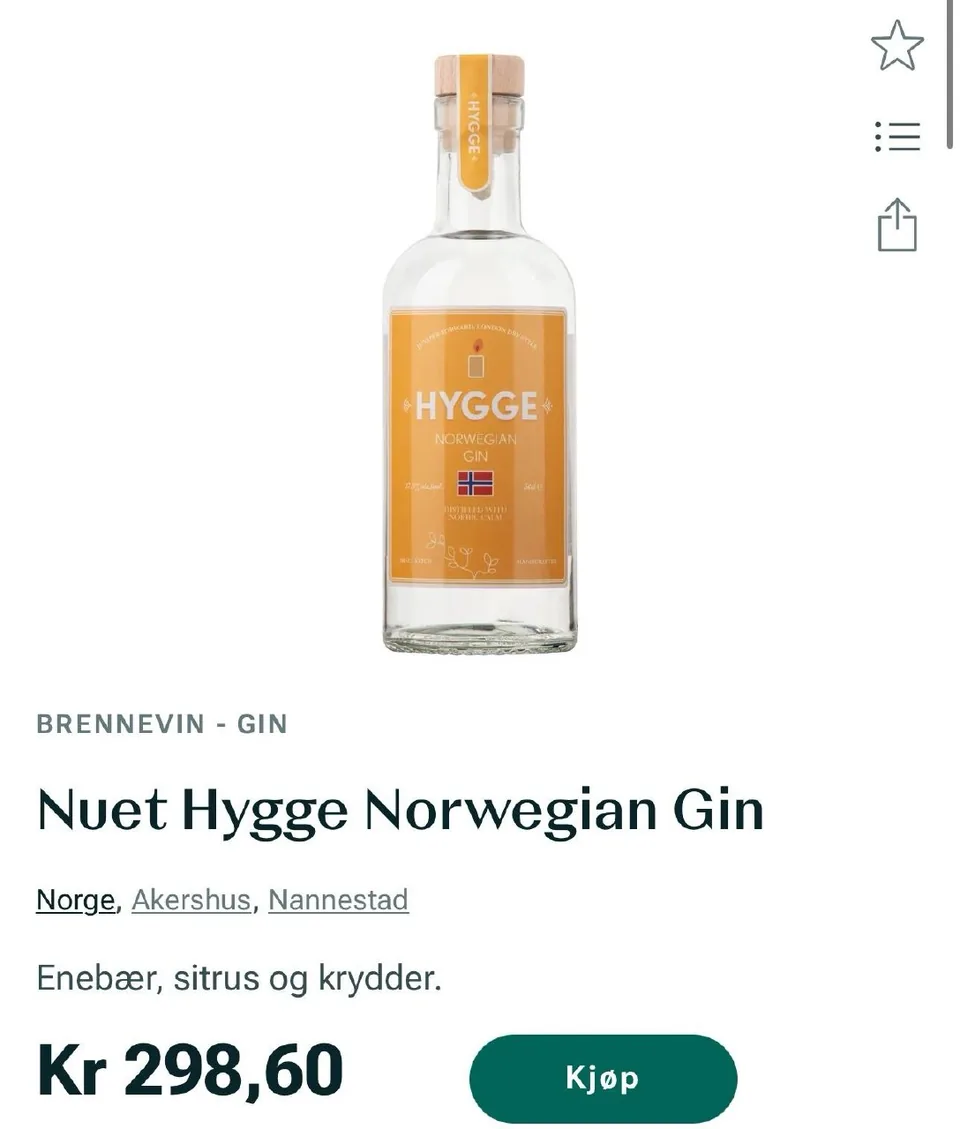
In neighboring, wealthier Norway, the local monopoly has different prices, but the proportions are similar: a bottle of local gin costs 298 Norwegian kroner (2400 rubles), while a bottle of the same Vinho Verde costs 115 kroner (927 rubles).
In Germany, where there is no state monopoly, it is 5 euros.
In our country, the price ratio is essentially 1:1, and this situation motivates many buyers to choose alcohol content over ceremony.
And I compared it with gin, not even vodka.
If we take as a reference not Russian wine but a bottle of the same imported Vinho Verde in Russia, the shelf price ranges from 1600 to 1900 rubles.
It is clear that times are not the most prosperous, and I deliberately do not compare income levels across all the listed countries, but as long as a bottle of wine in Russia does not win in price over spirits, discussions about developing wine culture will remain largely declarative and an eternal plan.
If the state is truly interested in promoting more conscious and moderate consumption, then wine should become not only a cultural but also an economically more obvious and reasonable choice for the buyer.
Comments
0No comments yet.
Sign in to join the discussion.