
While Marvel continues to milk multiverse ideas and panickedly brings back Robert Downey Jr., Nintendo is quietly assembling its screen team — and it seems to have a trump card more solid than Doctor Doom. In April 2027, The Legend of Zelda will hit theaters — and there is a feeling that this release will become the point after which the industry will finally admit that the era is changing, and it will no longer be defined by superheroes.
Audiences Are Tired of Heroes in Tights
The superhero genre is experiencing a crisis, to say the least. Last year's Fantastic Four had a strong start at the box office, but already in its second week it dropped by 66%. In the end, the film barely crossed $500 million worldwide. Audiences clearly decided that one trip to the cinema was enough. Although previously people went to such blockbusters more than once or twice, making superhero movies' box office astronomical.
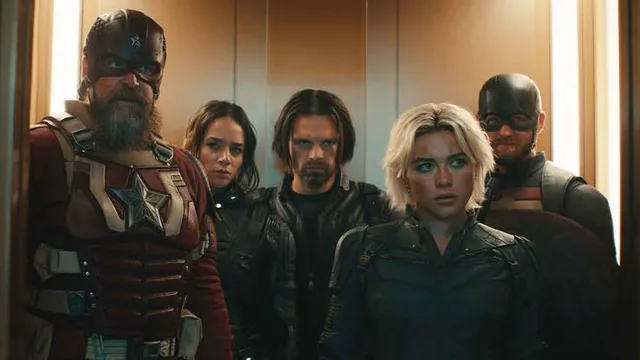
Thunderbolts* managed to get good reviews and still go into the red — a rare trick that previously seemed impossible for major Marvel releases. Analysts honestly cite oversaturation with superhero stories on both big and small screens (this year alone, Marvel has already released 2 series). One can add that the entire 2025 box office was stalling, and even heavyweights like Zootopia 2 and Avatar: Fire and Ash could not pull the industry out of the hole.
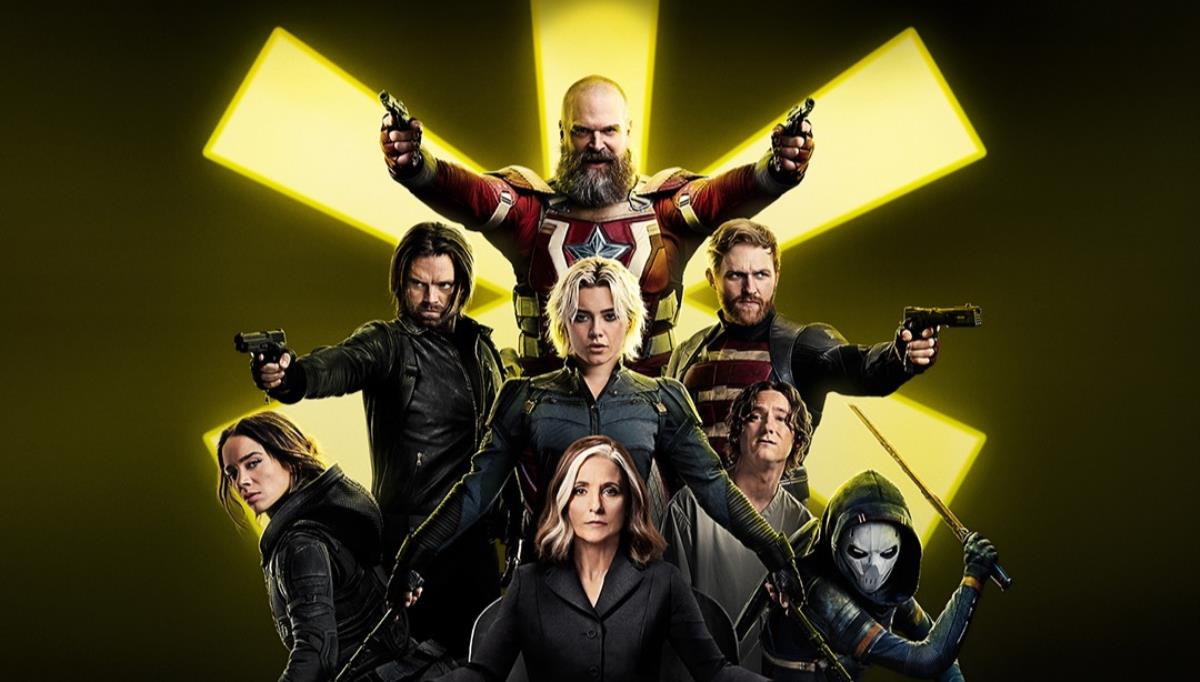
Against this backdrop, Marvel Studios is preparing a grand crossover Avengers: Doomsday for December 2026 as a kind of last argument of kings — but the residue from previous failures cannot be washed away with one successful release (there is no doubt that it will be successful, otherwise MCU can be shut down).
Nintendo Acts Differently — And It Works
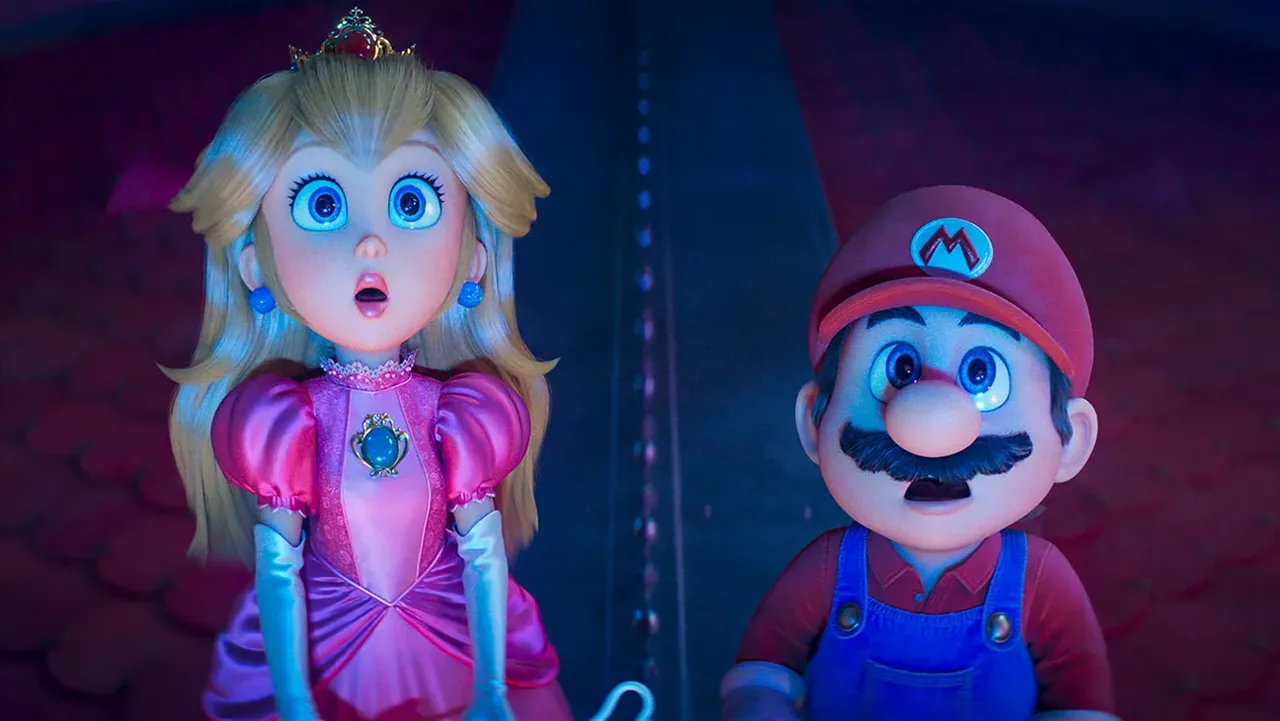
While Marvel tries to patch cracks in its once monolithic universe, Nintendo is building its cinematic empire on a completely different blueprint. The success of The Super Mario Bros. Movie in 2023 was not a one-time stroke of luck, but a starting shot: 4 new films have been confirmed since, including Super Mario: Galactic Cinema (over $1 billion at the box office, the highest-grossing project of 2026 so far).
At the same time, Nintendo fuels interest in its projects in various ways. For example, the iconic gamer character Fox McCloud appeared in the Super Mario sequel voiced by trendy Glen Powell (The Heir), followed by a high-profile remake of the game Star Fox on Nintendo Switch 2 for a new generation of players — now, when a full-length film about the fox is released, there is no doubt that it will collect a decent box office.
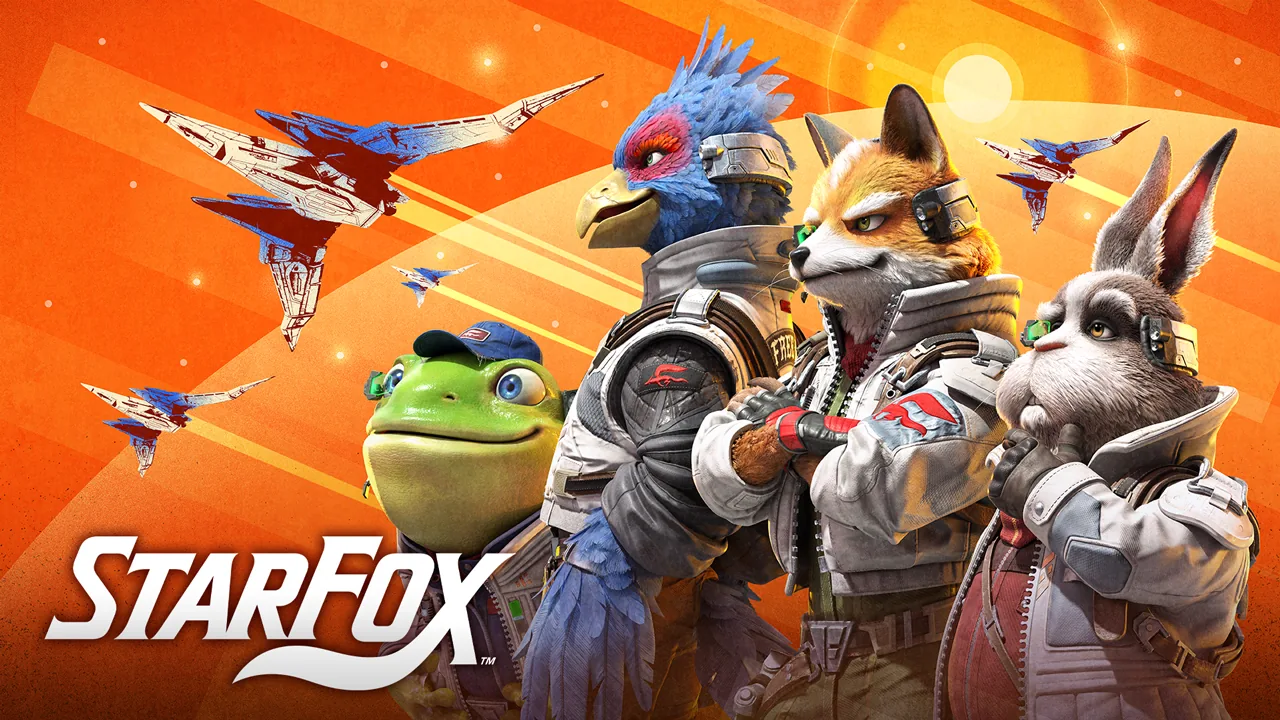
Each franchise lives its own life, each story will develop independently — and this, apparently, will save Nintendo from the genre fatigue that is suffocating Marvel.
“Link, You Must Find Me...”
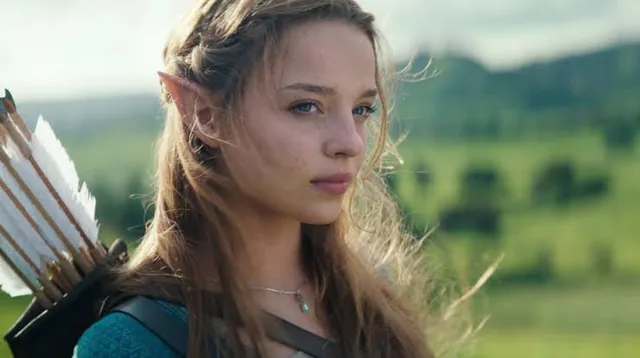
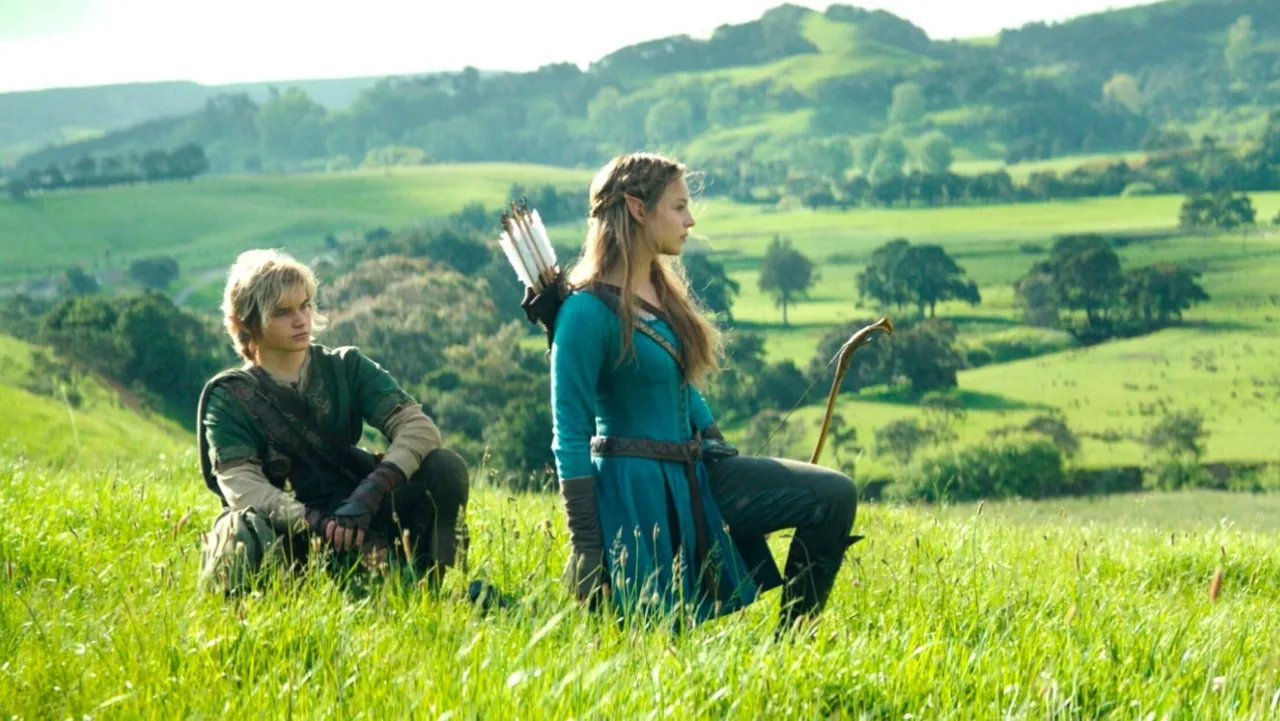
The Legend of Zelda is a real test of the entire concept. Director Wes Ball, known for the Maze Runner trilogy, takes on material that is much darker and more mythological than the cheerful cartoon Mario, which equally delights adults and children. The upcoming film stars Benjamin Evan Ainsworth as Link and Bo Bragason as Princess Zelda. Filming has already been completed, the picture has entered the post-production stage, and the team is celebrating this phase with obvious relief — the production marathon was not easy.
The film's path to screens, by the way, was winding. First, the date was announced for March 26, 2027 via the Nintendo Today resource. Then the release was moved to May 7 — Miyamoto explained this as 'production reasons' and a promise to bring the film to the required quality level. And literally in May 2026, the date was unexpectedly moved a week earlier — to April 30, 2027, to coincide with Japan's Golden Week (a series of holidays falling at the end of April to early May).
3 delays in 3 years — not a reason to panic, but rather a sign that Nintendo is not rushing just for the sake of a checkbox on the release calendar.
Different Philosophies — Different Results
If we boil it down to one table, the difference between the approaches becomes almost indecently obvious.
| Parameter | Marvel (MCU) | Nintendo |
|---|---|---|
| Structure | Single interconnected universe with crossover plots | Separate independent franchises without mandatory crossover |
| Current box office state | Declines and losses even for films with good reviews | Steady growth after success of The Super Mario Bros. Movie, new releases every year |
| Approach to deadlines | Tight production schedule for release calendar stability | Willingness to delay date three times for quality |
| Nearest major release | Spider-Man: Brand New Day | The Legend of Zelda |
| Tone of nearest material | Comic-book, ironic, sometimes tired of itself | Serious, mythological, thriller director at the helm |
It's funny that audiences seem to be tired not so much of the idea of superheroes themselves, but of the feeling of a conveyor belt where each next film exists only to announce the one after it. Nintendo in this sense plays a different game — literally and metaphorically: it gives each story the right to be complete, without serving as an advertising shield for future sequels (though it does leave room for a small announcement, as in the case of Fox McCloud).
So Will Zelda Close the Marvel Era?
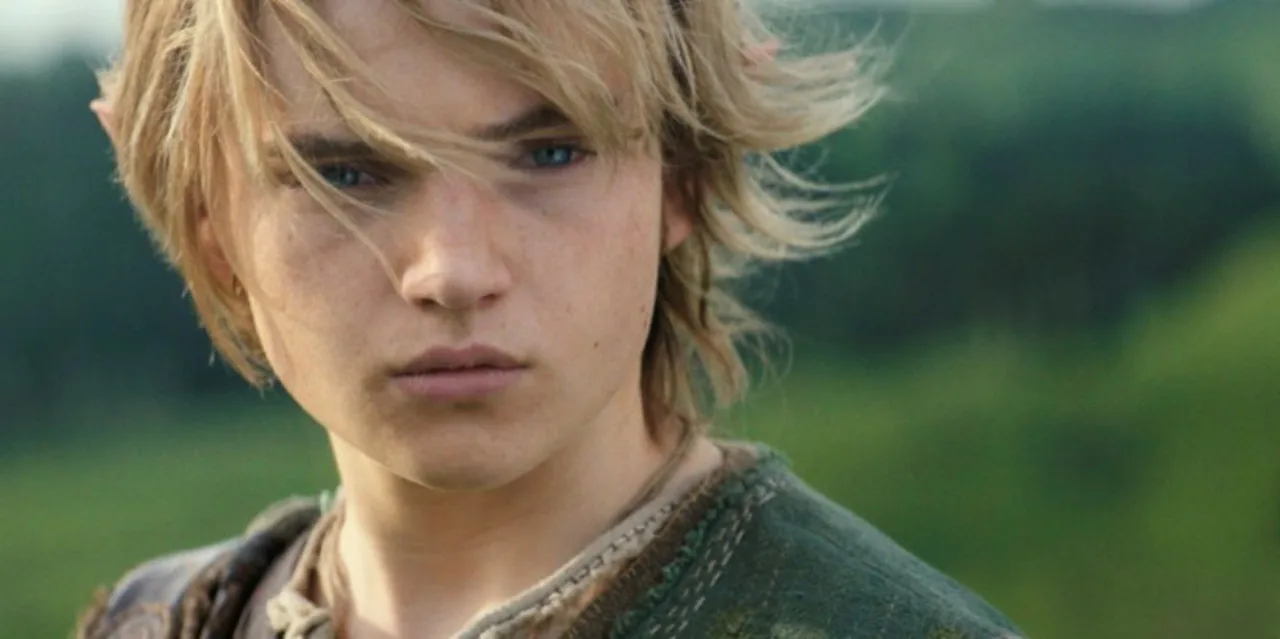
The loud statement about the 'end of the Marvel era' sounds nice in a headline, but it is, of course, no verdict. Marvel will not disappear after April 2027, but the cultural center of gravity is already noticeably shifting. Audiences are looking for stories with complete dramaturgy, not an endless series disguised as a cinematic universe. And if The Legend of Zelda works — and all signs point to a serious, adult interpretation without a hint of irony about its own material — it will prove that the Japanese have chosen the right tactic for capturing big screens against the backdrop of a faltering Marvel.
Comments
0No comments yet.
Sign in to join the discussion.