

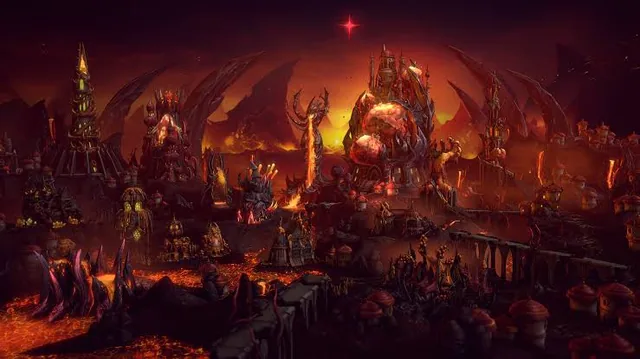
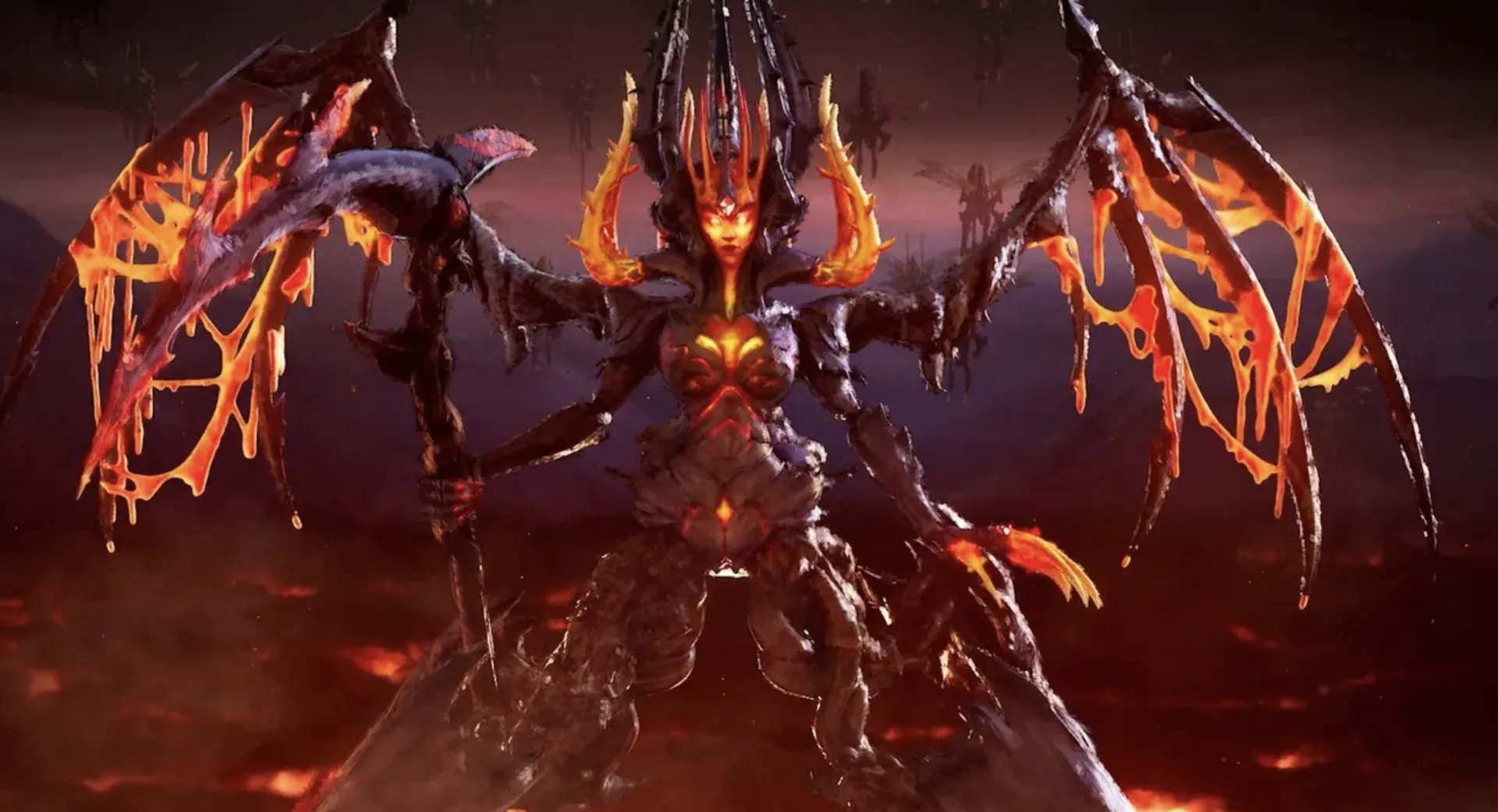
The Hive is one of the most aggressive factions in Olden Era. Its strength lies not in prolonged positional battles, but in constant pressure on the map and rapid accumulation of advantage. This faction does not forgive mistakes easily, as even a few unsuccessful battles can completely break the development tempo. While most castles can afford a couple of quiet days gathering resources, the Hive must gain new benefits almost every turn: uncovering territory, capturing objects, or strengthening the army. It is tempo that determines the success of a game much more than individual artifacts or hero level.
The First Week Decides the Entire Game
The first seven days are the most important stage of development. The main task is not to gather as much gold as possible or completely clear the starting area, but to create a foundation for further expansion. At the very start of the game, you need to determine the main hero's movement route, scout nearby towns, find creature banks, and assess the difficulty of guarding key objects. Many neutrals and artifacts can be left for later if they do not help develop faster. It is much more important to preserve the army and keep moving forward.
Don't Be Afraid to Hire Many Heroes
The Hive shines when using auxiliary heroes actively. The main hero should be fighting almost continuously, while other characters handle scouting, resource gathering, army transport, and delivering reinforcements from towns. This approach avoids wasting precious turns returning home or making long treks between objects. Secondary heroes become a kind of logistics network, ensuring the main army is always exactly where it is needed. The more efficiently this chain is organized, the faster the entire faction develops.
Tempo Always Trumps Fancy Objects
One of the main mistakes when playing as the Hive is the desire to clear absolutely everything around. Every battle should bring tangible benefit in the near future. If victory opens a new passage, allows you to obtain creatures, capture a town, or build a key building, such a risk is justified. If the battle ends with heavy losses for a small amount of experience or a random artifact, it is better to leave that object for a later stage of the game. When playing as the Hive, it is important to constantly ask yourself whether a particular action accelerates development or only slows it down.
Tactics Becomes One of the Best Skills
Since the Hive's army is built around rapid engagement with the enemy, the Tactics skill becomes especially valuable. The extra distance in deployment allows you to reach shooters or dangerous support creatures in the first turns, preventing them from realizing their advantage. In many battles, the ability to start closer to the enemy determines the number of losses. This is especially noticeable against neutral shooters, which should ideally be destroyed before they can get off several volleys.
Logistics Wins Games
Equally important is the Logistics skill. Each additional percentage of movement range translates into more captured objects, faster resource gathering, and the ability to reach the next map zone earlier. For the Hive, this means not just saving a few turns, but gaining an additional advantage over the opponent. The earlier Logistics appears, the easier it is to maintain a high development tempo throughout the game.
Save the Army, Not Creature Health
Despite the aggressive playstyle, the Hive cannot be called a faction that can mindlessly trade troops. During each battle, you must find ways to mitigate counterattacks, use waiting, properly distribute initiative, and take initial attacks with less valuable creatures. Sometimes it is better to sacrifice a few cheap units than to lose the main damage stack. A good battle for the Hive is not one that ends quickly, but one after which the army retains the ability to continue the offensive without returning to town.
Quickly Transition to Strong Creatures
Town development should be subordinated to one goal: gaining access to the most powerful units as early as possible. For this, it is sometimes worth forgoing the construction of secondary buildings and focusing solely on necessary resources. Every delay in transitioning to key troops makes subsequent battles significantly harder and forces you to lose more army while clearing the map. If you have to choose between additional economy and accelerated army development, for the Hive the second option is almost always preferable.
Plan Your Route in Advance
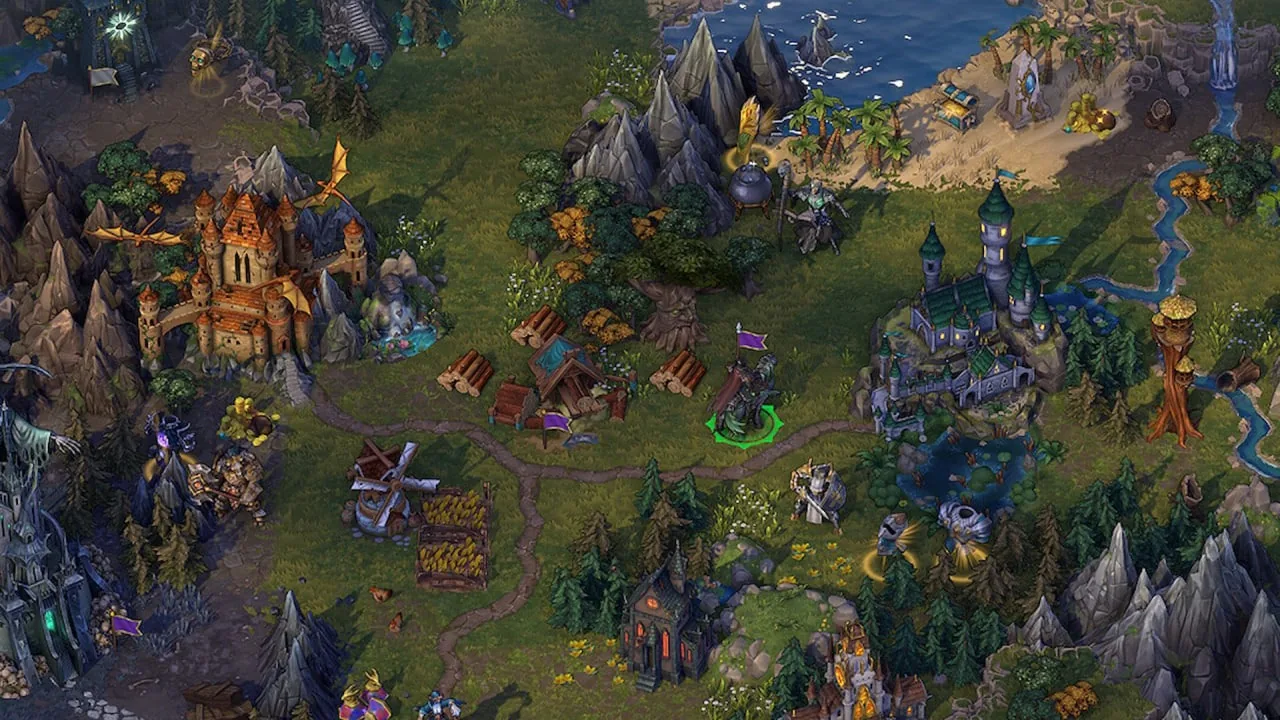
A good game as the Hive begins not with the first battle, but with the right route. From the very first days, you should understand which objects will be captured today, which tomorrow, and which are still too strong and require a return later. Constantly darting around the map leads to the loss of precious turns and destroys the entire development tempo. It is much more effective to plan a long chain of moves in advance, where each subsequent object logically follows the previous one. This approach allows you to gain maximum benefit from almost every turn.
Learn Best in the First Week
The fastest way to master the Hive is to repeatedly replay only the first week of a game. If by the end of it you have not managed to preserve the army, transition to strong creatures, and prepare for further expansion, it is much more useful to start a new attempt than to continue a weak game. This method allows you to quickly understand optimal routes, learn to correctly assess the strength of neutrals, and minimize losses. After several dozen starts, you develop an understanding of which decisions truly provide tempo and which only create an illusion of progress. That is why a strong game as the Hive begins with a perfectly executed first week.
Comments
0No comments yet.