
"Young people with their computers will stop reproducing!"
Somewhere around 2007-2009, our old home PC with a CRT monitor and floppy disks was replaced by the first normal computer with a permanent internet connection and a CD-RW drive. With its arrival, a whole era began: buying pirated game discs in smelly plastic cases, the first torrents, Call of Duty 2 and Battlefield Bad Company 2. My classmates and I constantly gathered and played games together online, and if we visited each other, we played together on the same computer or just watched the other play "until they died" to switch places. It was a wonderful time! But this story is not about pleasant childhood memories.
My parents, watching our hobbies back then, joked: "Soon young people with their computers will stop reproducing." I always brushed it off and thought it was just old people grumbling (even though they weren't even forty then, c'mon).
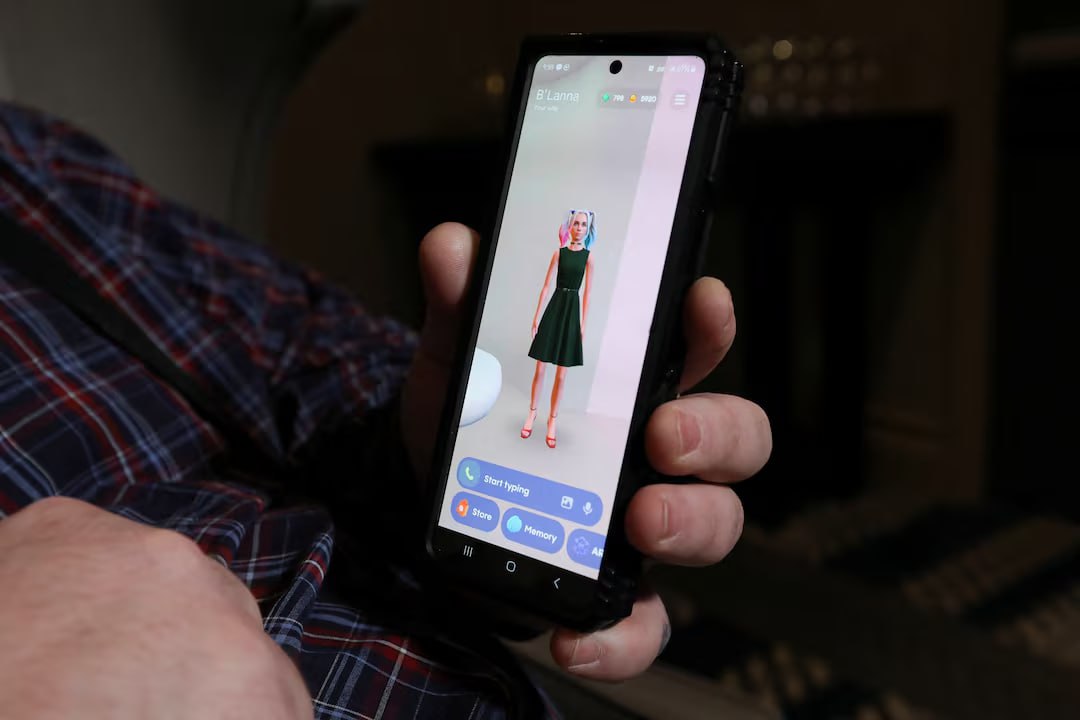
It turns out they really are stopping. The plot unfolded like something from the series "Black Mirror": today people create AI boyfriends and AI girlfriends, forming emotional attachments to them. It's important to note that these are not isolated freaks with mental issues—it's a mass phenomenon.
The scale of platforms with such AI partners is staggering. According to data from Harvard Business Review: XiaoIce — 660 million users, Character.AI — 28 million active users, Chai — 4 million active, Replika — 2.5 million active. This doesn't mean all these hundreds of millions of people are in relationships with AI, but there's an important caveat. Another study — by Common Sense Media, conducted in the US — shows that among teenagers, 72% have already tried AI companions, 9% directly describe them as "a friend or best friend," 8% use them for romantic relationships or flirting, and 33% have discussed serious or important issues with AI instead of real people.
And that's not all. For example, an article in The Guardian tells about users who were deeply upset by the update of ChatGPT to GPT-5 because they had become attached to the old version, which they felt knew and understood them better. Direct quotes from there: "it's like breaking up with a boyfriend," "like saying goodbye to someone familiar." Another piece — Reuters with the telling title "What happens when your AI chatbot stops loving you back?" — is dedicated to the sharp reaction of Replika users after the developer removed the possibility of erotic interaction: "the person I knew is gone," even though it's about an AI avatar. Users note that AI understands and knows them much better than real loved ones.
This is not just strange tech news or a collection of people with loose screws. It's an amazing and terrifying cultural phenomenon—practically the spirit of the times. Cyberpunk has arrived. And this is exactly what I want to talk about in the next post, which will develop this idea.
But for now, let me ask you: how close are you with your AI?
Comments
0No comments yet.
Sign in to join the discussion.