
The issue of demanding and tough leaders has been raised more than once in this channel - for example, when discussing the film "Whiplash" or Michael Jackson's father. And each time I wondered where the line between demandingness and abuse lies.
And now I found a study that explains it.
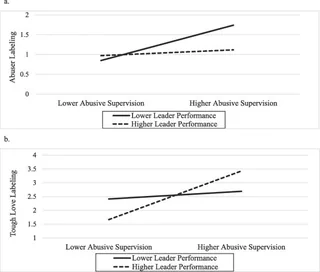
Several hundred employees were asked how they refer to a manager who behaves hostilely (humiliates, publicly criticizes, devalues).
It turned out that the label depends not on behavior, but on results.
If the manager has low performance - subordinates call him an abuser.
If high - "demanding".
And then it gets even more interesting. Those who called the boss an abuser respond with hidden sabotage: ignoring instructions, giving the silent treatment, taking petty revenge. Those whose boss is "demanding", on the contrary, expect more from their careers.
That is, the signal, in fact, is not about toxicity, but about results. As long as the numbers are good, there are no complaints, because people sincerely rename what is happening in their heads. Toxicity appears exactly at the moment when a person stops delivering results. And then they are fired. Formally for behavior, in fact - for not meeting the plan.
Now it's clear why Steve Jobs is a demanding leader, and the abuser is you.
It seems that in personal relationships it works about the same way.
Comments
0No comments yet.
Sign in to join the discussion.