
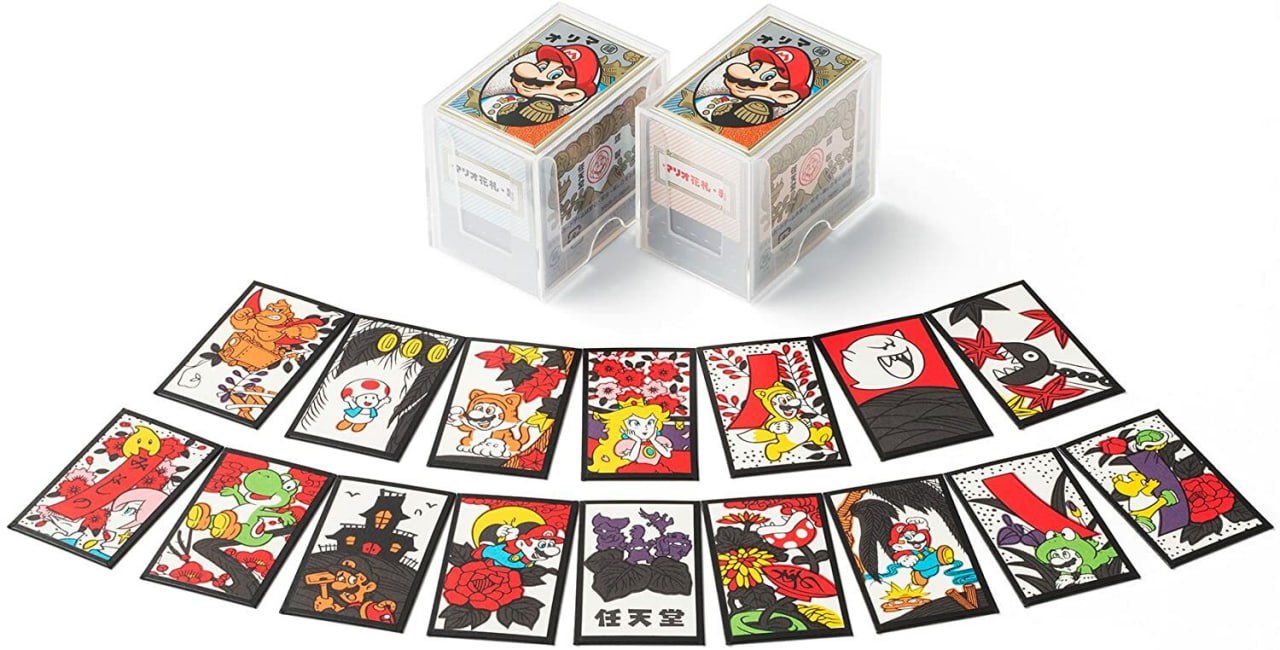
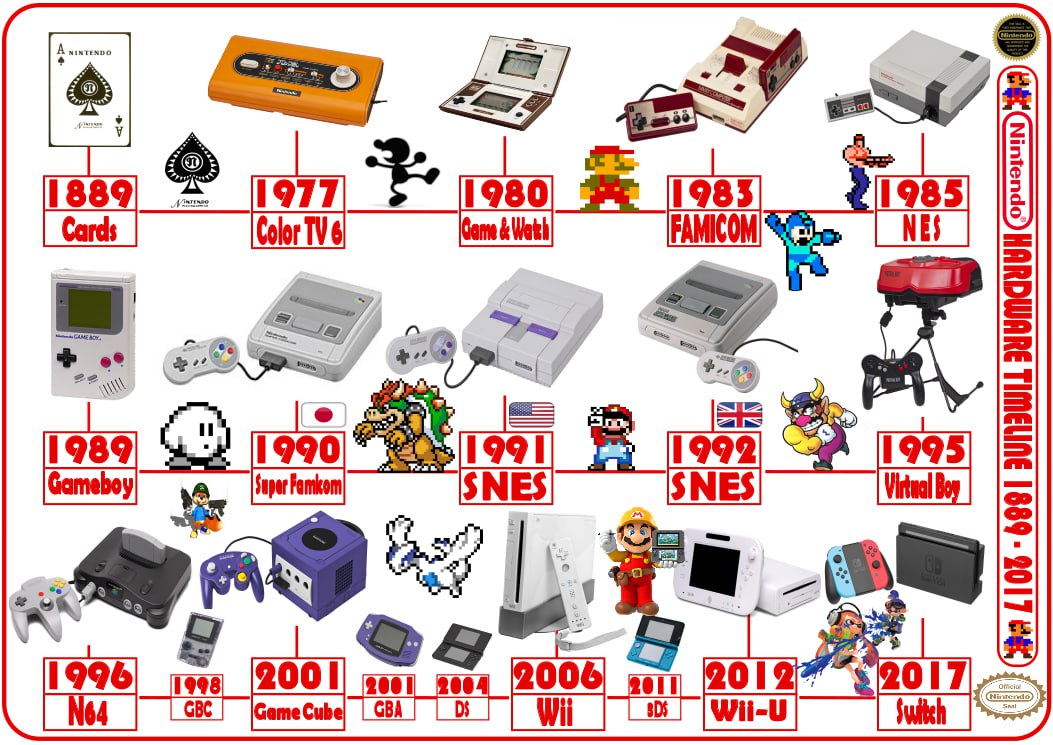
The future giant of the entertainment industry began in 1889 by producing Japanese playing cards "hanafuda", and according to legends, one of its steady customers was the yakuza.
Until the 1960s, things were going well. However, demand for cards fell, and the company plunged into entrepreneurial chaos. Over several years, Nintendo tried dozens of niches, many of which now seem quirky: a love hotel chain, producing instant rice, manufacturing radio-controlled vacuum cleaners.
As we already know, all these ideas failed. "Did the hypothesis work? No. Great, let's look for the next one" — Antifragile.
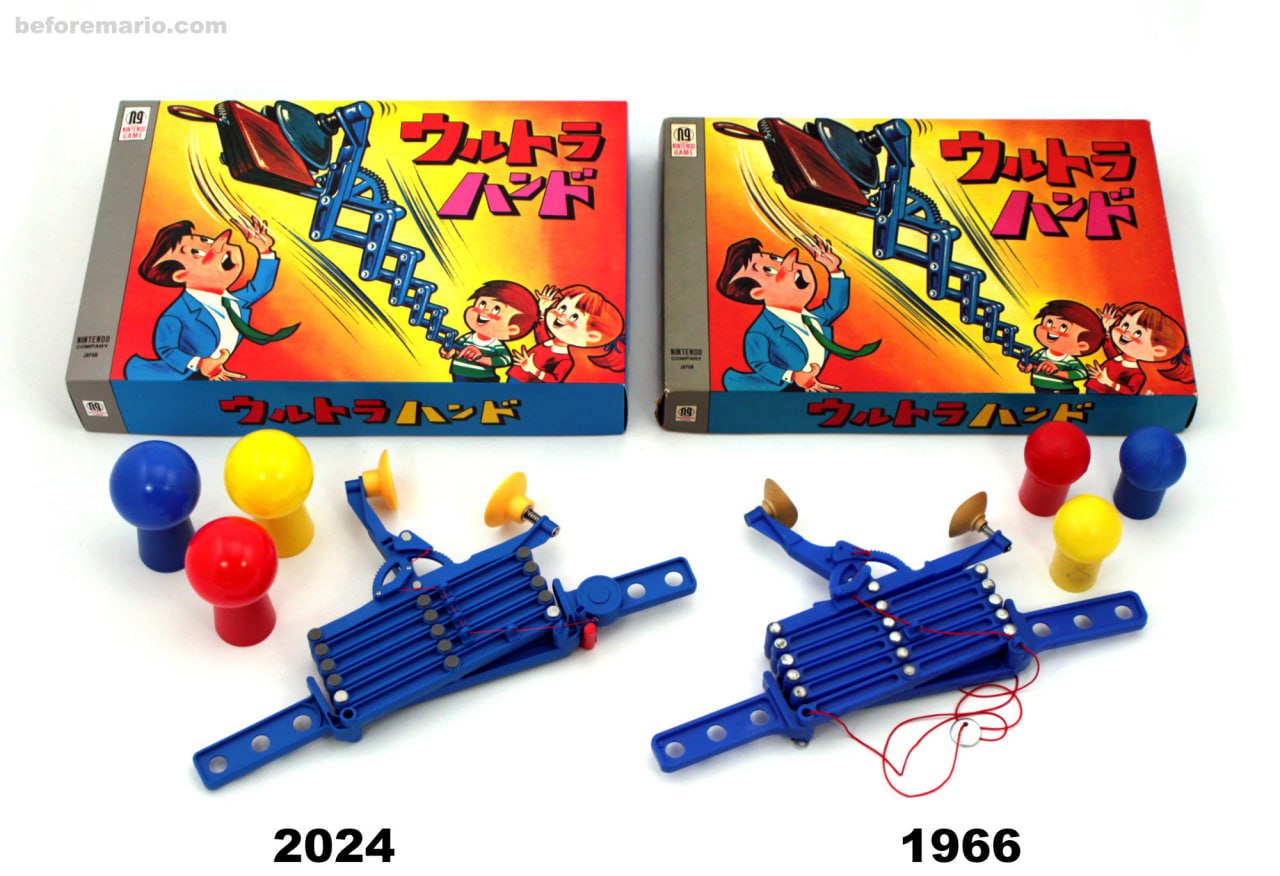
Salvation came from within: in 1966, amateur engineer Gunpei Yokoi created a folding toy grabber "Ultra Hand." Management saw its potential, and the toy became a hit. This was the first step from cards to toys, and then an evolutionary leap into electronic games. In 1977, the first video game appeared — TV Game 15.
Over the next three decades, the company released consoles, mostly TV-attached systems, until in 2017 it launched a new format — a portable console with a built-in screen, the Switch. It allowed Nintendo to capture nearly 40% of the console market. To put it in perspective, over 100 million units were sold.
Nintendo had only one thing — the intention to survive and find a new growth point, and resources were sought or created along the way.
TG | MAX | VK | DZEN | #management #organization #team #business #development #company #history
Comments
0No comments yet.
Sign in to join the discussion.